Hals at the NG

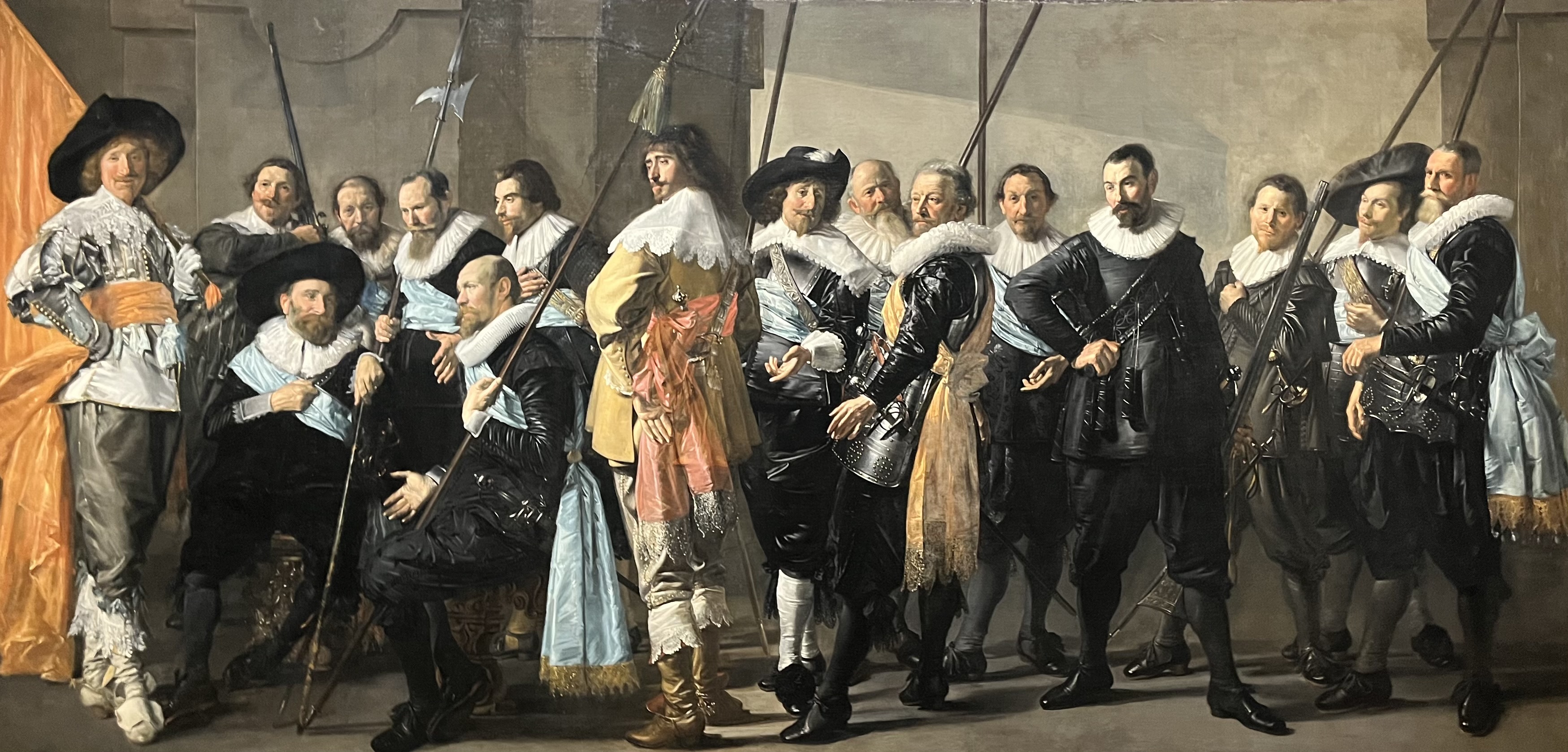
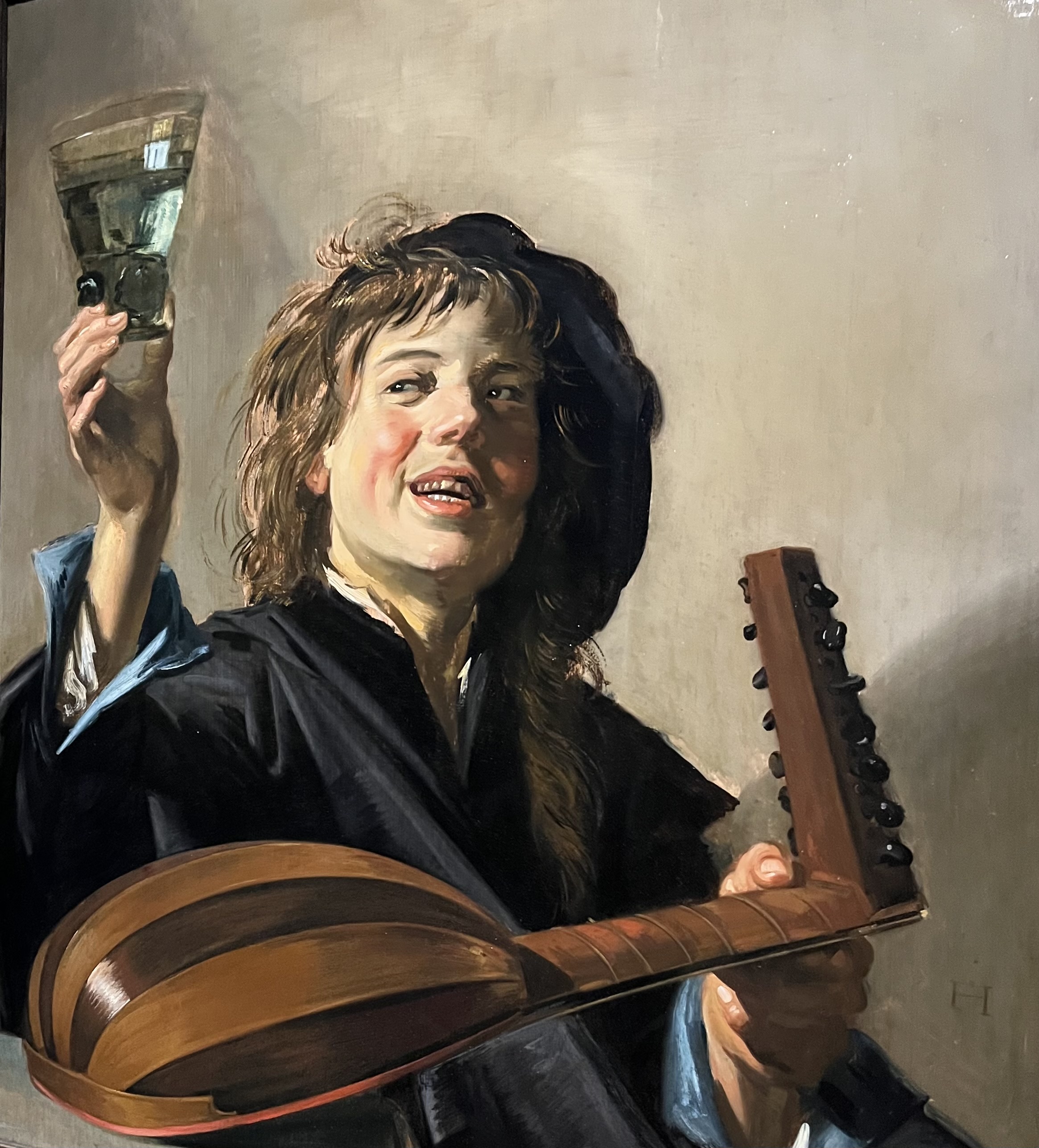
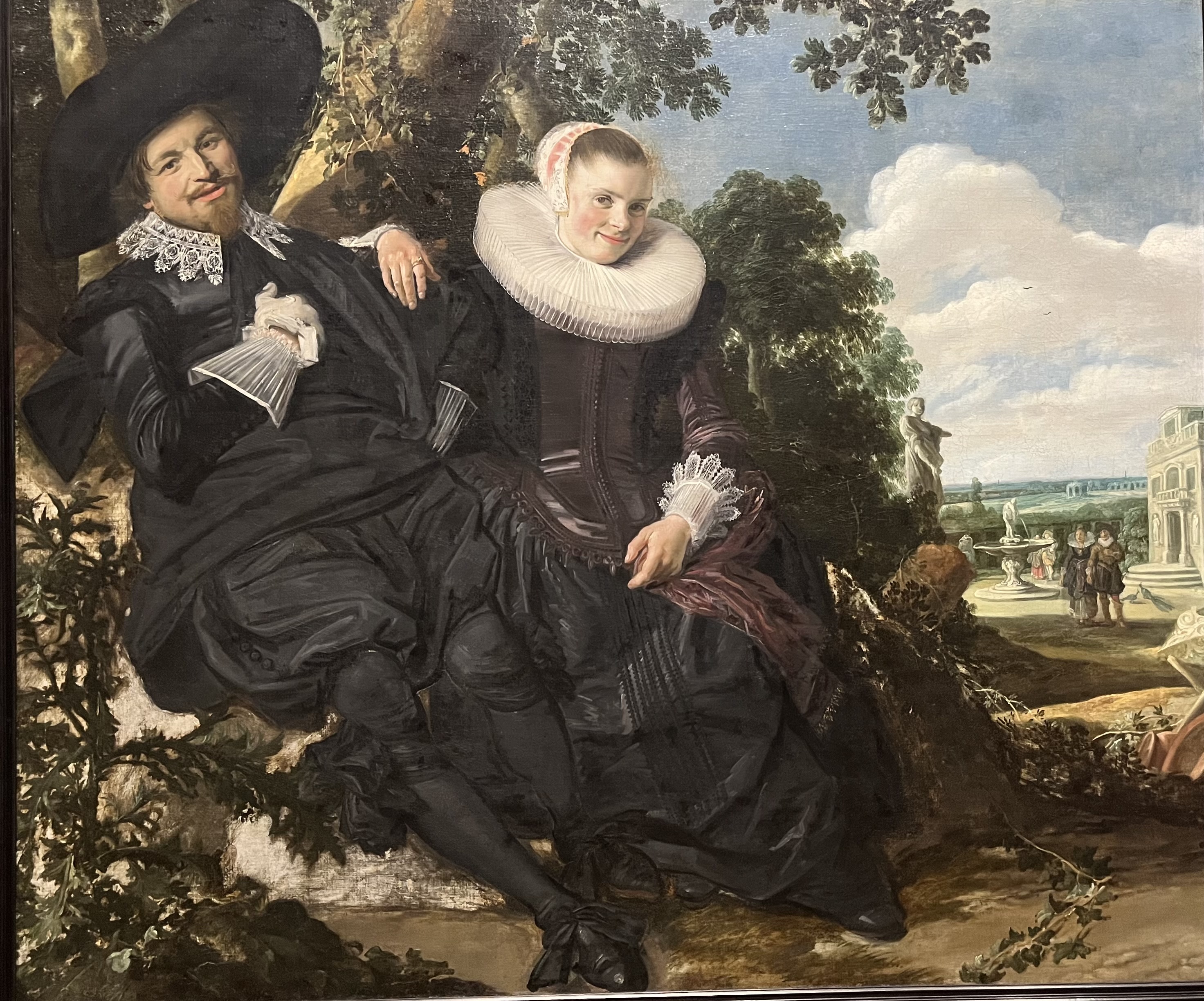
We went to see the National Gallery’s blockbuster exhibition of the work of Frans Hals, a good follow-up to our visit to his museum in Haarlem (and in fact we met a few old friends again).

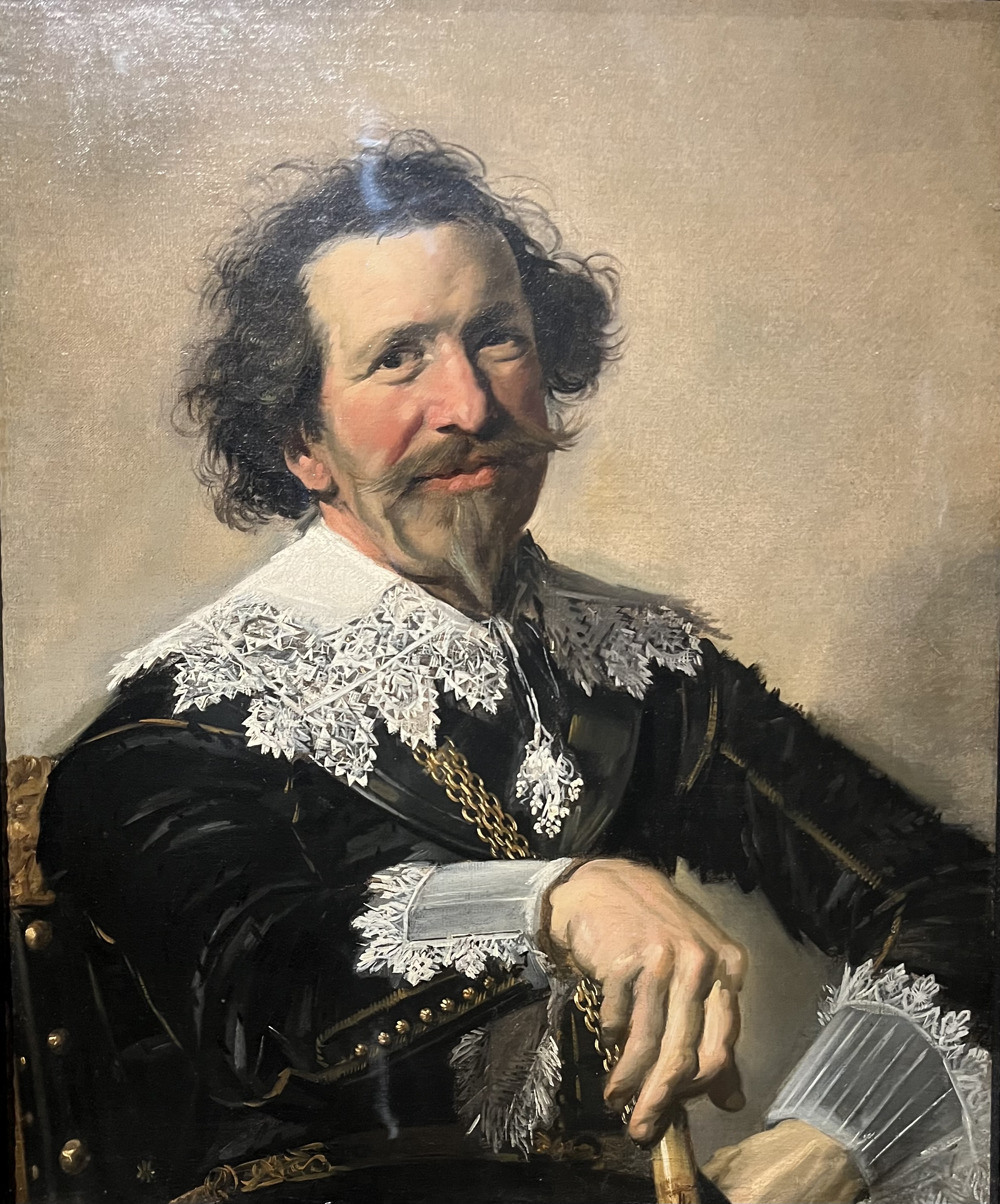
Hals is notable for the lively characterisation of his portraits. A note in the exhibition rightly says that nobody painted nonchalance like Hals, but his people are also completely believable and full of energy.
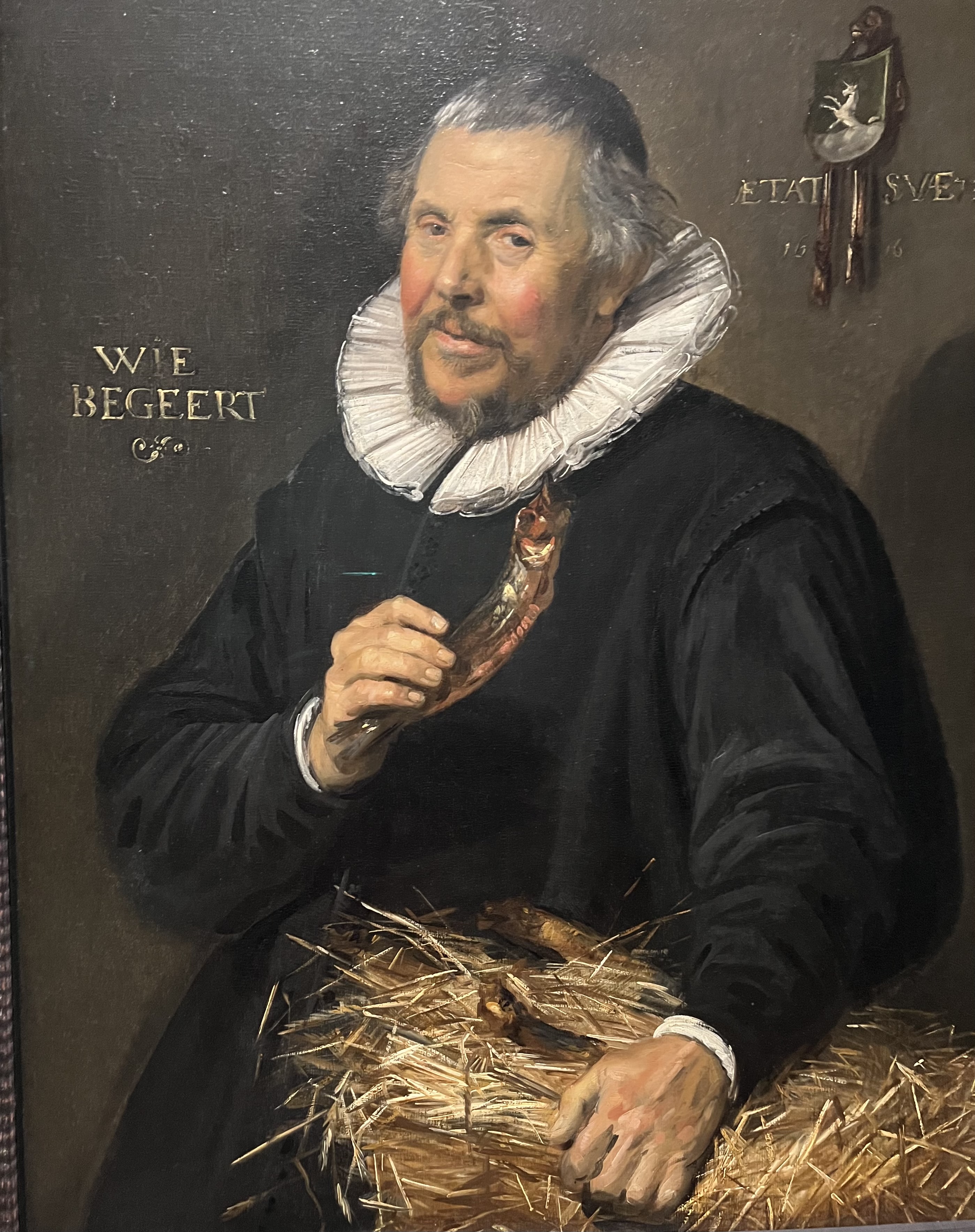
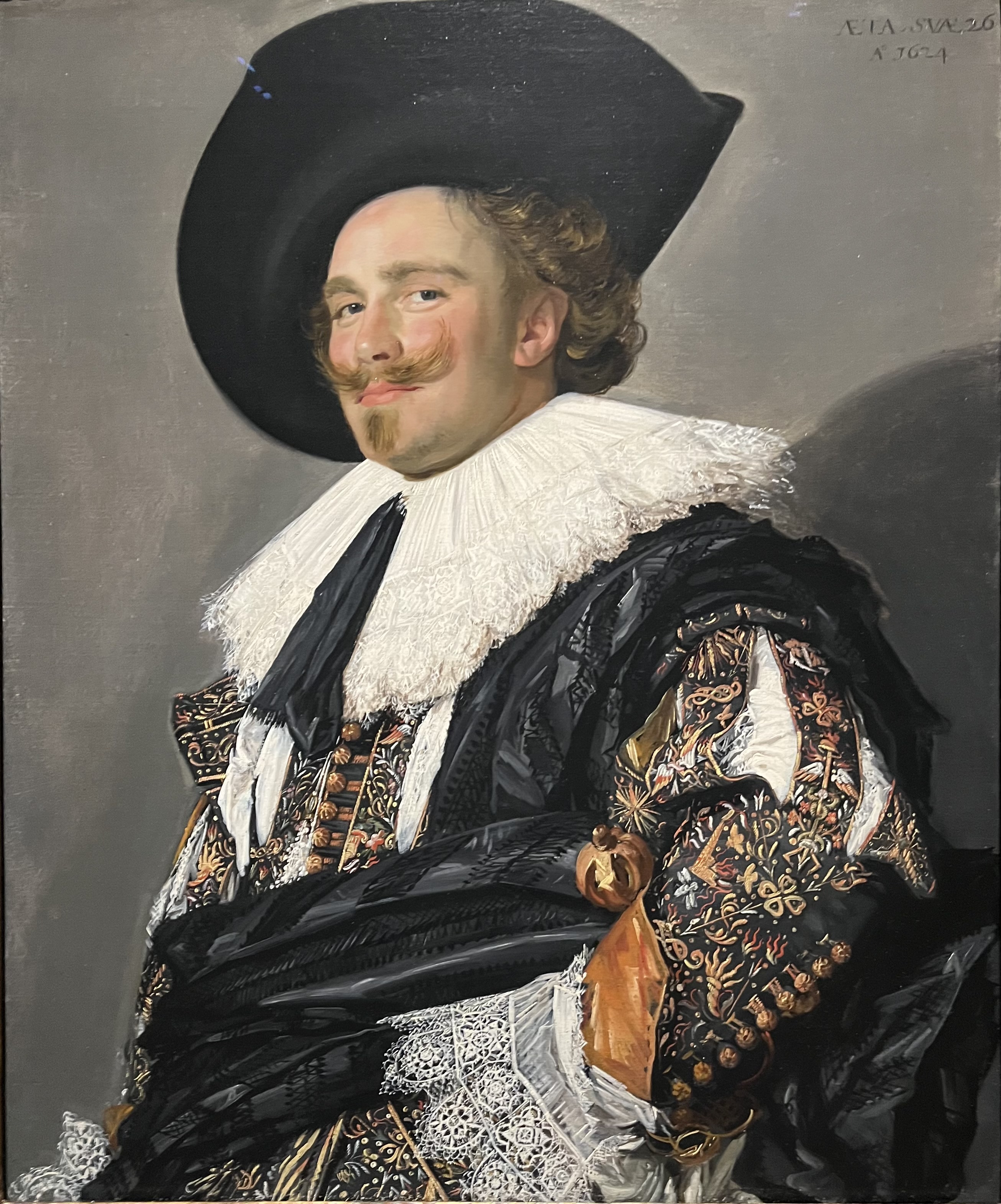
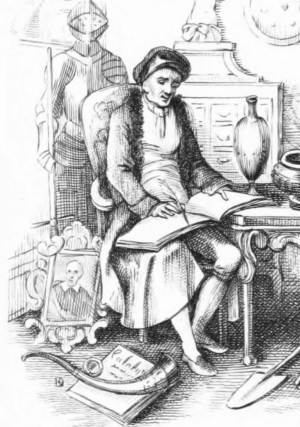
He’s also known for the loose style he adopted, especially in his later years, when a few slashing diagonal strokes of the brush would skilfully suggest lace or fabric. It was this trait that endeared him to Van Gogh and other later painters. Look at how the details of this gent, convincing at a distance, are just rough and sketchy brushstrokes close up.

November 2023 Competitions

A selection of writing competitions I might enter during the coming month.

First, a few with deadlines on 1 November.

  • Scribble’s annual competition is for stories up to 3,000 words that must begin with the words ‘’He had an uneasy feeling as he inserted the key…’ £5 to enter, top prize £100.
  • The Caledonia Novel Award is for completed works of at least 50,000;words, but initially you are required to submit the first 20 pages with a synopsis. It’s £25 to enter and the first prize is £1,500 plus a residential course.
  • Reed Magazine’s John Steinbeck Award looks for up to 5,000 words. $20 to enter, first prize $1,000. Entries need not relate to Steinbeck.
  • The Commonwealth Short Story Prize is free to enter for people living in Commonwealth countries. There is a prize of £2,500 for the winner in each region plus £5,000 for the overall winner. Stories must be between 2,000 and 5,000 words.
  • F(r)iction wants 1,001 to 7,500 words: entry is $15 and first prize $1,000. You have until 3 November.
  • Liars League has a pub-based contest, free to enter. Winning works are read in the pub (in London) where the author is awarded a night of free beer. They’re looking for 800 to 2,000 words on the theme ‘Hearth and Home’ and you’ve got until 5th November.
  • The Neilma Sidney prize, from Overland (‘Australia’s only radical literary magazine’), is about travel. $20 to enter and the prize is $5,000: send up to 3,000 words by 10th November. If you’re writing about marginalised communities/identities you are asked to say whether you are a member of those groups.
  • The Wonderland competition looks for 1,000 to 2,500 words. It’s £5 to enter but the only prize is publication:and it seems you have to email them asking to enter, all of which will probably put me off bothering. The deadline is 12th November.
  • Curious Curls want stories about curiosity. $2.50 entry for a $250 prize: word limit 10,000. Enter by 15thNovember.
  • Ironclad asks for stories up to 6,000 words on the theme ‘dusk’. £6 to enter, prize £100 plus publication. Deadline 16 November

The rest have a deadline of 30th November.

  • The prestigious Fish contest has an entry fee of €20, a prize of €3000, and a word limit of 6000.
  • Doug Weller is again running his contest for six-word stories: free to enter and a prize of $100. Six words is really not quite…
  • Plaza Prizes want up to 8,000 words: £15 entry with £1,000 as top prize.
  • Prairie Fire, from Canada, look for a maximum of 5,000 words. It costs $34 and first prize is $750.
  • Finally those nice people at Tadpole Press want a mere 100 words: it’s $15 to enter and a generous $2,000 as top prize.

If you get somewhere with one of these, please let me know!

Hidden Century

A belated hat-tip to the British Museum’s exhibition of artefacts from the last century of the Chinese Empire – here called the Hidden Century, but also known as the Century of Humiliation because of the way China was forced to accept the domination of people it had regarded as marginal barbarians.

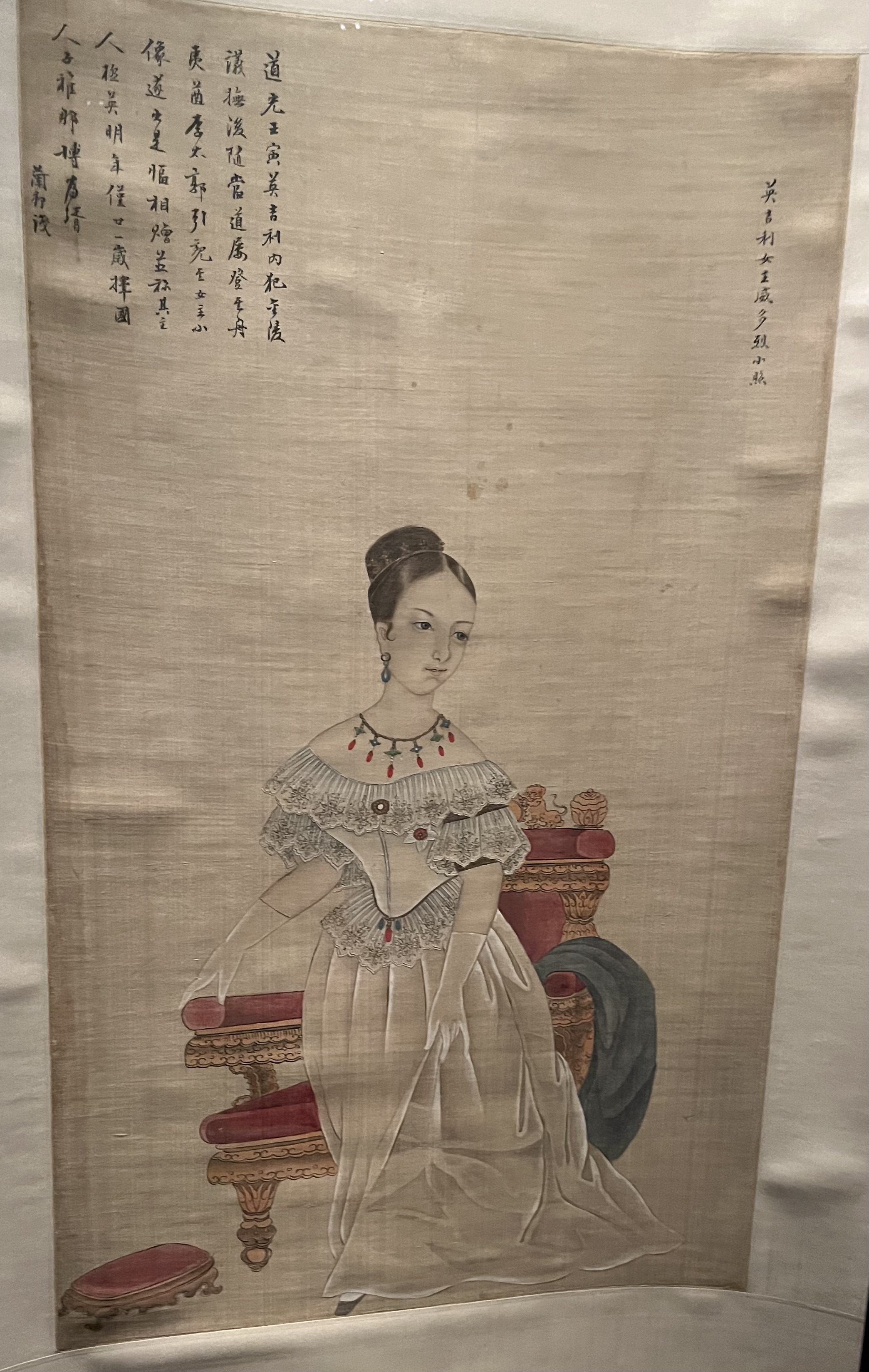
This picture of Queen Victoria might symbolise the encroachment of the West, and of course we are reminded that many Chinese artefacts now in the West were frankly looted during the Boxer War or at other times.

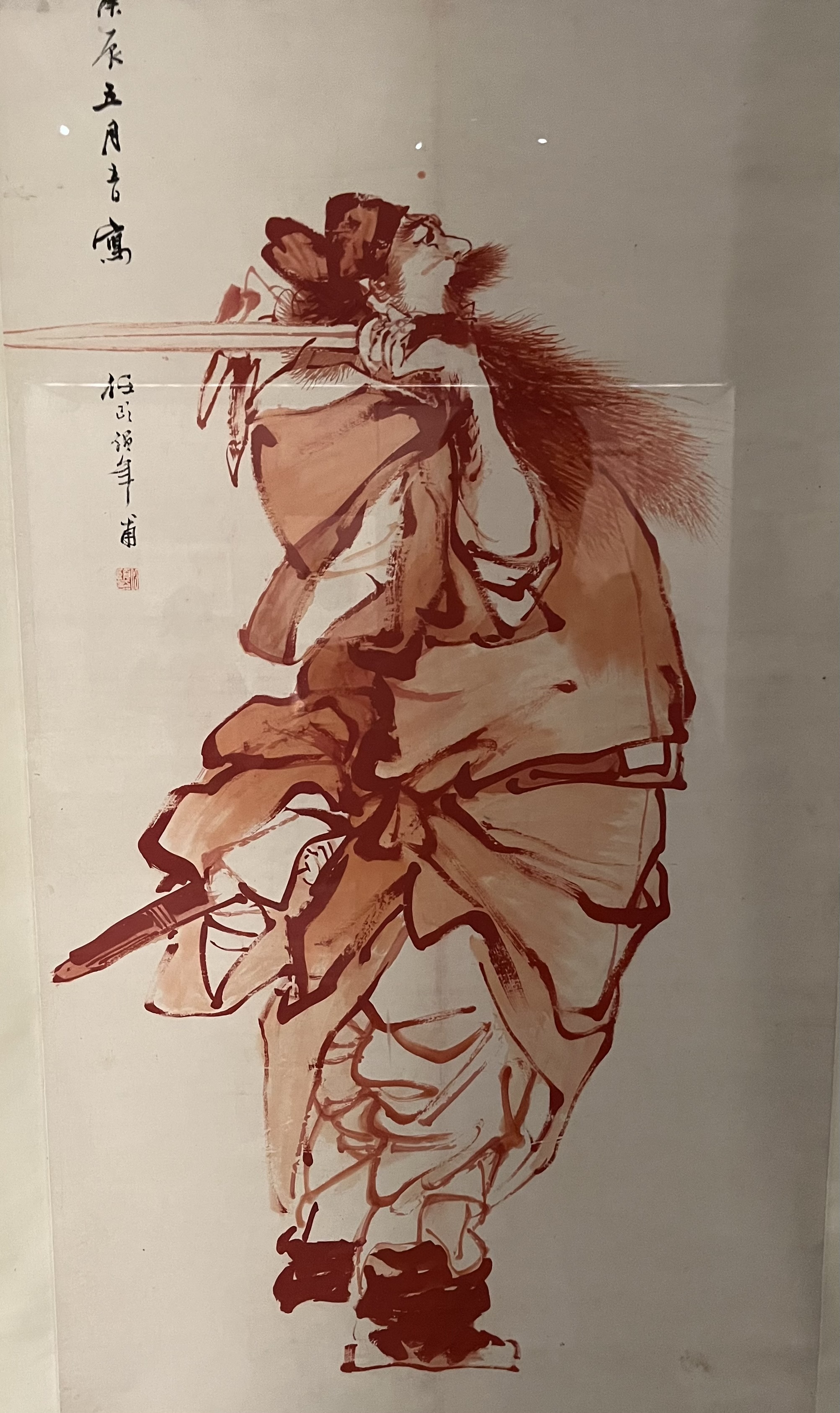
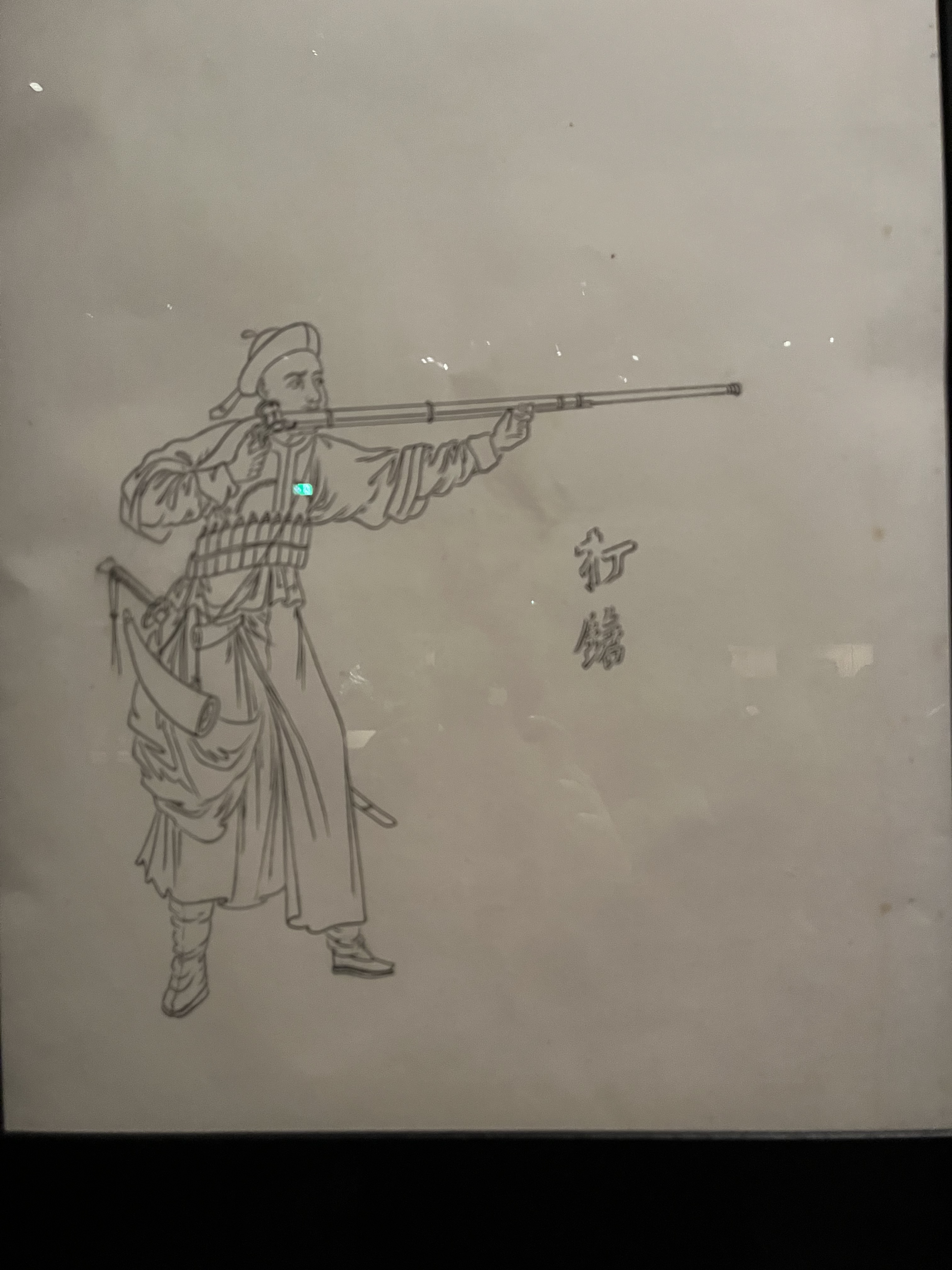
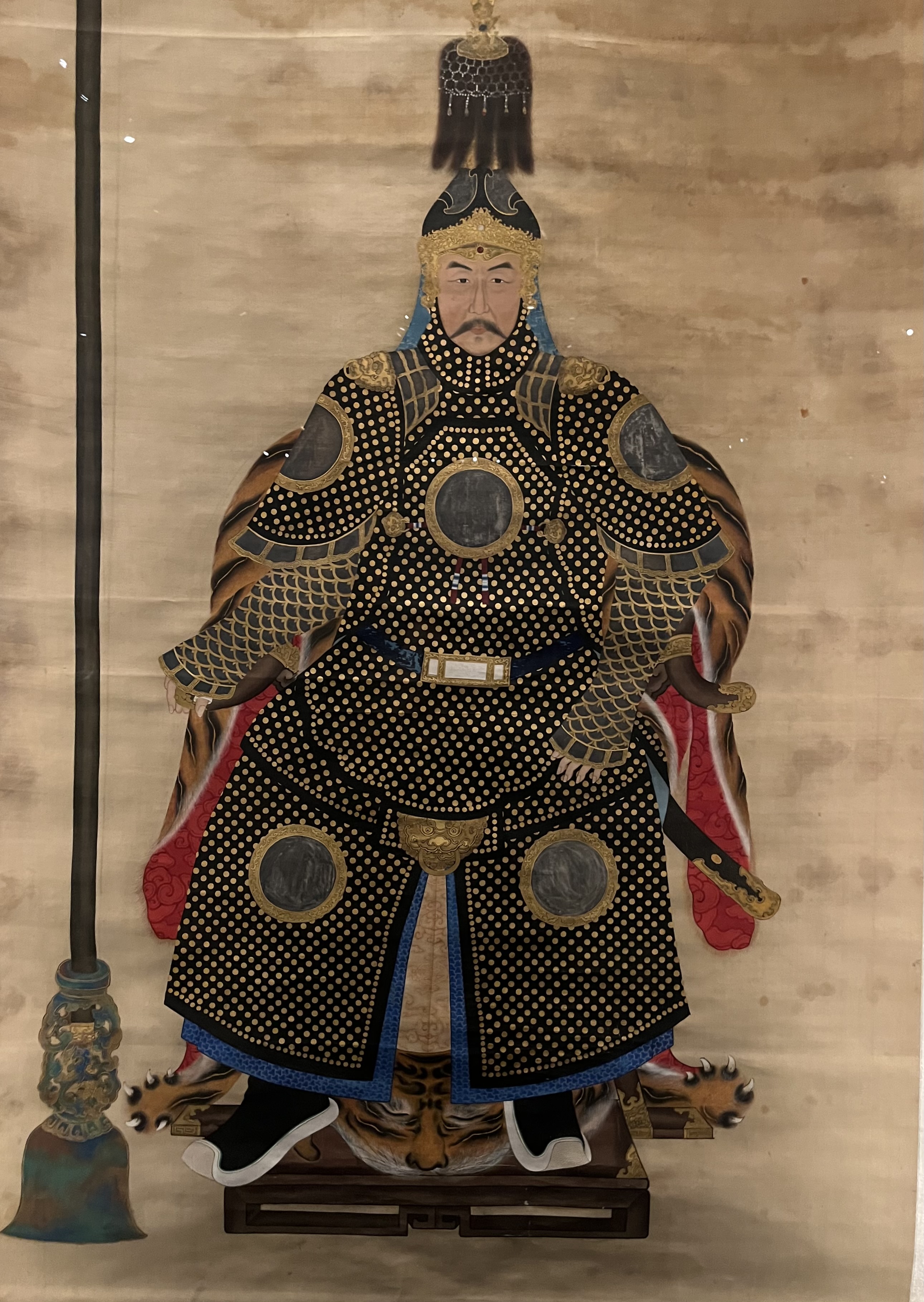
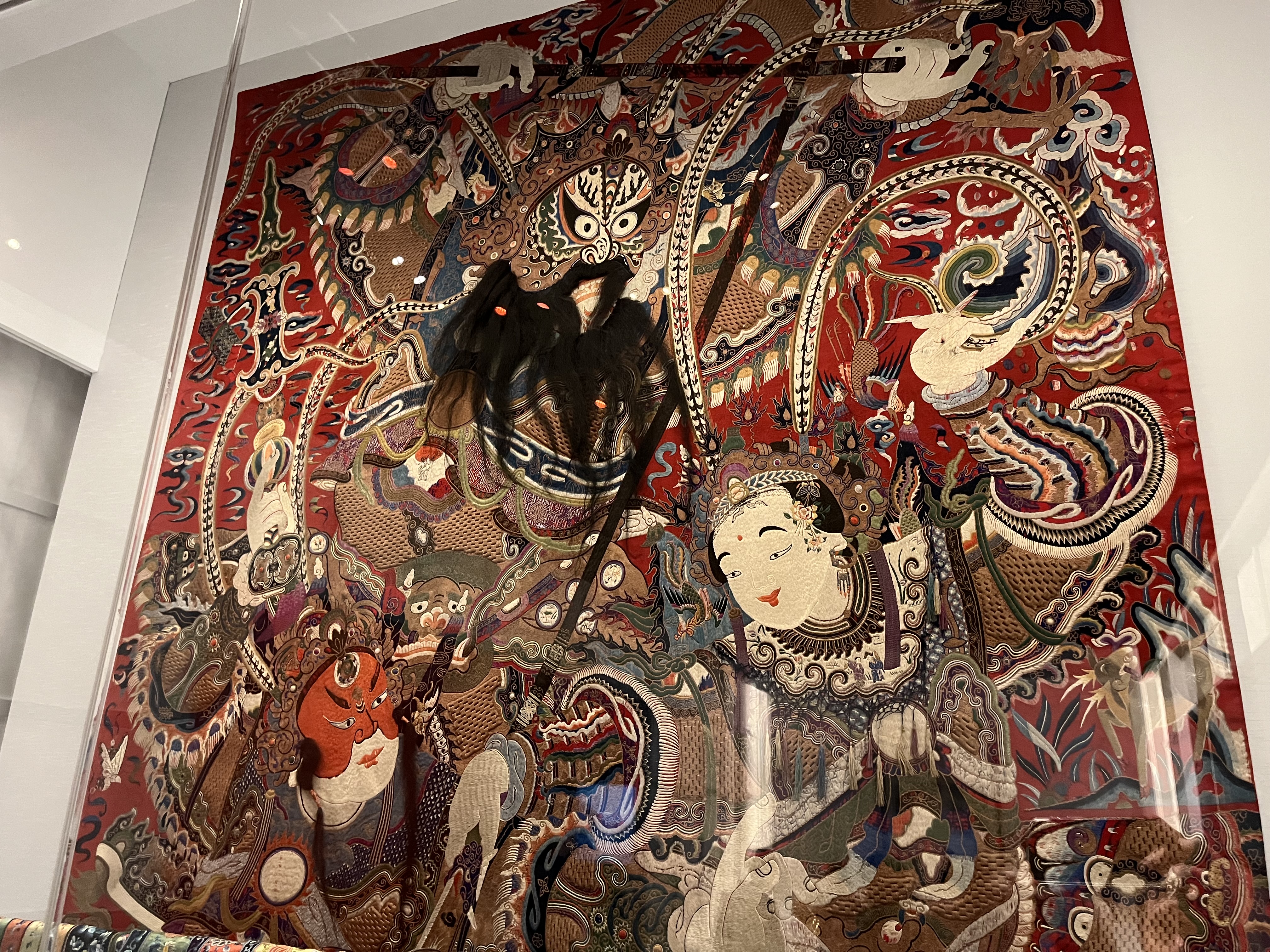
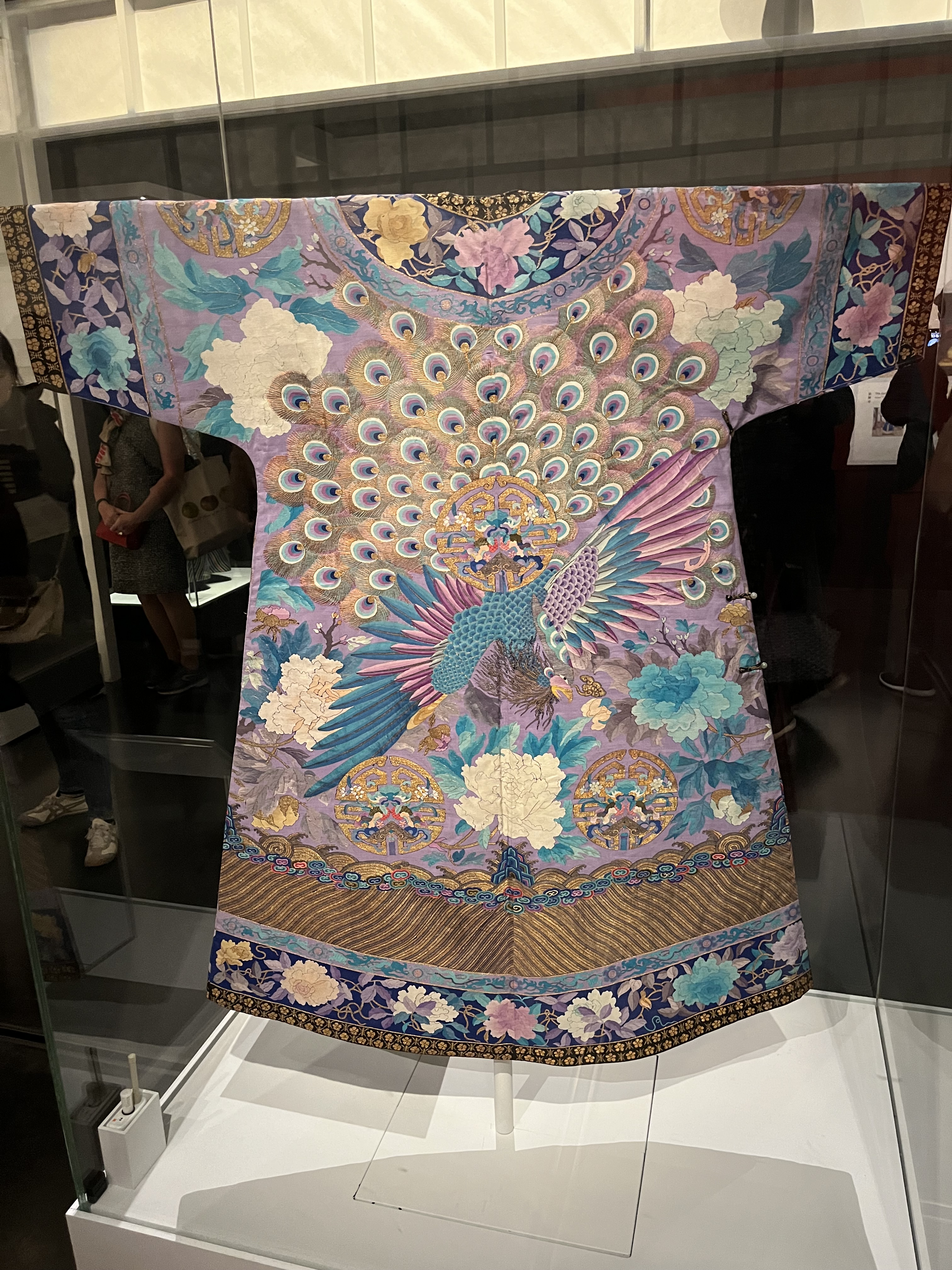
If there’s a single message from the exhibition it might be that Chinese culture remained vibrant and productive, even benefiting from some Western influences. Here are some random items that caught my eye.