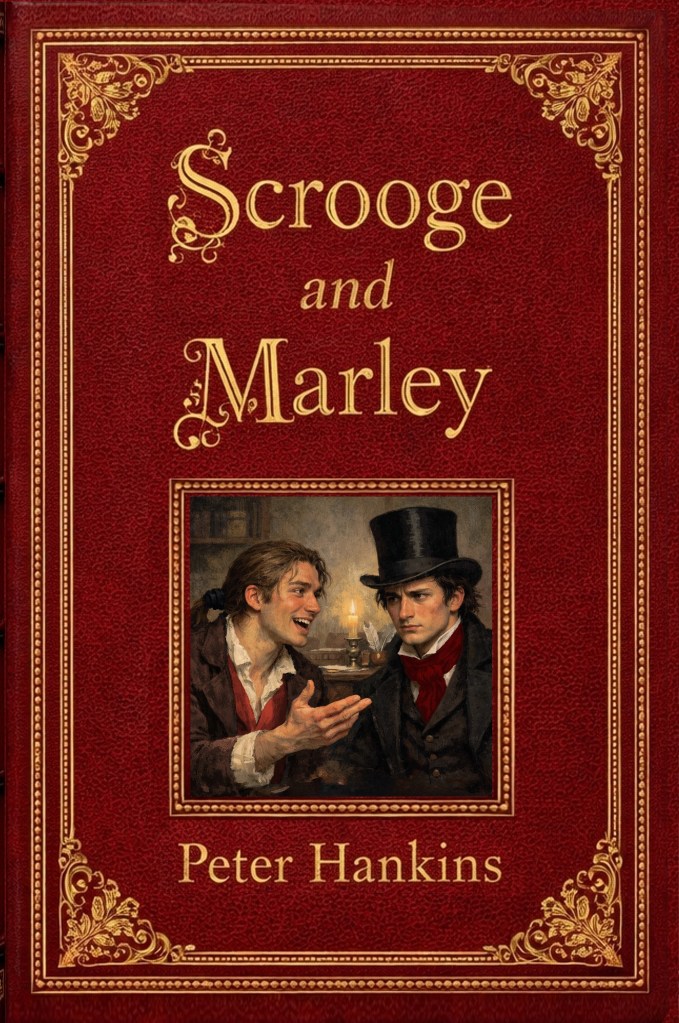
Scrooge and Marley, my self-published prequel to A Christmas Carol is out today!
This is the exciting tale of how the two young men (Marley the lively ideas man and Scrooge the human calculator) cut a swathe across the Victorian City of London in a series of takeovers that lead to a confrontation with corpse-like Sir James Owtright.
Meanwhile Scrooge loses his beloved sister, and his objections to her charitable work begin to drive a wedge between him and his fiancée.
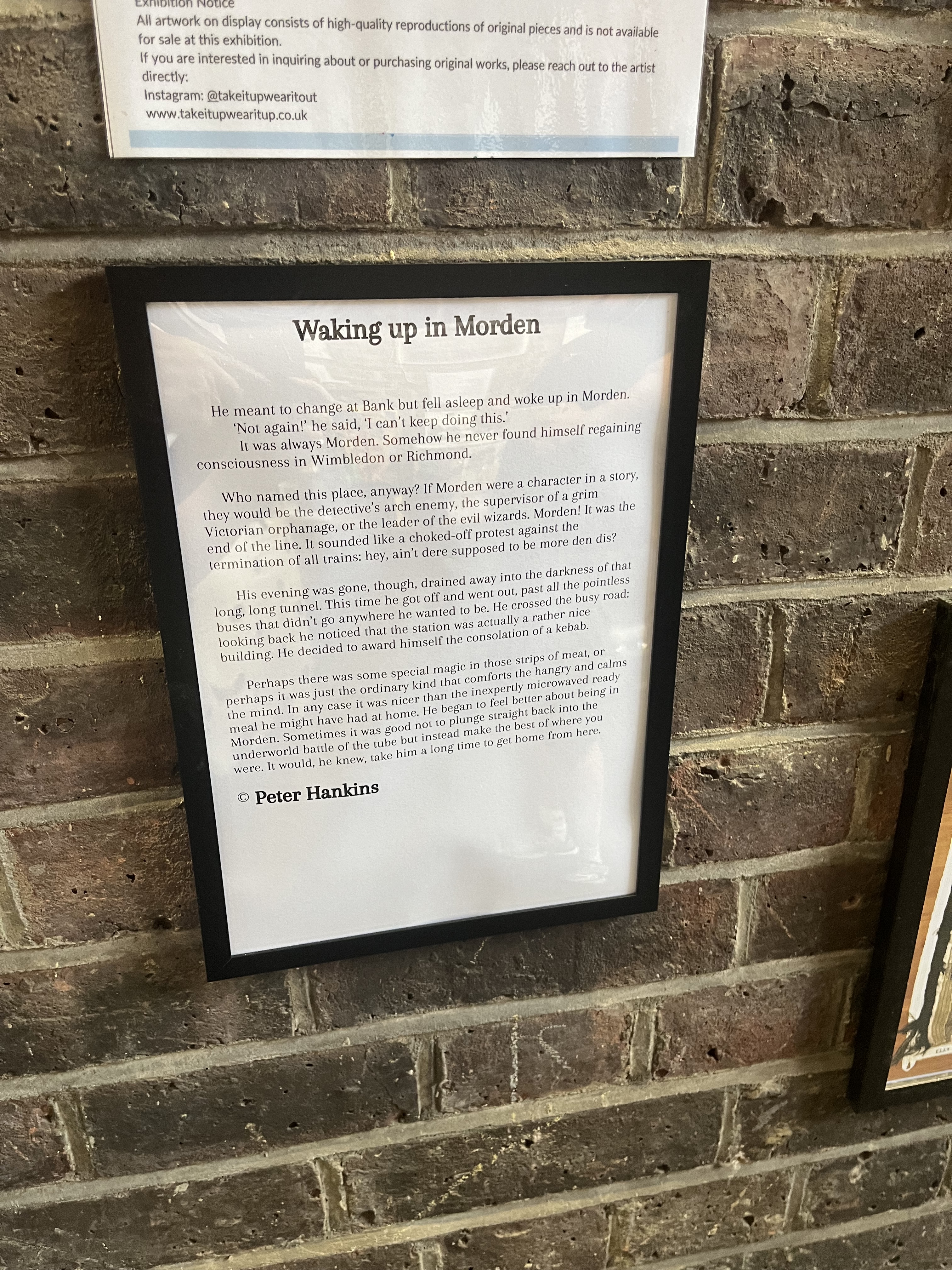
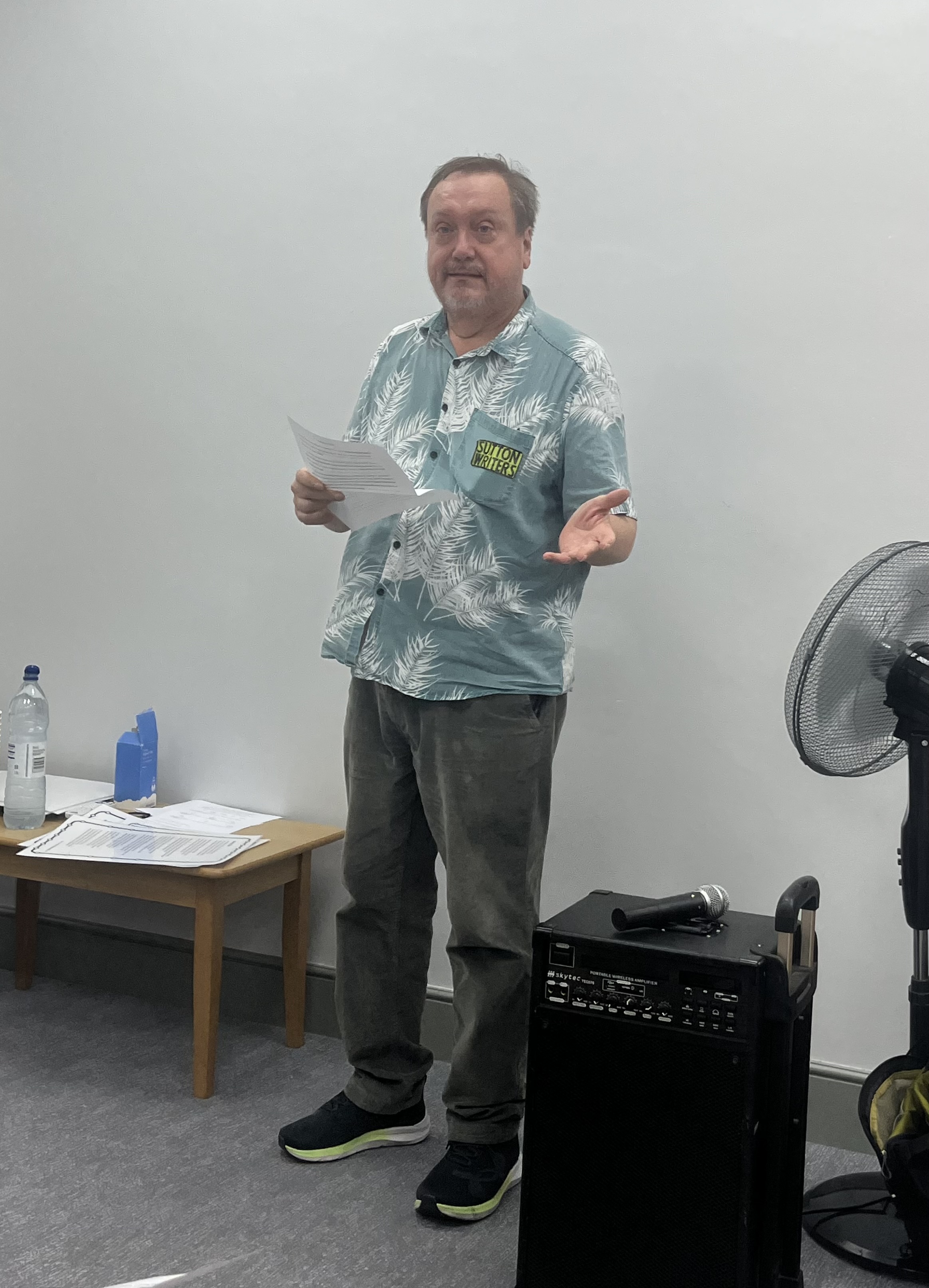
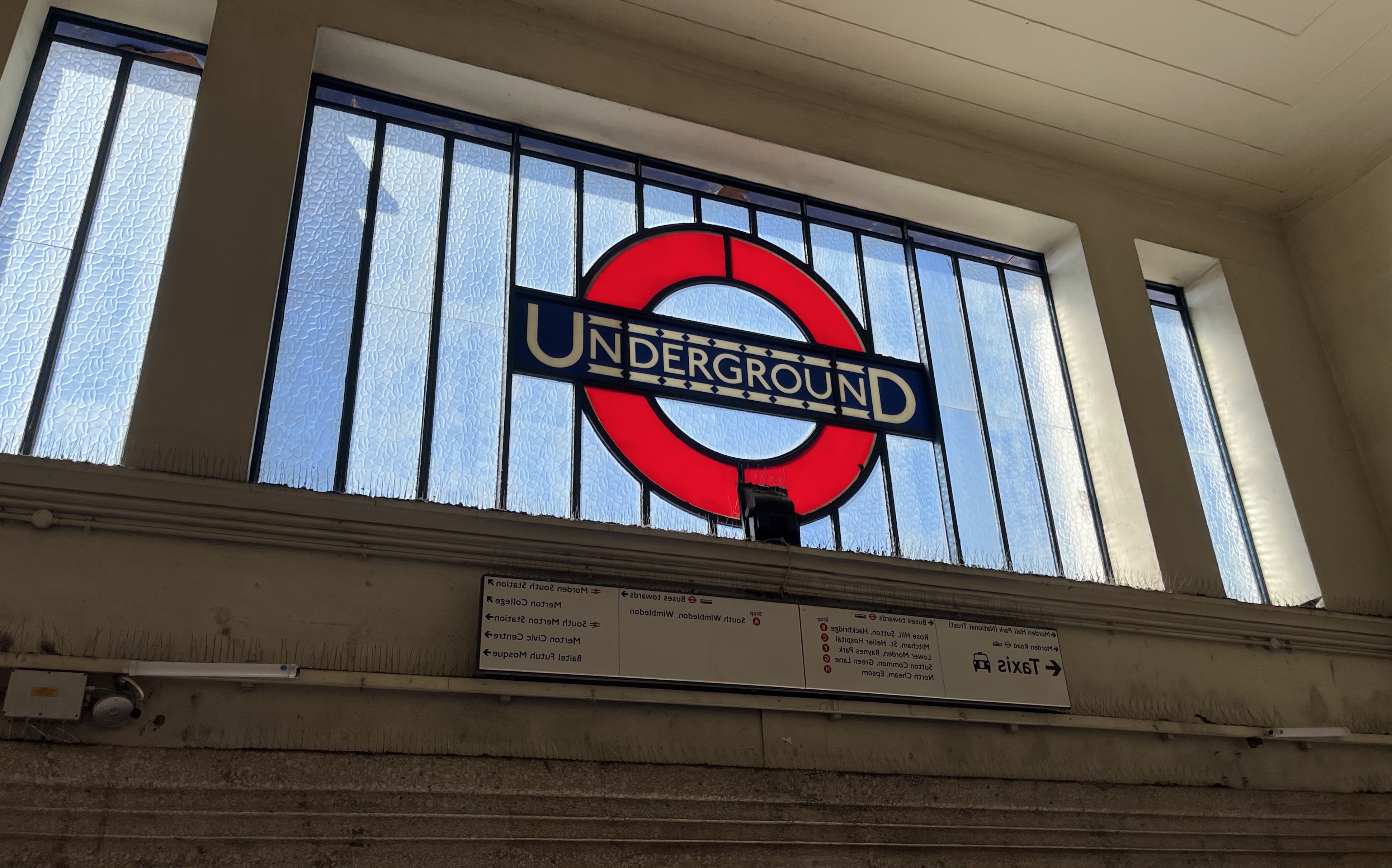
I read my story ‘Waking up in Morden’ as part of Sutton Writers’ contribution to the celebrations of Morden tube station’s 100th birthday. The first part is also included in a frame in the gallery on the station.
It’s not very long, so here’s the whole thing.
Waking up in Morden
He meant to change at Bank but fell asleep and woke up in Morden.
‘Not again!’ he said, ‘I can’t keep doing this.’
It was always Morden. Somehow he never found himself regaining consciousness in Wimbledon or Richmond.
Who named this place, anyway? If Morden were a character in a story, they would be the detective’s arch enemy, the supervisor of a grim Victorian orphanage, or the leader of the evil wizards. Morden! It was the end of the line. It sounded like a choked-off protest against the termination of all trains: hey, ain’t dere supposed to be more den dis?
His evening was gone, though, drained away into the darkness of that long, long tunnel. This time he got off and went out, past all the pointless buses that didn’t go anywhere he wanted to be. He crossed the busy road: looking back he noticed that the station was actually a rather nice building. He decided to award himself the consolation of a kebab.
Perhaps there was some special magic in those strips of meat, or perhaps it was just the ordinary kind that comforts the hangry and calms the mind. In any case it was nicer than the inexpertly microwaved ready meal he might have had at home. He began to feel better about being in Morden. Sometimes it was good not to plunge straight back into the underworld battle of the tube but instead make the best of where you were. It would, he knew, take him a long time to get home from here.
Then the mad thought entered his mind. If you lived in Morden, you’d be home already! Could you, did people, live in Morden? Was that what his subconscious wanted all along, and was that why he kept ending up here? Did it somehow magically know something he didn’t? Was there, for example, could there be, that someone in Morden that Fate wanted him to meet, a person who was part of his destiny? The Lady of Morden. Surely that was a mad idea? No-one came to Morden seeking romance. What was he thinking, and seriously, what did they put in these kebabs?
Everything seemed to have turned on its head. If you lived here or nearby, Morden might be the daylight at the end of the tunnel. The place where ten thousand people every day escaped the clutches of London, raising their eyes and breathing a little more freely. All right, not that freely, but still.
He discovered he actually felt excited about the idea of moving here. It was kind of neat: instead of finding a way to stop falling asleep on the tube, you just moved to Morden. It seemed so obvious he began to wonder whether all the other people around him had been led here by similar reasoning. It really could be glad, confident Morden again. Not so much your final destination as the gateway to the rest of your life.
Finishing the kebab, he went out to look in an estate agent’s window.
That excellent publication the World History Encyclopedia is including my story The Salamander of London in an anthology. The publication date for Dust & Divinity: Ink of Ages Volume Two is 24 September.
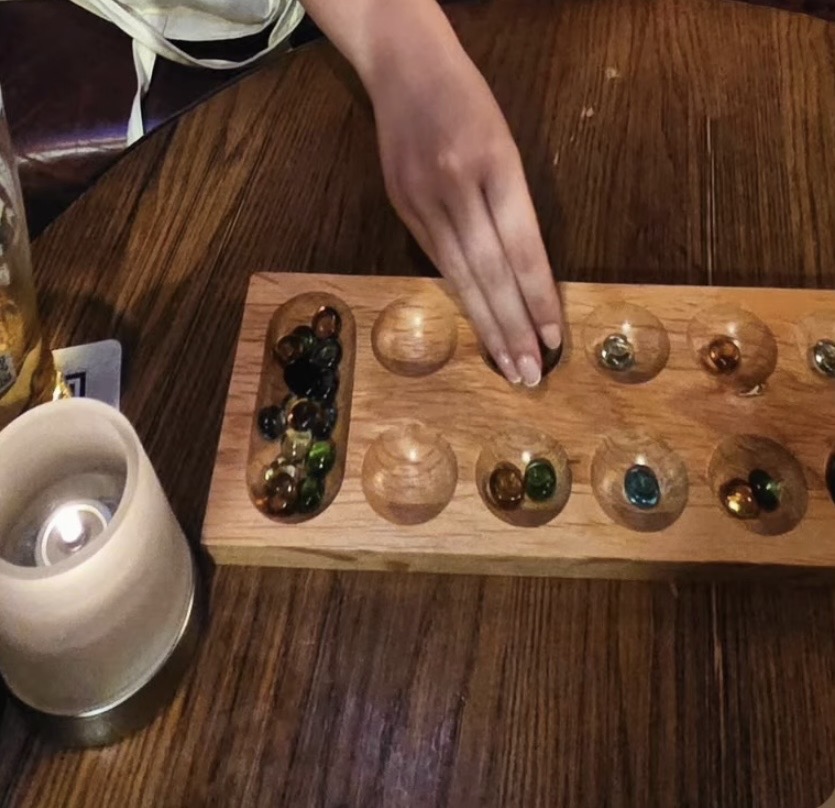
The Sixth WorldNomadGames will take place in Kyrgyzstan from August 31 to September 6, and my daughter Sarah will be representing Great Britain at the game of Mangala. My wife Katharine is going along in support but will not be competing.
The opening ceremony of the games will be held in the capital city of Bishkek, while the main sports competitions and cultural events will be hosted around the Issyk-Kul region (primarily Cholpon-Ata). Participants from around 100 countries are expected, competing in traditional heritage sports.
Competitions include:
Kok-Boru, or Kok-Par, essentially polo with a goat carcass;
Er Enish (horseback wrestling), Alysh (belt wrestling), and Mas-wrestling(stick-pulling contest) as well as tug-of-war, this year played in rounds of 1v1, 5v5 and the standard 8v8. There are also dozens of other forms of wrestling that were invented by, typically only entered by, and always won by the Kazakhs and the Kyrgs.
Heer Shalga, (Breaking of the Vertebral Bone) sounds extremely violent, but it’s really a contest of breaking animal bones by hand.
Then we have the intellectual sports, including Mangala,Oware and Toguz Korgool (originally played with sheep dung). Straddled halfway between the intellectual sports and sports requiring aim is Ordo.
These sports are the highlights of a programme that also celebrates nomadic cultural traditions and scientific achievements, so will be accompanied by musical performances, dramas, talent shows and a museum compromising of dozens of yurts, each hosting exhibitions for unique parts of Central Asias Geography and history.
I have a piece about Anne Boleyn in Pond Life, a Carshalton fanzine, available from logofiasco records. This is linked with the current Carshalton Festival featuring CAOS, in which an impressive number of local artists open up to visitors.
In the zine I’m afraid they got my name slightly wrong, and they changed the title of the piece. But they made up for that by giving it this very nice illustration by Ruth Joyce.