November 2026 Competitions
October 20, 2026

I have once again updated my list of writing competitions…
I have once again updated my list of writing competitions…
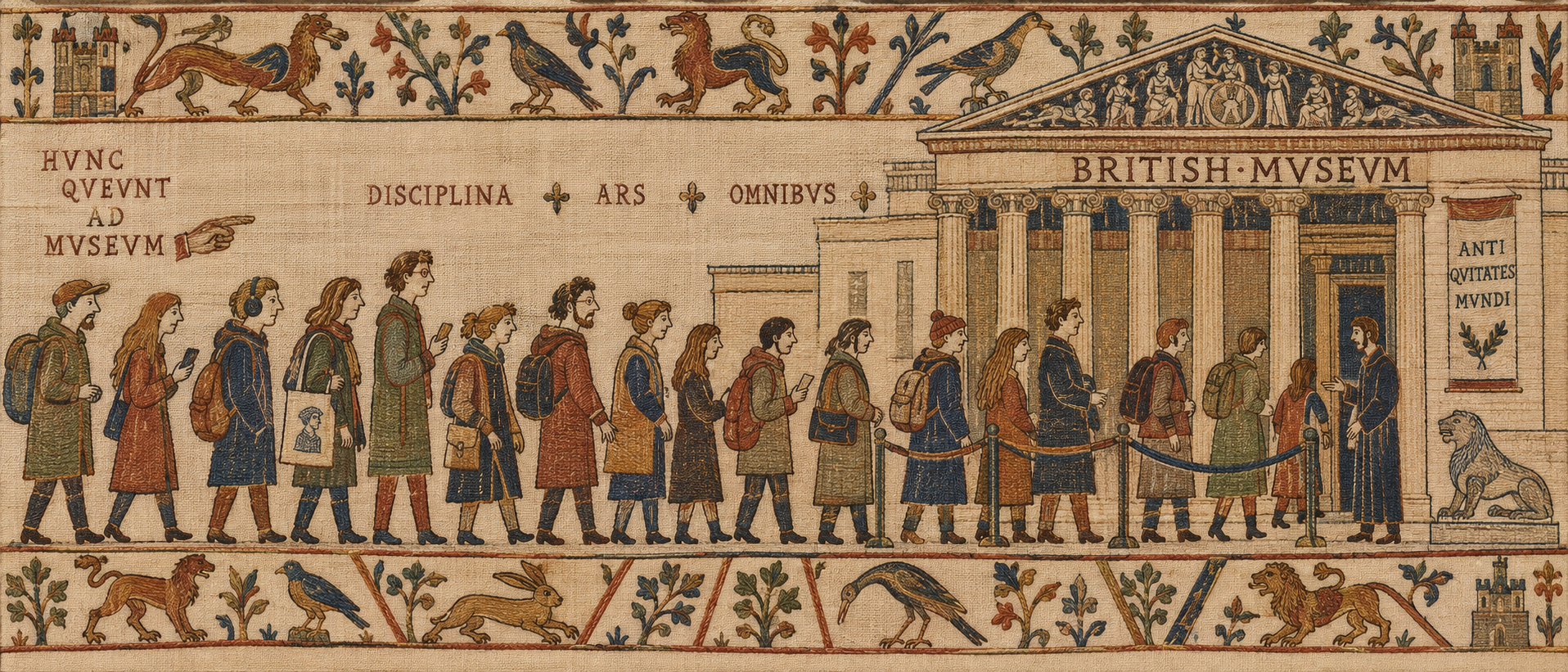
As members at the British Museum, we are entitled to go and see the current exhibition of the Bayeux Tapestry free of charge, but we’ve decided not to.
One key reason is that following foot surgery, Katharine hasn’t got enough mobility. A second is that we have already seen the tapestry, in Bayeux ten years ago. I remember being impressed then by what a sophisticated document it is, with the marginal decorations often commenting on the main action.
But reports of long queues have also helped deter us. Some say the problems have been overstated, but as a fairly regular visitor I don’t think the Museum is very good at this sort of thing at the best of times. I would have thought timed entry should eliminate queues almost completely.
By way of compensation I’ve ordered a copy of the fold-out book that accompanies the exhibition, but apparently there are problems with that, too.
I have updated my list of forthcoming writing competitions…

Here I am reading an excerpt from my story ‘The Sutton Phenomenon’ at the launch of Sutton Writers fortieth anniversary anthology, available on Amazon.
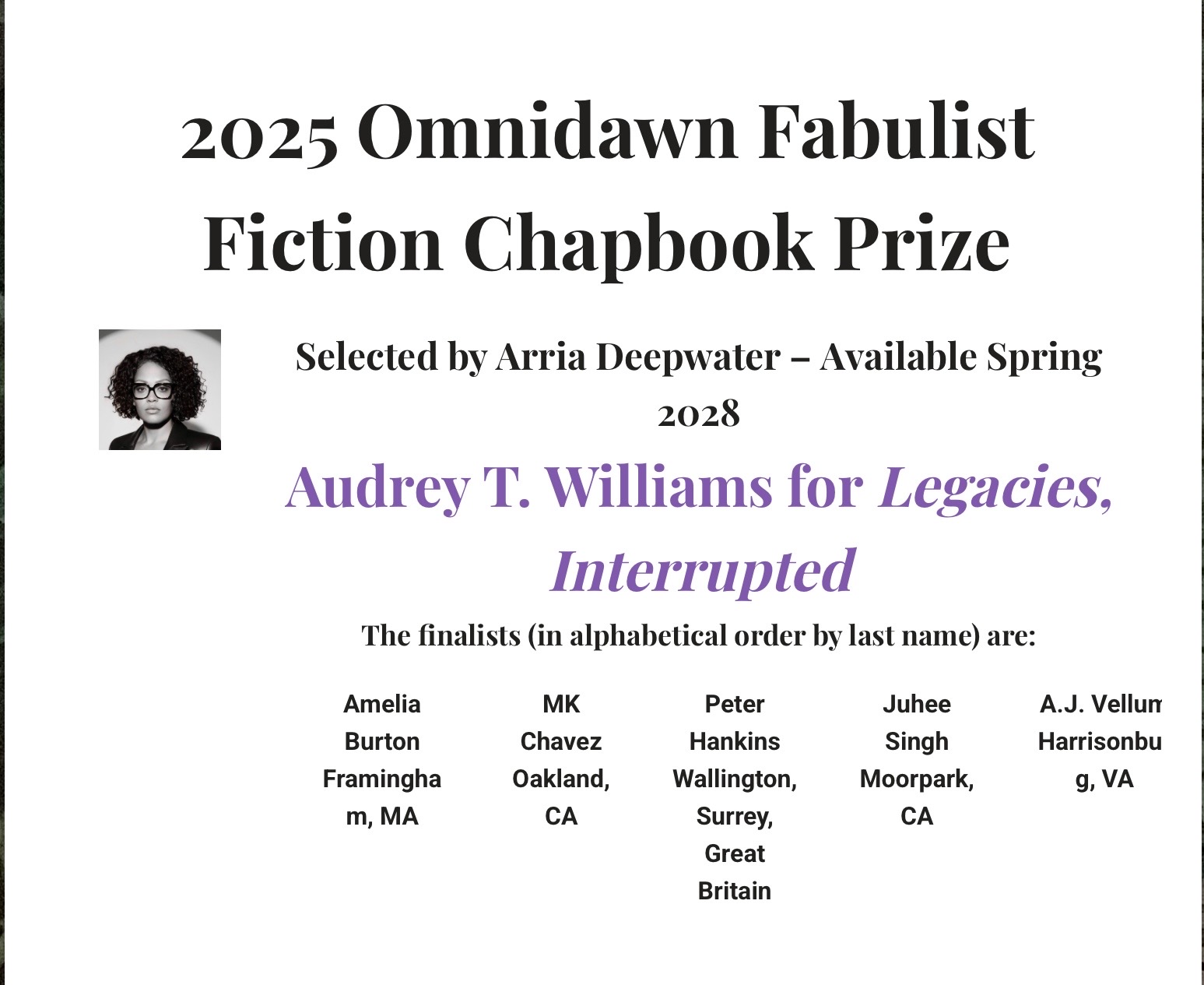
I was one of five finalists in the Omnidawn Fabulist Fiction Chapbook contest, for my collection Folded World. They only publish the winner, but perhaps I’ll self-publish mine? I had a very nice email from the editor in which she singled out for praise the story Romans in Australia, arguably the least fantastic in the collection.

I have once again updated my list of writing competitions to include ones with deadlines next month. Good luck!
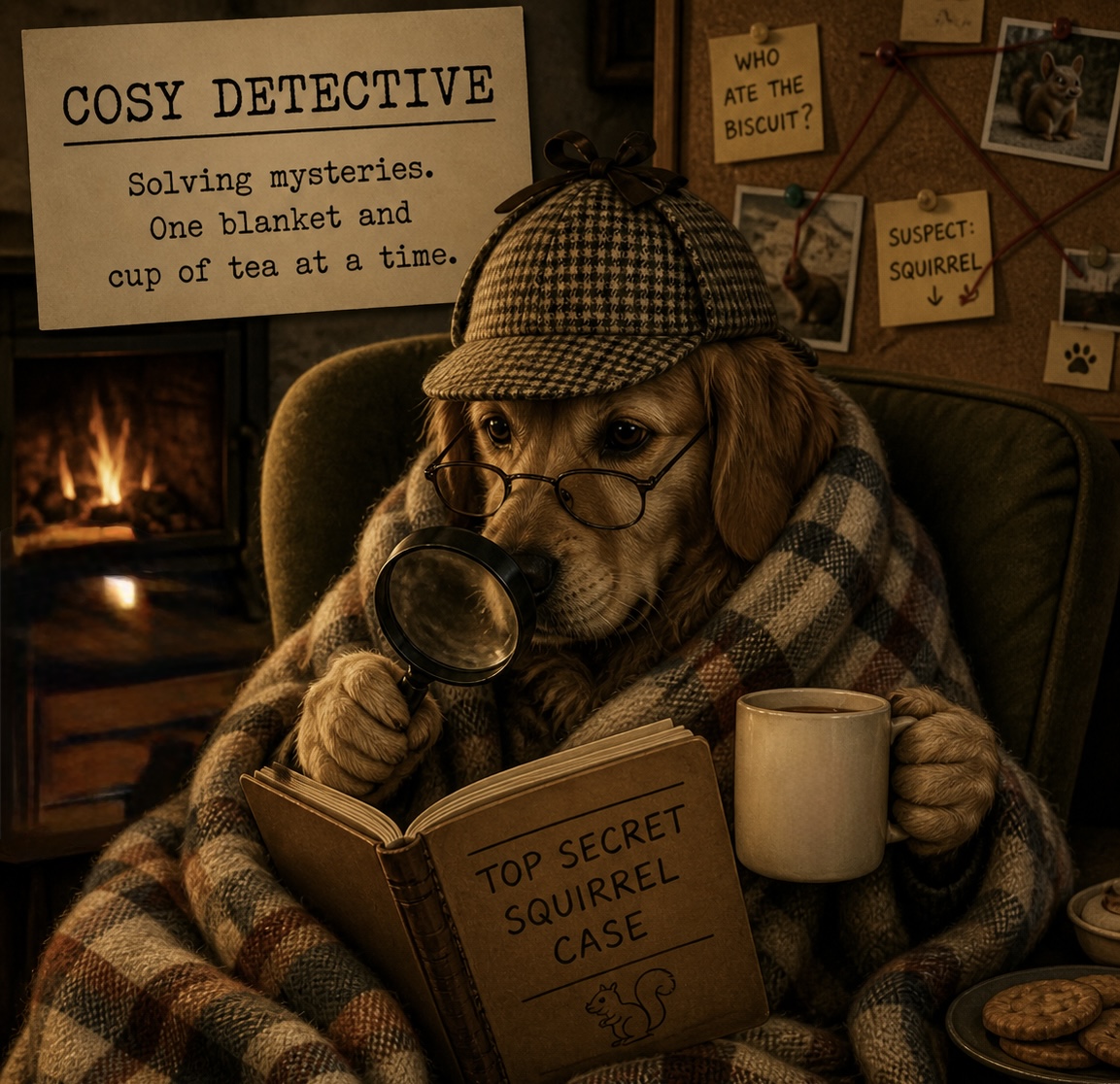
I see that Philippa Perry is publishing a ‘cosy’ murder story. It features a character apparently based on the Rev. Richard Coles, a neighbour and friend and also of course another celebrity who has written cosy murder stories. Perhaps Richard Osman pops round from time to time?
Now I don’t read detective stories. I don’t want to rant about celebrities using their position to stick their elbows in the faces of more deserving writers. All of these people are clever, talented, and genuinely interesting. But they don’t have to struggle to get their fiction published. Couldn’t they use that opportunity to do something just slightly more ambitious than cosy village murders? Apparently not: it seems they still want to avoid even the most minimal literary risk. Shall we draw on our intelligence and complex life experiences to craft a novel with insight, originality and flair? No, no: what if it flopped? Let’s stay cosy. I suppose we should perhaps be grateful they didn’t all produce more godawful celebrity children’s books.
Really, guys, raise your game, as you are surely capable of doing.

I have updated my list of writing competitions to include ones with deadlines next month. There are some interesting ones this time. Good luck!
This report in the Guardian suggests that the Plaza Prizes has closed down in chaos, with judges and prize-winners unpaid. I have occasionally featured these contests in my lists in recent years, most recently in July 2025 which seems to be when the problems arose. The competitions seemed reputable – I hope none of my visitors been affected by all this, and if so, I’m sorry.