September 2023 Competitions

Here’s my regular look at writing competitions I might enter during the coming month – some interesting ones this time.

  • First, we have one of the most prestigious competitions in the calendar, from Manchester. Up to 2,500 words, £18 to enter and a top prize of £10,000. The deadline is 1 September, so I hope you’ve got something nearly ready.
  • Also among the early ones is On the Premises magazine, which wants stories of 1-5,000 words by 1 September. It’s free to enter and first prize is $250. Stories must be inspired by a picture on the site (of closely packed trees).
  • Also with a deadline of 1 September, is the strange Owl Canyon Hackathon. Teams of two writers collaborate, each given a different final paragraph; they take it in turns to write the preceding 49 paragraphs, trying to steer events towards their own conclusion. The two stories are then split off and judged separately. I think that’s how it works. There may not be enough time to get organised, but the good news is it’s free to enter, with a $2,000 top prize
  • Terrain wants stories up to 5,000 words: entry is $20, the top prize $1,000, and the deadline is 4 September.
  • Juxtaprose wants stories up to 10,000 words: entry is $15, first prize $1,000, and the deadline is 6 September.
  • Publication is the only prize for Horror and Ghost stories of up to 5,000 words, but entry is free The deadline is 10 September.
  • Ovacome wants stories up to 1,500 words:entry is £8 and the prize £250. The contest supports an ovarian cancer charity, but stories need not be related to that. The deadline is 15th.
  • The Silver Apples Redemption prize is for stories rejected by other competitions or publishers. 1,500 to 4,00 words, £10 entry and a prize of £200 – the deadline is 15 September.
  • The Green Stories Project wants stories on the theme of ‘microbes’, highlighting the benefits of Environmental Biotechnology (you may want to watch their video). Stories should be 1000-3000 words and they also want two hundred words explaining the thinking behind the story. It’s free to enter and the prize is £500: enter by 21 September.
  • The annual contest in memory of Dinesh Allirajah is on the theme ‘The Uncanny’ this year. It’s free, the top prize is £500 and length must be 2-7,500 words. The competition closes on 22 September.

All the rest have a deadline of 30 September.

  • SaveAs want stories up to 3,500 words on the theme ‘All In the Mind’. Entry is £4 and the prize £200
  • The annual Hammond House competition is back, with the theme ‘Fate’. Entry is £10, top prize £1,000 and the word count should be between 1,000 and 5,000.
  • Crowvus would like a Christmas ghost story in the good old tradition. Up to 4,000 words, just £3 to enter, and a prize of £100.
  • Then we have Henshaw Press (now run by Hobeck Books) with their regular competition. 2,000 words, £6 to enter, and £200 prize.
  • Galley Beggar Press want up to 6,000 words. It’s $10 to enter and you could win $2,500
  • The Iowa  and John Simmons contest, for collections of stories of at least 150 pages, offers no prize except publication, but is free to enter.
  • Finally, Quagmire magazine’s second competition offers a prize of $350 CAD for stories between 1,000 and 5,000 words on the theme ‘Meaning, Purpose, Existentialism, Absurdism’. Entry is $10 CAD

Good luck if you enter any of these, and do let me know if you get anywhere!

After Impressionism

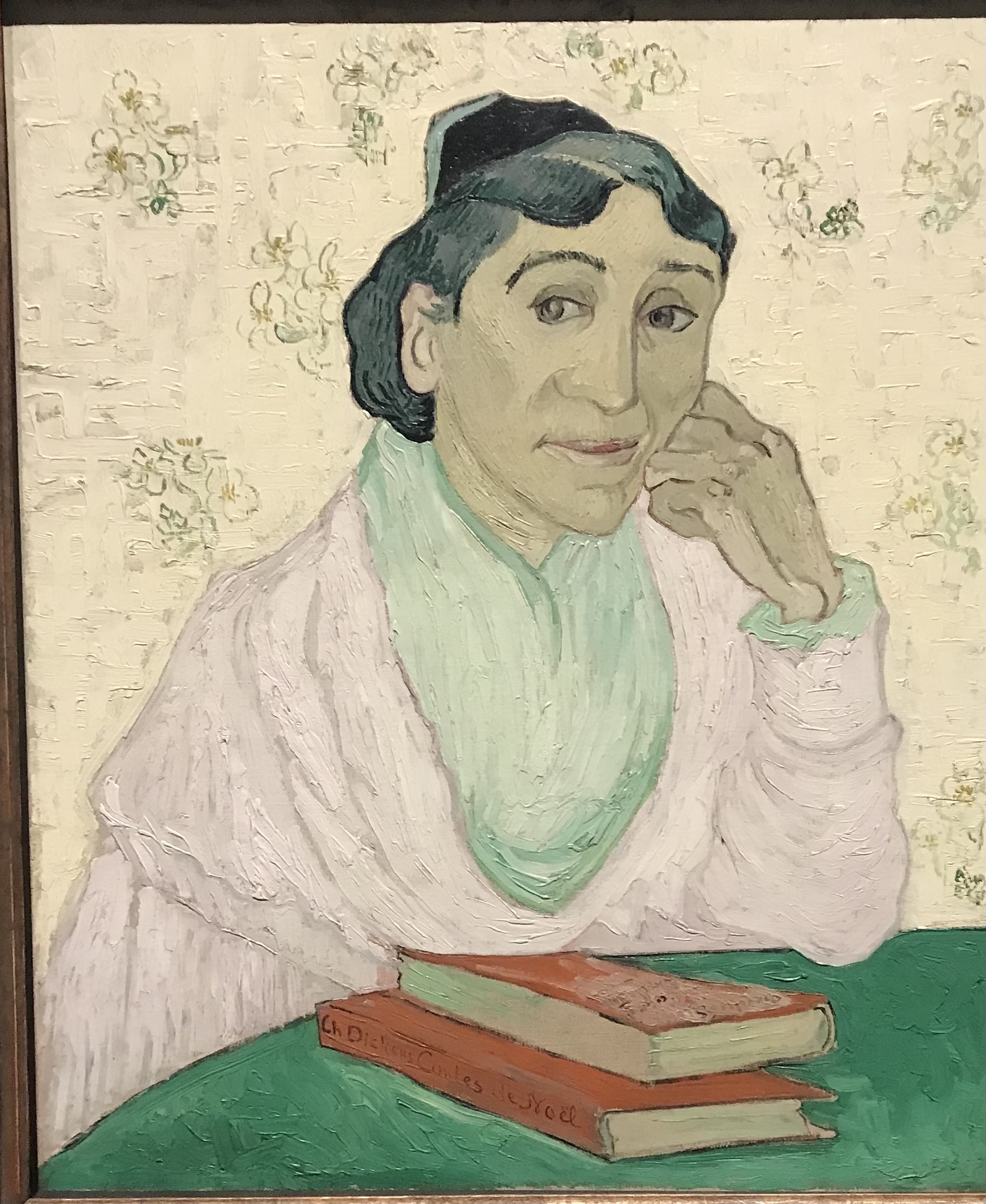
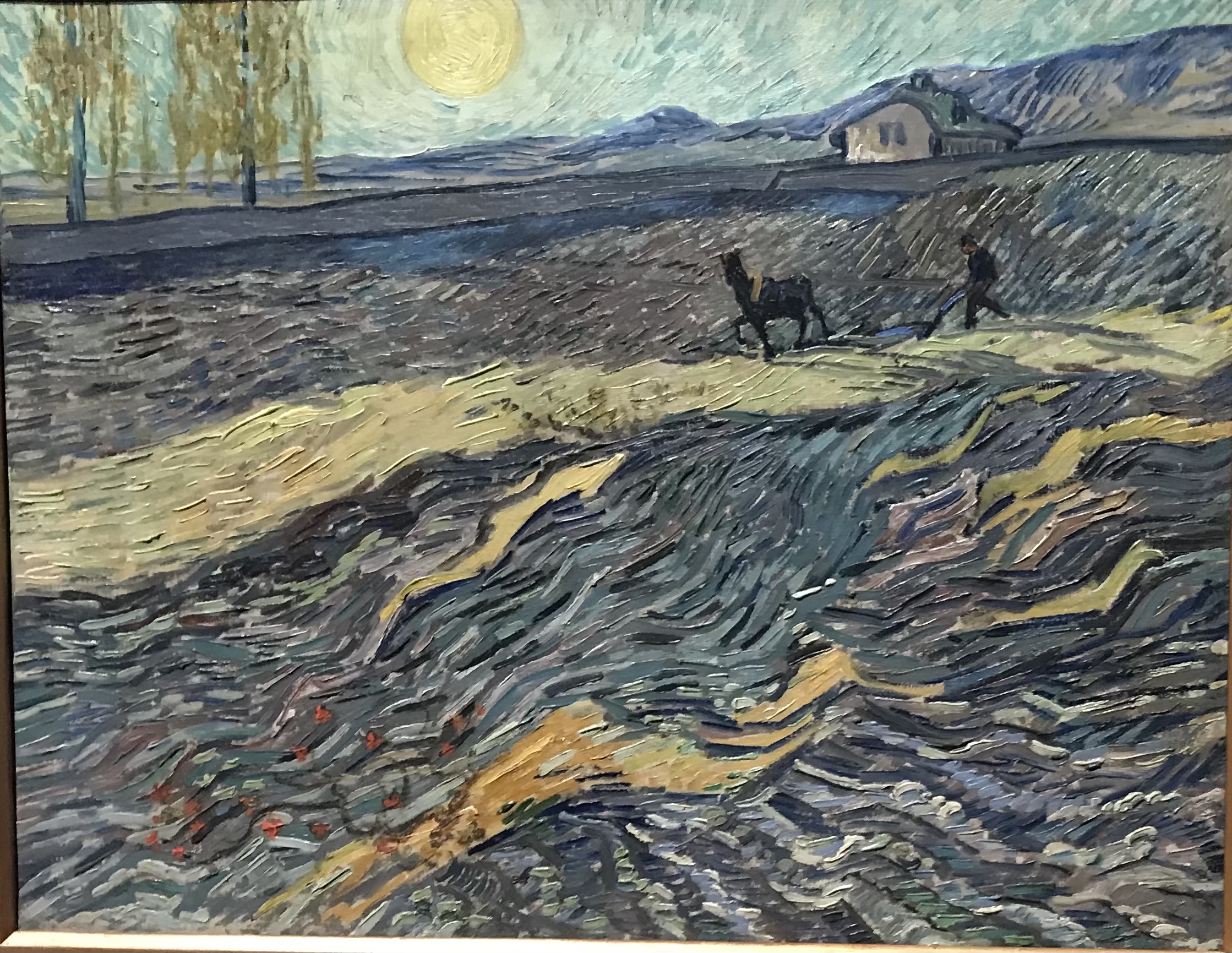
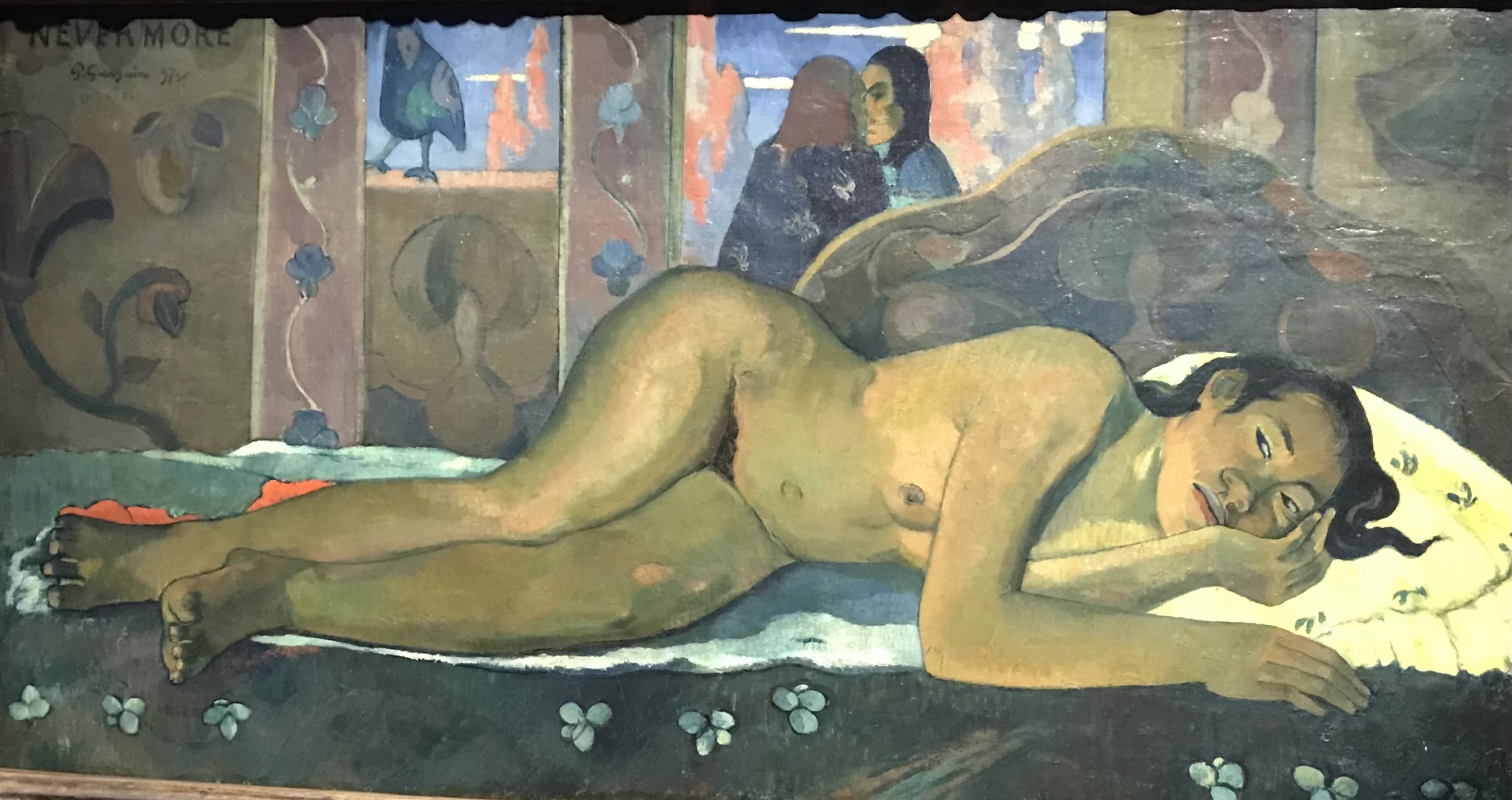
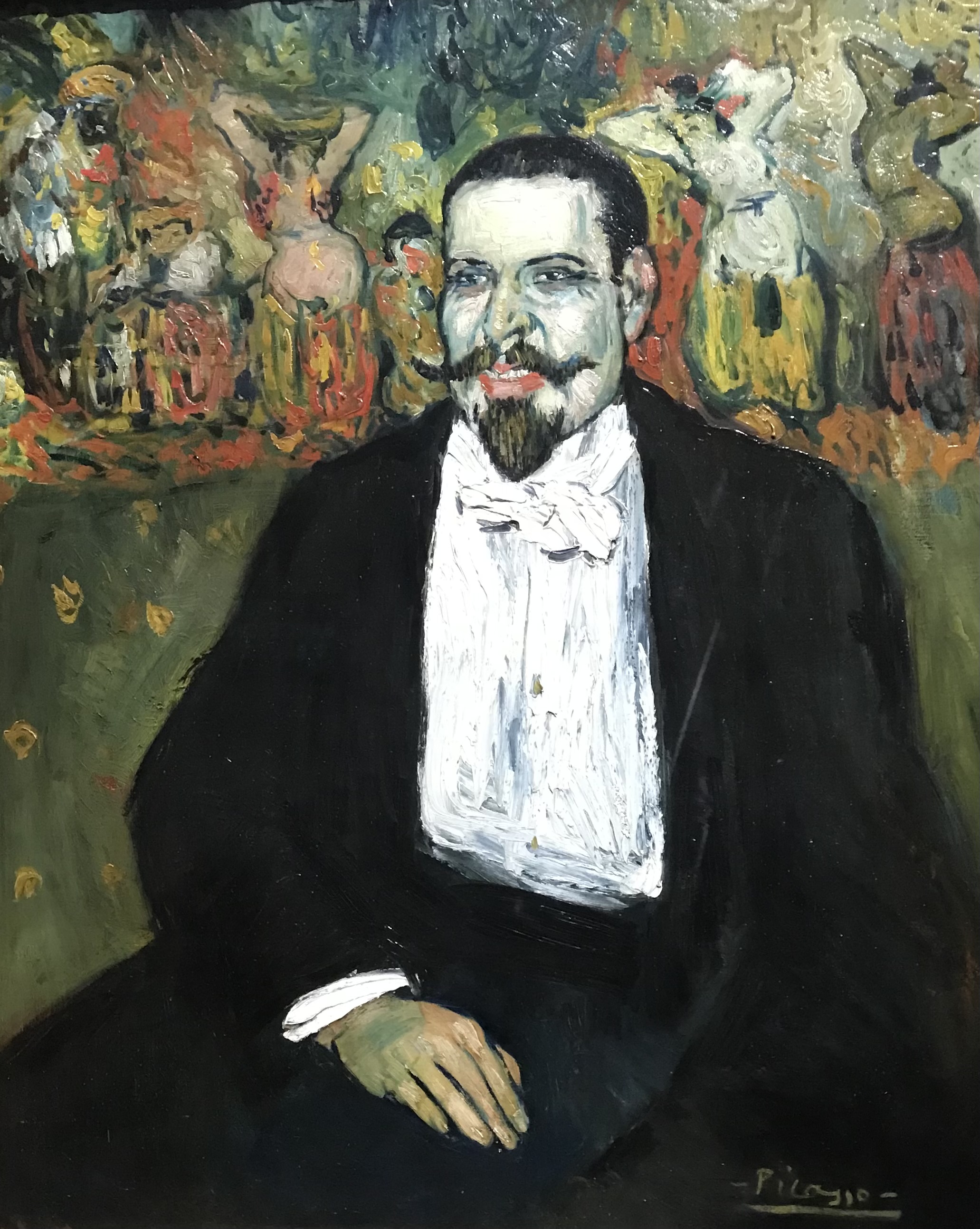
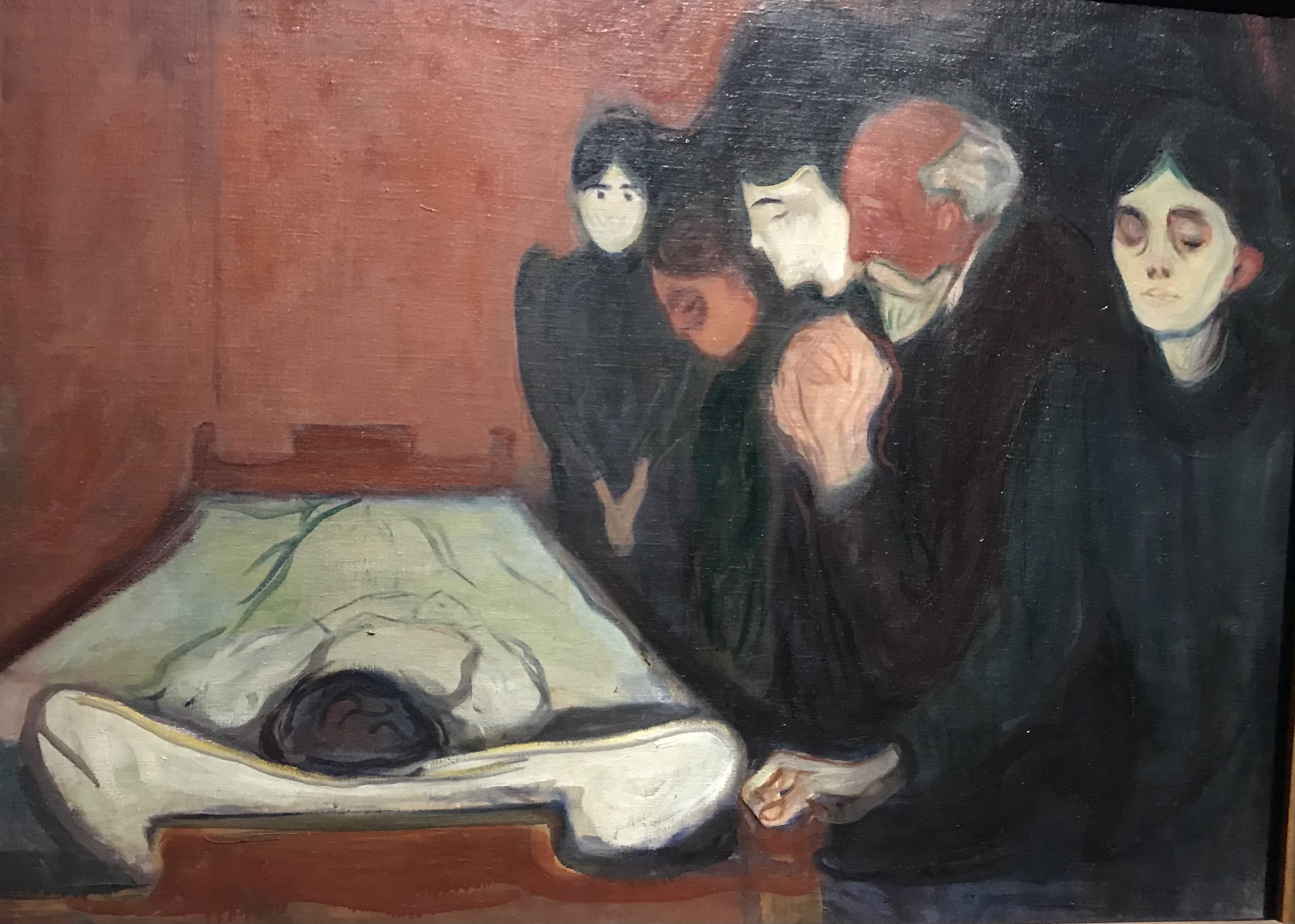
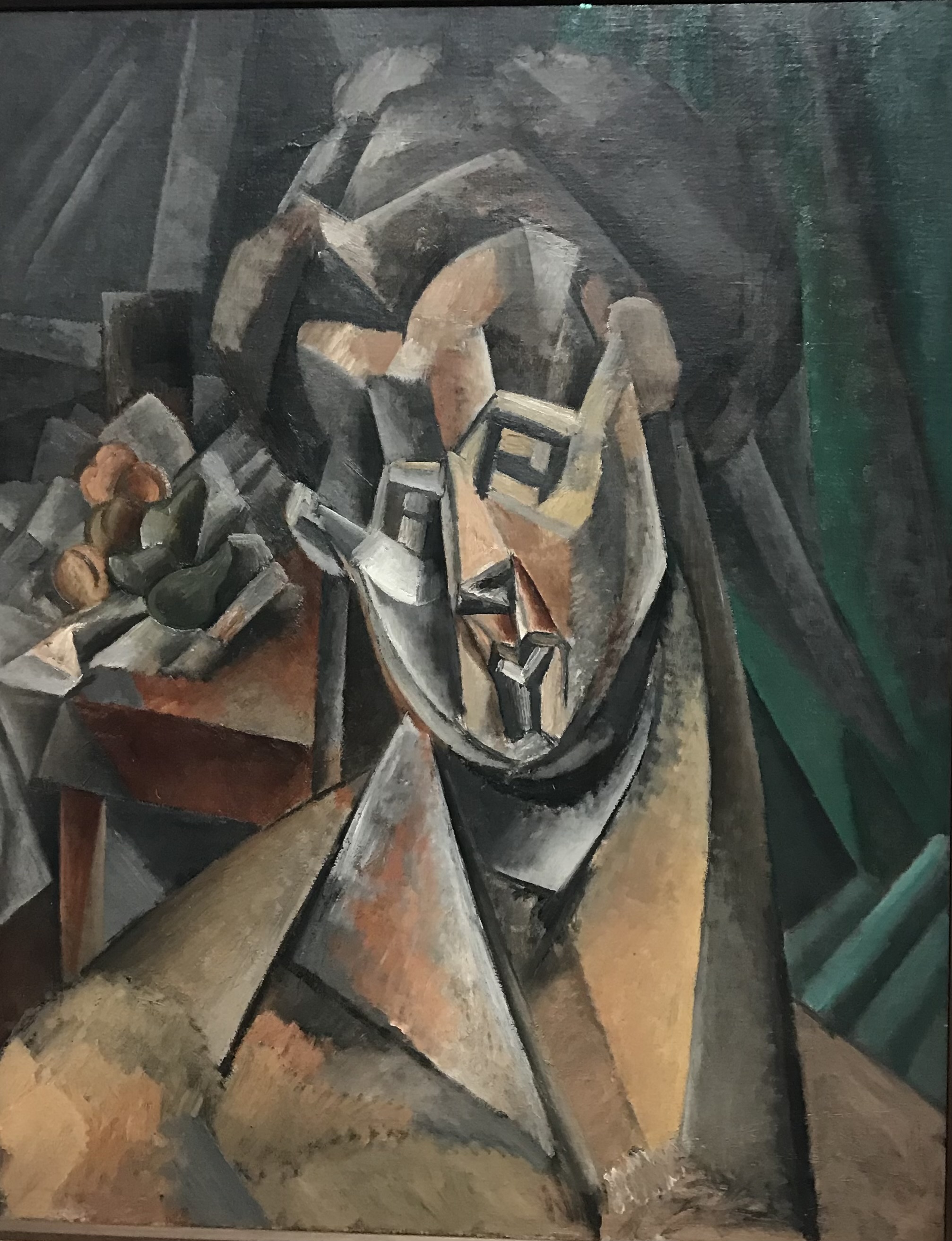
At the National Gallery, an exhibition that re-examines the innovative period that followed Impressionism, in both sculpture and painting. The focus is on the influence of three artists: Cezanne, Gauguin, and Van Gogh. Putting it simplistically there’s a suggestion that Cubism flowed from Cezanne’s work, Fauvism from Gauguin, and German Expressionism from Van Gogh.

Though it’s an enlightening framework, things are obviously more complex than that. To my untutored eye it all looks like a general explosion of originality, drawing on many influences as well as brand new thinking.

The exhibition, full of great stuff, is notably strong on pointillism, reminding us it isn’t just Seurat and Signac. I was also surprised yet again by more evidence of Picasso’s ability to produce brilliant work in every style, including of course, some that he helped invent.

St Francis at the National Gallery

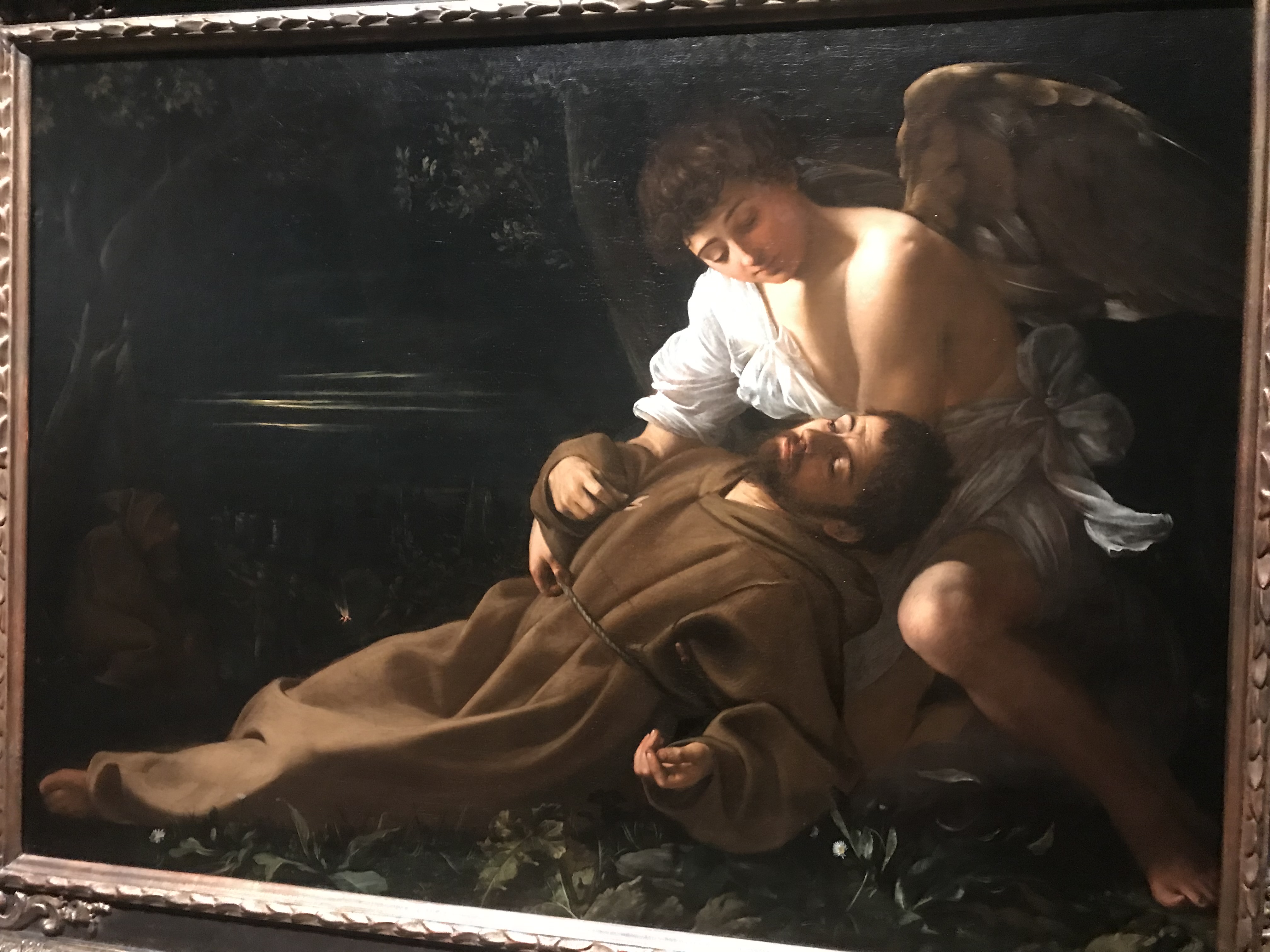
This free exhibition features works by outstanding artists from many centuries, from a puzzlingly conservative Botticelli through Caravaggio, El Greco and Spencer to Zurbaran, taking in the Marvel comic Francis, Brother of the Universe. The notes gently mock the comic’s version of how St Francis received the stigmata through laser beams, but really it is no more dramatic than several paintings of the same crucial event, or Brother Leo’s actual first-hand account of a six-winged seraph.

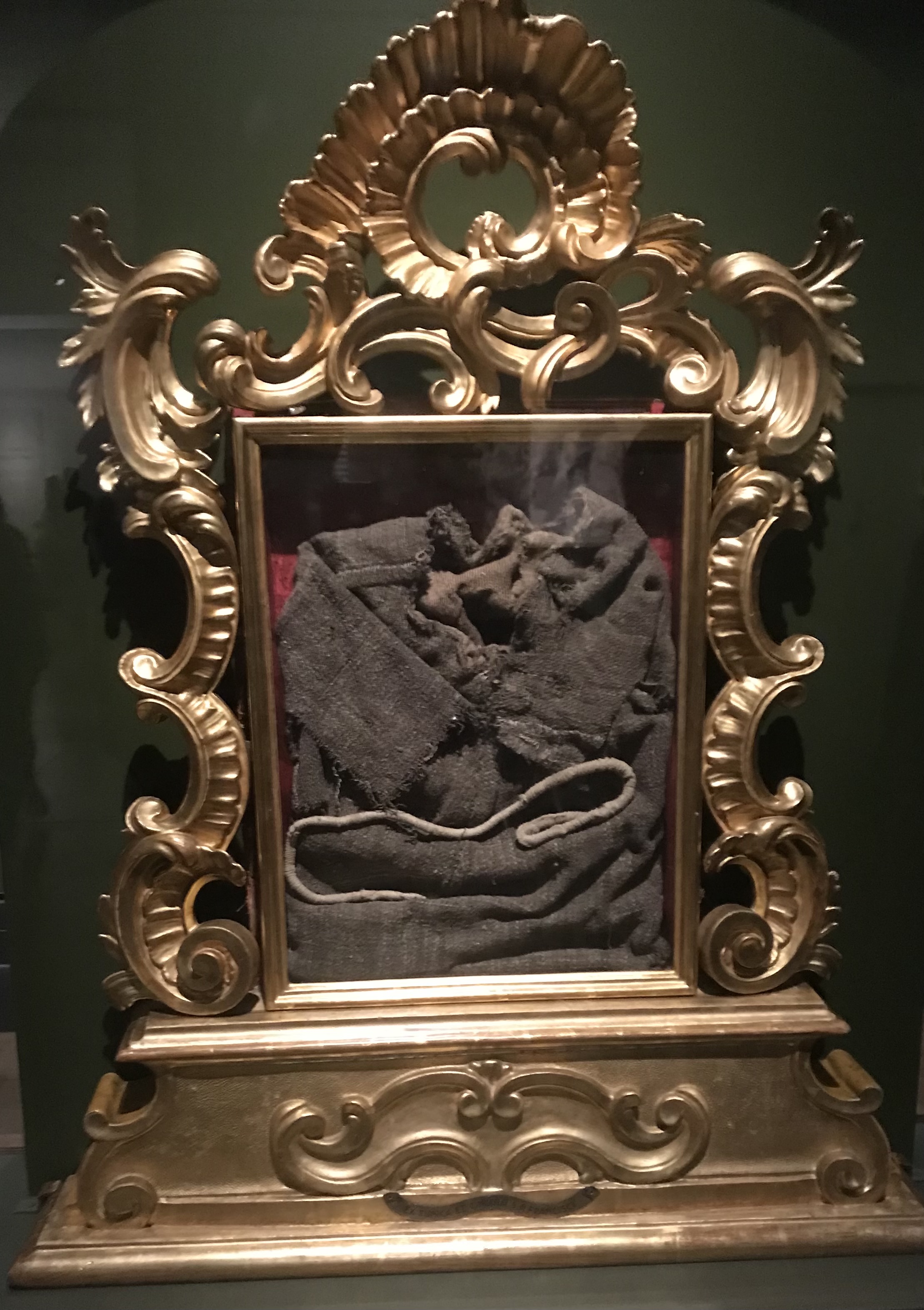
The exhibition also features one of Francis’s own habits, presented in a golden frame. I suppose there is a suggestion that the habit can also be viewed as art, and indeed the exhibition offers a modern work using sacking. However, the habit also emphasises Francis’s historicity. Some of his feats (taming a wolf, walking through fire) resemble those attributed to older saints who are legendary bordering on mythical, but Francis is indisputably a real man. That raises the question of whether an exhibition organised around a theme tells us about the art or just about attitudes to the subject.

I suppose the message might ultimately be that artists use a theme to illuminate the concerns that mean most to them and their audience – Stanley Spencer using his own (strangely rotund) father to represent the saint. But whatever the rationale, it’s a great chance to see some fantastic paintings.

Dying Teddies

My story ‘Dying Teddy Bears’ ultimately got sixth place in the literary category of the Writer’s Digest competition. Writer’s Digest gives a generous number of prizes, so I’m getting a $25 voucher and a year’s free subscription. This bumps my sagging average back up to the historic level of one story recognised for every eight entered, so that’s encouraging.

Hilma af Klint and Mondrian

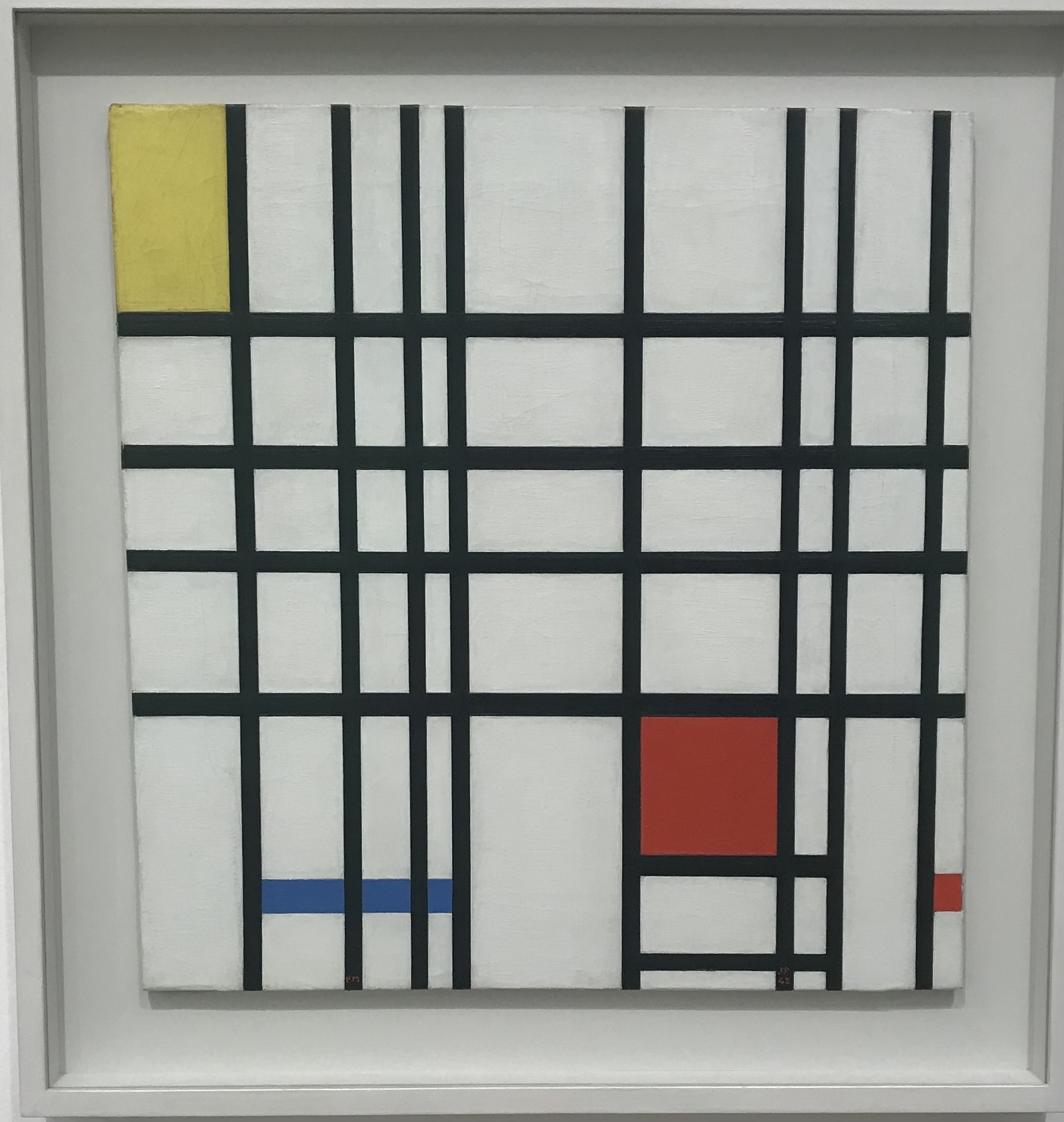
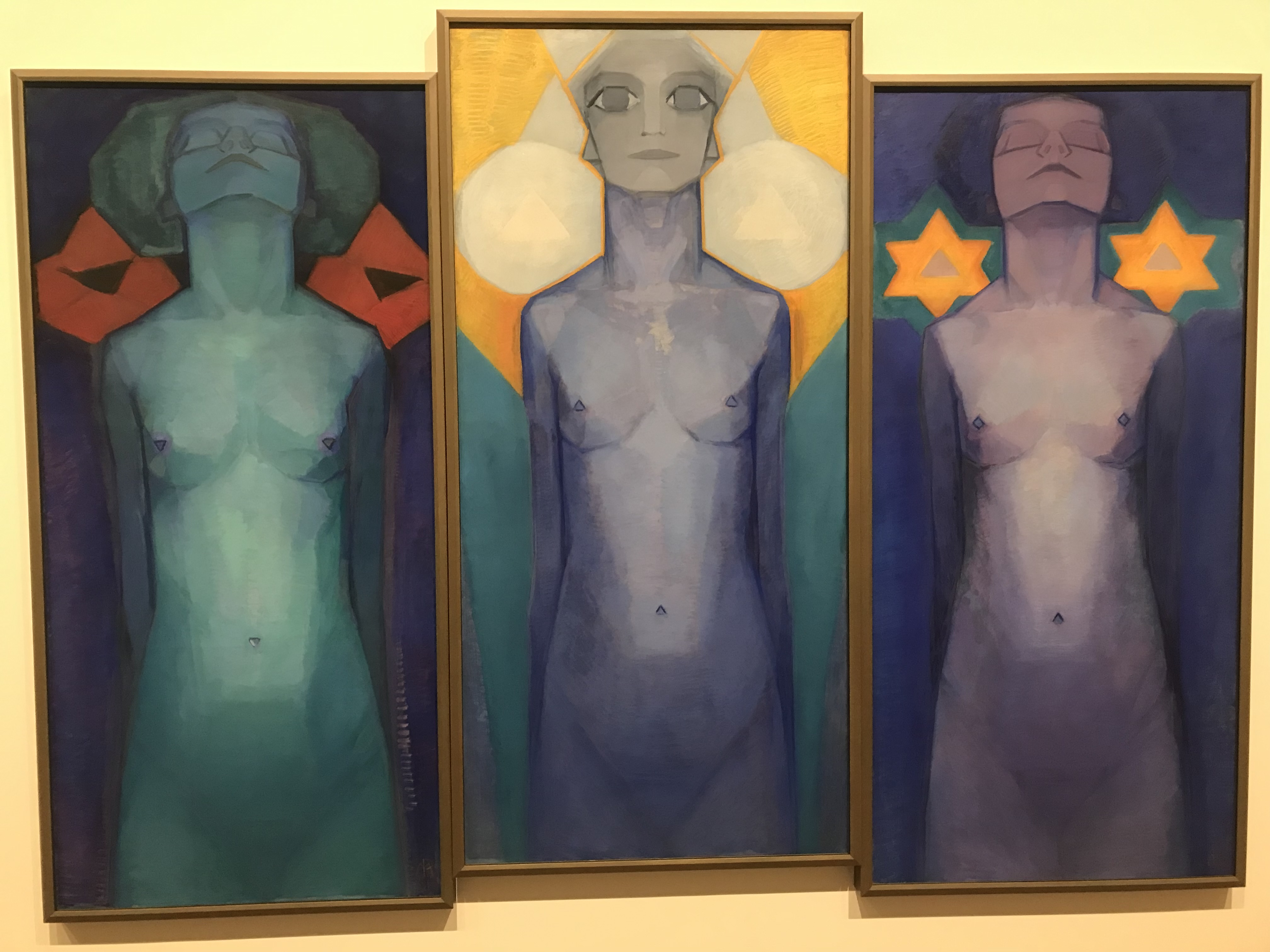
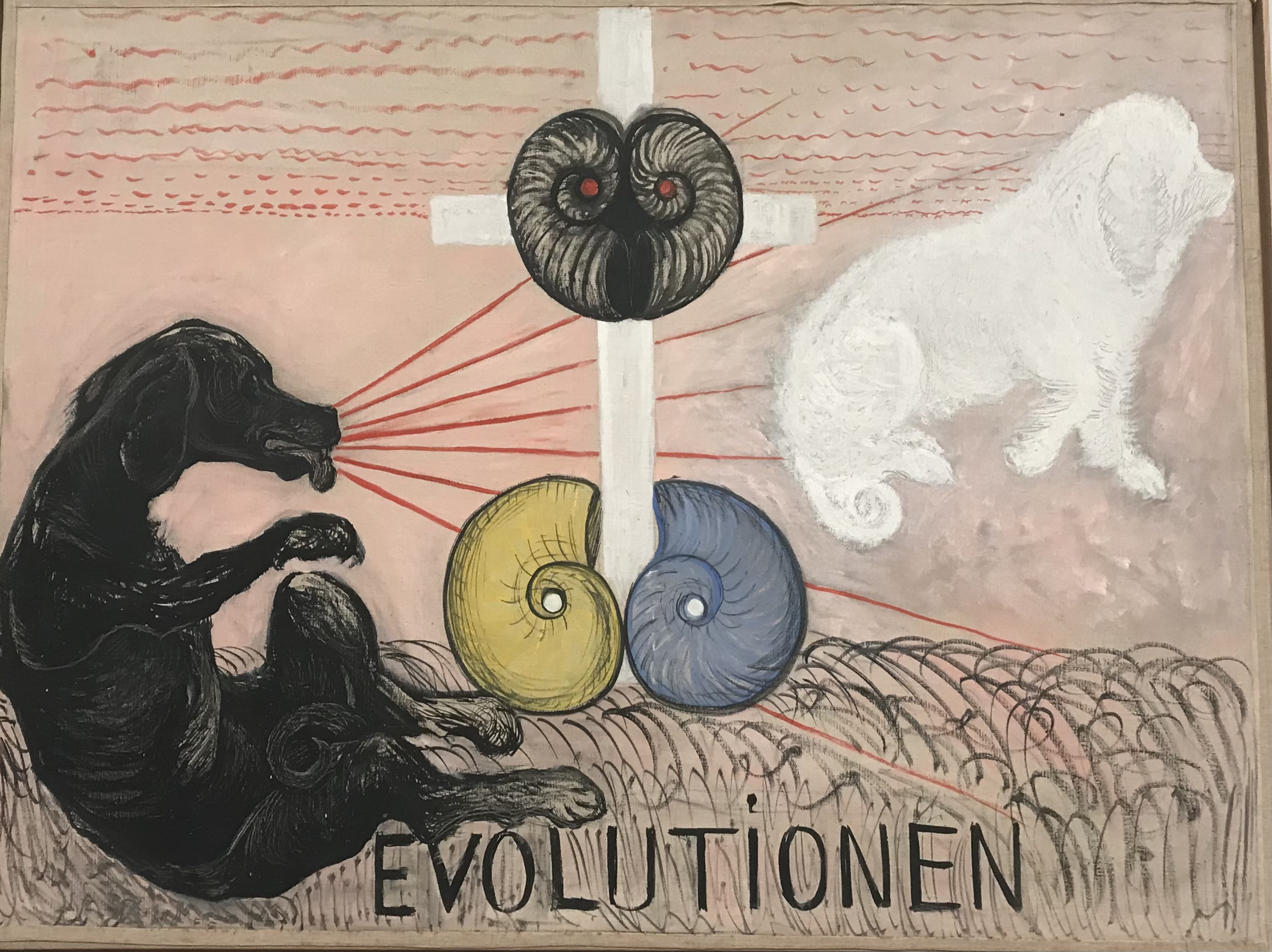
This exhibition, at Tate Modern, is a curious pairing. The Tate says both artists started from nature and developed a new abstract language: but they never met and did not influence each other, and their motives seem very different. They both used coloured squares sometimes, but that’s about it.

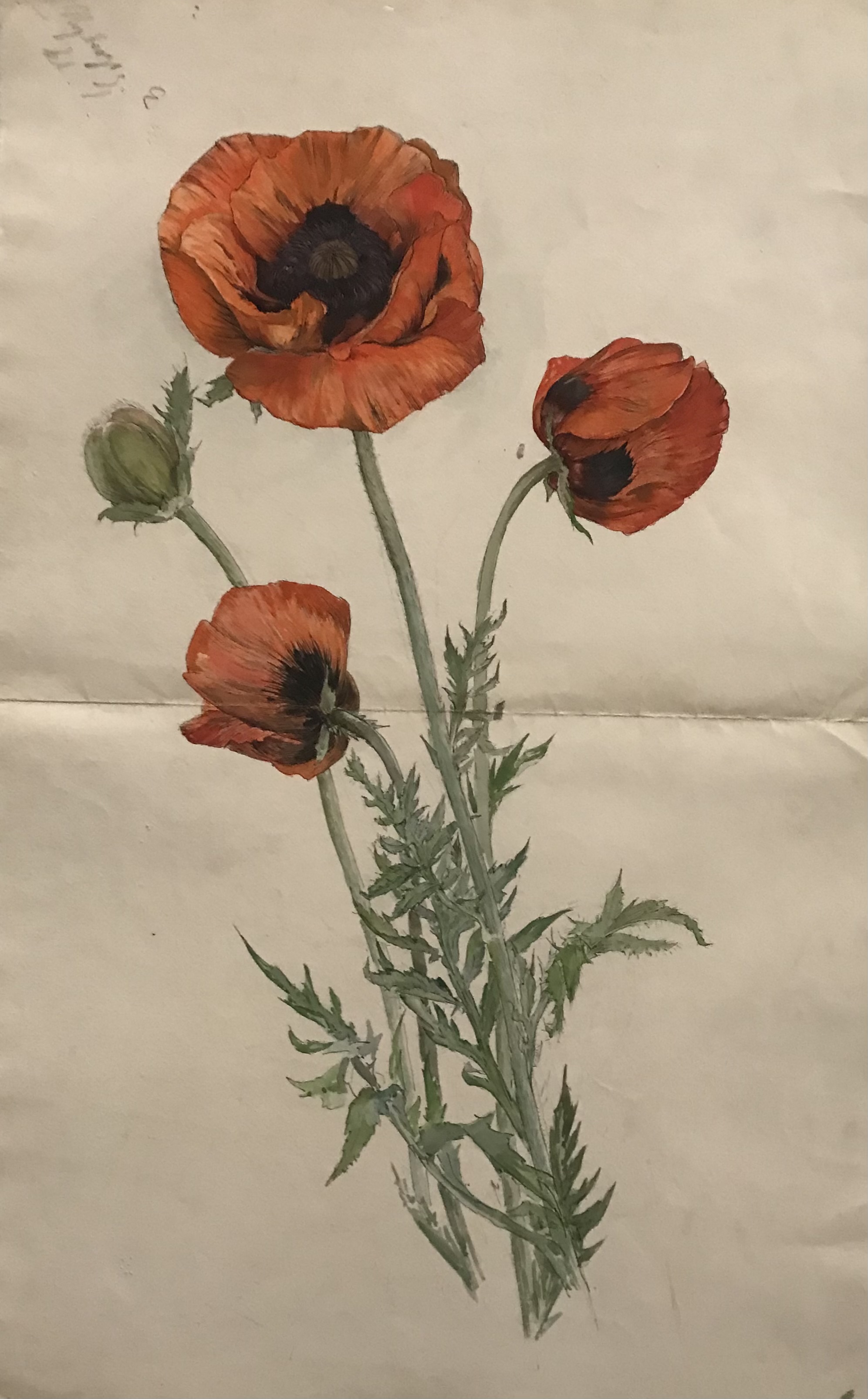
Mondrian painted flowers and landscapes in a conventional style as well as the rectilinear images with primary coloured blocks for which he is known. For me these push abstraction too far, but they are popular (Katharine likes them).

Klint is problematic in some respects. Most of her works were meant to illustrate her Spiritualist beliefs, and they are heavy with obscure meaning. She said that some were done with spirit guidance (which recalls some of Blake’s pictures, and there is a just a hint of his muscular symbolic figures in Klint’s stuff). She didn’t generally exhibit them, and it’s possible she wouldn’t have wanted them shown. I suppose the curators nevertheless see her as a significant gap in the story of art, but she seems well out of the mainstream. I must say that if her work had been shown in the sixties it might have found a following, and prints of her works might now be selling well alongside esoteric Tarot illustrations and mandalas in that kind of shop.

Dr Semmelweis

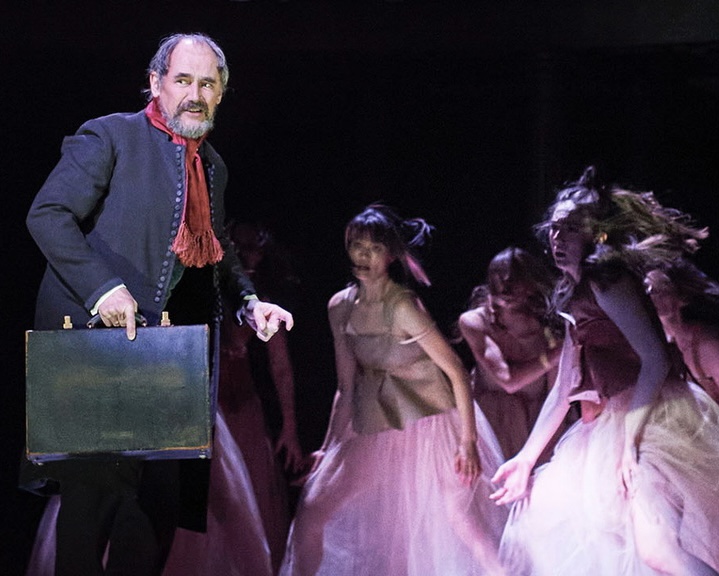
This play, starring and partly written by Mark Rylance, tells the story of how Dr Ignaz Semmelweis discovered that fatal puerperal fever could be almost eliminated just by getting doctors to wash their hands. This radical innovation was not accepted by the profession (and the play makes clear that Semmelweis was, well, somewhat lacking in diplomacy, which didn’t help) and the doctor himself, whose behaviour became increasingly unacceptable, died in a lunatic asylum.

It’s a great production, which includes a group of women who play violins and dance around or with the actors. That sounds weird, but it mostly works, only seeming intrusive a couple of times.

It seems odd now that the simple notion of bacterial infection should have been so difficult to grasp. Part of the problem was that Semmelweis had only sketchy, inaccurate ideas about the mechanism: he just knew, and demonstrated, that washing worked. Sadly it was a long time before the practice was universally accepted.

August 2023 competitions

Here’s my regular look at writing competitions I might enter during the coming month.. 

  • The Scottish Association of Writers has the Westerwood competition for stories of 2-3,000 words. Entry is £7 with a parsimonious prize of £100. The deadline is 5 August.
  • Uncharted Magazine wants 1,001 to 5,000 words. Entry is $20 and the prize a more generous $2,000. Stories must be on the theme ‘The Aftermath’, and in one of the three genres they publish: SF/F, Thriller/Horror and Mystery/Crime. The deadline is 6 August.
  • Gival’s regular contest is with us again: 5-15,000 words, entry $25, top prize $1,000, enter by 8 August.
  • Periscope wants briefer stories, up to 1,500 words, on the theme ‘Identity’. £10 entry, first prize £1,000 and the deadline is 15 August.
  • Louise Walters is back with the competition based on page 100 of your novel. It’s £5 to enter: no money prize but a full editorial report and a box of books. Deadline 20 August.
  • The Summer version of the Masters Review competition is back – up to 6,000 words, $20 to enter and a prize of $3,000. The deadline is 27 August.

All the rest have a deadline of 31 August.

  • Creative Writing Ink wants up to 3,000 words, entry is £9 and the prize £1,000.
  • Bit of a fanfare for the University of New Orleans’s Publishing Laboratory, who are offering a prize of $10,000 plus publication. For that they want a full-length novel or collection (no word or page limit) and an entry fee of $28.
  • On a more modest scale, Anthology wants a maximum of 1,500 words, for an entry fee of £18 and a prize of £1,000.
  • Letter Review looks for up to 5,000 words. Your £20 entry fee gets you access to a £1,000 prize pot to be split three ways – so £333.33, I suppose.
  • Aesthetica Magazine puzzles me slightly, because it seems to be an avant-garde publication about art and design rather than a literary one. But the competition claims former winners have gone on to great success. It’s £18 to enter, with a prize of £2,500. Up to 2,000 words. 
  • The Kenneth Patchen award is for an innnovative, experimental novel of any length. $25 to enter, win $1,000 and publication.
  • St Lawrence look for a collection of 120-280 pages. $28 gets you a shot at $1,000.

Good luck if you enter any of these, and do let me know if you get anywhere!

Karen McLeod

Interesting talk from Karen McLeod at Croydon Writers last night. For a long time she worked as cabin crew for an airline, but managed to write a novel In Search of the Missing Eyelash which was published and did very well. Then she found it was hard to write the follow-up her agent pressed her for.
Instead she developed a comedy act based on the character Barabara Brownskirt, the laureate of Penge, which she still performs. But, having parted company with her agent, she is now writer in residence at the Bookseller Crow Bookshop and has a memoir of her flying days coming out next year.

Picasso

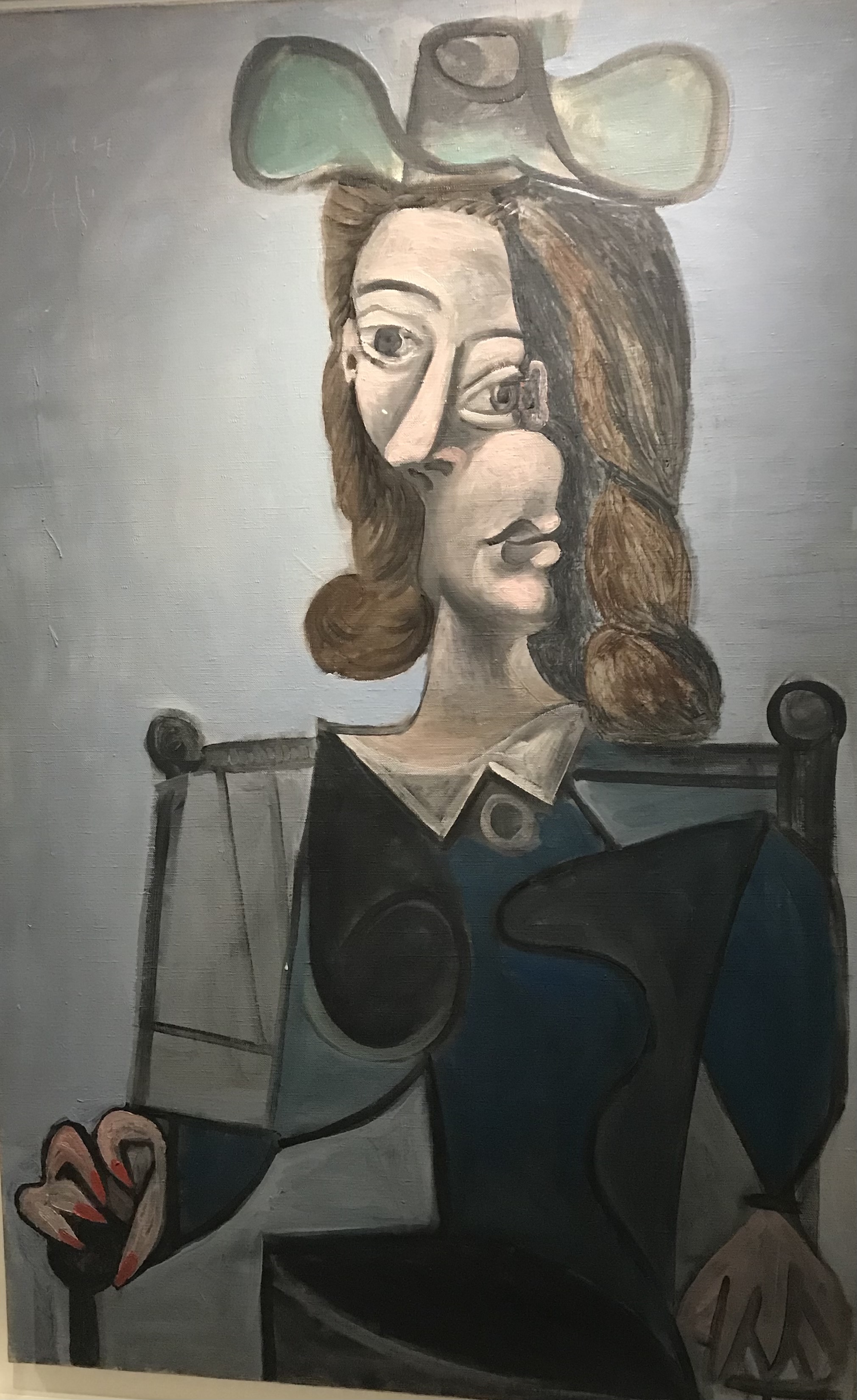
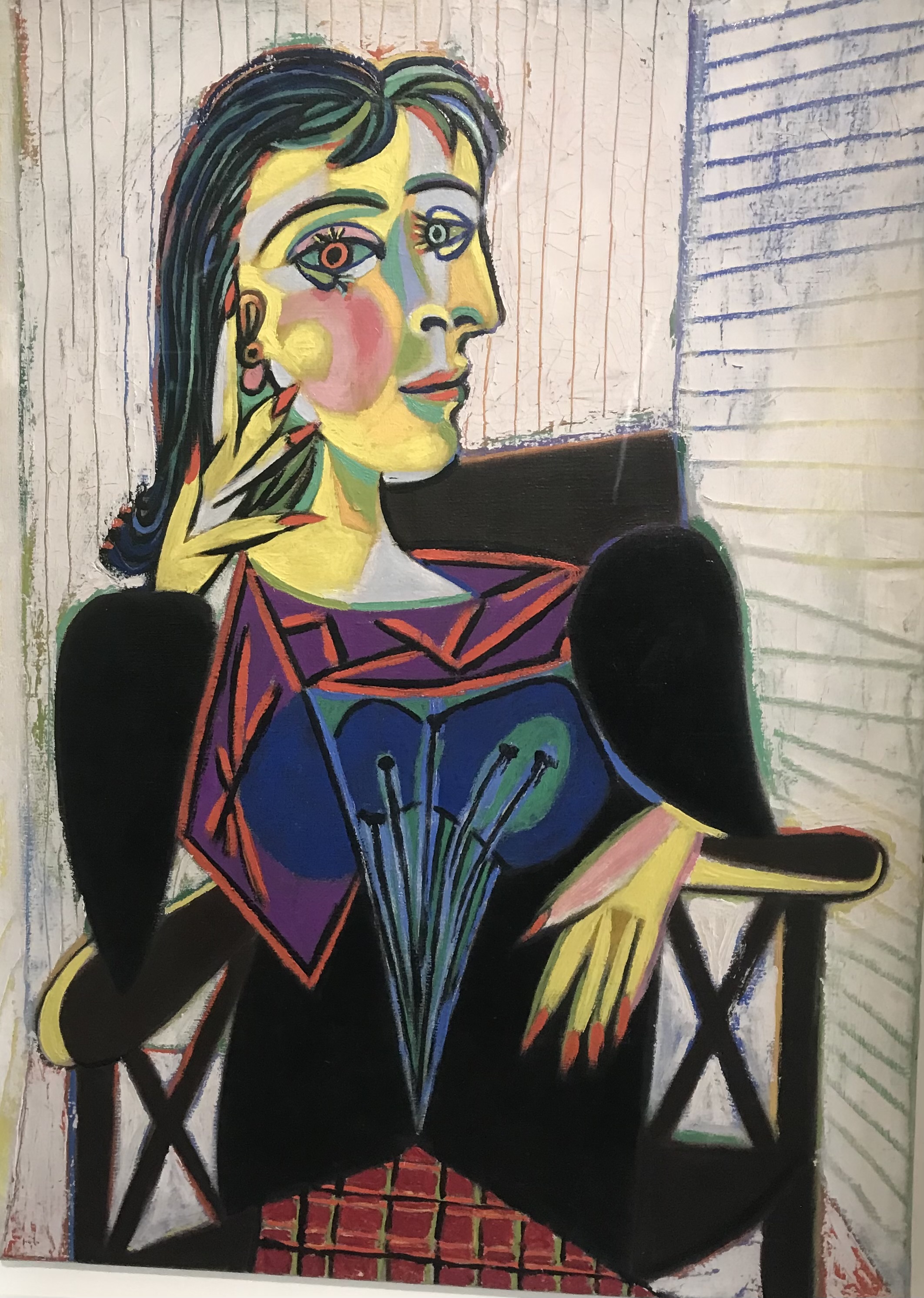
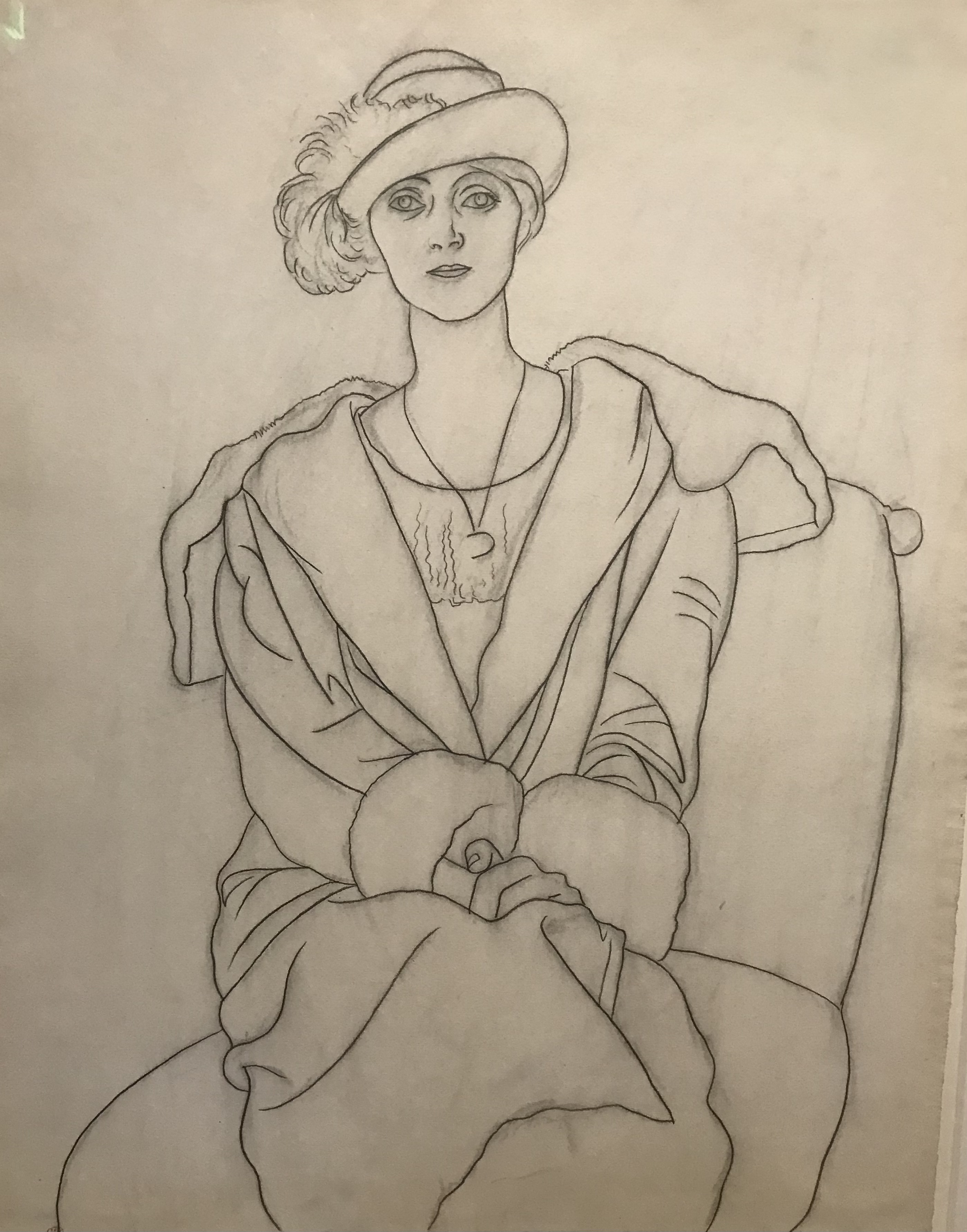
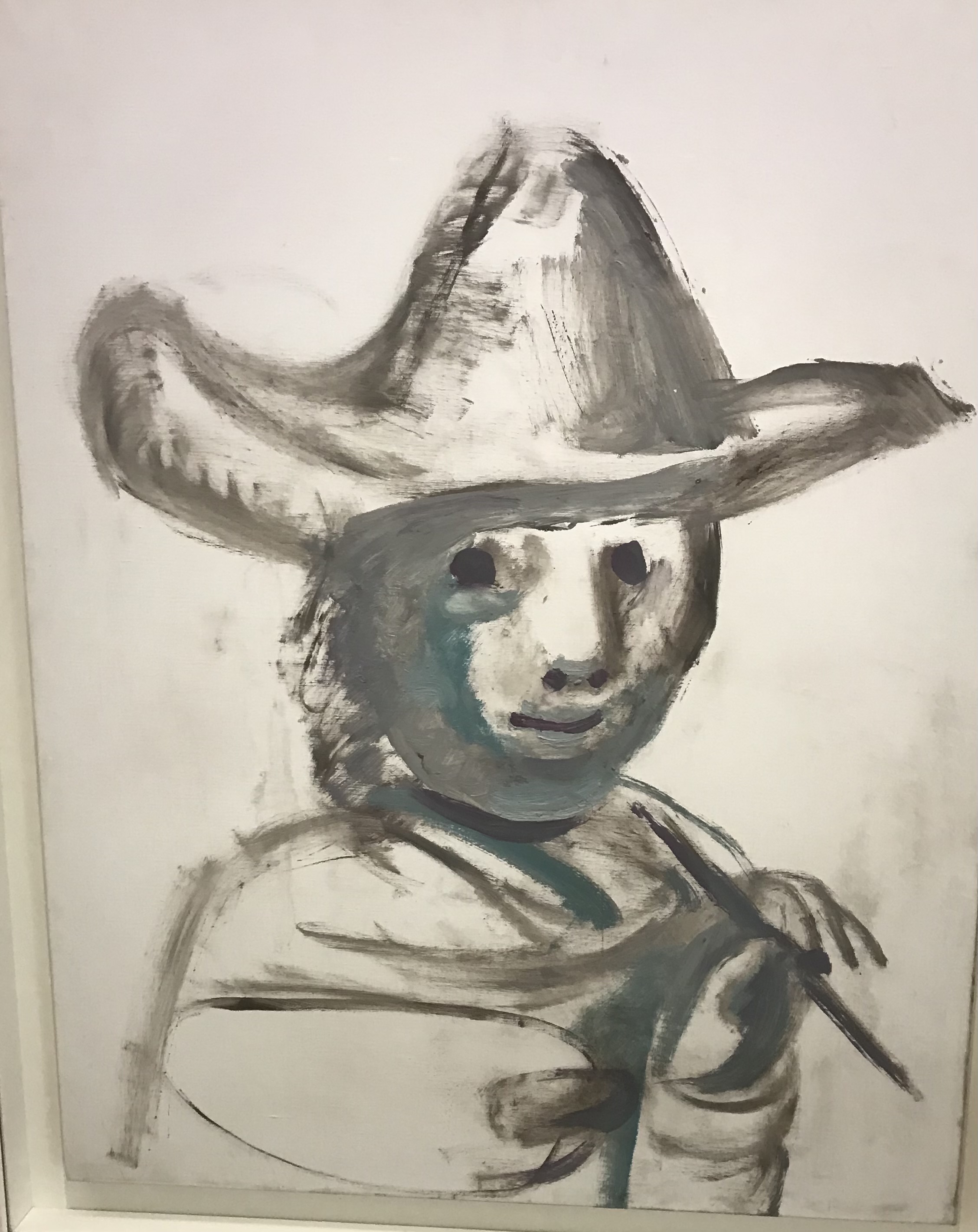
To mark the 50th anniversary of Picasso’s death, the Musée National Picasso-Paris commissioned Sir Paul Smith to direct a special exhibition, which selects works from their huge collection. We went over to see it.

Many of the pictures have been hung on walls specially decorated with bold motifs taken from the painting itself: I’m afraid this mostly just seems like a distraction. But it is an astonishing collection of works.

There is a connection here with Degas. Picasso admired his stuff and produced a series of works inspired by Le déjeuner sur l’herbe.

The exhibition presents this final picture of the young artist, done in Picasso’s last year, as his cheerful farewell.