Van Gogh and Hals

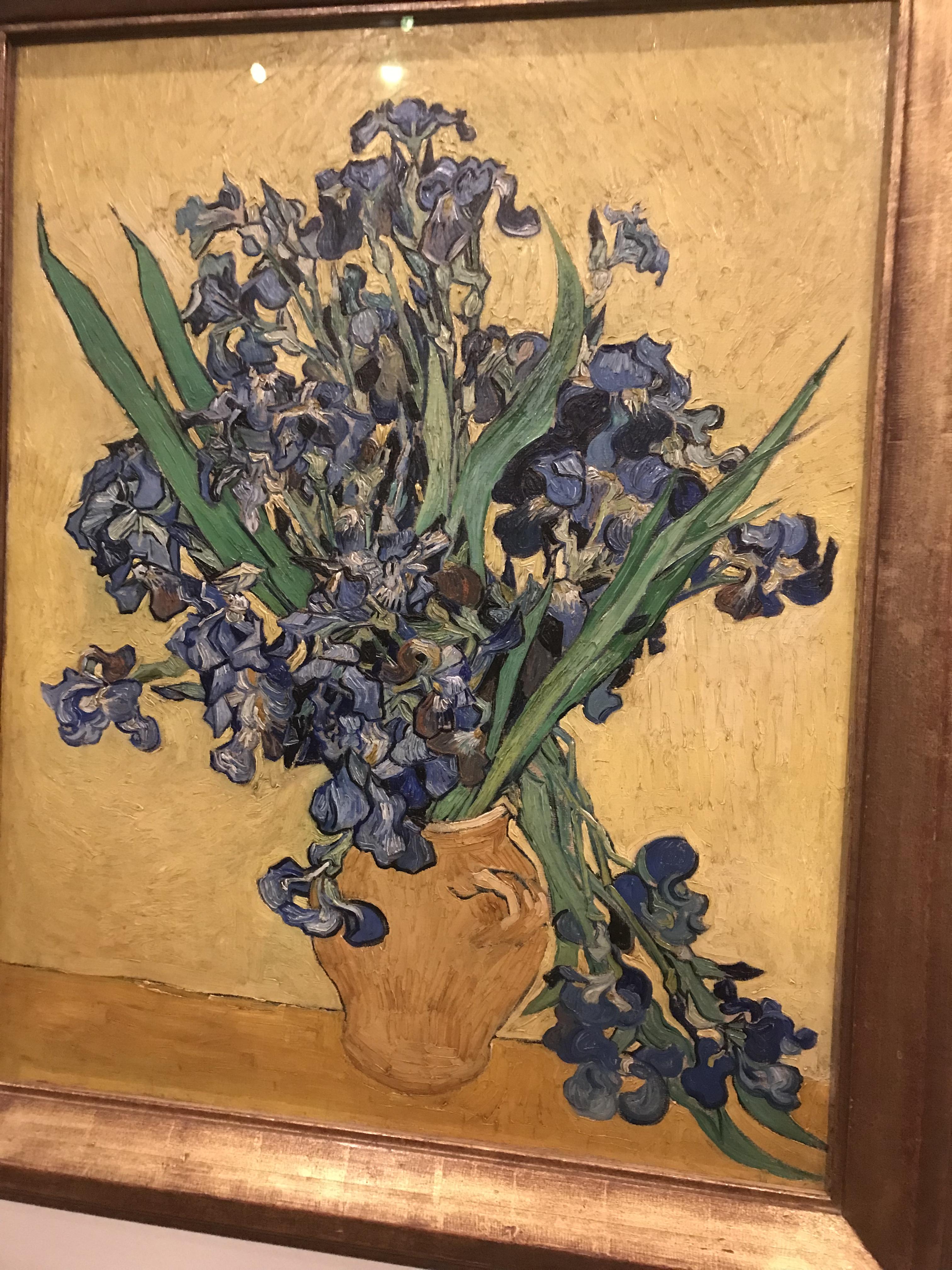
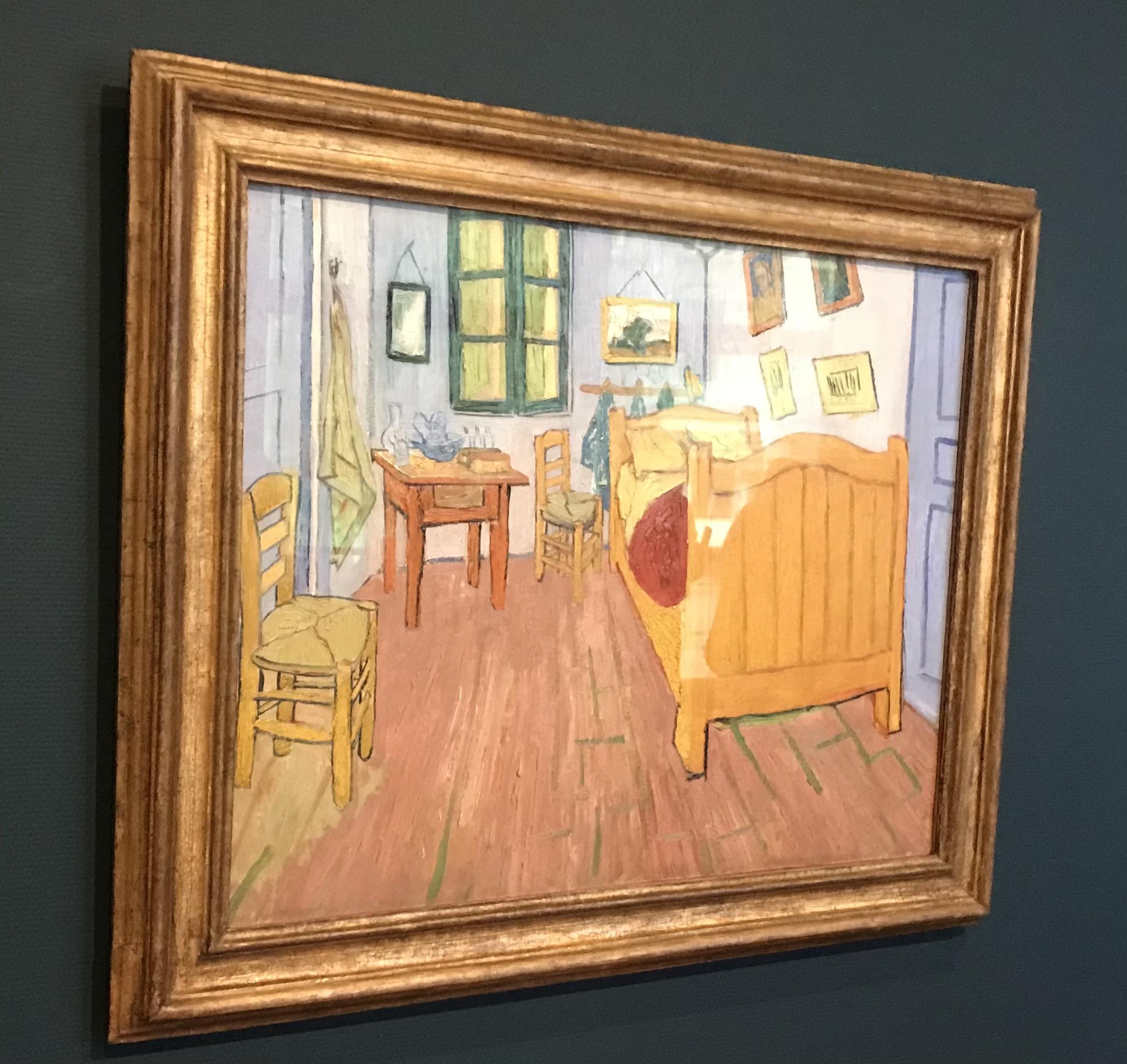
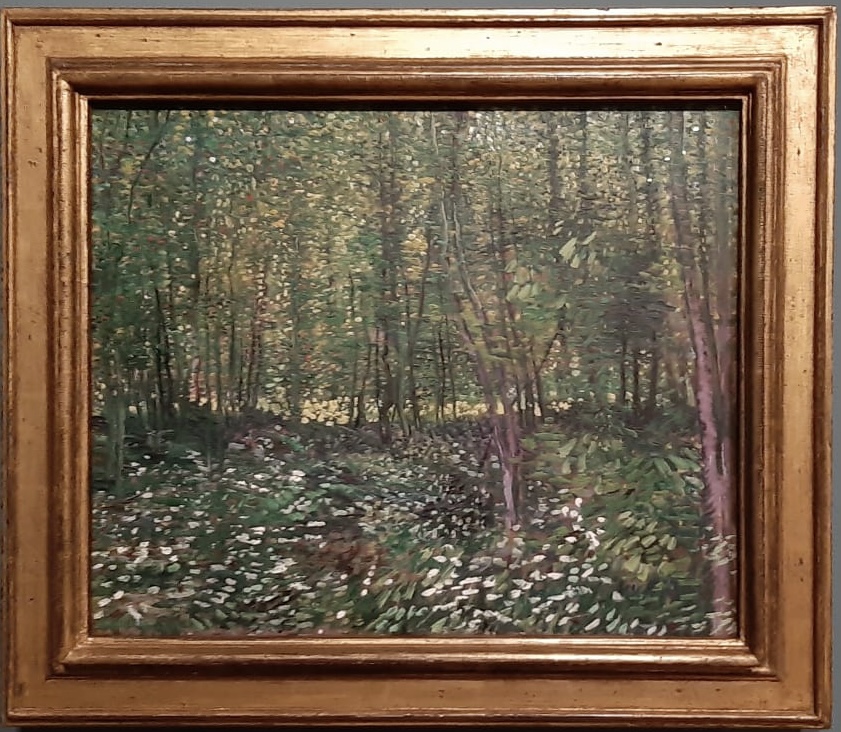
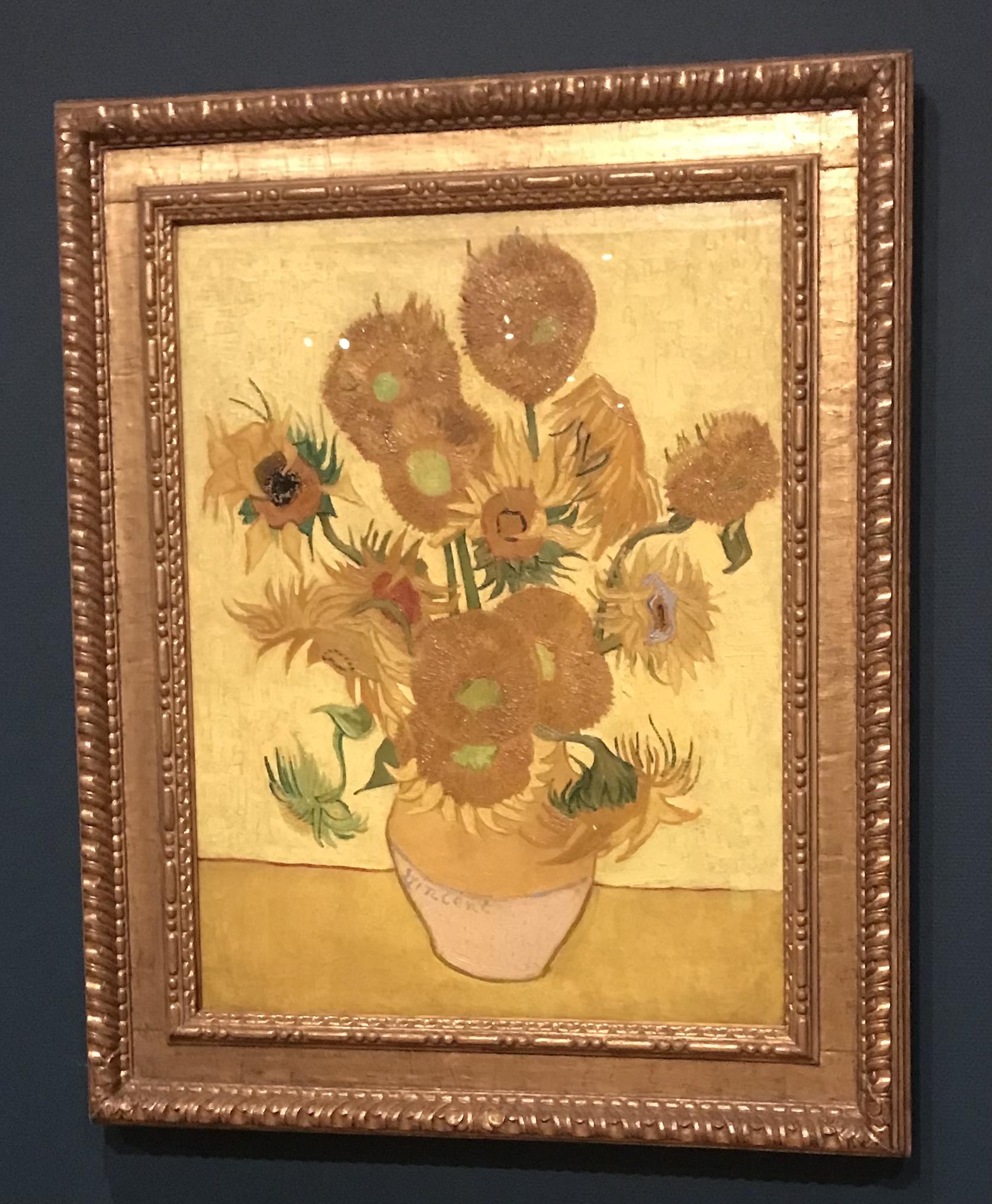
While we were in Amsterdam we naturally went to the Van Gogh Museum, which is great: and by coincidence we arrived on Van Gogh’s 170th birthday. The gallery shows works by various other artists, highlighting the influence of Japanese pictures and pointillism, for example.
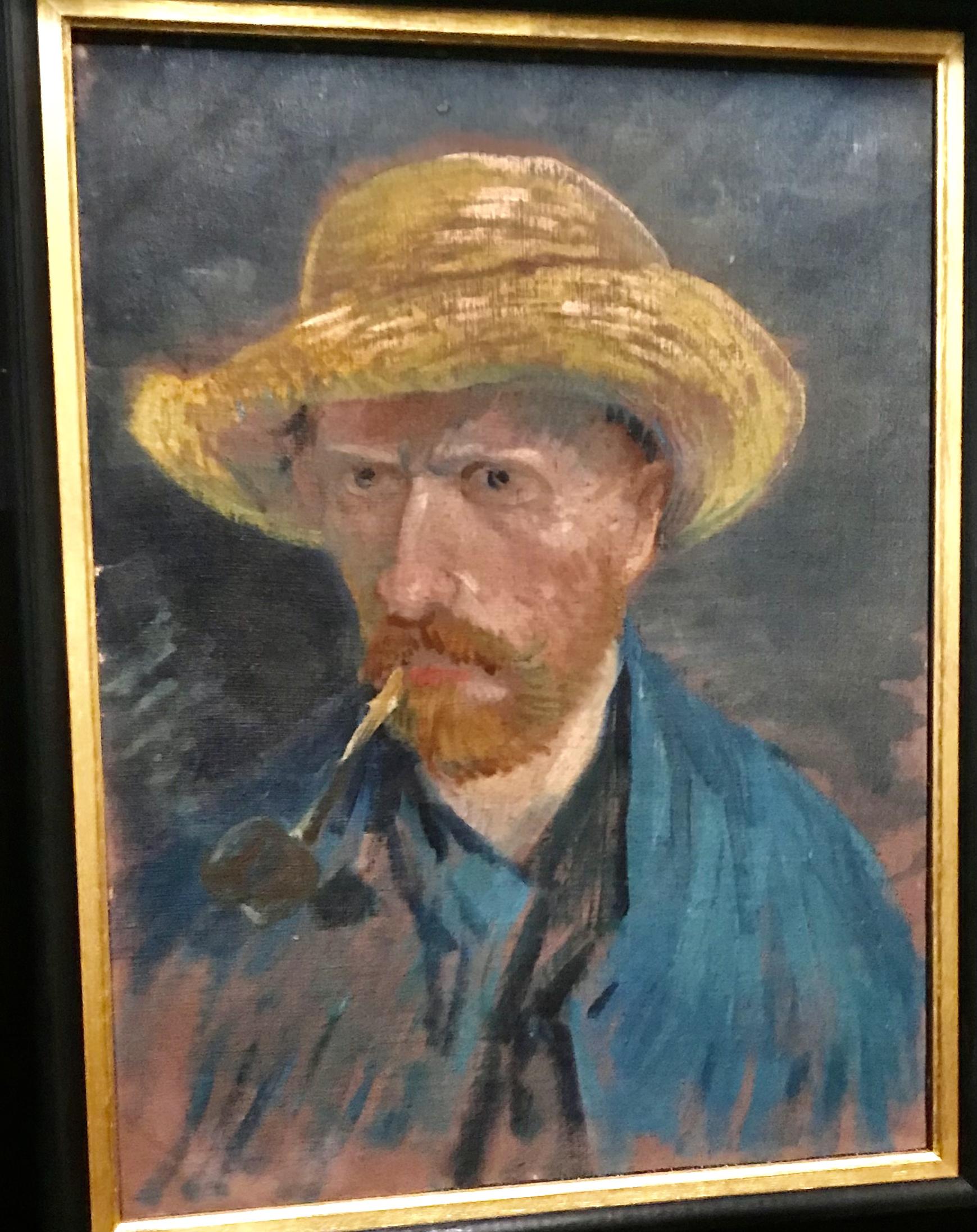
I’m surprised I hadn’t heard of this picture before – it’s by Gauguin, of Van Gogh painting sunflowers!

One other artist admired by Van Gogh was Frans Hals, whose works we saw in Harlem.
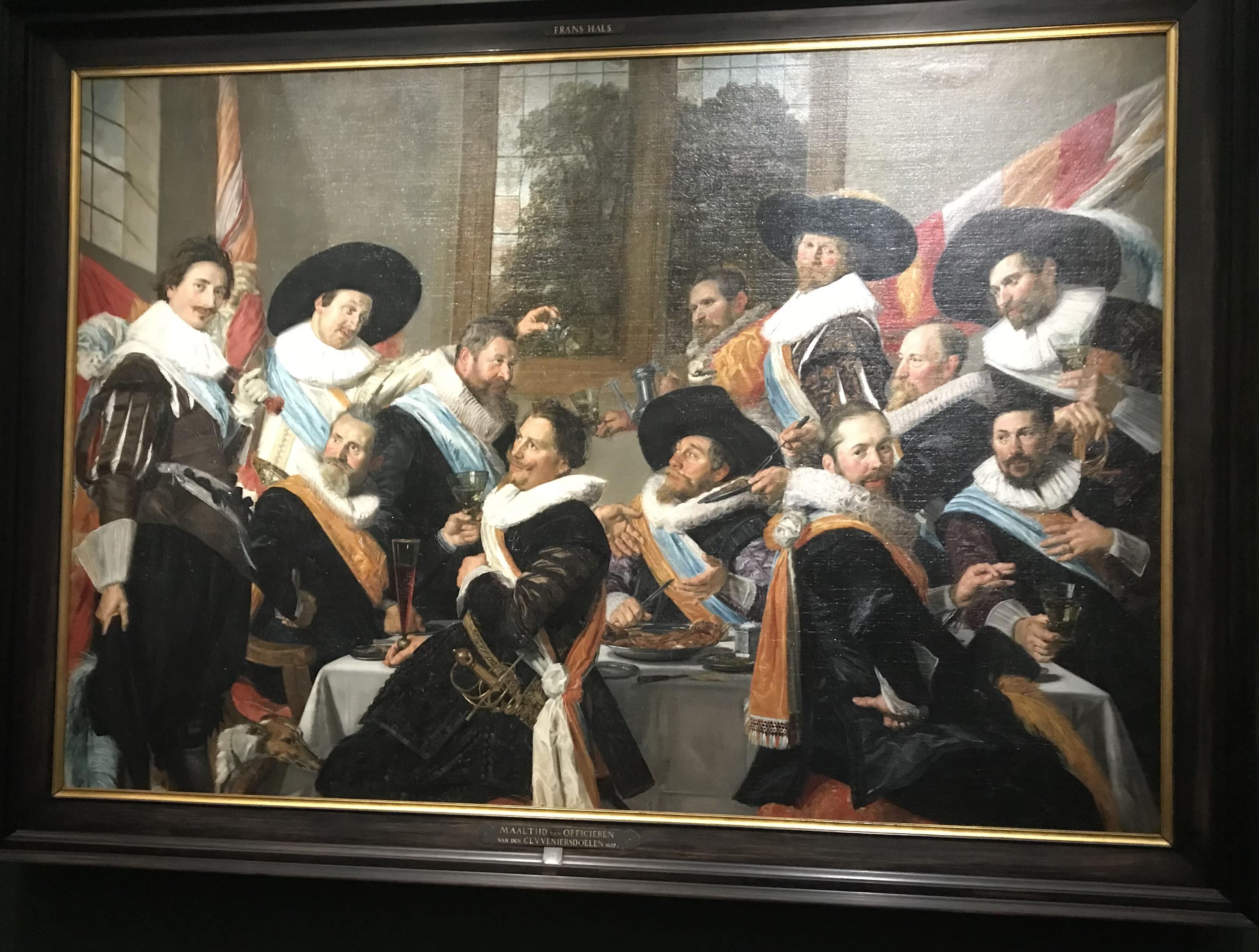
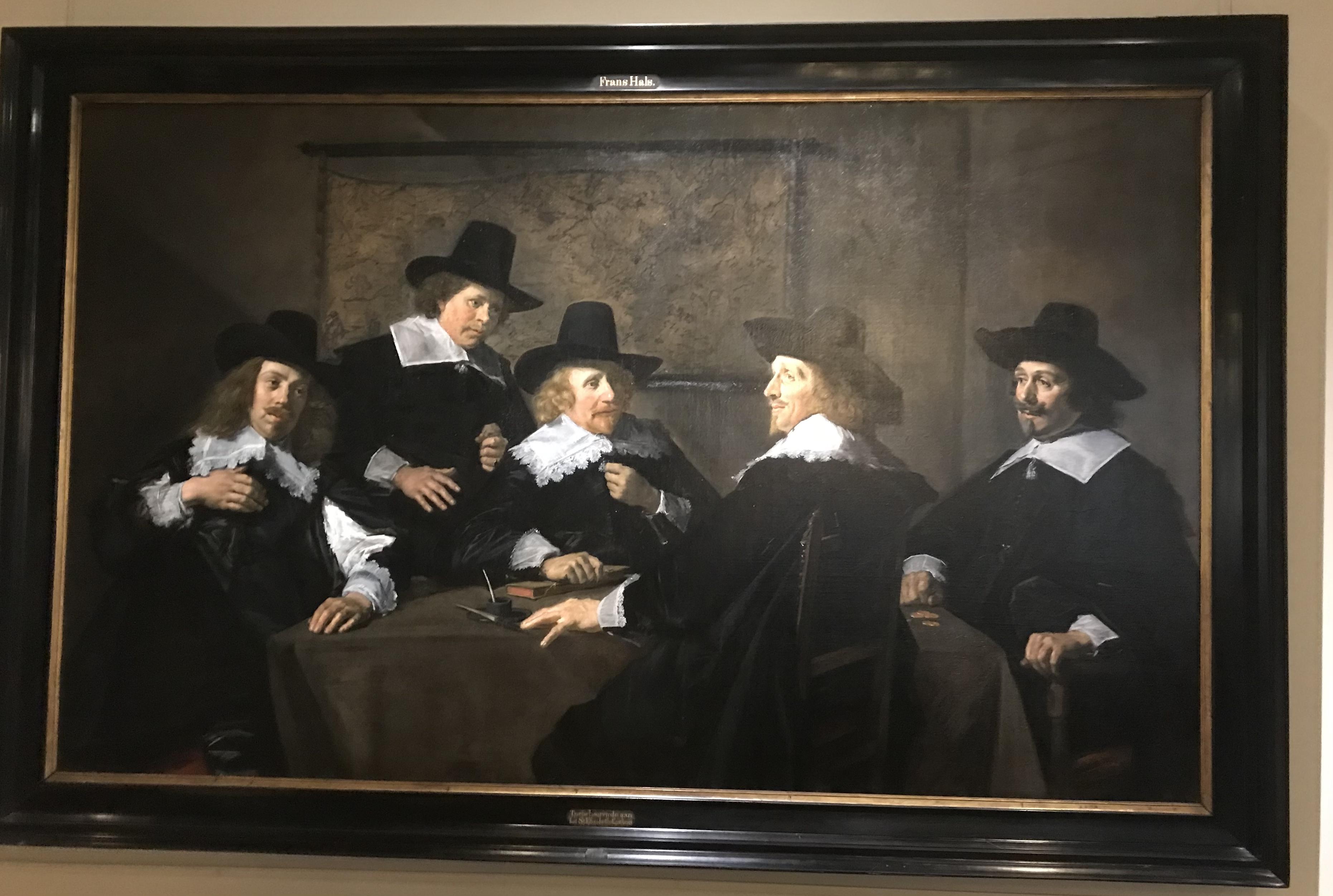
Hals’s brushwork was always loose and became extraordinarily free in old age. Lace collars from this period look like random slashes of white paint close up, but when you back off they look perfect from a distance. Apparently at the time some though he was senile, but then other artist’s styles (Turner, El Greco) have been attributed to poor eyesight, and indeed Van Gogh’s to mental illness.
Vermeer

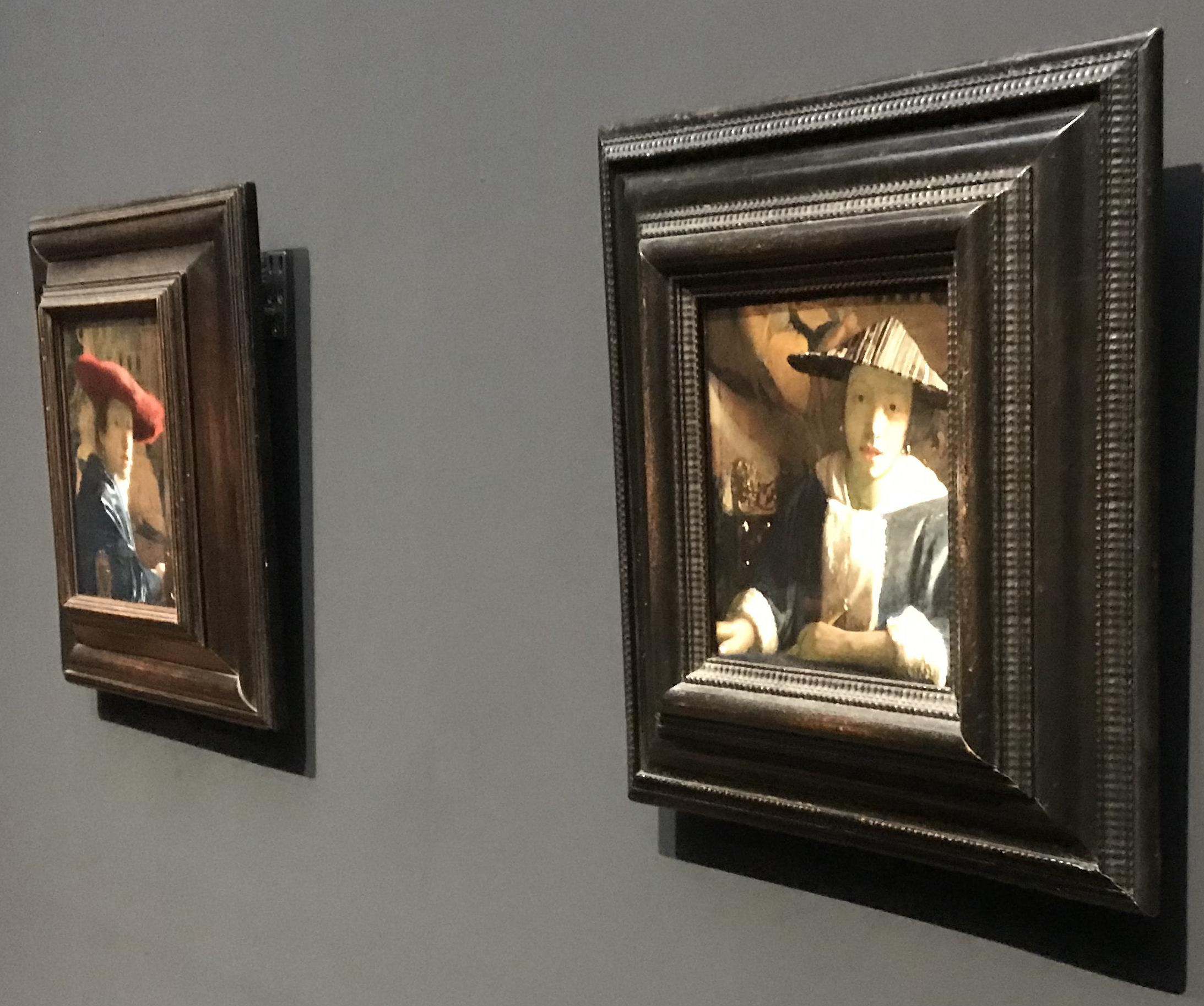
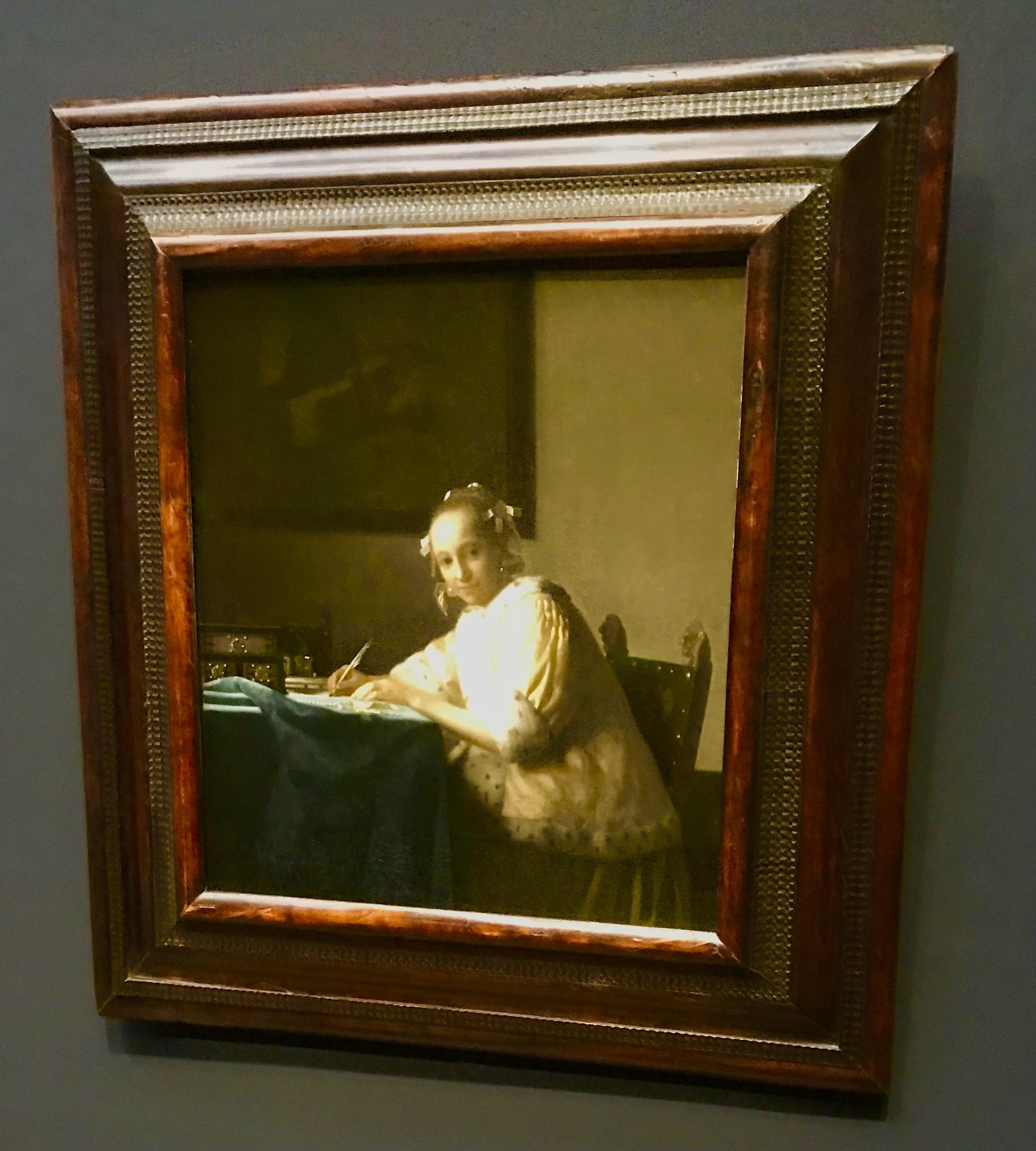
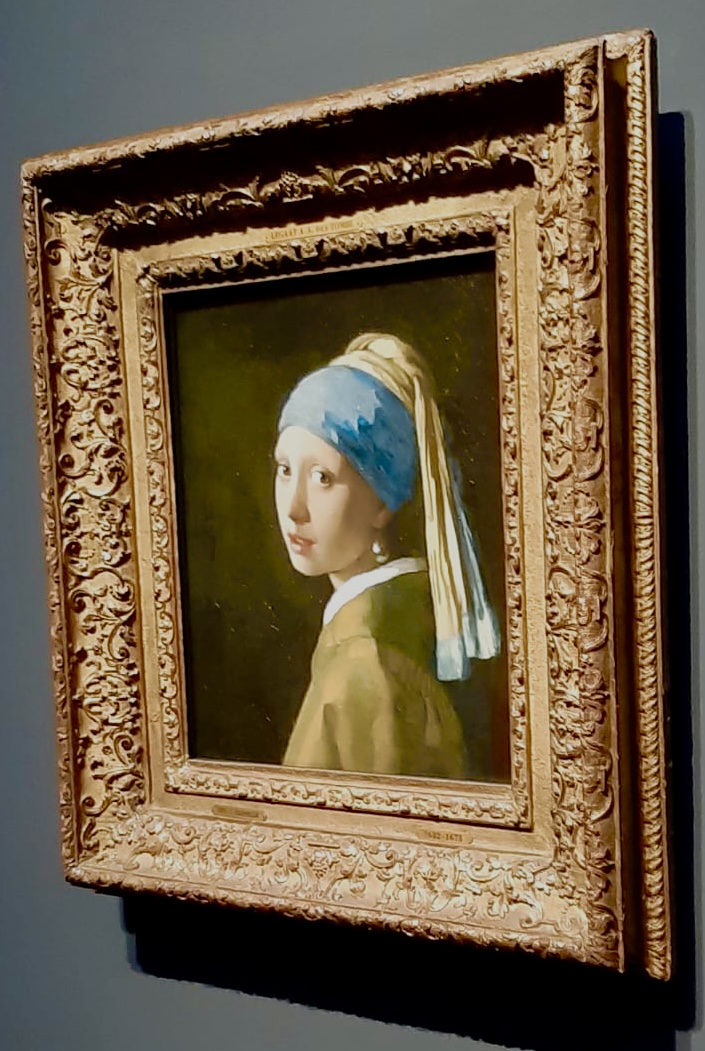
I’ve got a bit behind with these posts: we went to the amazing exhibition at the Rijksmuseum in Amsterdam, where the largest ever collection of Vermeer’s works are gathered (and we got in before Girl with a Pearl Earing went back to the Mauritshuis).


With so many works together, it becomes very clear that Vermeer had certain favoured themes. Many of the images seem to have been staged in the same place: a room with a window to the left, a chequered floor, and a map or a picture on the back wall. Posed in this space are women reading, or with musical instruments, and the same pieces of clothing get re-used (that yellow, fur-edged jacket).

I had had the impression that Vermeer’s stuff was pastel coloured and just a little soft focus, but neither of those things proved to be true. A great experience, slightly impaired by the crowds. and I’m afraid these snaps are not great quality. I would urge you to go, but I’m afraid it’s too late.

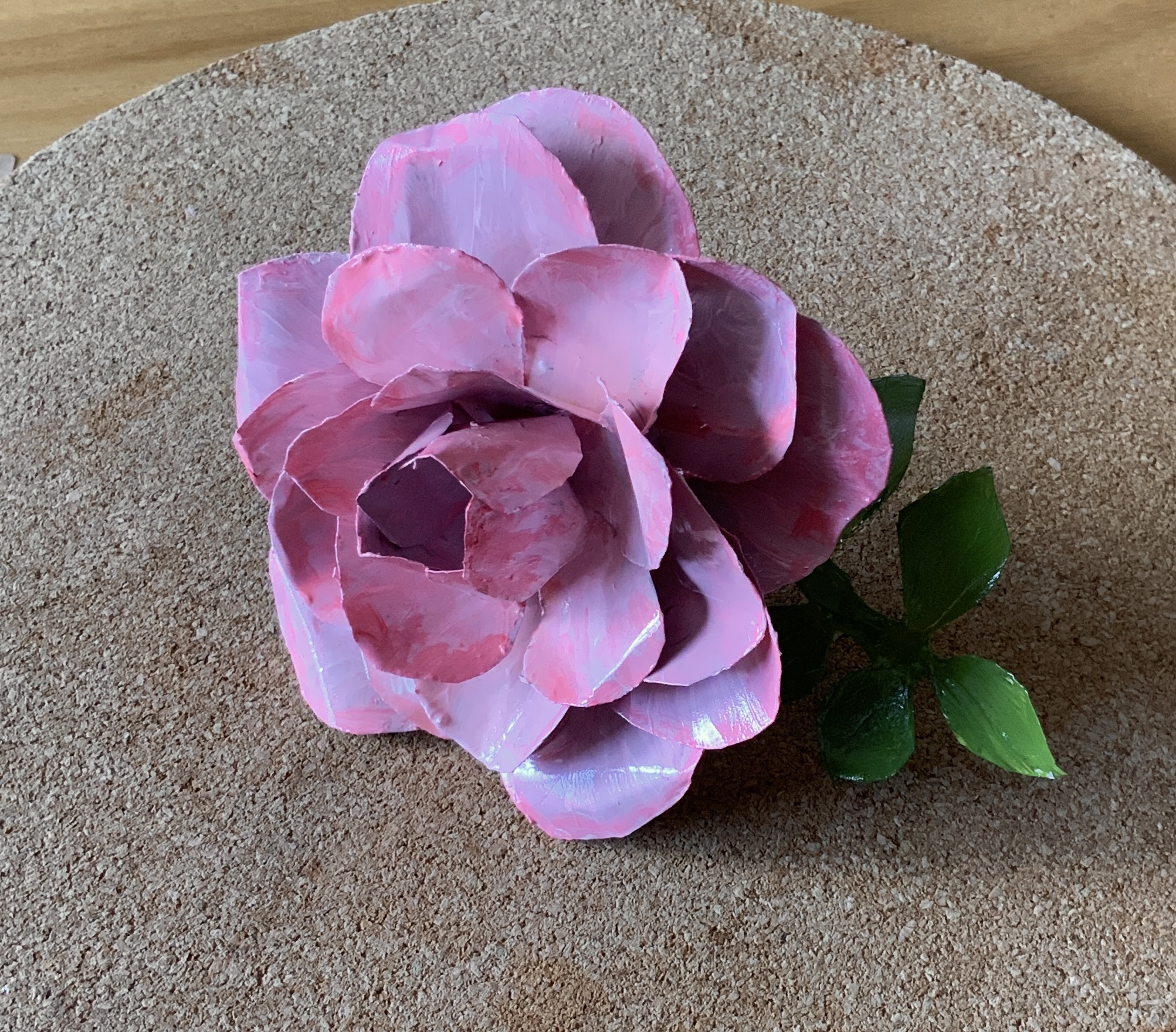
Tin Rose

I quite enjoyed doing the butterfly, so I thought I’d use a few more cans and try a flower – here is the result…

Tin Butterfly

I made this out of a section from an old can. I was worried the paint wouldn’t stick unless I used some kind of primer, but though it slid around a bit it seems OK.

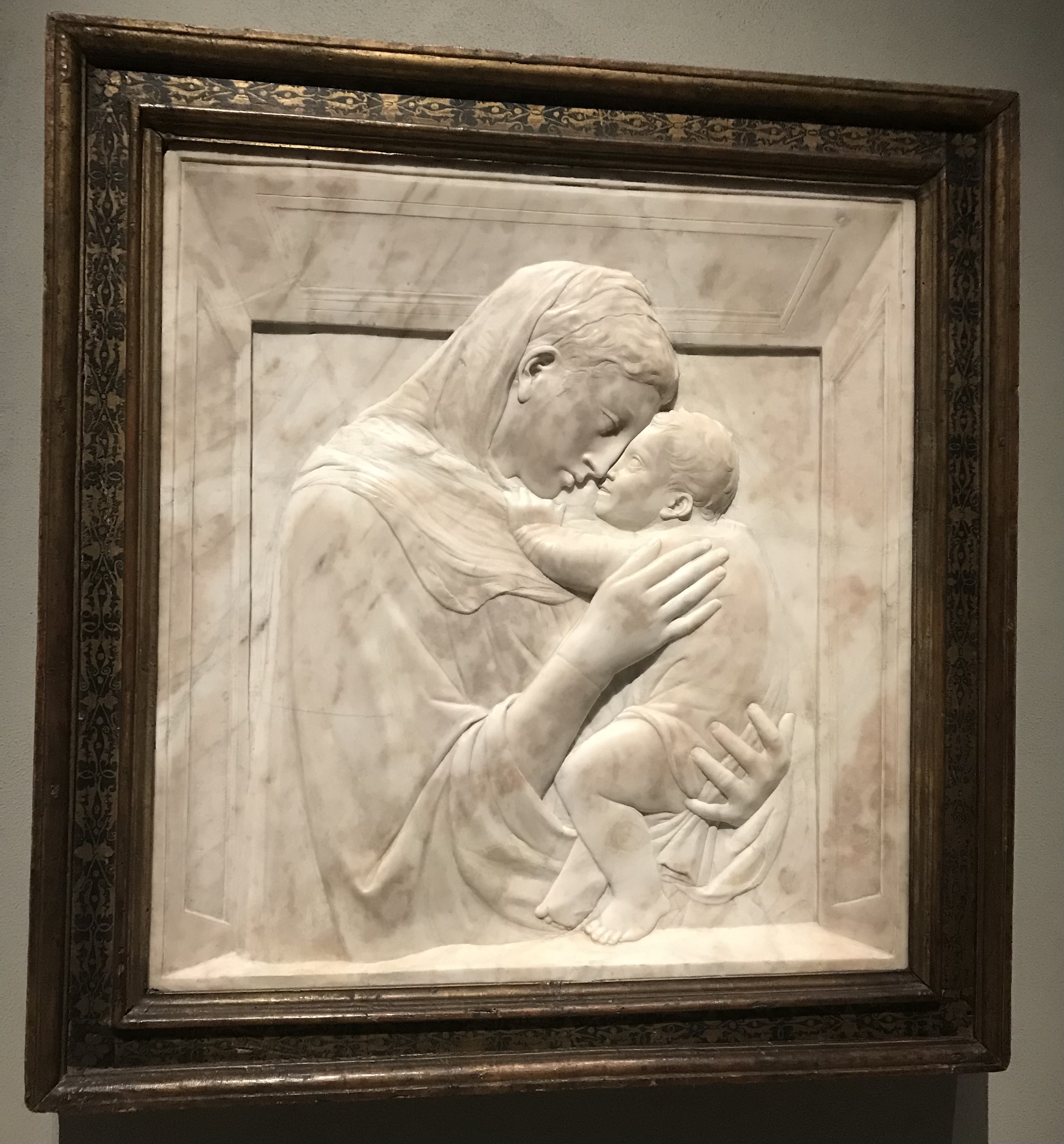
Donatello at the V&A

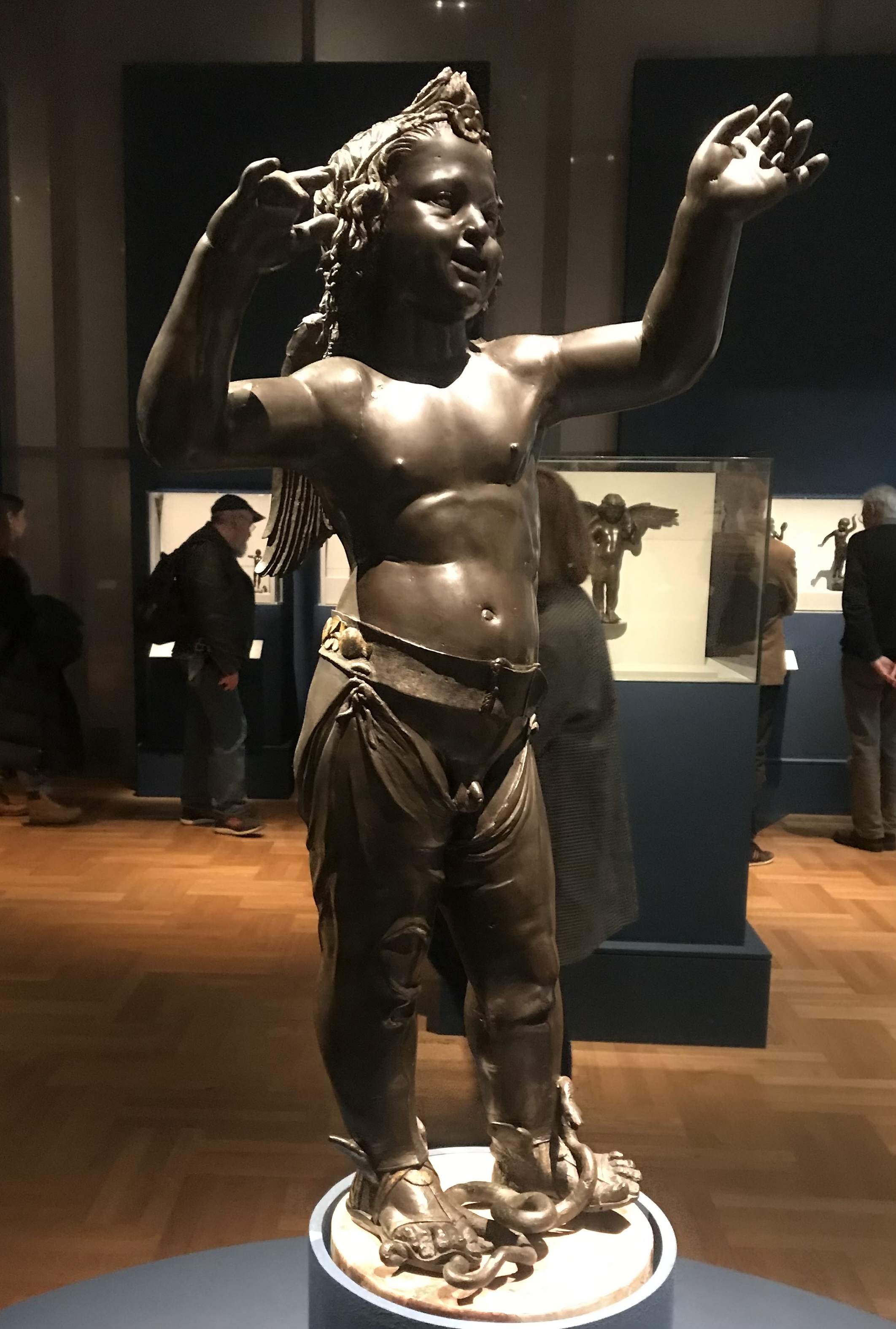
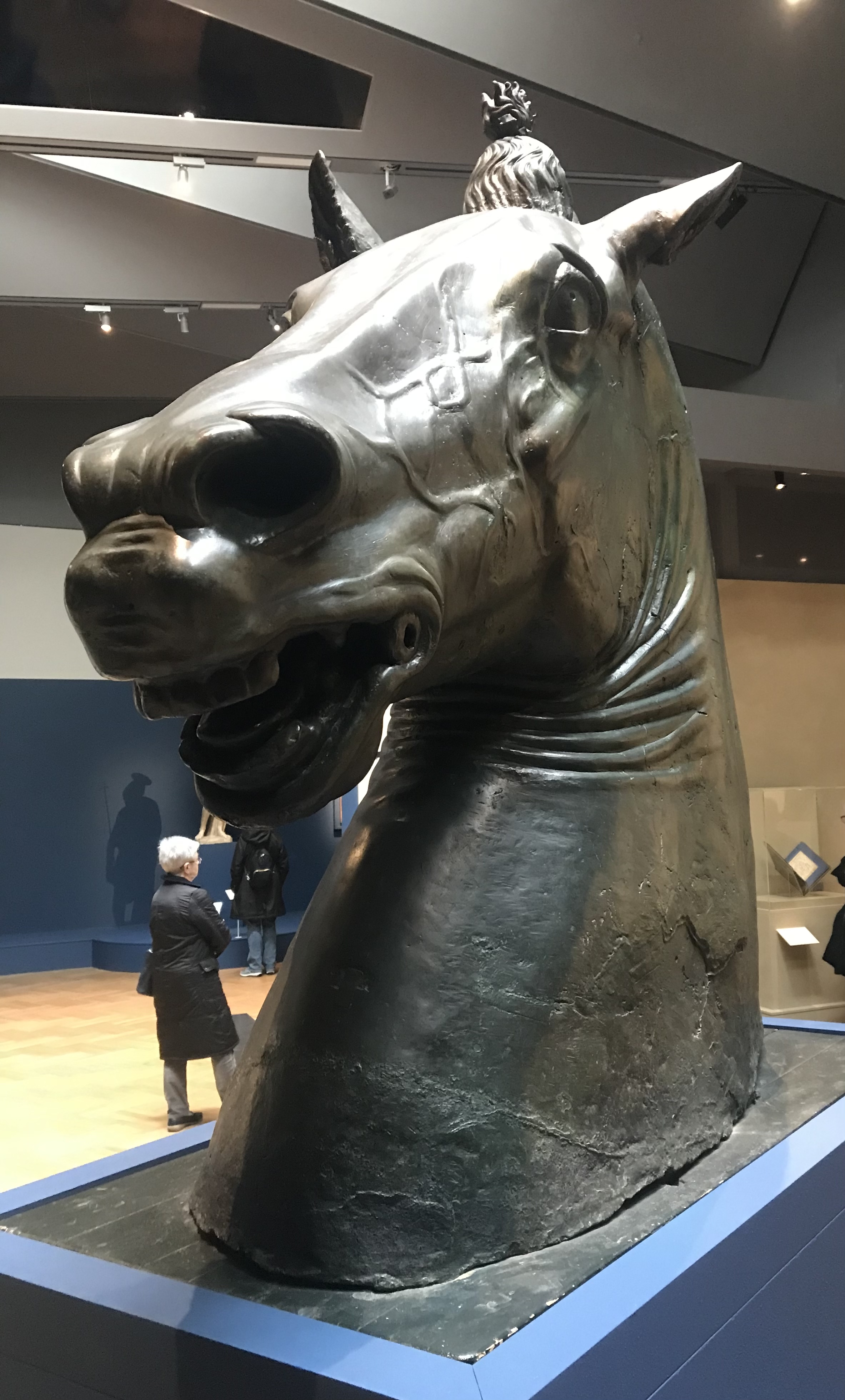
I didn’t know much about Donatello before this, but it seems he is notable in several ways. A pioneer of free-standing bronze sculpture, responsible for some of the first since classical antiquity. An influential creator whose designs and methods were widely copied. And the master of rilievo schiacciato, flattened relief, in which a 3-d image is carved within a few millimetres of depth (the difference in the levels in some of these works must be fractions of a millimetre).

Donatello’s most famous work, his sinuous nude David, is represented here only by a copy. But we have the completely puzzling Attis-Amorino, an ecstatic cherub-like figure who wears droopy leggings off a big belt. He is trampling serpents, and has both wings and a small satyr’s tail as well as wearing poppies. He represents something, but exactly what is unclear…

April ’23 Competitions

Here is a look at writing competitions I might enter during the coming month (so no poetry or competitions that are not open to UK writers, for example).

  • The Grindstone Novel Competition looks for the first 5,000 words of your novel, plus a synopsis. Entry is £16, and you could win £1,000 plus introductions to some people who might be helpful. The deadline is 1 April.
  • Nimrod is running the Katherine Ann Porter competition. Up to 7,500 words, $20 to enter, and a top prize of $2,000. Again, the deadline is 1 April.
  • The Missouri Review’s Perkoff Prize will take up to a sprawling 8,500 words on the theme of health or medicine. Entry is $15, first prize £1,000, and the deadline is 2 April.
  • The Masters Review is back, seeking manuscripts of up to 7,000 words for another anthology: entry is $20 and you can win $500 plus publication. Enter by 2 April.
  • The Brick Lane Bookshop has a word limit of 1,000 to 5,000 words. Entry is £10, first prize £1,000, and you have until 3 April.
  • The Evening Standard is running a free competition – and you only have to produce 1,000 words, on the theme of ‘belonging’. The downside is that there’s no money prize, but you get mentoring, publication in the Standard and participation in various events. The deadline is 12 April.
  • For the John Gardner Memorial Prize you need up to 4,500 words. Entry is $19 and the top prize is $500. The deadline is 15 April.
  • Desperate Literature is back, looking for up to 2,000 words. Entry is €20 and you can win €1,500 plus a week’s literary residence in a splendid Italian castle. The deadline is 16 April.
  • The First Pages competition requires the first 1,250 words of your book: it’s $20 to enter, with a prize of $2000, and you must get your entry in by 24 April.
  • The Australian Book Review’s Elizabeth Jolley Prize requires up to 5,000 words. Entry is A$30, the top prize is A$6,000, and the deadline is 24 April.
  • With the same deadline, we have the Bath Short Story Award with entry fee of £9 (I’d round it up if it were me). The word count must be under 2,200 and the prize is £1,200.
  • The we have the Bristol Short Story Prize, which accepts up to 4,000 words. The entry fee is… £9 (is this a thing?), and the top prize £1,000. The deadline is 26 April.
  • The Ghost Story’s Supernatural Fiction Award is not restricted to actual ghost stories. The word count can be as high as 10,000, it costs $20 to enter, and you can win $1,500 plus of course publication. The deadline is 30 April.
  • With the same deadline, the Letter Review Short Story competition accepts stories up to 3,000 words. Again it’s $20 to enter and the prize is $600.
  • Mirk Fantasy magazine is new and wants stories up to 2,500 words on the theme ‘Outsiders’. It’s £5 to enter and the prize is £100. Any kind of fantasy is acceptable, but their favourite is apparently epic or high fantasy. Deadline 30 April.
  • Finally, you can get the ‘early bird’ entry fee of €12 if your entry for the Anthology short story prize is in by 30 April. If you’re prepared to pay €18, you can have until the end of August. Maximum 1,500 words and the top prize is €1,000 plus publication and a year’s subscription.

If you enter any of these and win (or get anywhere), do let me know!

Mirror

When we had fitted wardrobes done, we got a square sample of the wood used. It seemed a shame to throw it away, so I’ve added a mirror. The ‘floral’ swags on the corners are cut out of old cans and painted – they sort of pick up a motif from the curtains (or anyway that was the intention). I wasn’t sure acrylic paint would stick, but it seems fine.

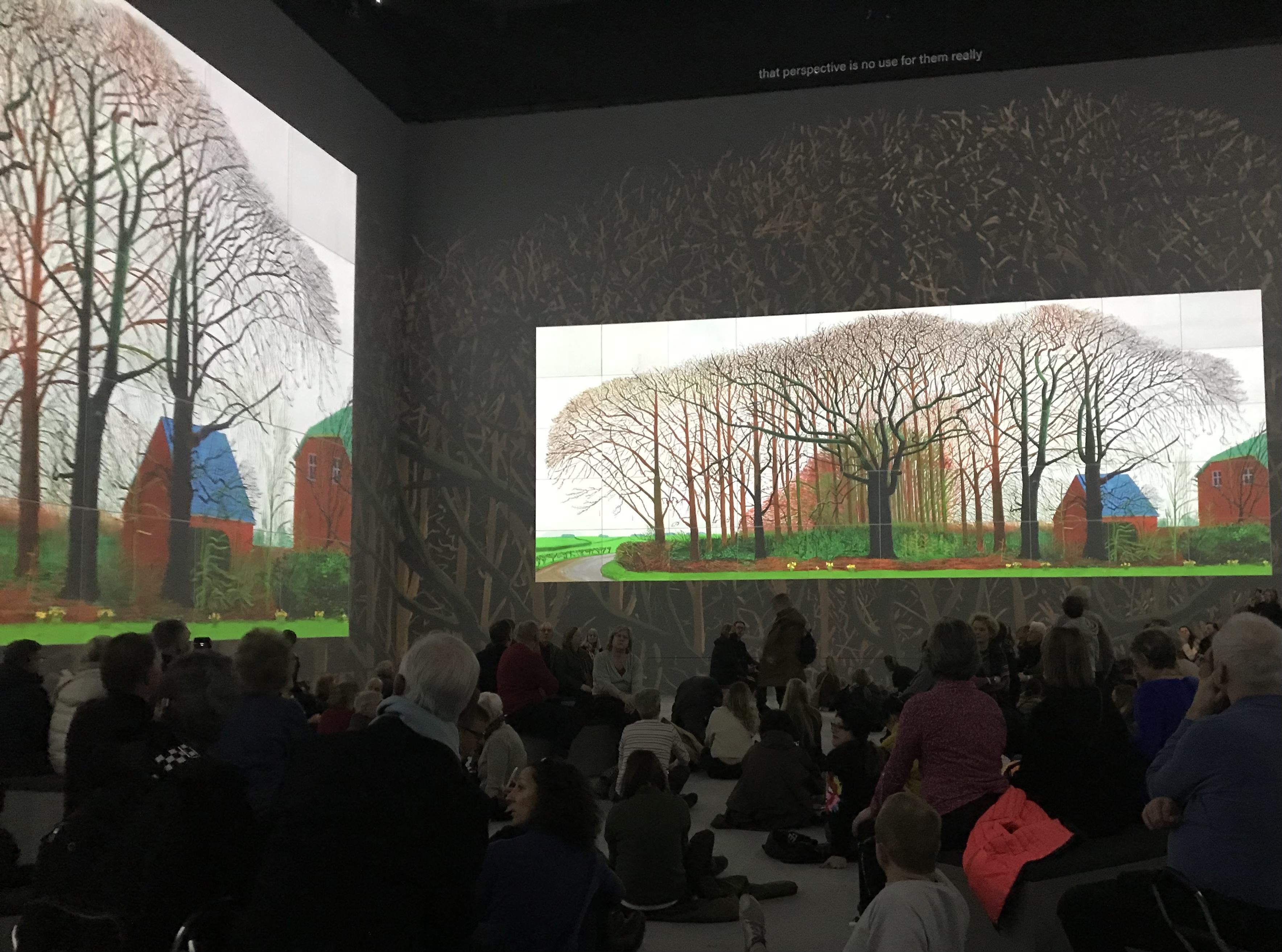
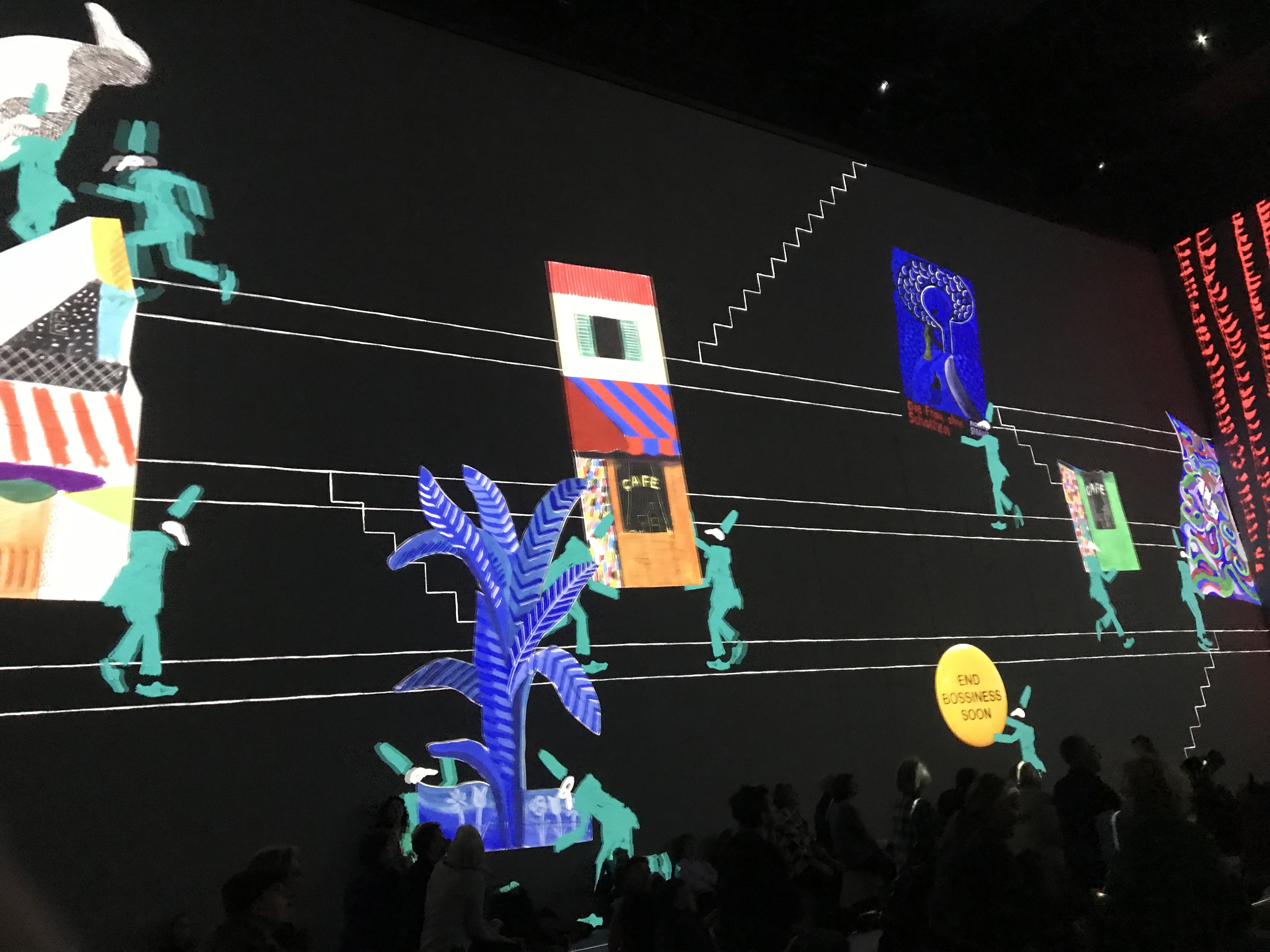
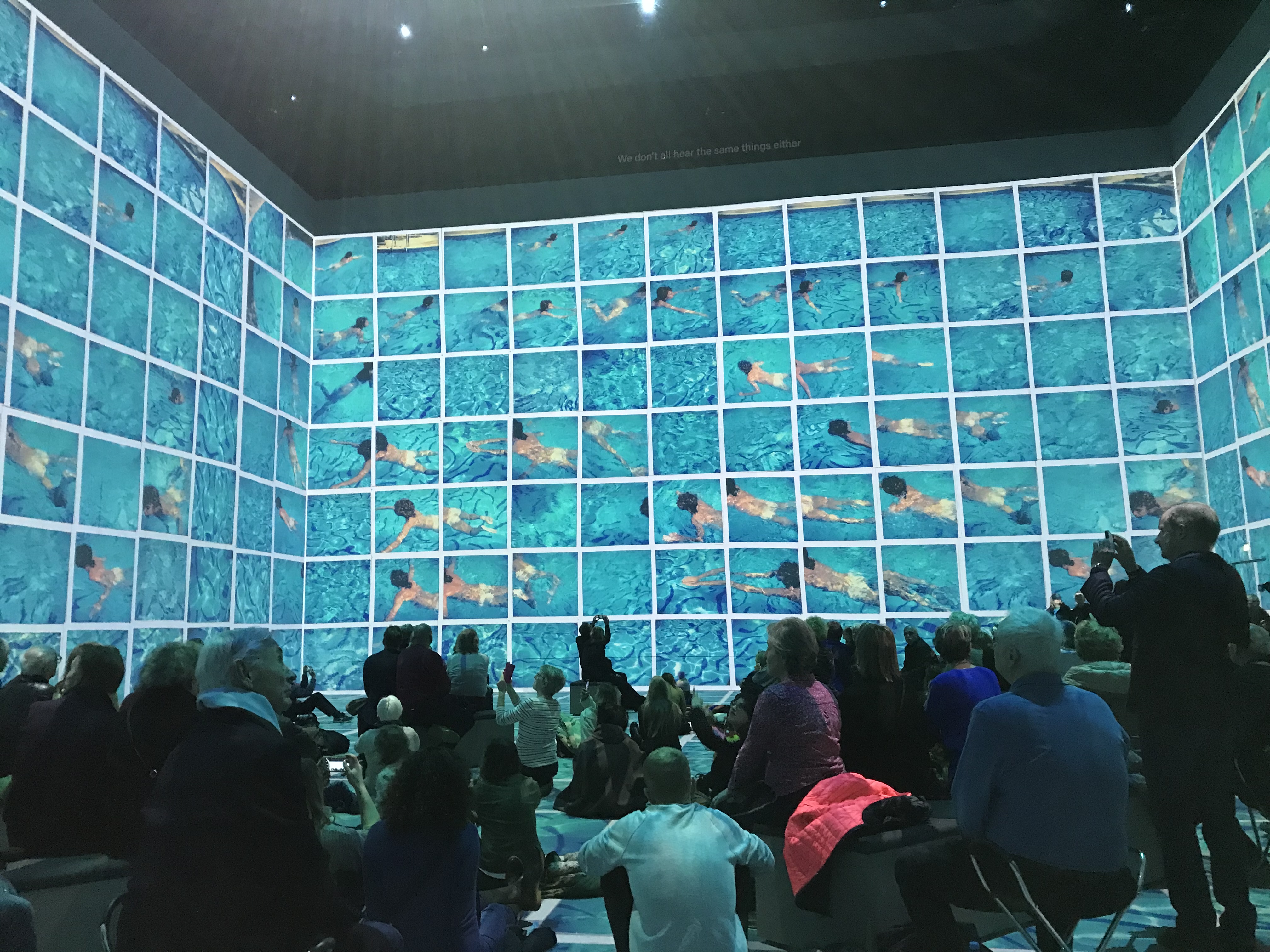
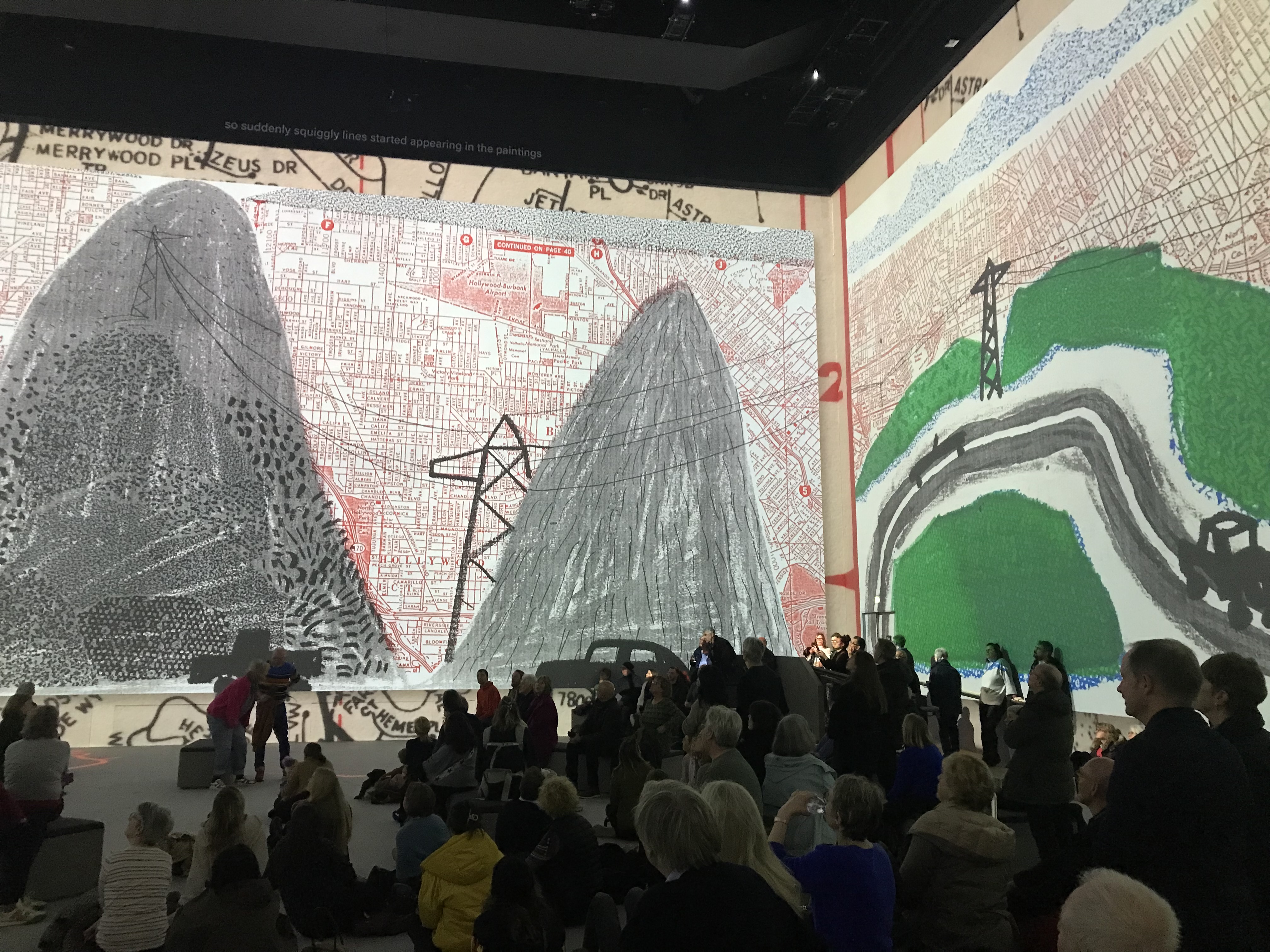
Hockney at Lightroom

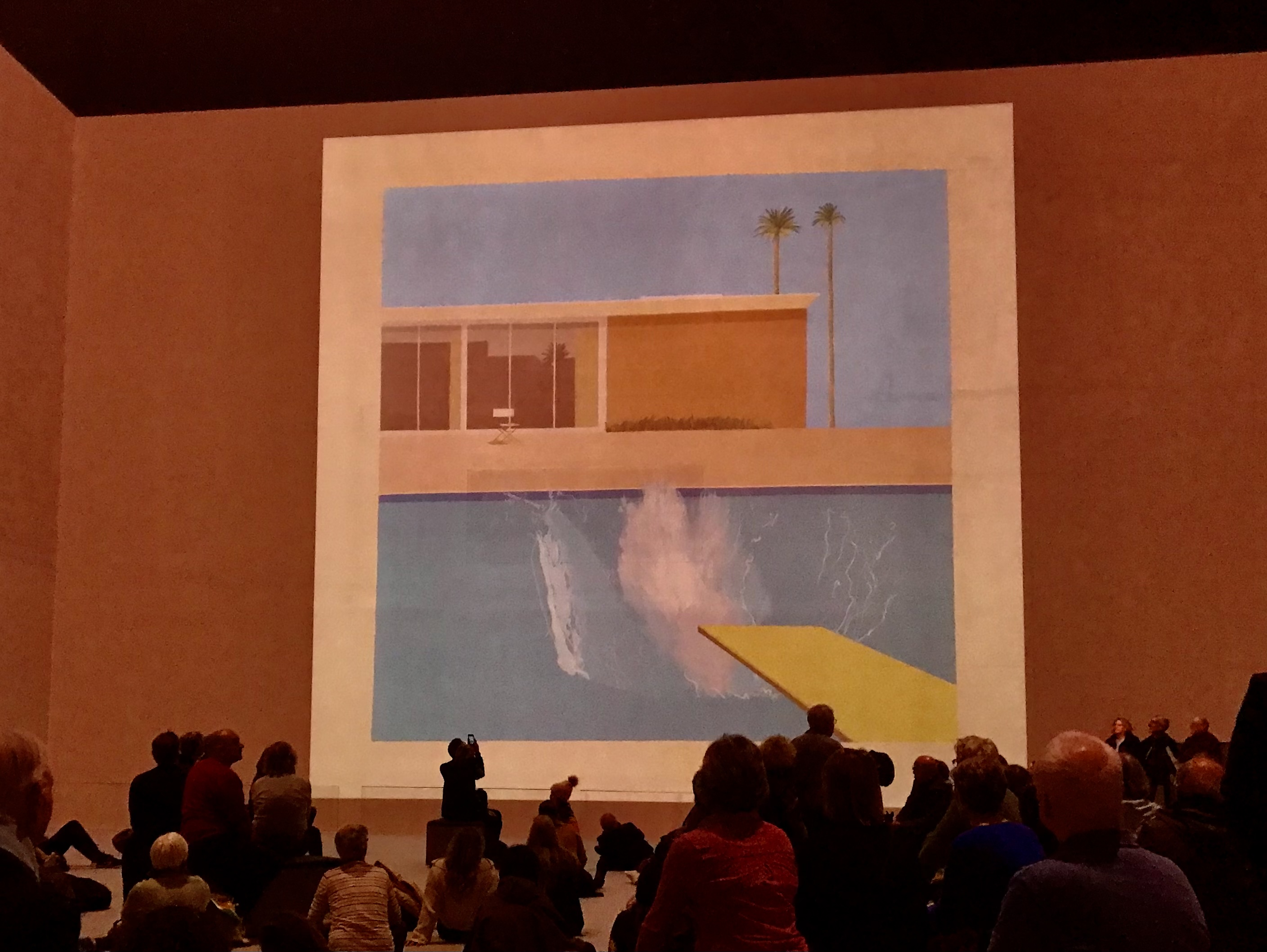
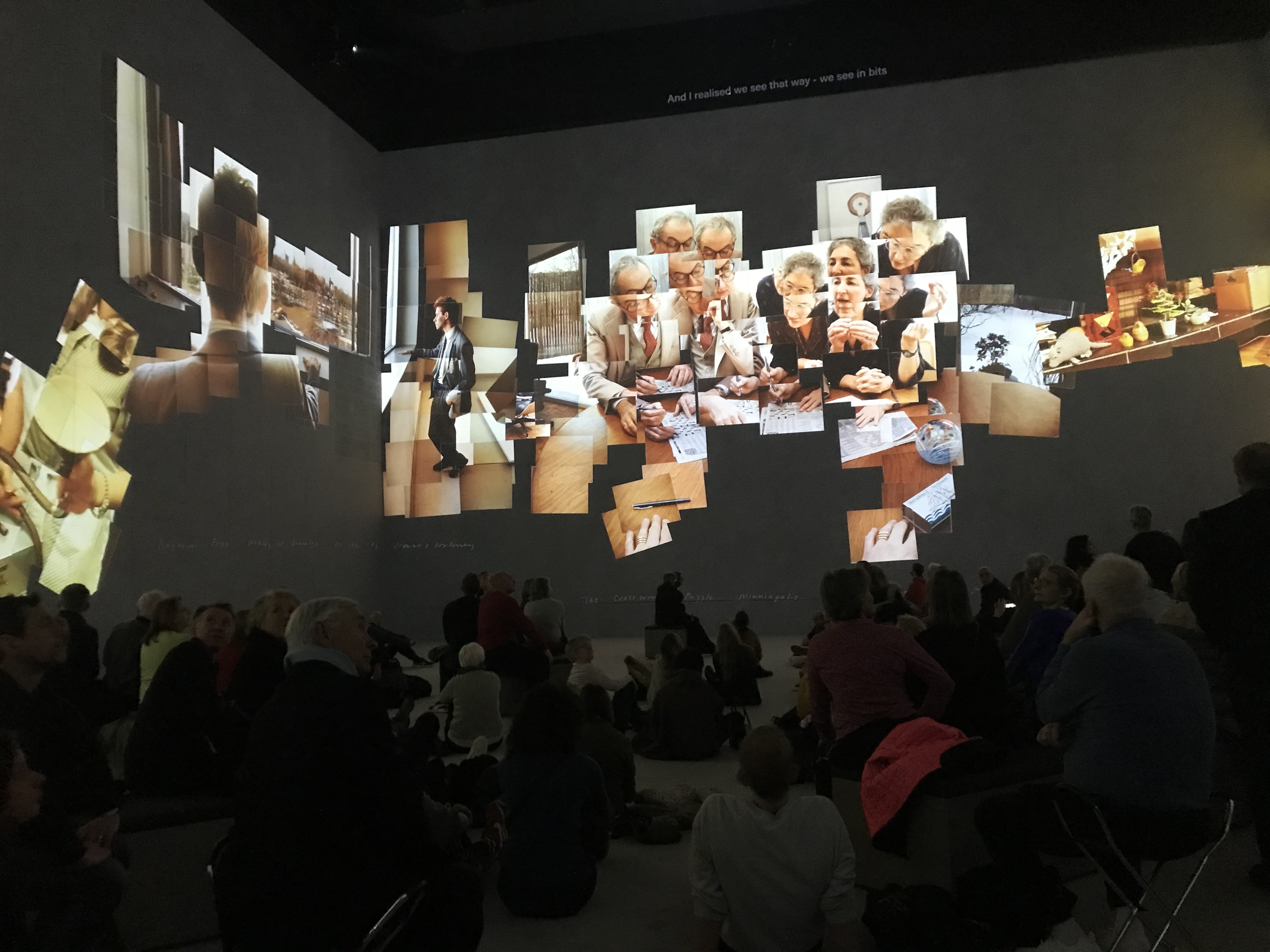
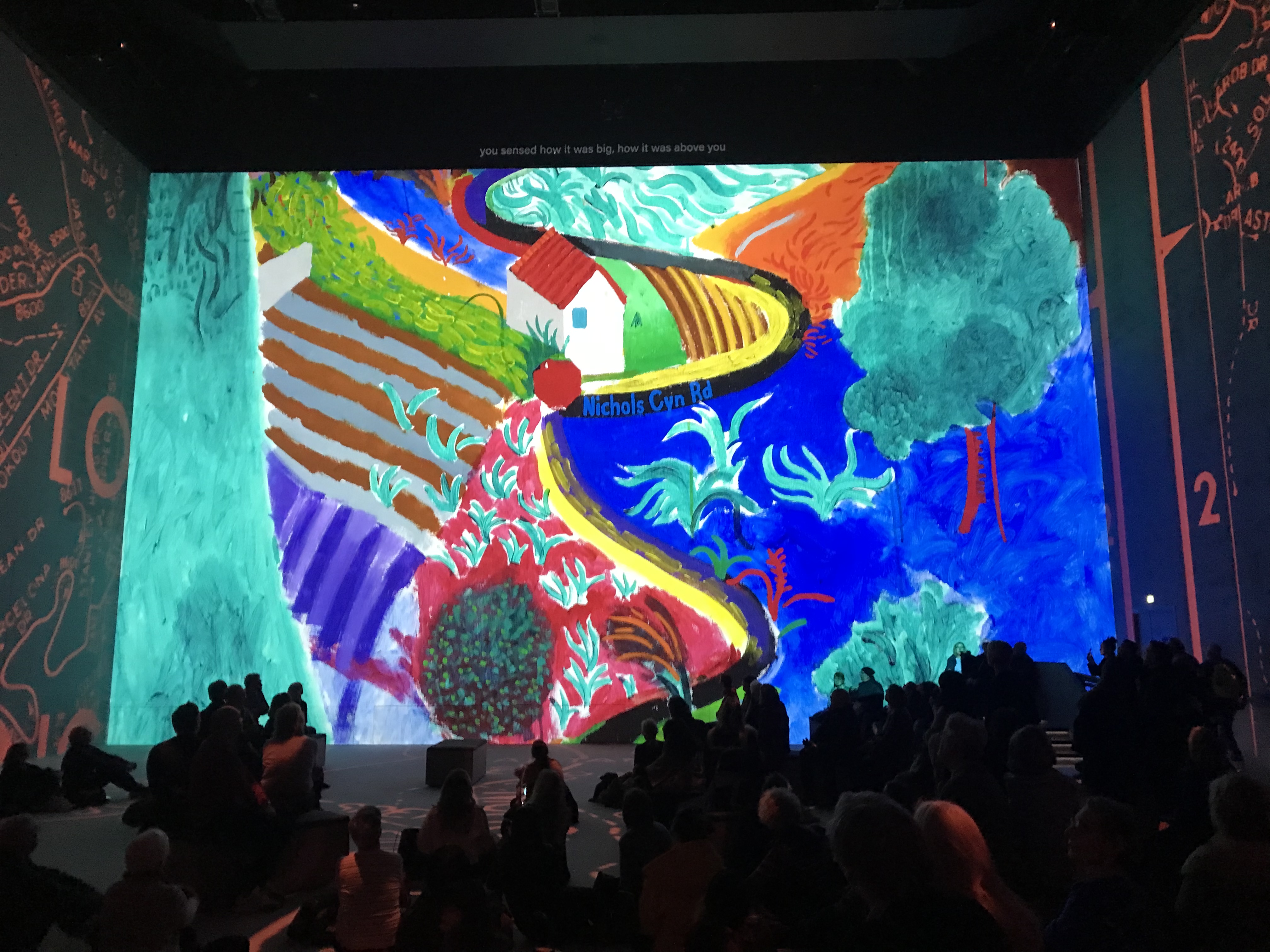
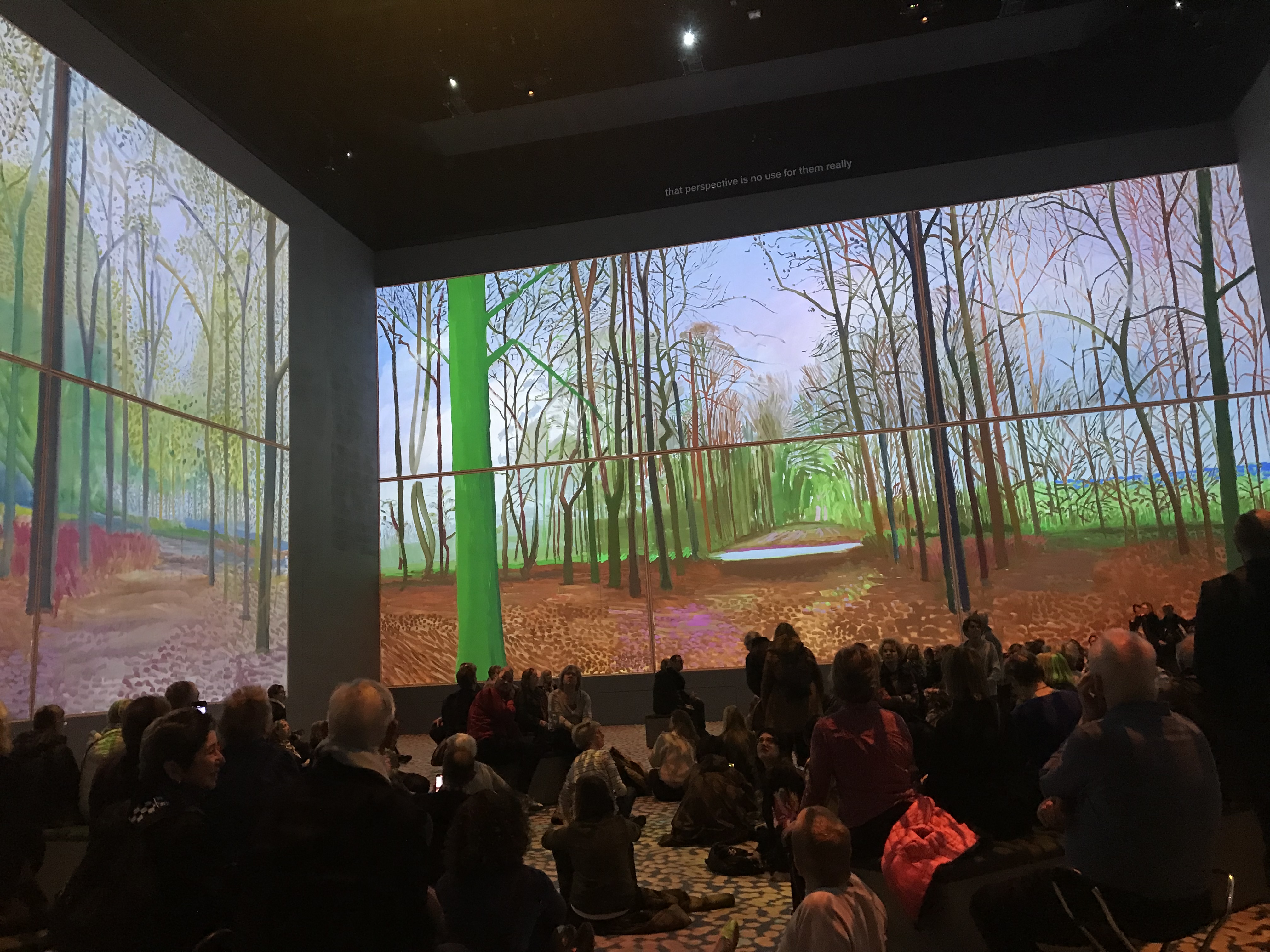
There has been a bit of a fashion lately for shows where an artist’s works are projected at huge size on the walls and floors. The Hockney one at Lightroom (‘Bigger and Closer, not smaller and further away’) is the first I know of where the artist is alive and actively involved in the show. Hockney, of course, has always been up for using technology, whether cameras or more recently iPads.

This show amounts to a guide or commentary to all the different periods of his career, narrated by the man himself. I thought a few things worked particularly well – watching the construction of some paintings, joining in his ‘Wagner Ride’ and animations of his set designs (he has apparently suggested the Lightroom set up could be used to stage a short opera).

It’s lucky that Hockney is good at explaining his views on perspective, say, or the representation of time. He tells us how much he liked it being always warm and sunny in L.A., but he also says there is no bad weather. (‘If it’s raining, I’ll paint the rain: if it’s snowing, I’ll paint the snow. All of the world is beautiful, really, but people don’t look at it.)

Dead Puppets

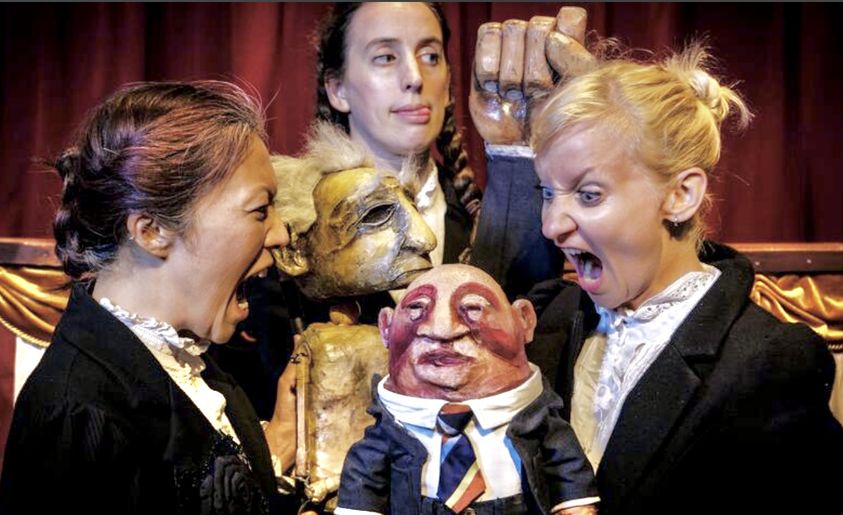
I’ve fallen a bit behind with my reviews, but I have to say a belated word about ‘Famous Puppet Death Scenes’ by the Old Trout Puppet Workshop from Canada. It is indeed essentially a puppet show with a series of death scenes showing off a range of jokes and ingenious stunts. You could call the style Gothic Absurd, perhaps: supposedly the sponsor, a puppet himself, has put together for our edification these celebrated death scenes, culminating in his own. The series is loosely bound together by some repeated motifs, especially a number of extracts from that seminal work The Feverish Heart by Nordo Frot.
The pieces are funny and ingenious (sometimes you may suspect a bit has found its way into the show because it’s such an amusing idea, rather than because it fits the theme brilliantly, but hey, what’s wrong with that?) and actually have some genuine shock value. You won’t expect deep philosophy, but things are rounded out with a little moral reflection, delivered as snappily as the rest. If this show or this group ever come your way, give it a try.