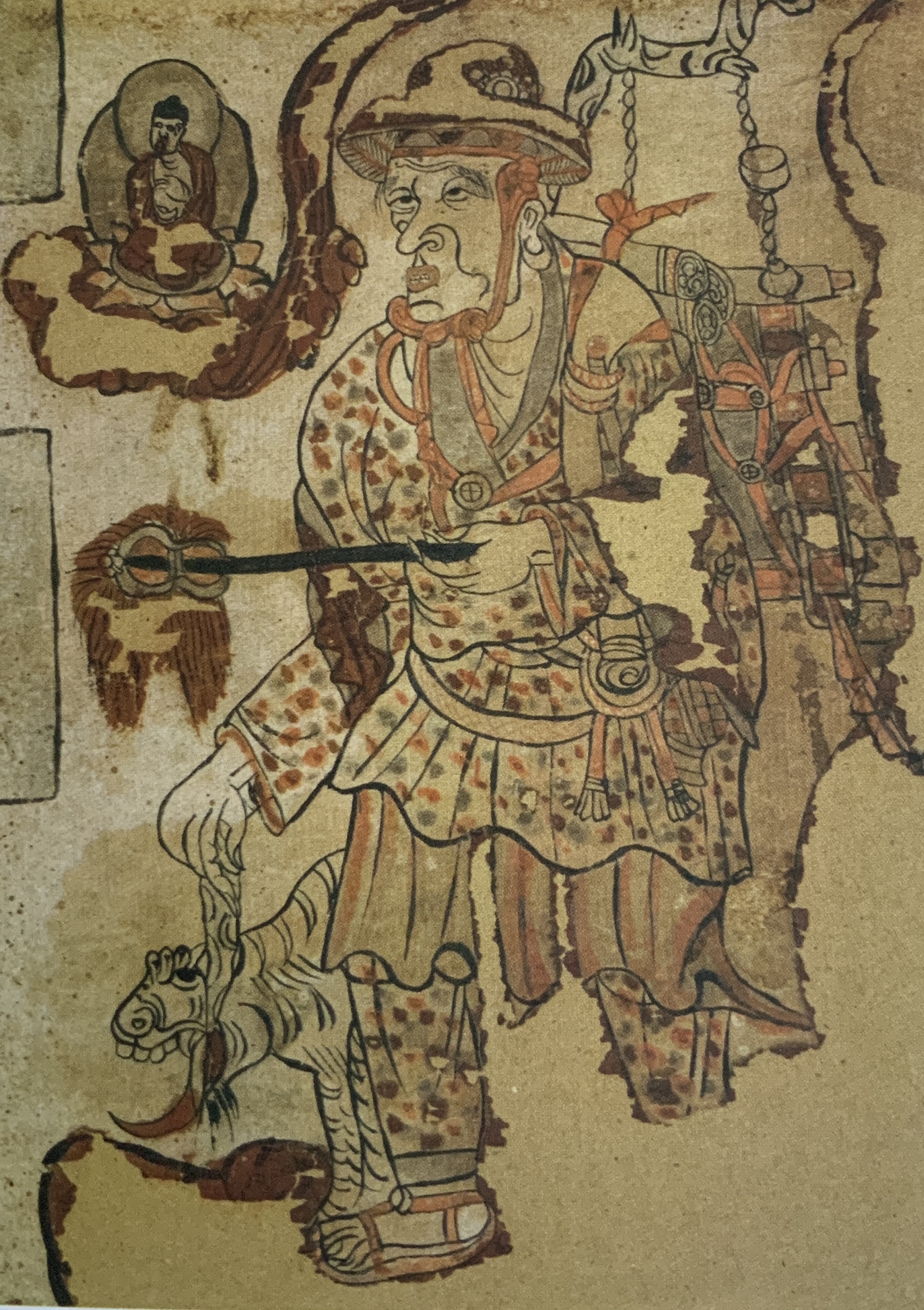
Francis Bacon: Human Presence

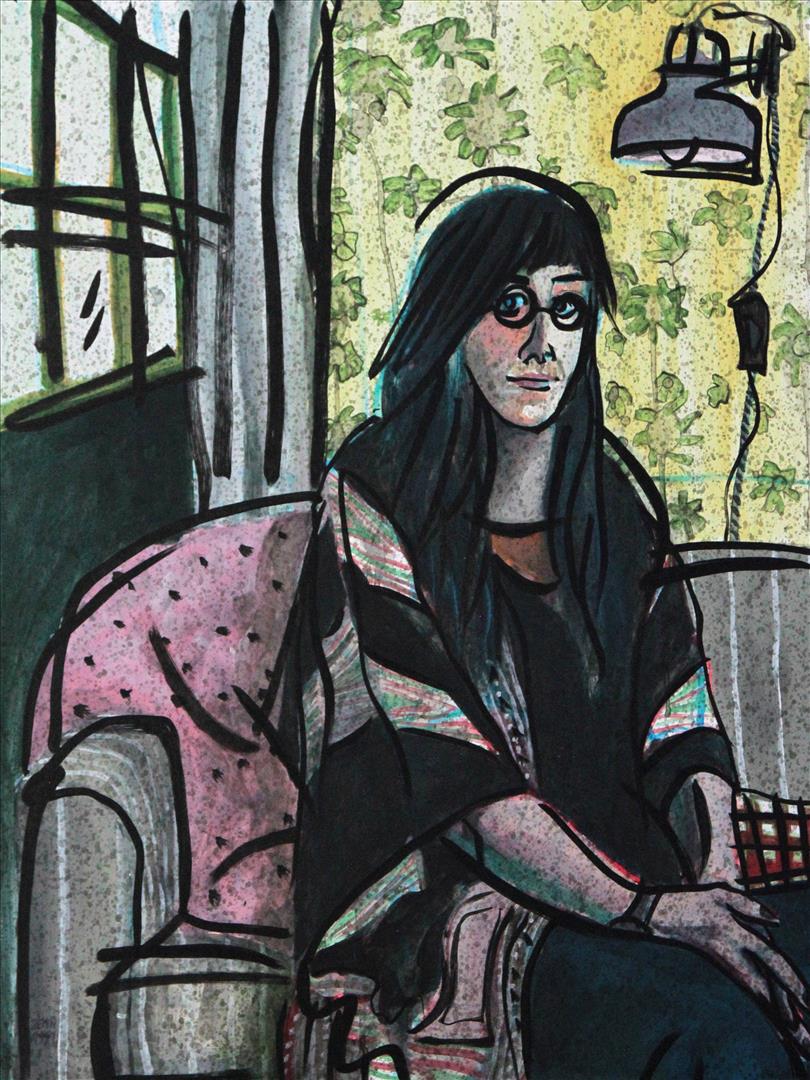
We went to the current exhibition at the National Portrait Gallery. People sometimes see a problem with the NPG’s remit – are they meant to collect paintings by famous artists or of famous people? But this show is unimpeachable, foregrounding an important aspect of a major artist’s work.

Bacon’s work never stopped being figurative, but he smooshes views in a way that combines and gives a sense of observer motion. It seems he often put one person’s head on a body painted from photographs of someone else. There’s also often a sense of horror, with the screaming heads and internal body parts.

The exhibition tellingly brings out his enthusiasm for certain great painters of the past: Velasquez, Rembrandt, Van Gogh, which helps situate an innovative painter within the great tradition.

The Duchess

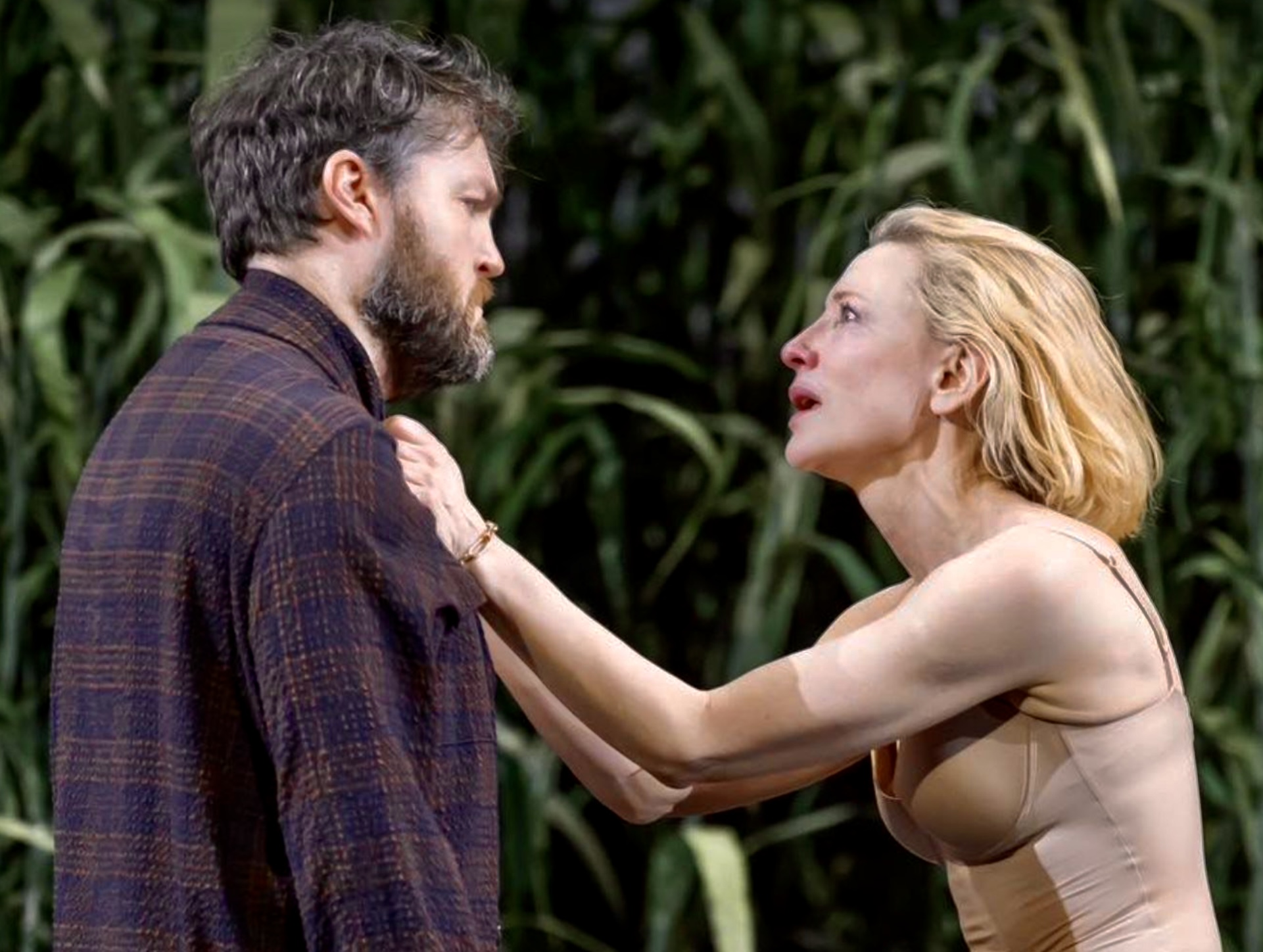
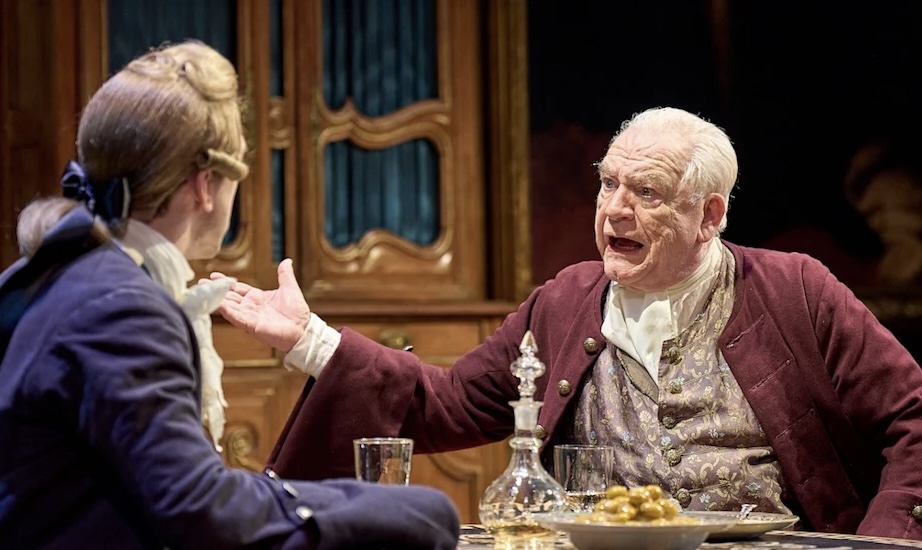
The Duchess, starring Jodie Whittaker, is an updated version of Webster’s The Duchess of Malfi. As in the original, the widowed young Duchess secretly marries her steward and has children by him, leading to violent intervention from her brothers, one of whom is a cardinal. A bloody second act leaves pretty much everyone horribly dead (this is John Webster, after all).

Good performances and a suitably stark setting, but the update doesn’t work well. The Duchess’s seduction of her steward is played for laughs, which makes it hard to accept later on that this is a passion people will die for. The characters are given a sweary, casual, 21st century manner, which makes their Jacobean behaviour puzzling, and undercuts the horror of the later scenes. Are they just mucking about? The audience laughs at lines they are meant to take seriously, as if the whole thing were a parody or a historical sitcom.

It may be that the intended message is that our patriarchal attitudes are still all too much like those of the seventeenth century: but the play sort of demonstrates the opposite. These people actually seem pretty weird and keep doing things for no reason a modern, egalitarian mind can grasp. I think Webster needs a kind of claustrophobia and deep passion to achieve his impact, and neither is present here, unfortunately.

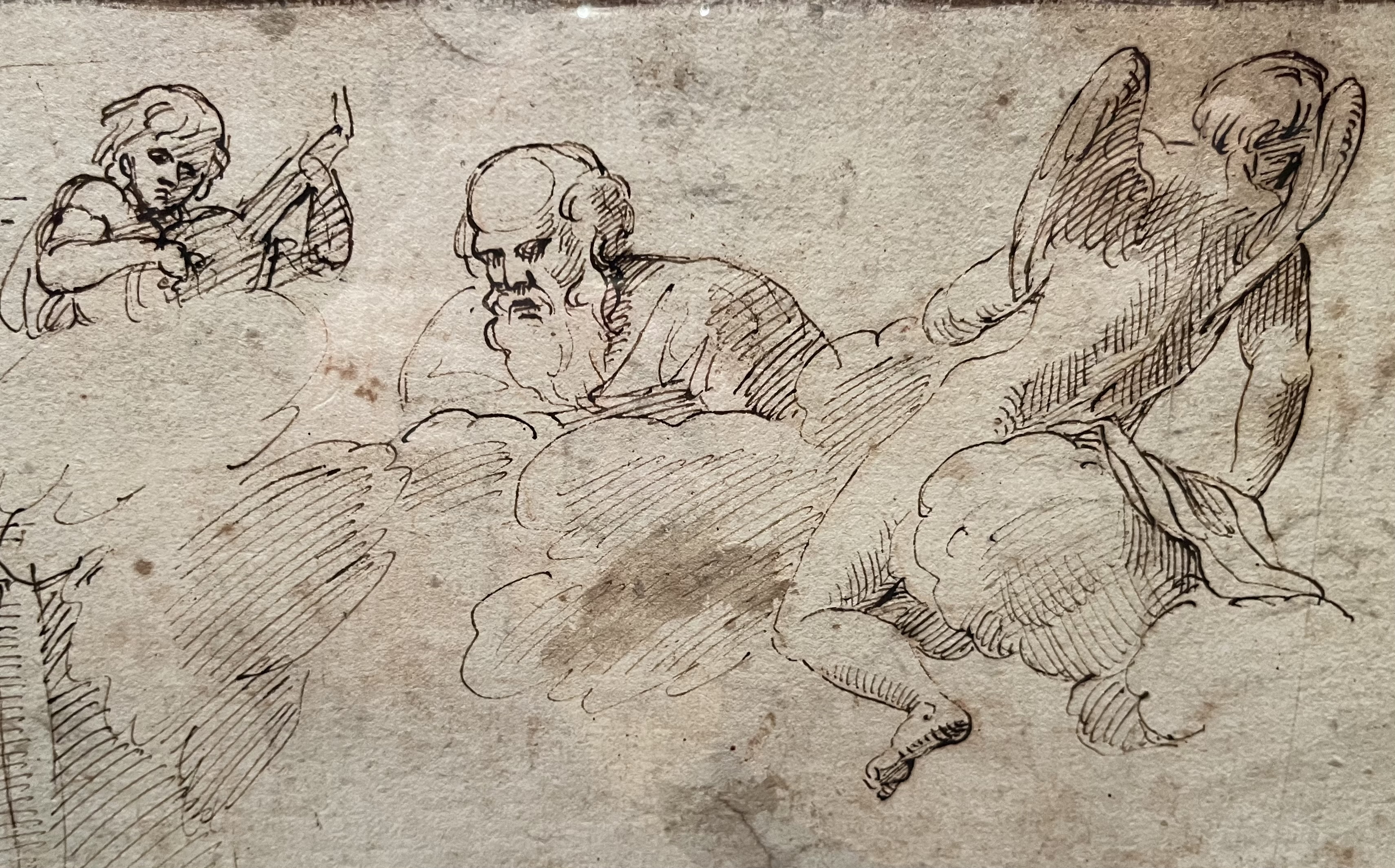
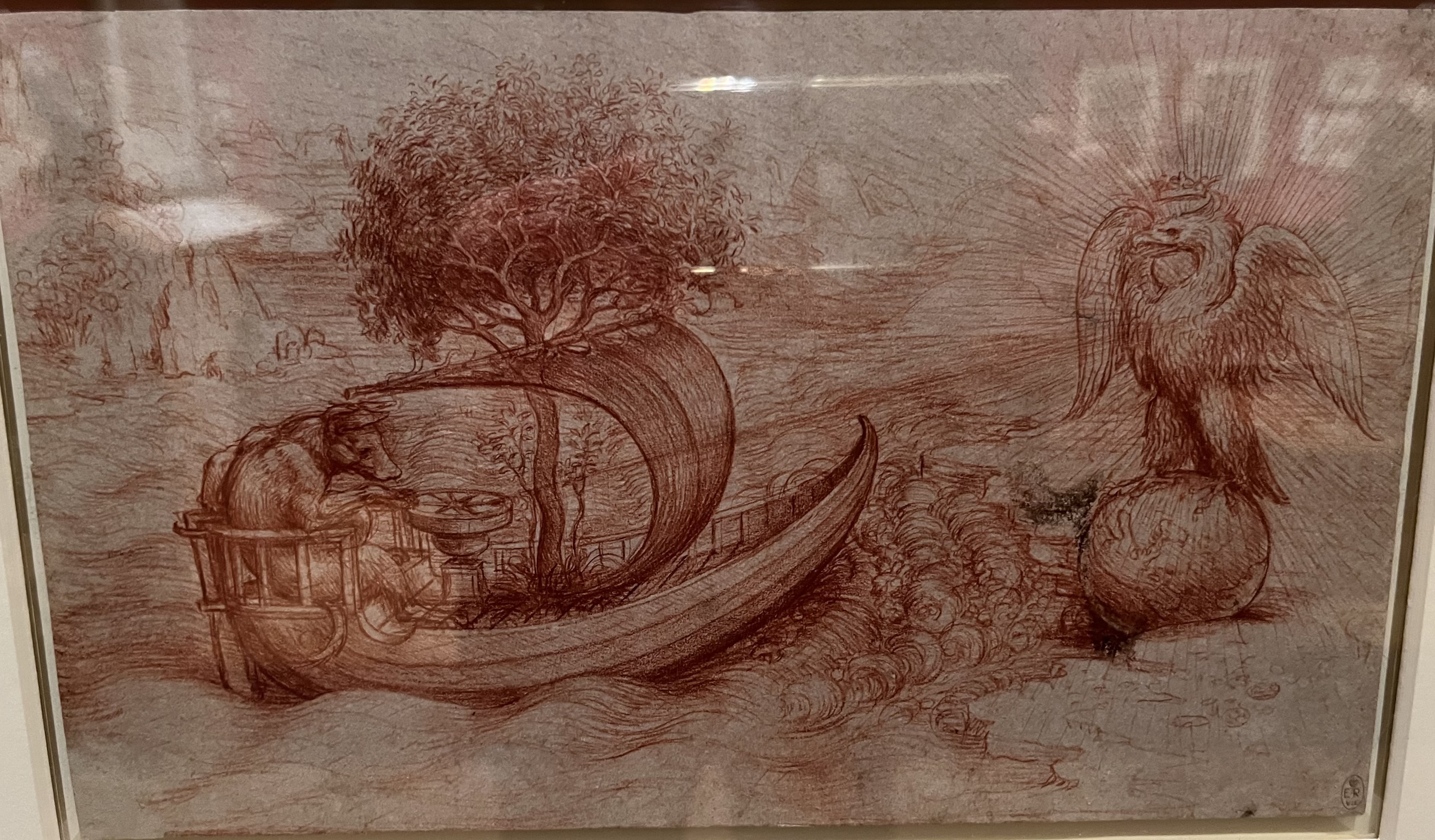
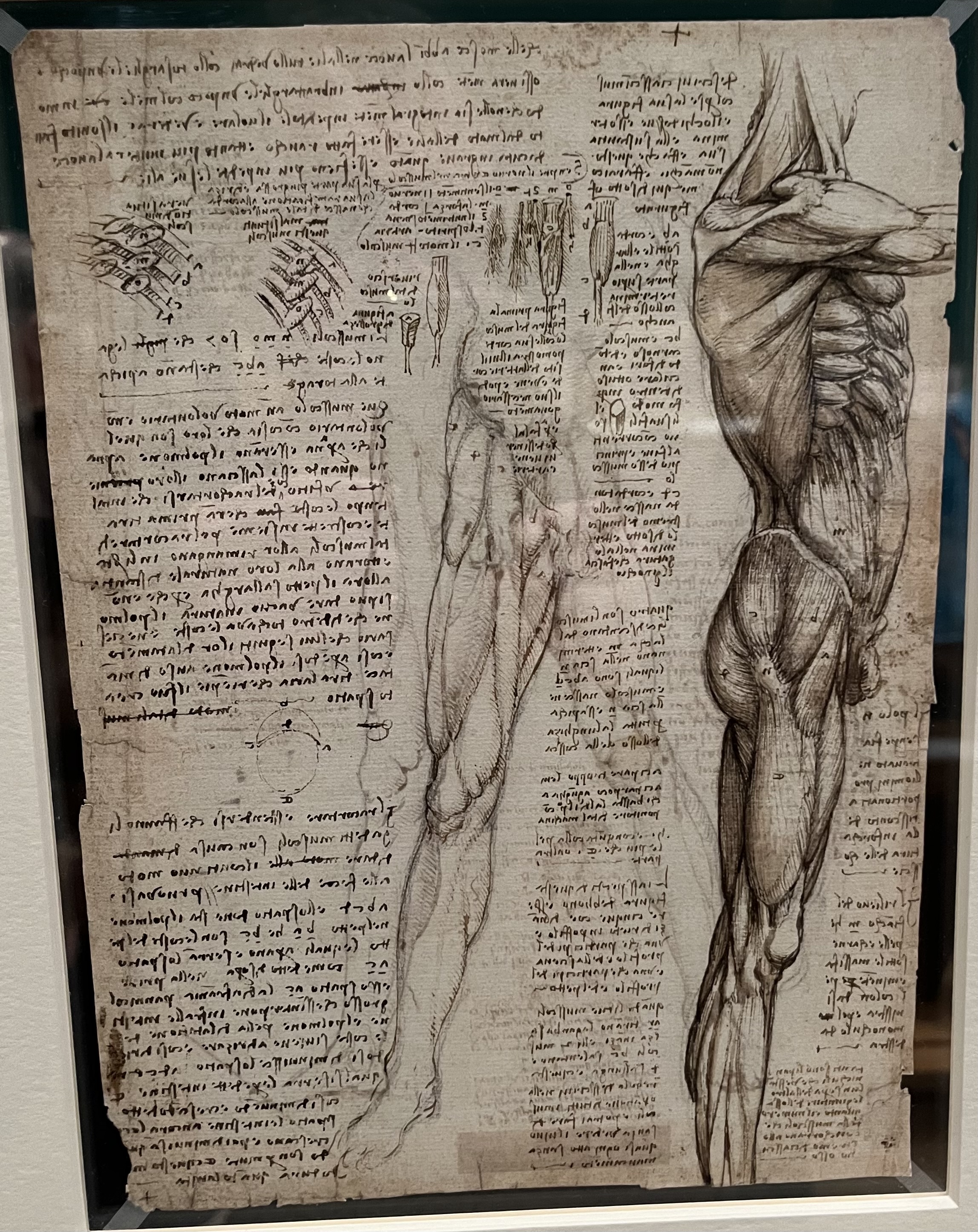
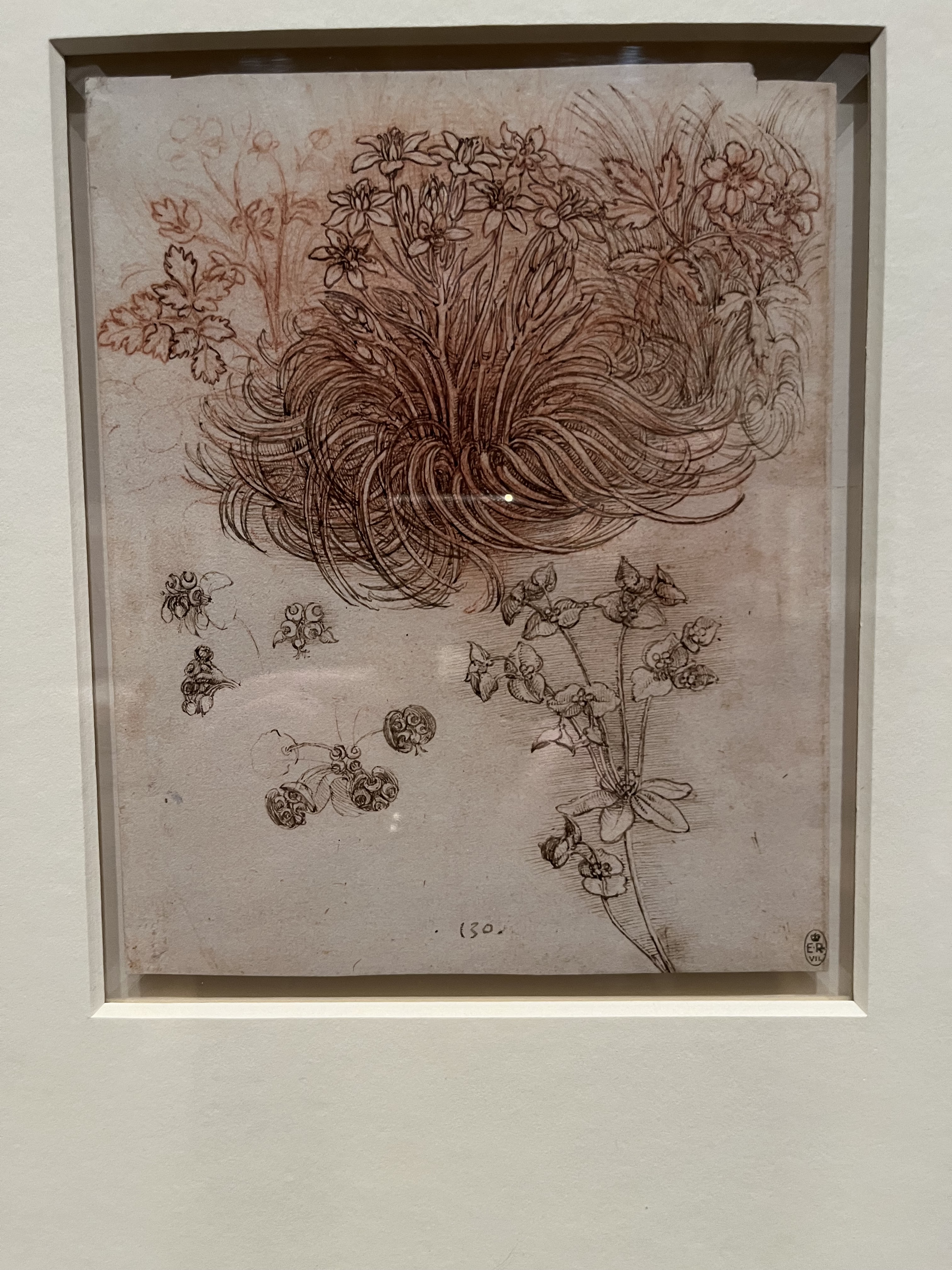
Drawing the Italian Renaissance

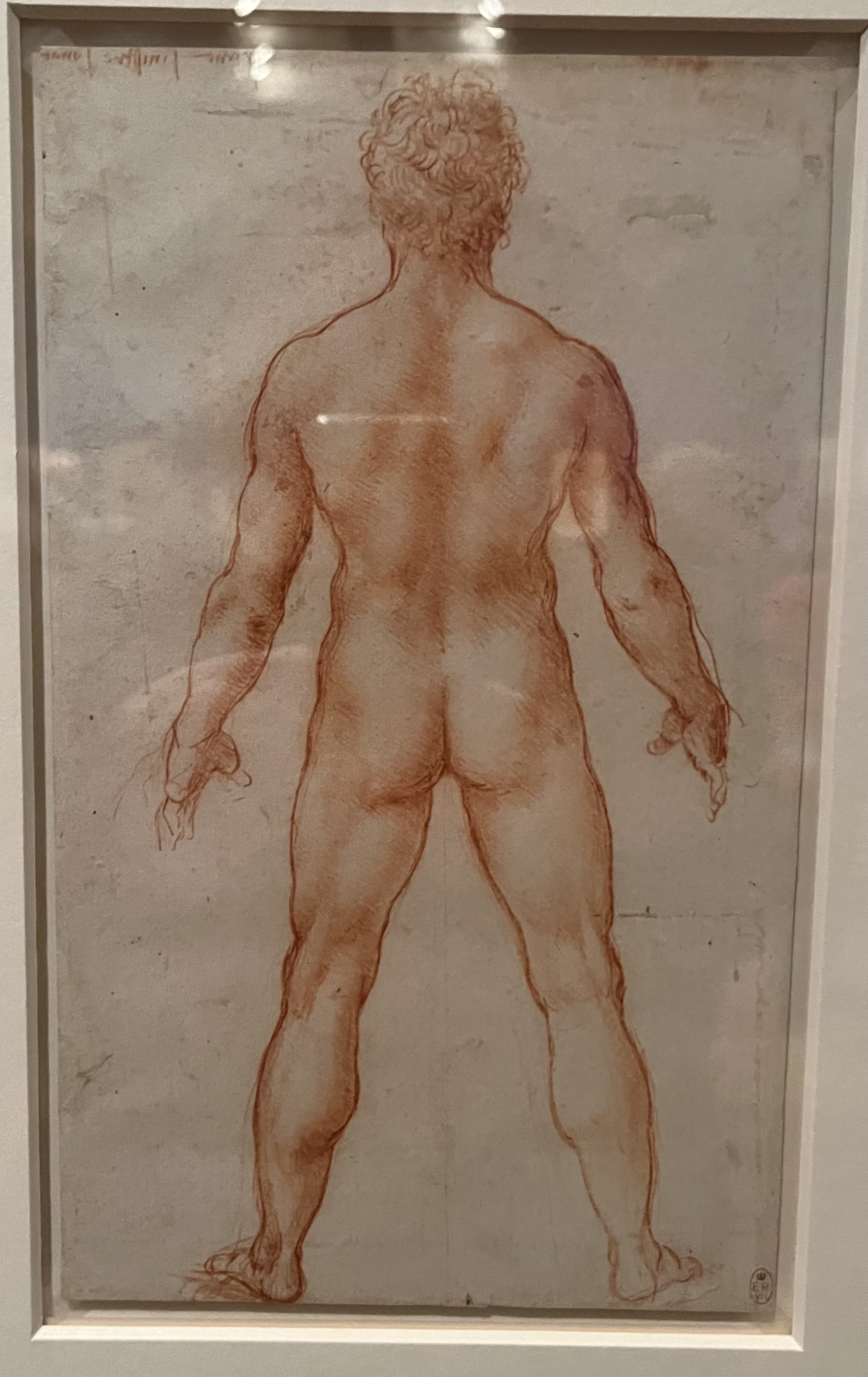
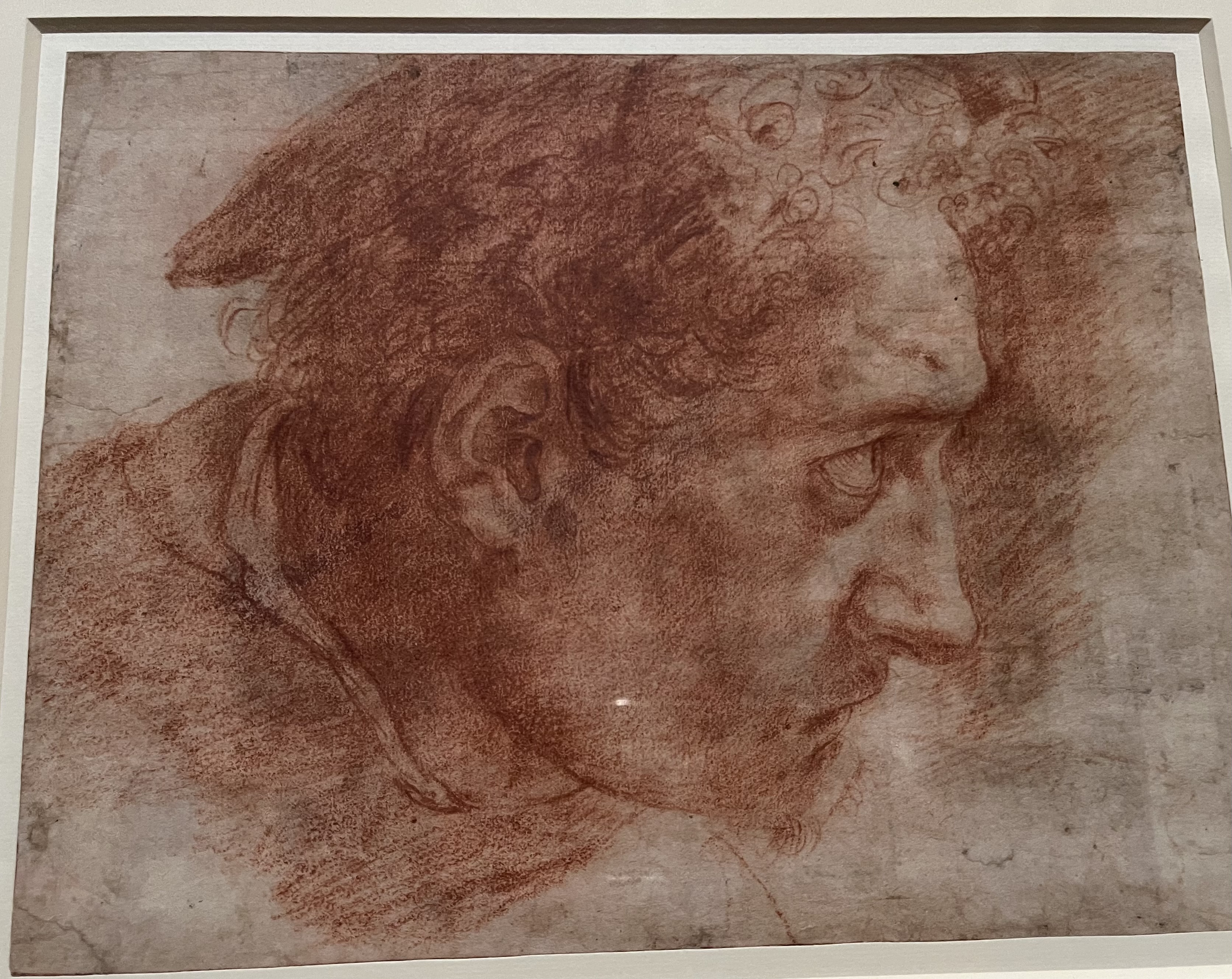
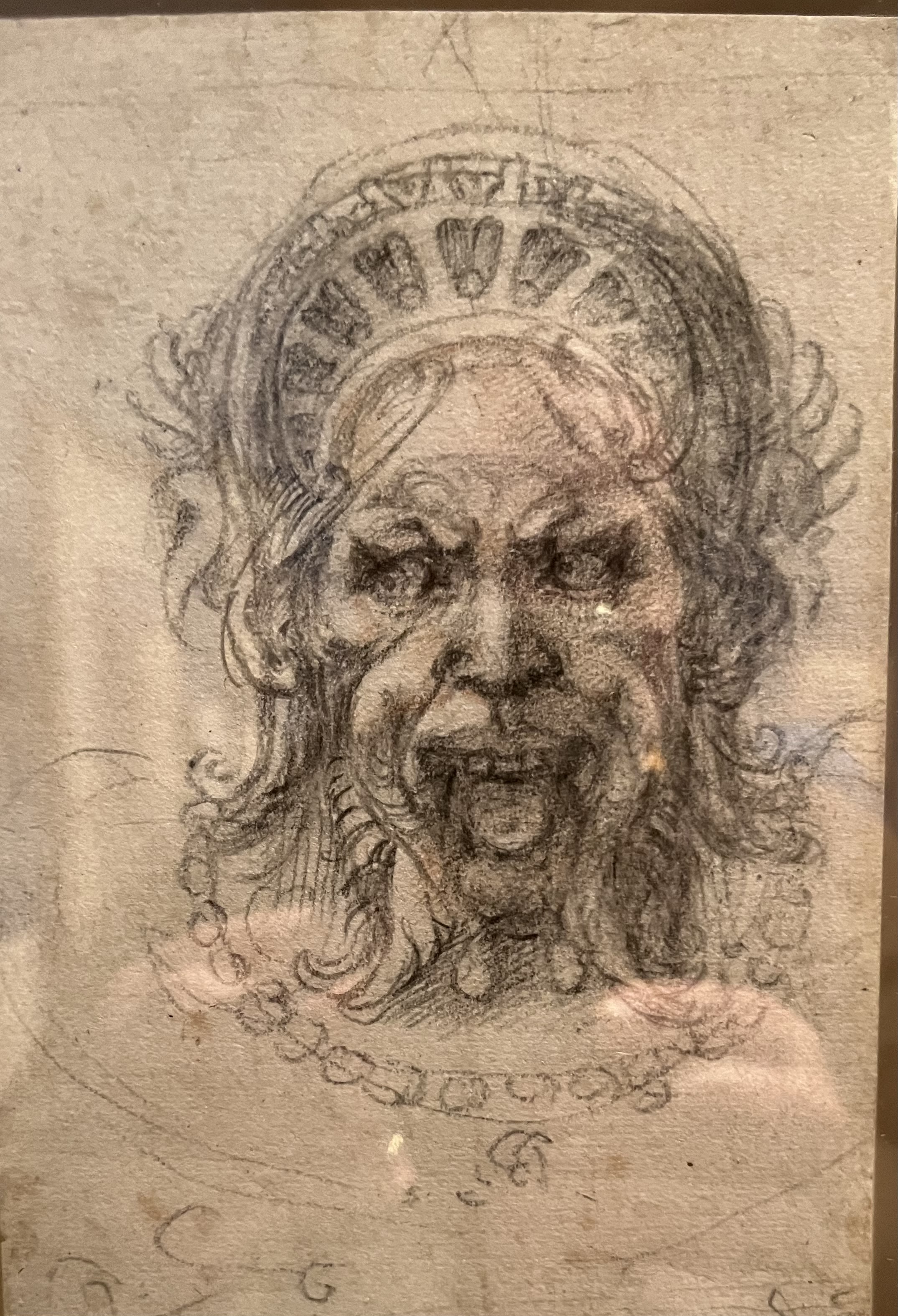
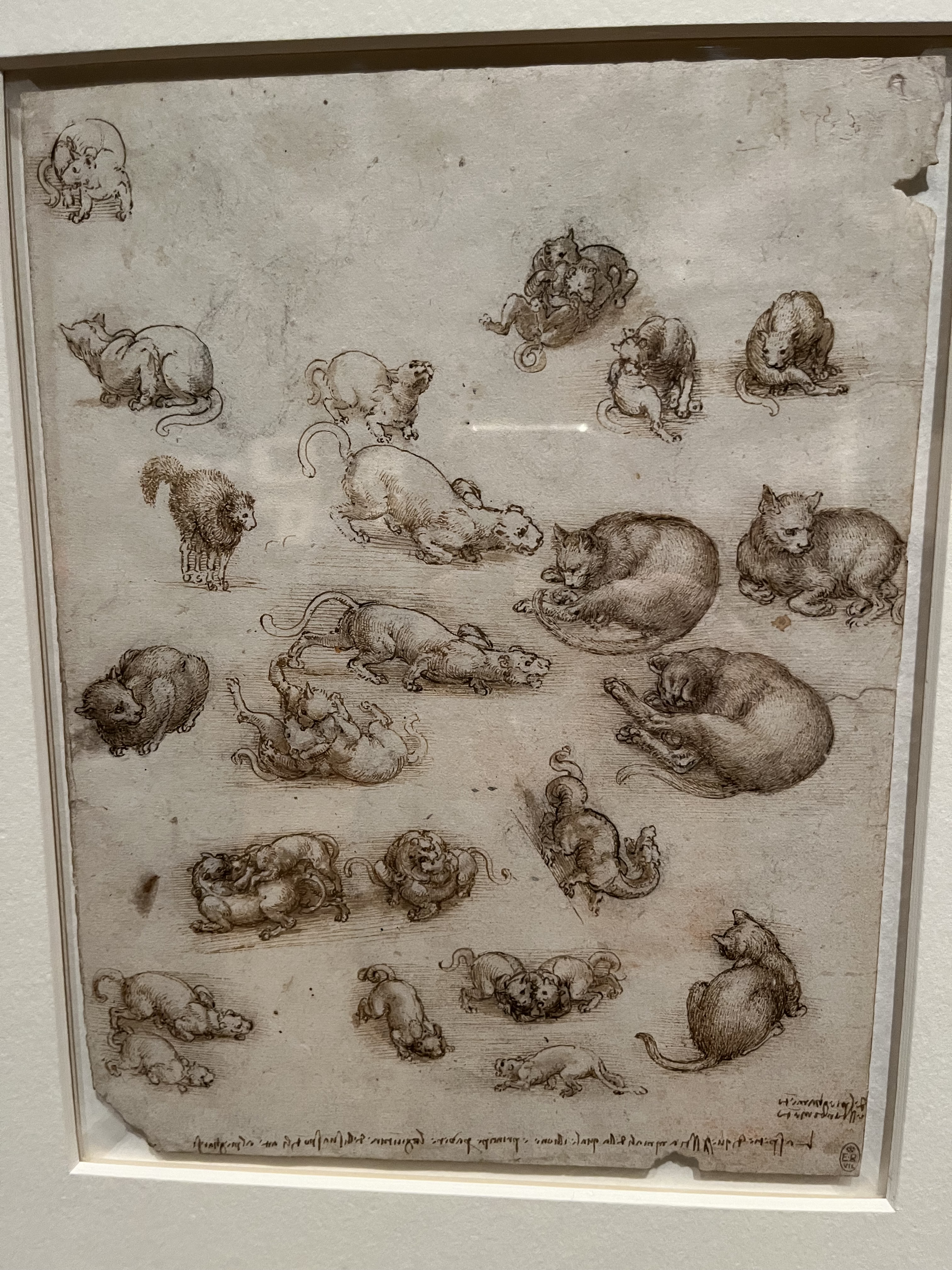
A remarkable exhibition of Renaissance drawings at the King’s Gallery. It features stunning works by Leonardo, Michaelangelo and Raphael as well as many other artists – in fact I thought the most memorable drawing of all was an amazingly vivid head of St Thomas by Caravaggio (not that one, the less well-known Polidori da Caravaggio, no relation).

It is astonishing what fine shading with chalk, ink and charcoal is achieved in some of these drawings, up to a smooth, perfect modulation that verges on photographic: but others are bold sketches which were only working drawings. Quite a few have the pinpricks which were used to guide copies: a few have the tiny black dots which resulted from blowing fine black powder through these holes.

The gallery provides paper and pencils for you to have a go yourself if you’re brave and/or talented enough. Not me!

RA Summer Exhibition 2024

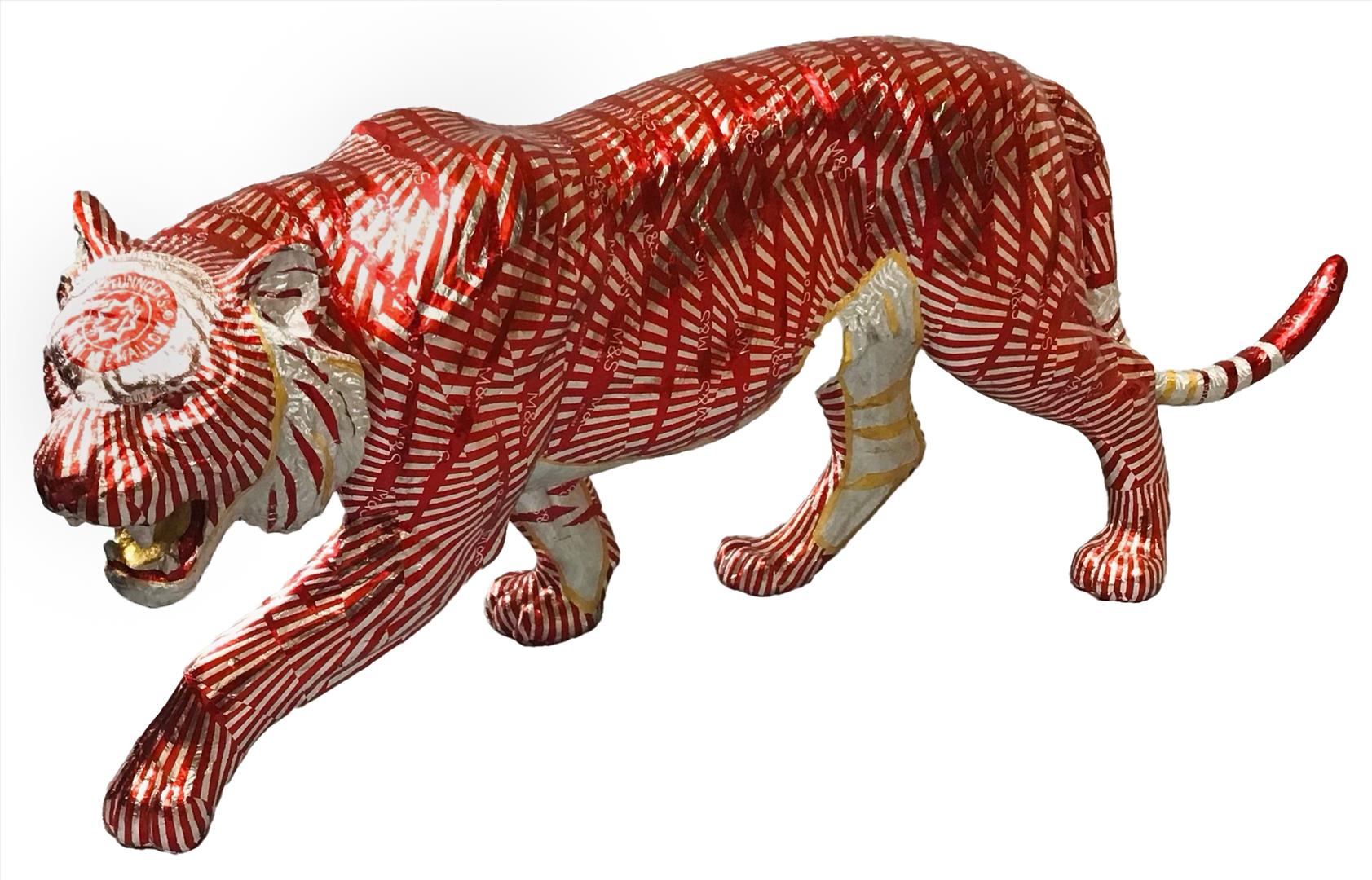
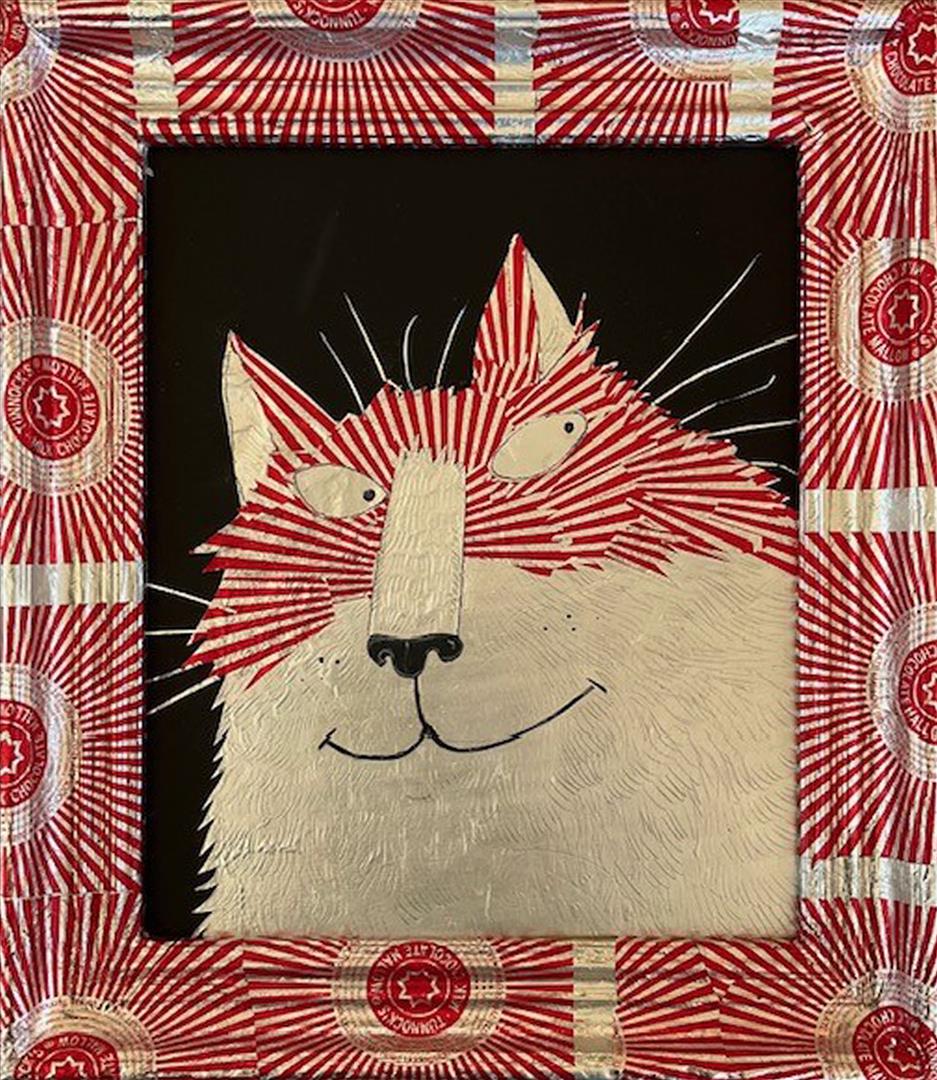
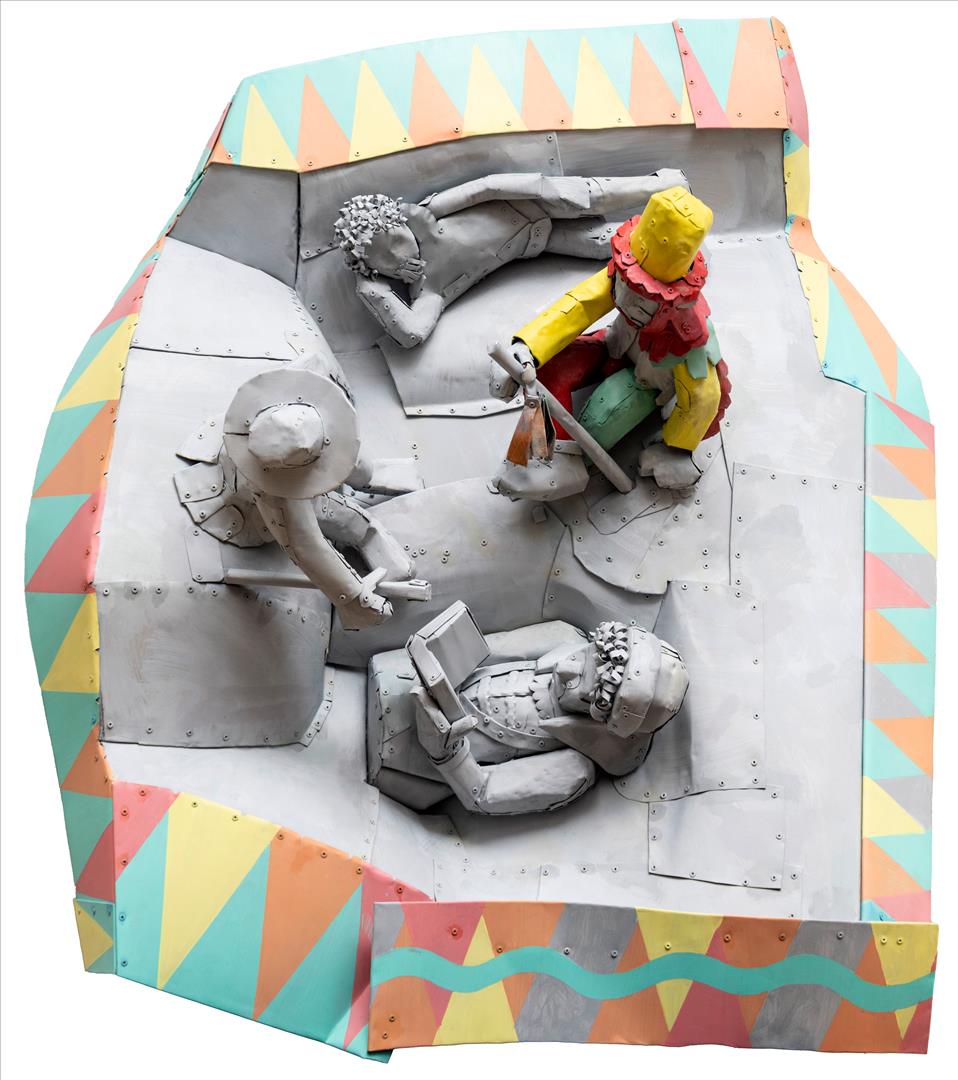
What to do about the Royal Academy Summer Exhibition? Every year members may exhibit up to three works, but there is also an open competition to which anyone can submit a work, and this is the part that captures the public imagination (my late father submitted a couple of his surreal paintings, without success). Most of the pieces are for sale, at prices ranging from less than £250 up to tens of thousands or more. The result is a wildly varied ragbag of every kind of art from the cornily lowbrow to the most opaquely avant garde, and from works of peerless skill to casual daubs. Quite a few of the works on display are jokey or entertaining novelties. The Academy likes to show as many as it can, so some small pictures are left way up the gallery wall where they cannot be seen properly. It’s all sort of fun, but it isn’t coherent or representative and not much is memorable.

No information about the artists is given beyond their name, and if I were in charge, this is what I would change. I would give a picture and short bio of each artist beside their work. This year’s pieces would be low on the wall, with the opportunity to show others by the same artist directly above, with each vertical space reserved for one artist. I think a little context like this would make the whole thing more interesting.

That would mean fewer artists on the walls, but I would compensate with a big online show, which would also be displayed on screens in one gallery.

That’s that sorted out.

There is Light Somewhere

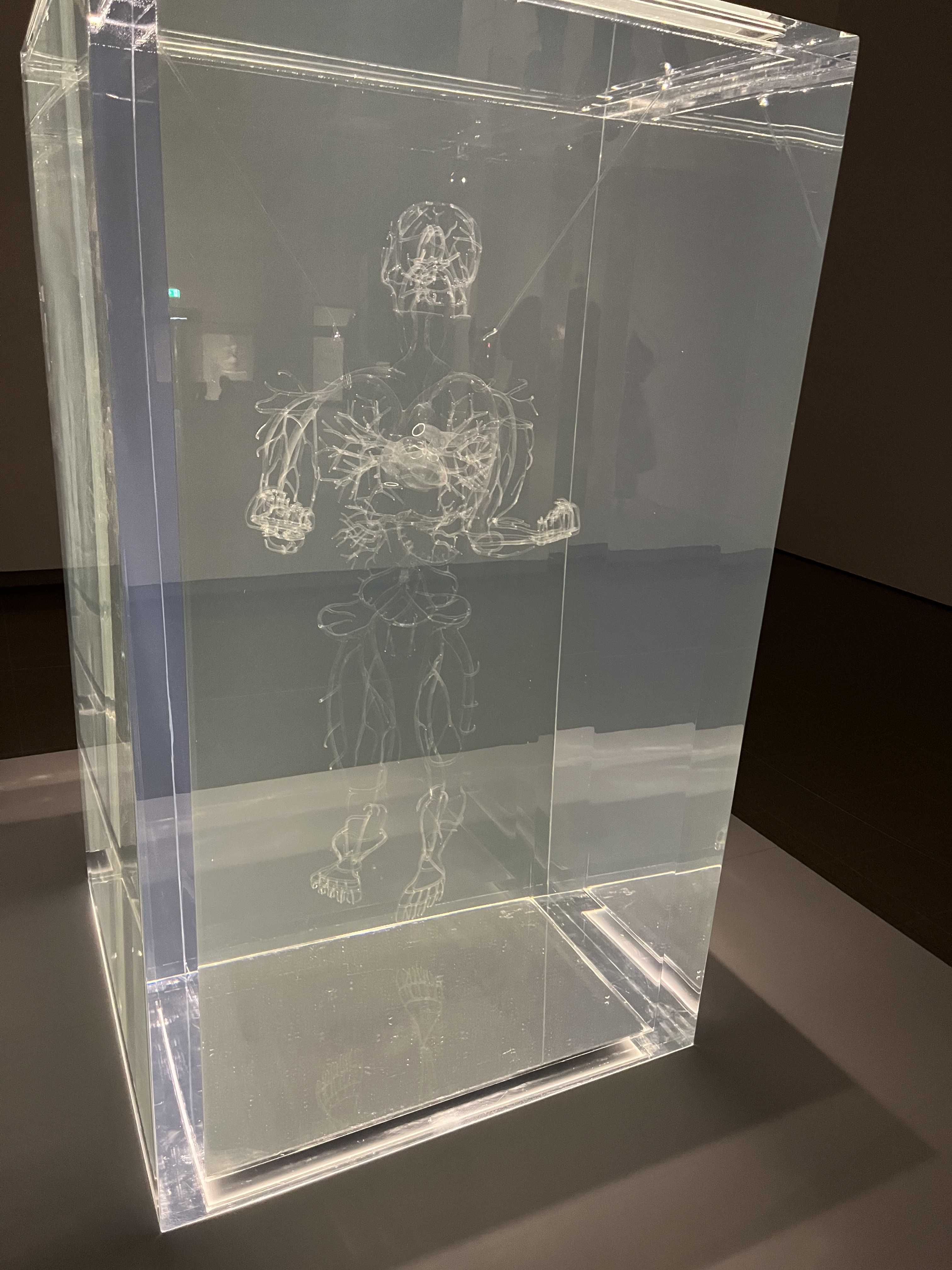
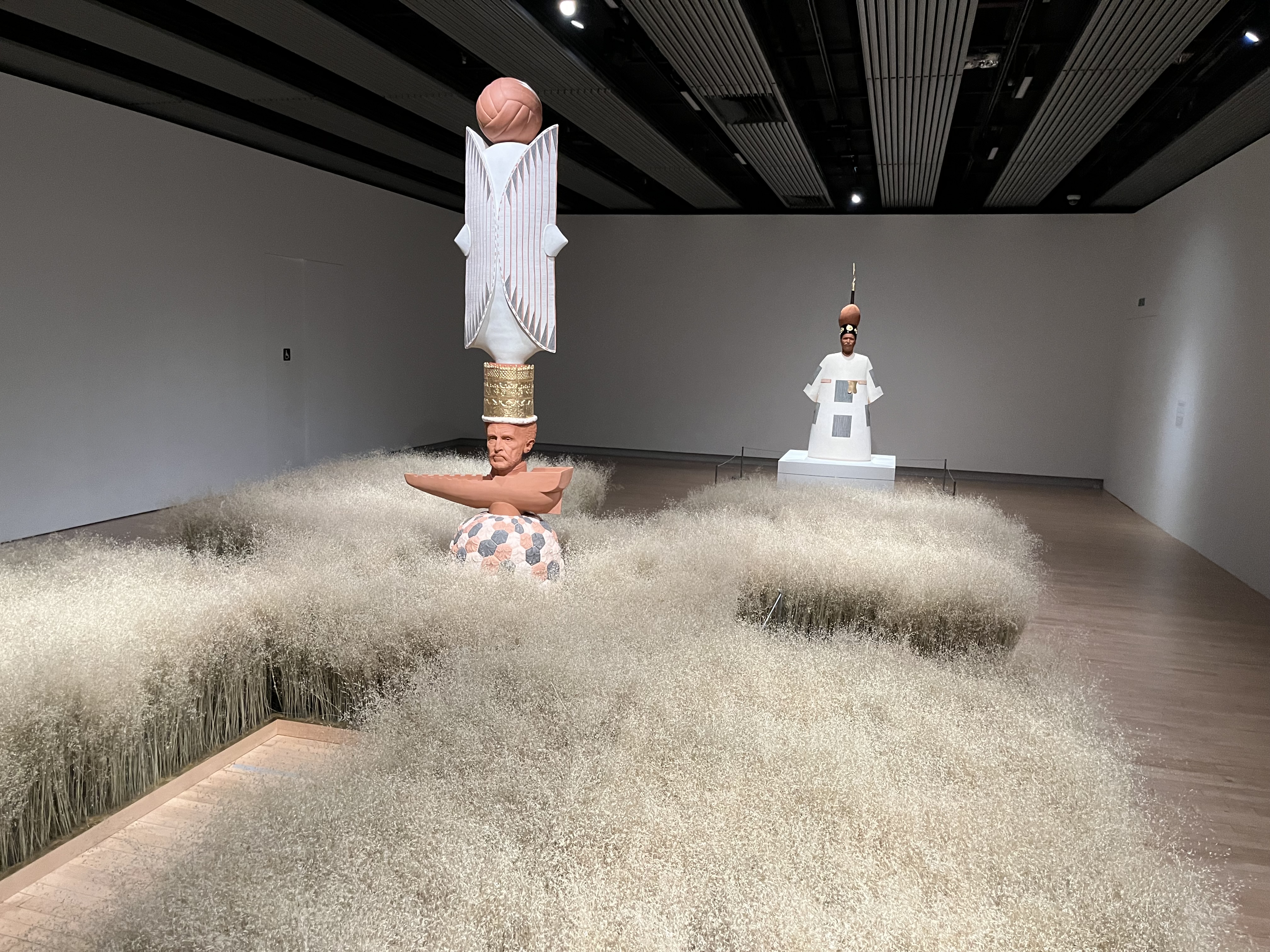
Tavares Strachan: There is Light Somewhere, at the Hayward, is striking and provokes both thought and quibbles. It features many striking pieces. Heads of black heroes, either huge and crisscrossed with cracks full of writing (which I couldn’t read), or open to reveal another head within, or fronted by an African tribal mask. Celebrations of the invisible (Strachan’s own encyclopaedia, glass statues suspended in clear oil). And pieces that relate to aspirational journeys, whether a Black Star ship amazingly on the gallery roof, black astronauts, or Strachan’s own journey to the North Pole, where he planted the flag of his native Bahamas, and shipped back a block of ice.

It seems clear that this show is about black aspiration, a search for light in the darkness and within the self. The message is encouraging, inspiriting, not downbeat, but even without that positive context most of the works are well worth seeing.

The quibbles? Some of the people in the encyclopaedia don’t seem all that invisible (Mary Woolstonecraft? Xenocrates?) while others perhaps deserve to be (minor characters from cartoons?). It’s not clear that the African people who made the masks would have liked their being used here, nor whether all the heroes would welcome wearing them. Is Septimius Severus the Roman Emperor here because he was born in Africa? But he is surely a leader of European imperialism (clue’s in his title).

But those are indeed quibbles. A memorable exhibition.

Down Street

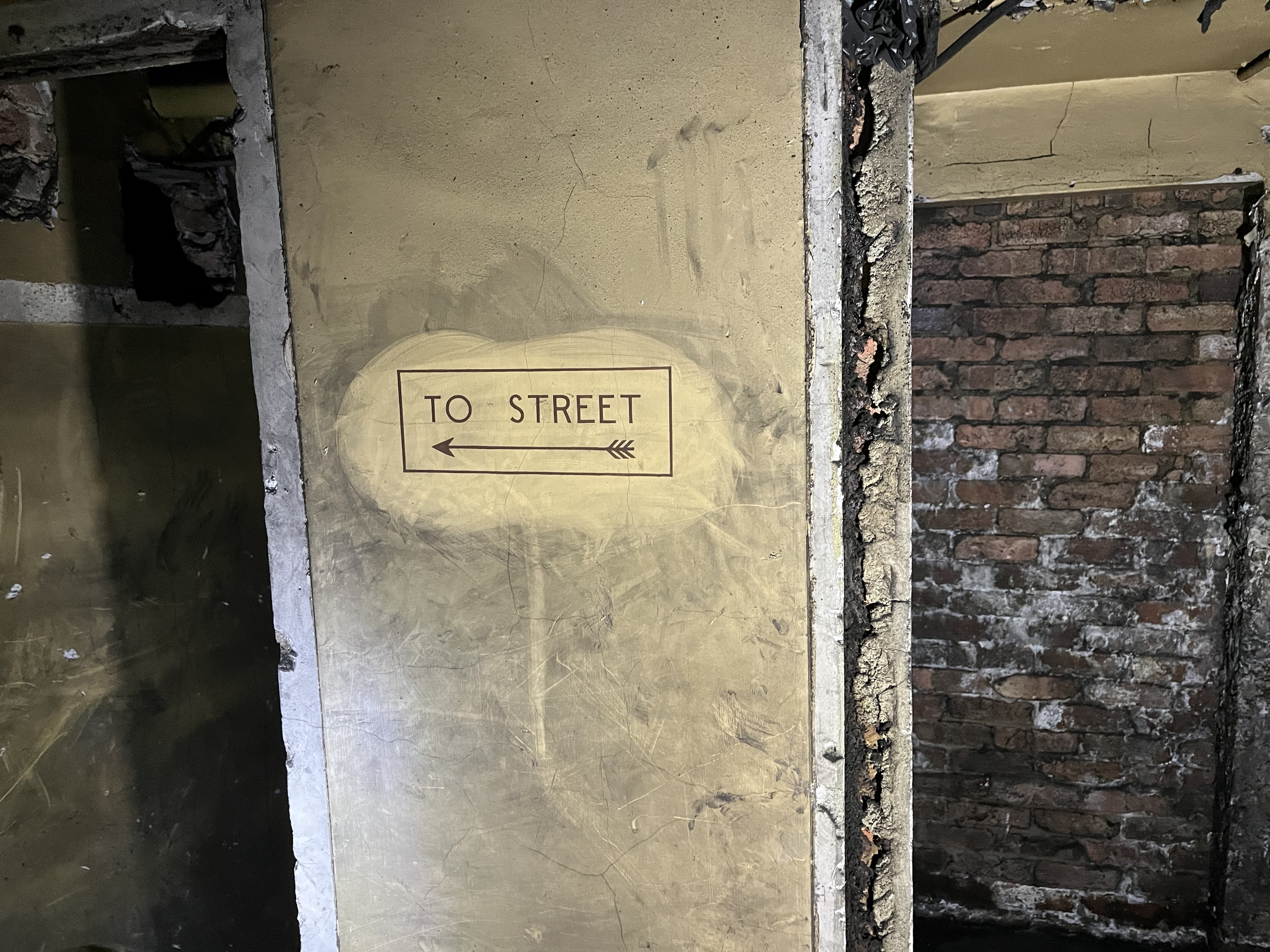
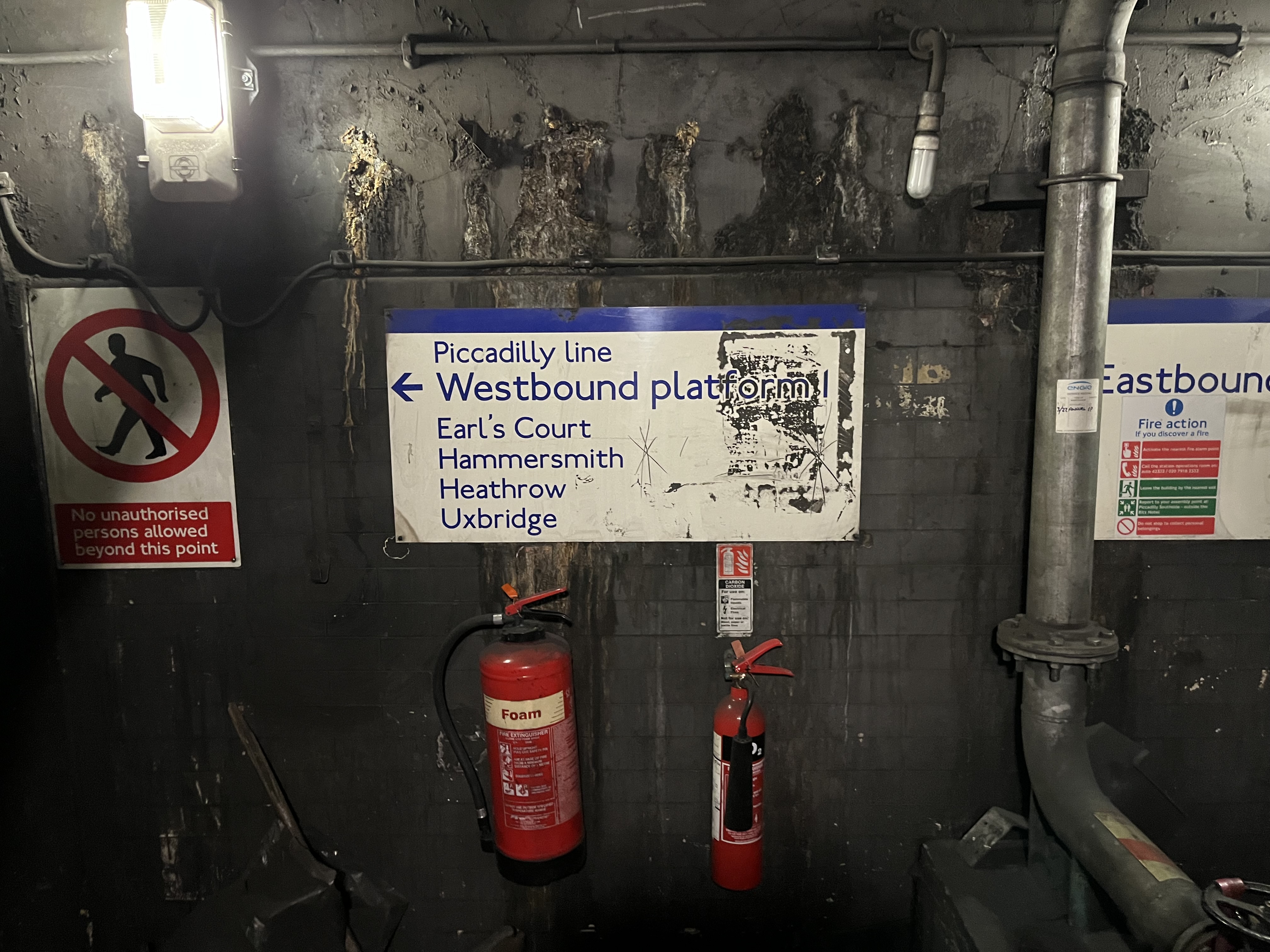
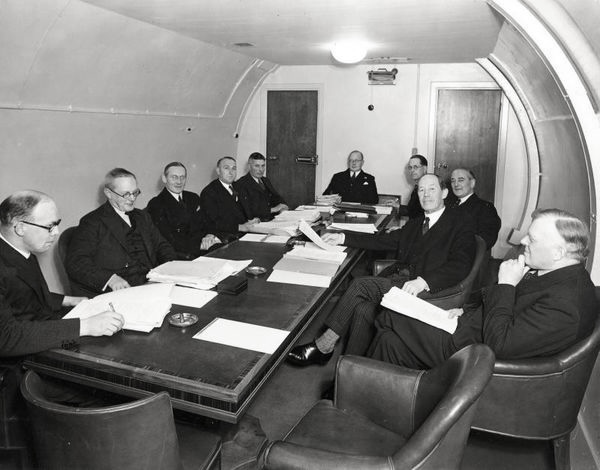
We did the tour of Down Street, ably directed by a team from Hidden London under the aegis of the London Transport Museum. This is one of a number of abandoned tube stations, in this case on the Piccadilly line. Since opening in 1906, Down Street was never a great success. Down a side street and with better sited stations nearby it attracted few passengers and closed in 1932. In wartime, however, it got a new lease of life as a secret safe headquarters for the committee that ran the railways, and was used a few times by Churchill.

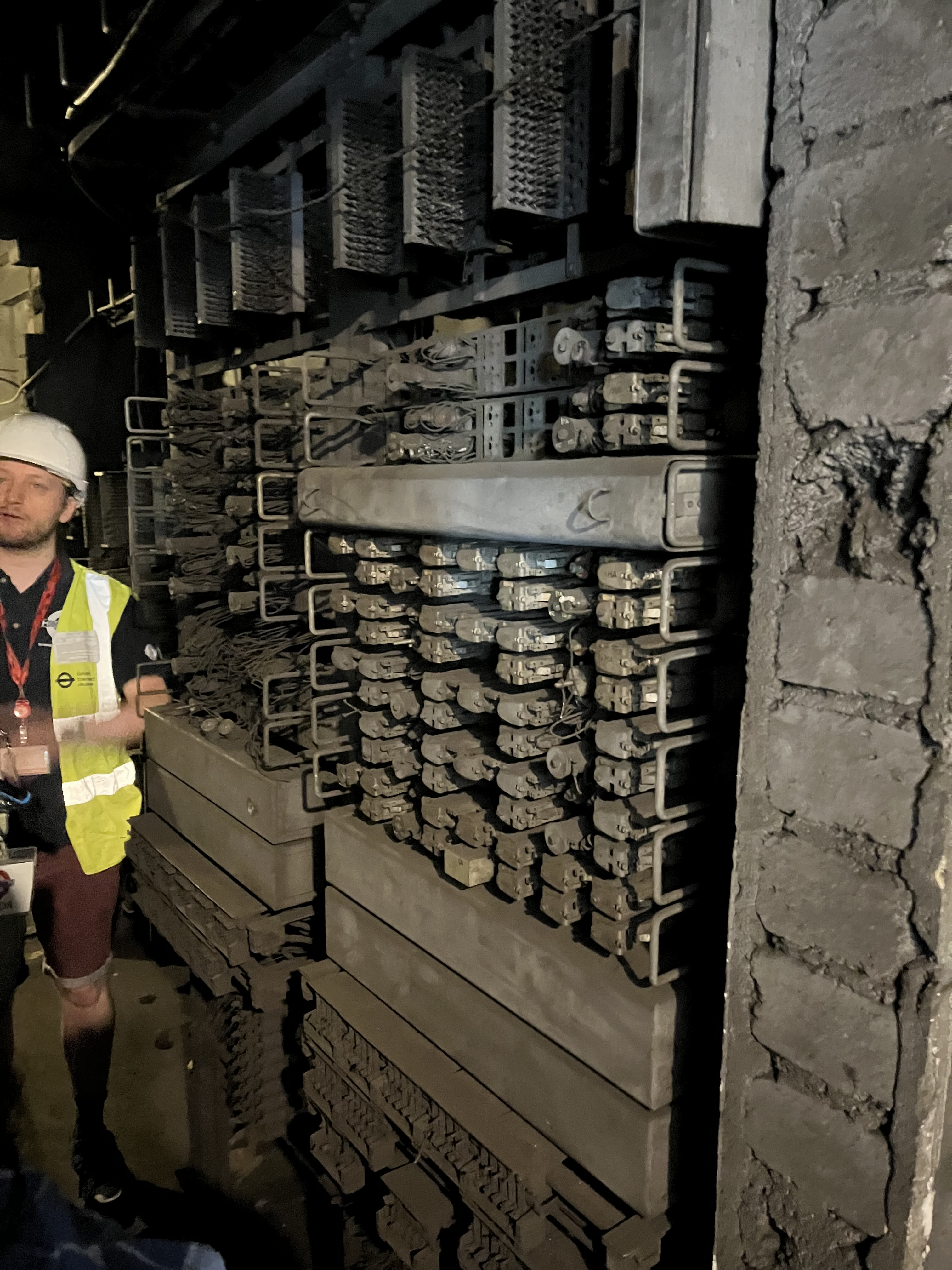
Conditions were not great, with corridors limited to the width of a standard tea trolley (obviously an essential). Yet people worked shifts, living in the station for weeks at a time without seeing daylight, putting up with limited bath and toilet facilities and rotating use of beds. The executive class were better looked after, with a kitchen that apparently served caviar and fine wines even at the height of the war. When peace came, it was pretty well abandoned, though it is still an official escape route from the Piccadilly line and the tube engineers make some use of it. There are plans to use its shafts to improve ventilation on the Piccadilly line, apparently.

These days it is a bit of a wreck. The platforms were walled off in 1939, but the trains can still be heard, and seen flashing by in a few places. Odd bits of signage from different eras are still in place, and some of the fine old tiling. It seems odd to me that a space like this in the most expensive part of London is not more imaginatively used.

Not Ian McKellen

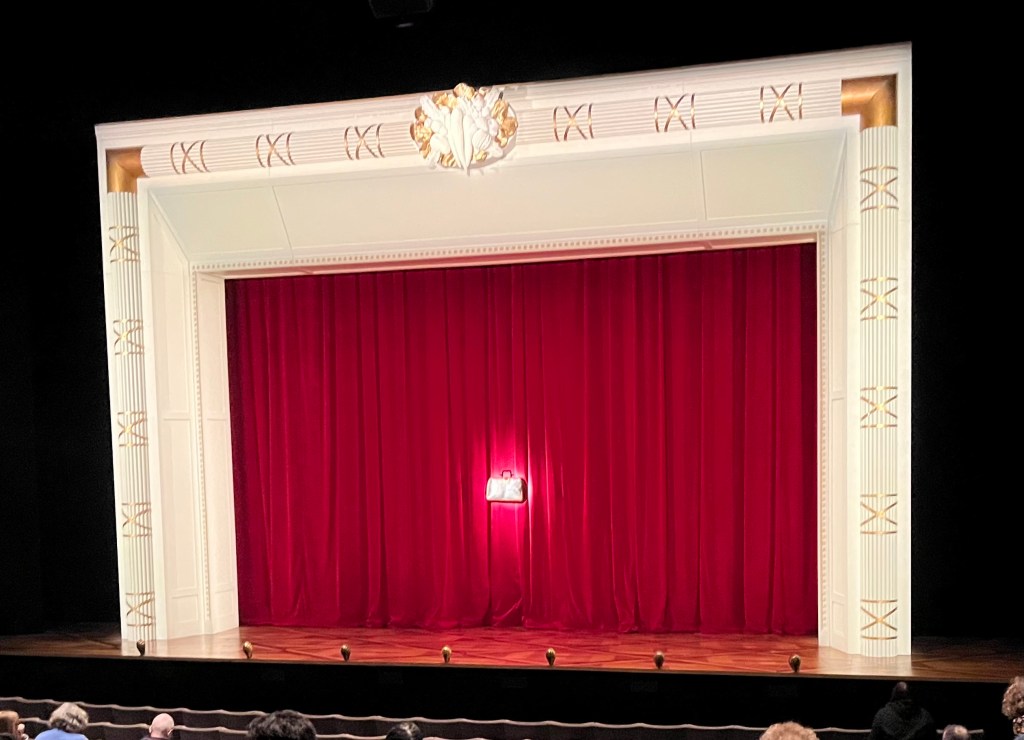
We had booked to see Ian McKellen as Falstaff in Player Kings, an abbreviated merging of Shakespeare’s Henry IV parts one and two. Then he fell off the stage and was hurt. At first he hoped to be back on Wednesday, then they said one more day cancelled and he’ll be back on Thursday (our day). On Thursday, they said the performance was going ahead – but with the understudy. Nobody would want Sir Ian to take any chances, but of course it was disappointing.

The understudy was David Semark, and he did a very good job (perhaps being physically a better match for Falstaff). The production was very good. Modernish dress, and for some reason the characters smoked cigarettes. The sword fights, here performed with knives, sat oddly in a battle where guns and high explosive were being used.

The cuts needed to bring two plays down to a manageable single evening had some impact – Hotspur here, deprived of scenes with his wife, lacked charm and seemed merely belligerent: on the other hand for some reason he was depicted as easily defeating Hal, who had to resort to abusing the sporting chances he was given and stabbing his opponent in the back.

Toheeb Jimoh’s reading of Hal gave us an uncertain Prince rather than the steely, cold manipulator which is another reading. This perhaps sat well with the merging of the plays. Shakespeare had to depict Hal’s transformation twice for two audiences, and when you put both together he seems less decisive than he does in either play alone. I thought (and I know you can’t criticise Shakespeare) that the merger also highlighted the redundancy of some minor characters

Some wonderful passages, of course, and an enjoyable evening still.

Creation

We went to a performance of Haydn’s Creation in Westminster Abbey – a great experience.

Haydn was apparently inspired by hearing oratorios in England – he must have listened to the Messiah and thought ‘I could do that’. And he did, producing one of his best-known works, popular ever since its first performances. The libretto, a bit more intelligible than the rather obscure one for the Messiah apparently comes from an English text, but has existed in parallel English and German versions since the beginning. Some of the words sung here differed very slightly from those in the programme and, I think, from those I sung at school fifty years ago.
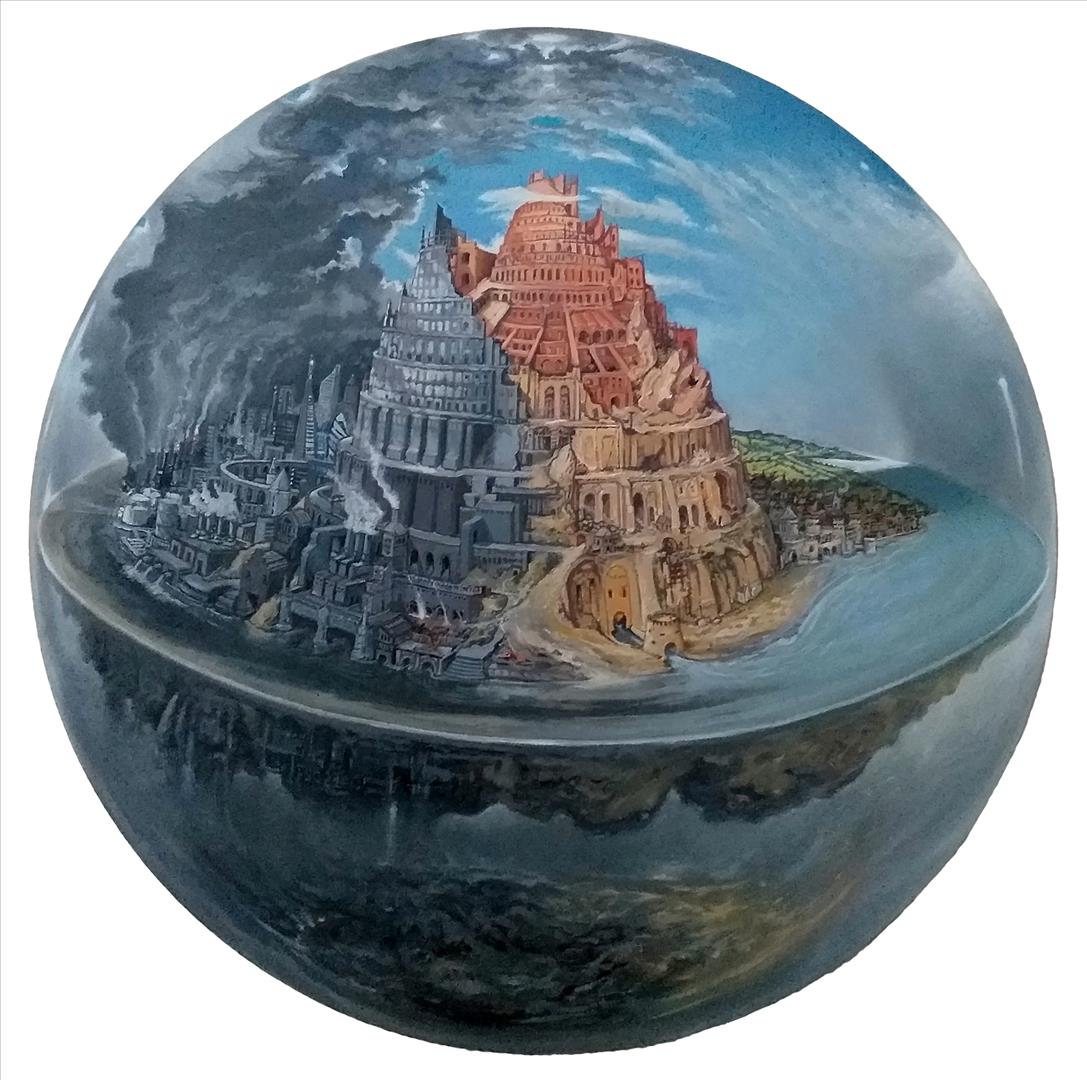
But it’s the music that matters, and Creation, just as a good oratorio should do, delivers all the entertainment, emotion and uplift of a fine opera while remaining upright and morally unimpeachable, without any of the lush presentation and morally questionable themes you’d get in one of those Italian things…

Beethoven

We went to the RFH for Beethoven’s Emperor Concerto and Ninth Symphony (the London Philharmonic with Danny Driver on piano). What a programme – a whole evening of the greatest music ever written, with none of those attempts to make you work for your reward by listening to something more avant garde.

I’m always impressed and even moved by the way Beethoven, whose life was not great by then (unwell, personal life in ruins, short of money and cruellest of all for a dedicated musician, stone deaf) did not give us a lament or a dirge as his last symphonic word. Instead he summoned up the same optimism and faith in humanity he had put into the Third, and left us all a last great shout of joy.