Karen McLeod

Interesting talk from Karen McLeod at Croydon Writers last night. For a long time she worked as cabin crew for an airline, but managed to write a novel In Search of the Missing Eyelash which was published and did very well. Then she found it was hard to write the follow-up her agent pressed her for.
Instead she developed a comedy act based on the character Barabara Brownskirt, the laureate of Penge, which she still performs. But, having parted company with her agent, she is now writer in residence at the Bookseller Crow Bookshop and has a memoir of her flying days coming out next year.

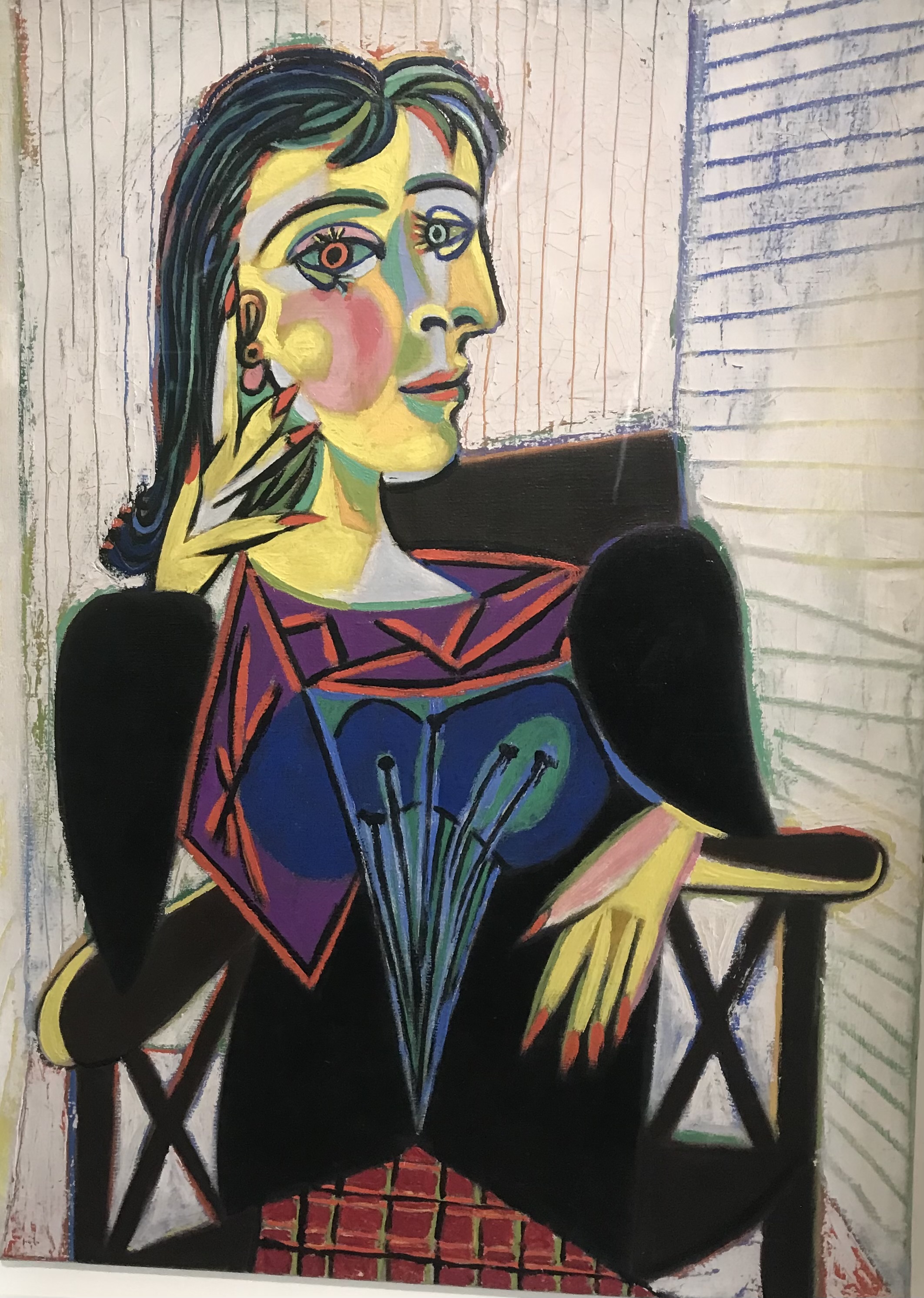
Picasso

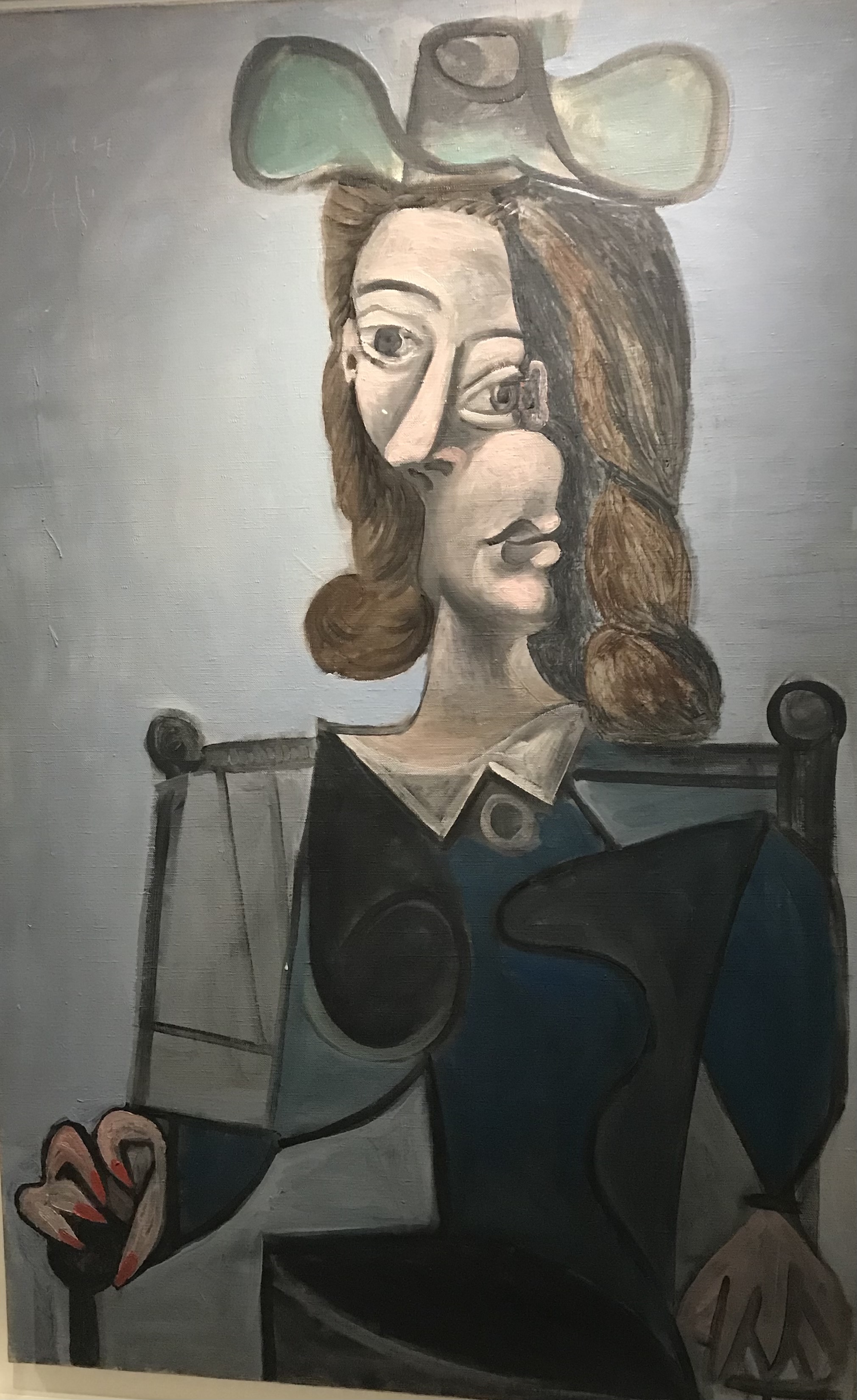
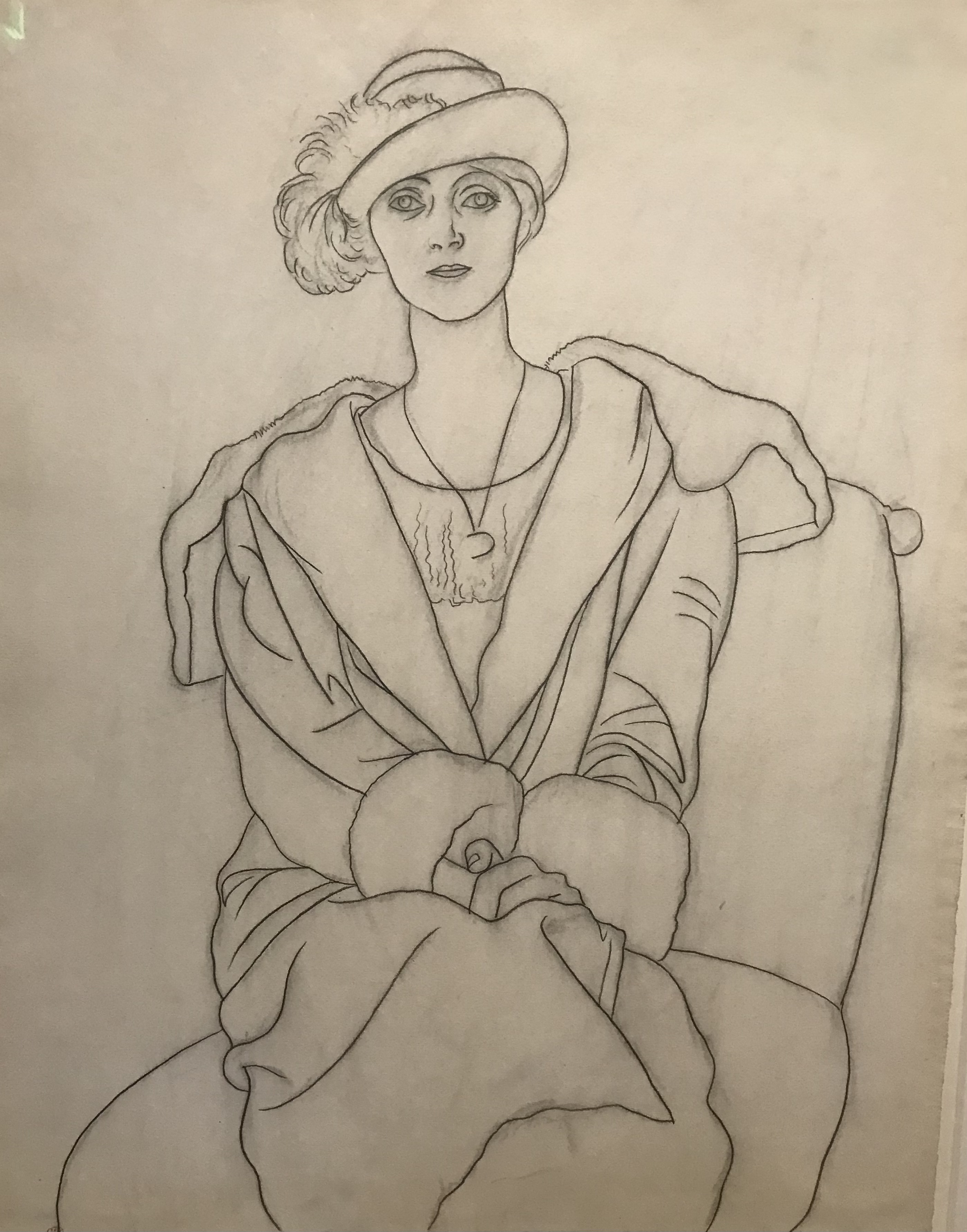
To mark the 50th anniversary of Picasso’s death, the Musée National Picasso-Paris commissioned Sir Paul Smith to direct a special exhibition, which selects works from their huge collection. We went over to see it.

Many of the pictures have been hung on walls specially decorated with bold motifs taken from the painting itself: I’m afraid this mostly just seems like a distraction. But it is an astonishing collection of works.

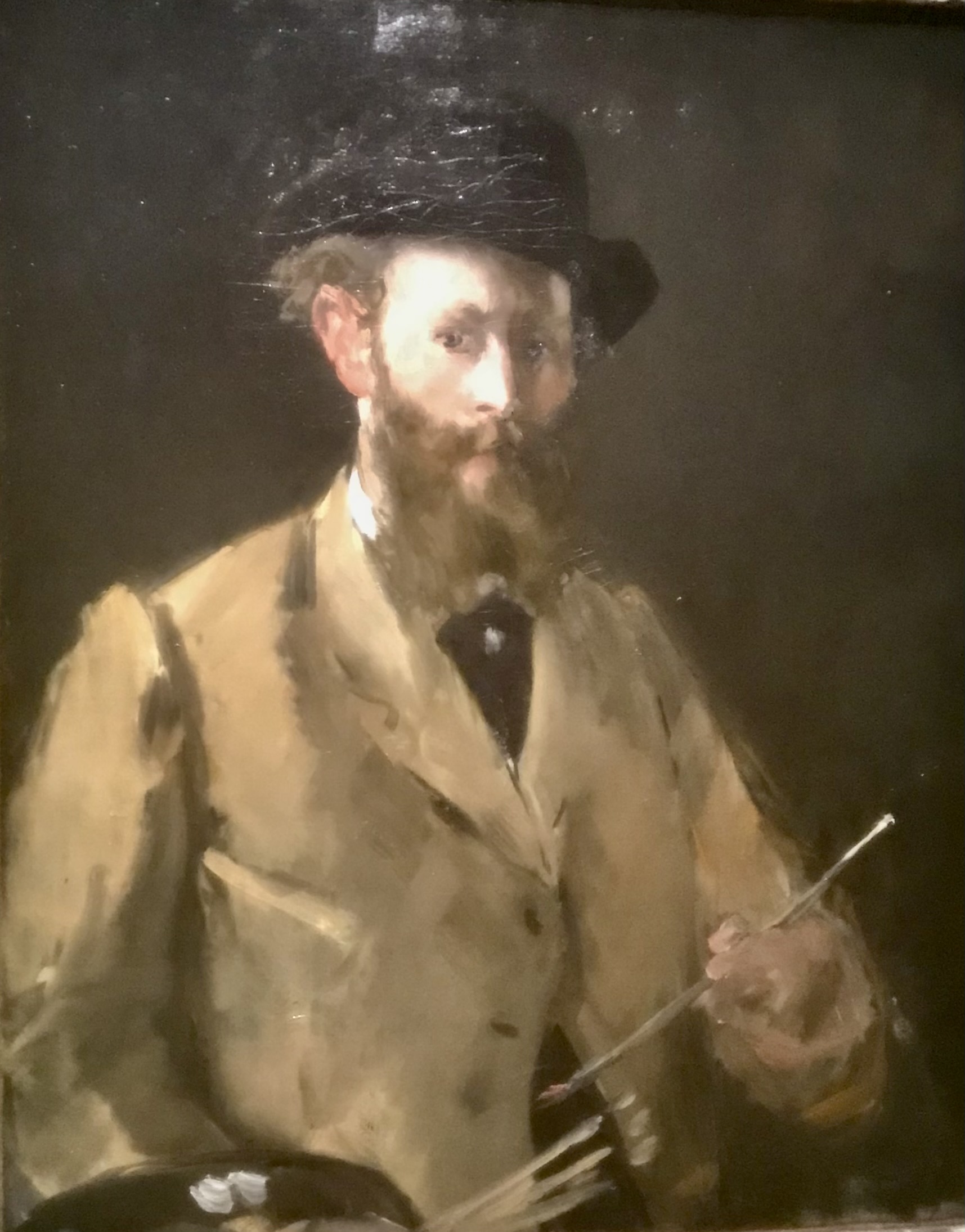
There is a connection here with Degas. Picasso admired his stuff and produced a series of works inspired by Le déjeuner sur l’herbe.

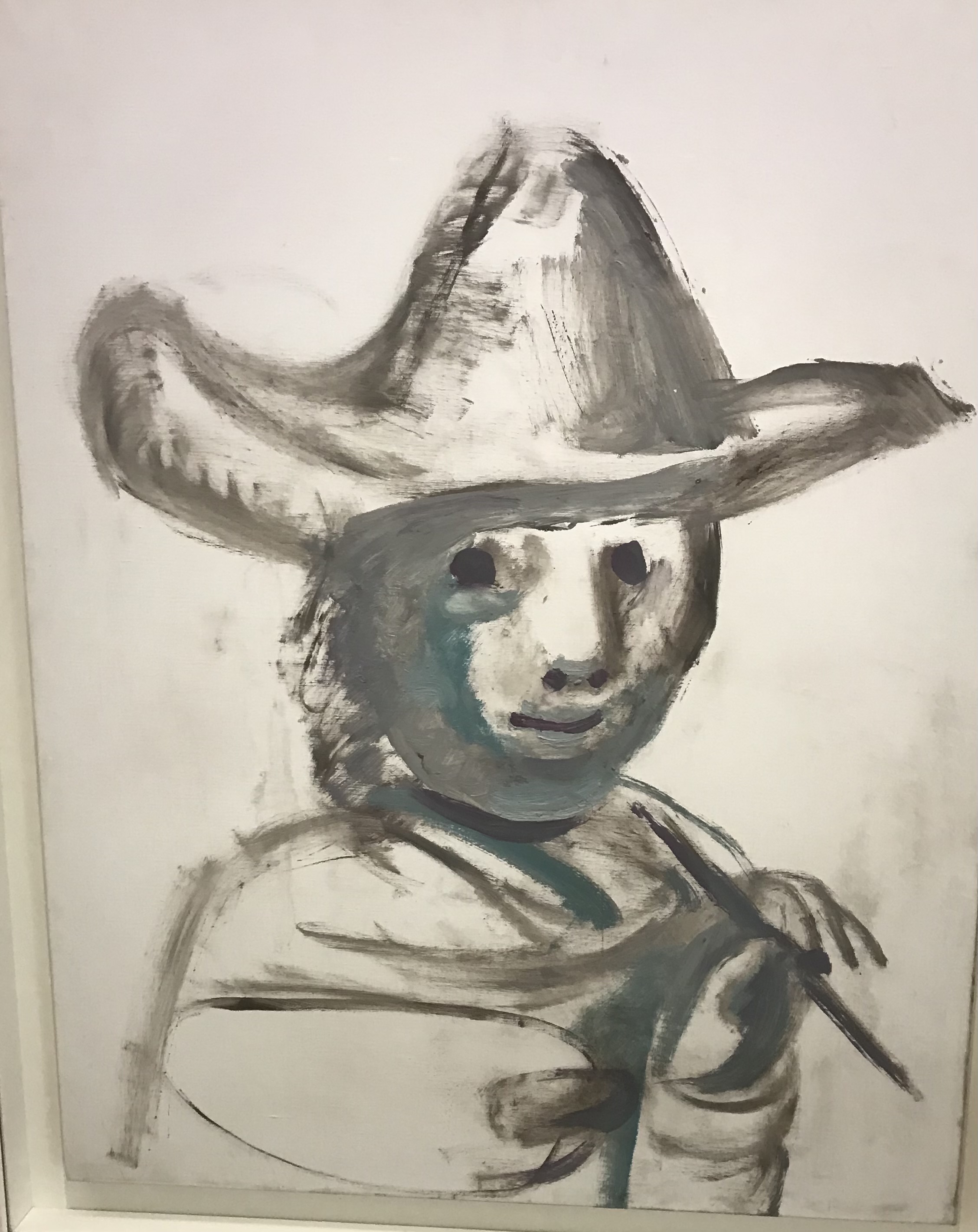
The exhibition presents this final picture of the young artist, done in Picasso’s last year, as his cheerful farewell.

Manet/Degas

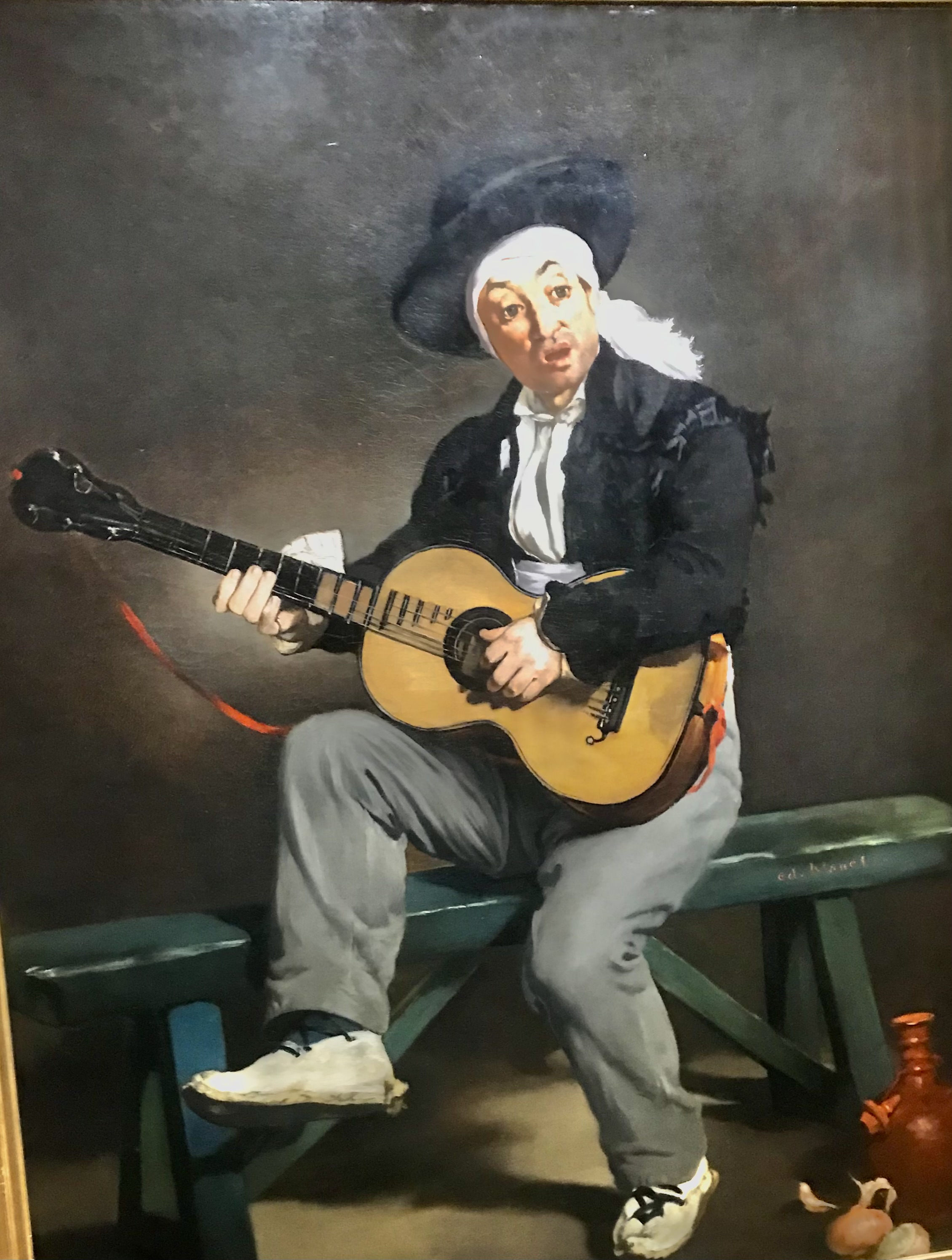
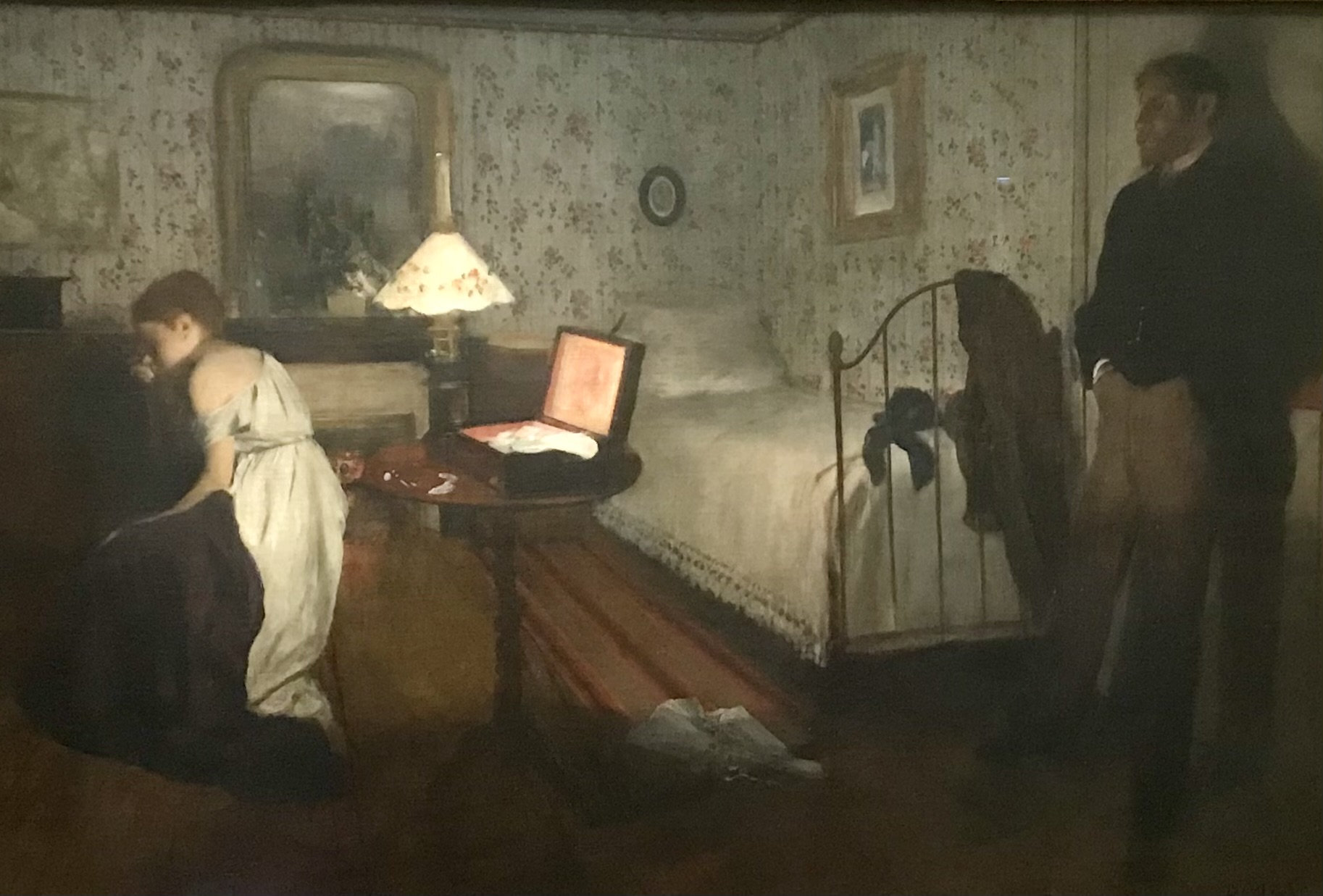
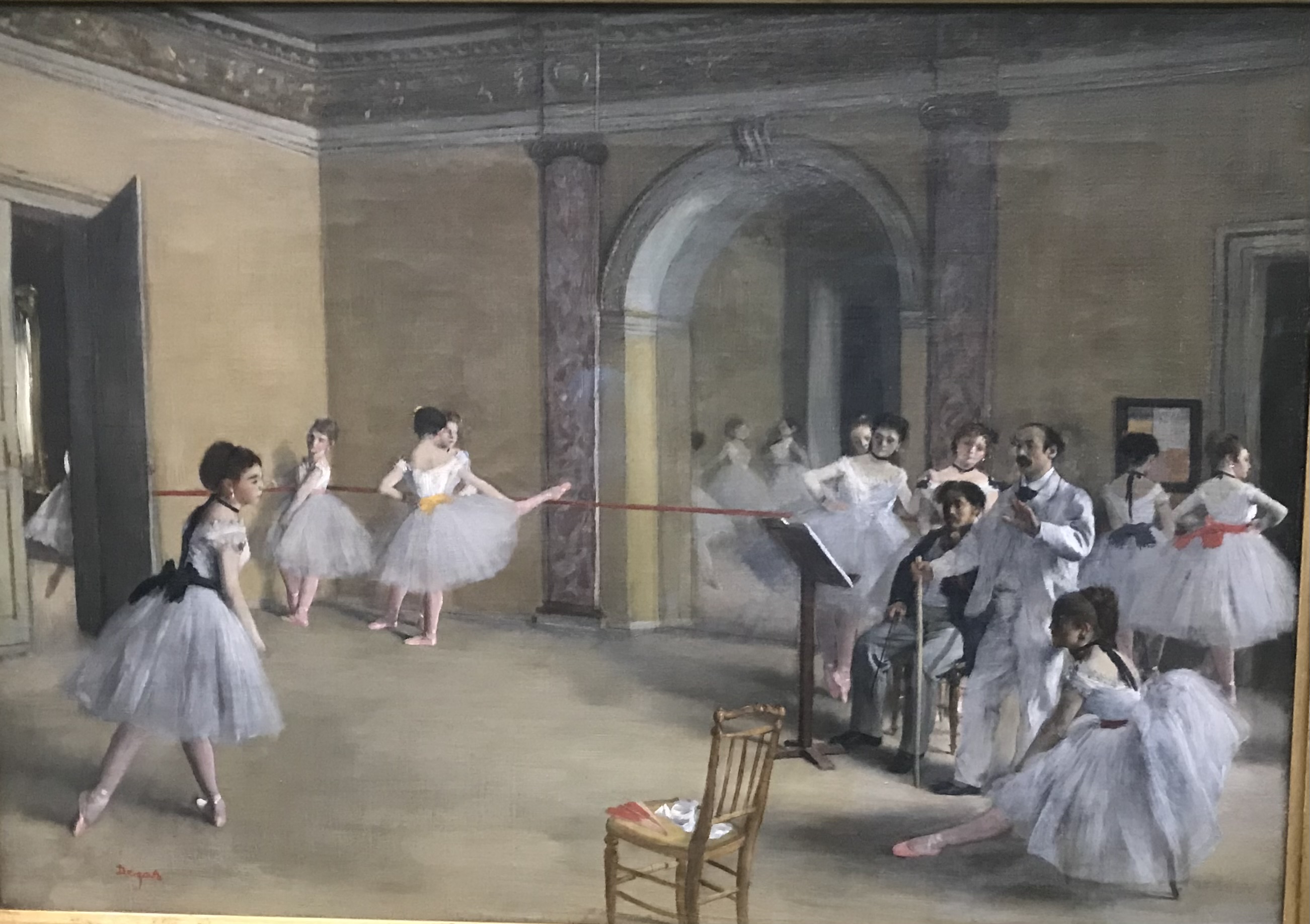
In Paris to see the exhibition of Manet and Degas at the Musée D’Orsay.

This follows well from the Morisot exhibition and indeed includes many portraits of her by Manet…

The exhibition explores the relationship between Degas and Manet, who according to legend met while copying the same painting in the Louvre. Both were from fairly well-off families who intended them for other careers, both served as soldiers in Paris, and both (in different ways) had a complex relationship with Impressionism. Manet, however, was sociable and had a lively romantic life, while Degas was solitary, easy to quarrel with, and quite probably never had sex with anyone. After Manet’s death Degas collected many of his painting and gathered together the surviving fragments of The Execution of Emperor Maximilian.

Some of my pictures seem to have got deleted, but here are some random highlights.

The exhibition is constructed to make a point, and does not include some of the famous works by both artists that are actually on display just upstairs in another part of the gallery!

Berthe Morisot

We went to the Berthe Morisot exhibition at the Dulwich Picture Gallery. The exhibition, nicely hung, traces influences from earlier generations of artists. These were noted at the time and Fragonard in particular was mentioned so much it led to a legend that she was literally his descendant, a false claim still widely repeated, on Wikipedia and elsewhere. The pictures don’t even look especially Fragonardish to me.

In any case, the emphasis should probably be on her innovative contribution to Impressionism. Her pictures look very fresh and modern in style, if not always in subject. Her brushwork is free and sometimes she doesn’t bother painting to the edge of the canvas. Nearly all are pictures of women, including the striking self-portrait above, in which she jokingly arranges flowers on her lapel to look like the Legion d’Honneur. She seems to have been a good subject, painted many times by her brother-in-law Manet.

Morisot and her sister Edma had the advantage of coming from a well-off family that was happy to pay for art tutors, but as women could not go to art school, and Edma gave up painting when she married. Morisot’s paintings sometimes attracted patronising comments relating to their ‘femininity’: on the other hand her works were never rejected by the Salon as other impressionist paintings were.

Worth a look.

Dancing at Lughnasa

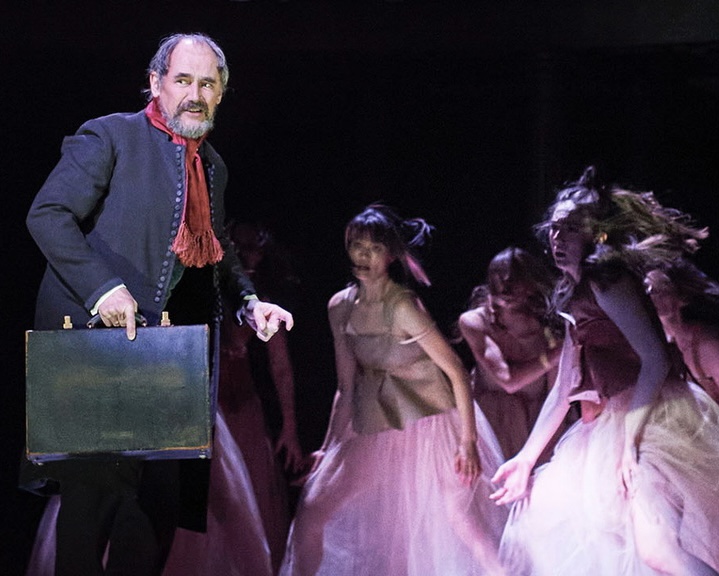
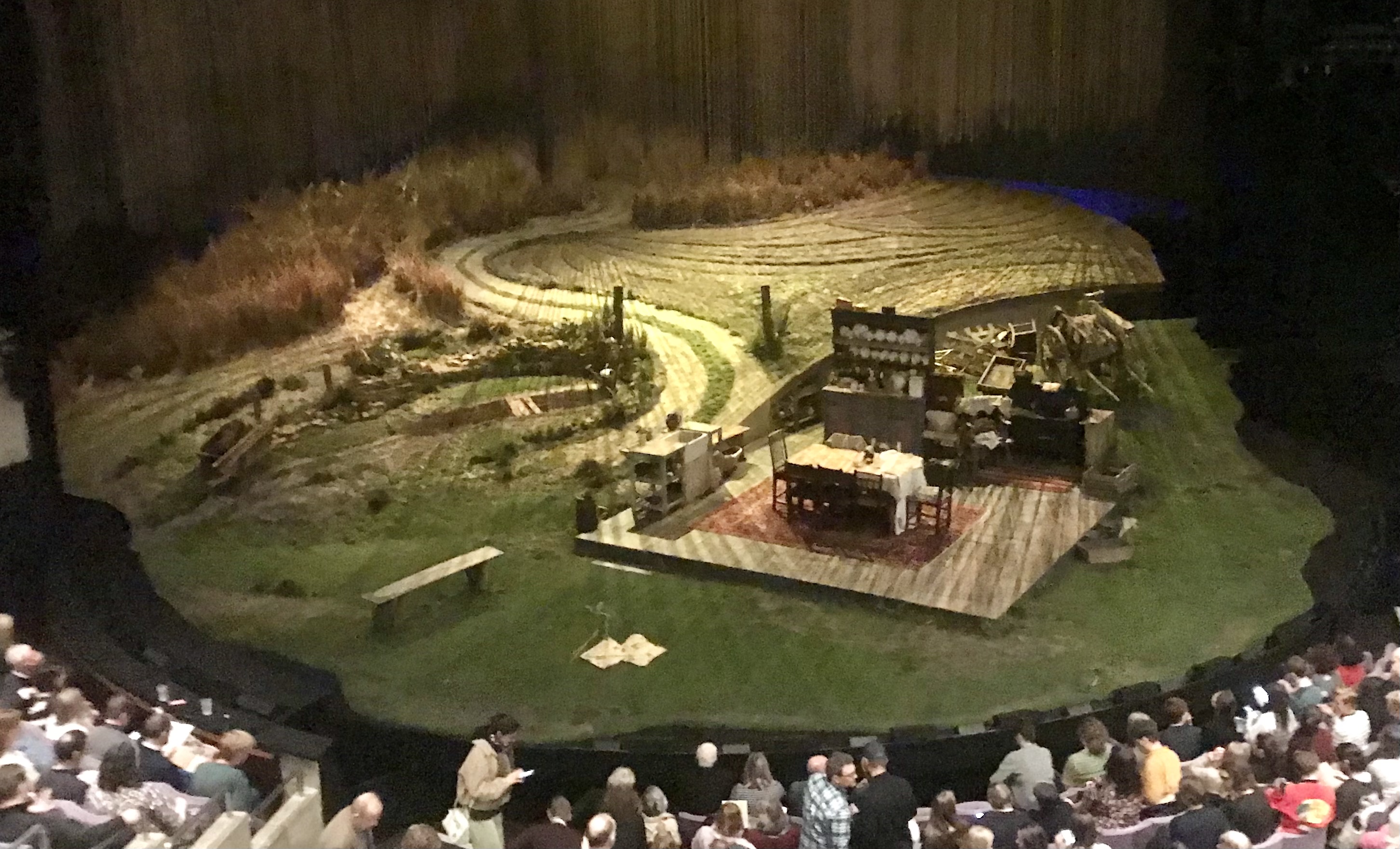
The new production at the Olivier is very good. I’ve read criticism of the stage, but I thought the way it combines inside and outside with a real sense of perspective was very clever and effective. The cast, featuring Siobhán McSweeney and Ardal O’Hanlon (as Father Jack) is very strong. The play itself is a vivid slice of life with strong and interesting characters, living complex lives that are just about to break down. It is clearly about memory, with the protagonist narrating his life in retrospect and providing the voice for his otherwise invisible younger self. At the end of the day, though, I don’t know what it tells us beyond what any bit of a life might do. To mention a small reservation, I wasn’t sure about Father Jack’s accounts of the beliefs of the Ugandans he lived among: are they accurate or just invented? But an interesting evening.

Van Gogh and Hals

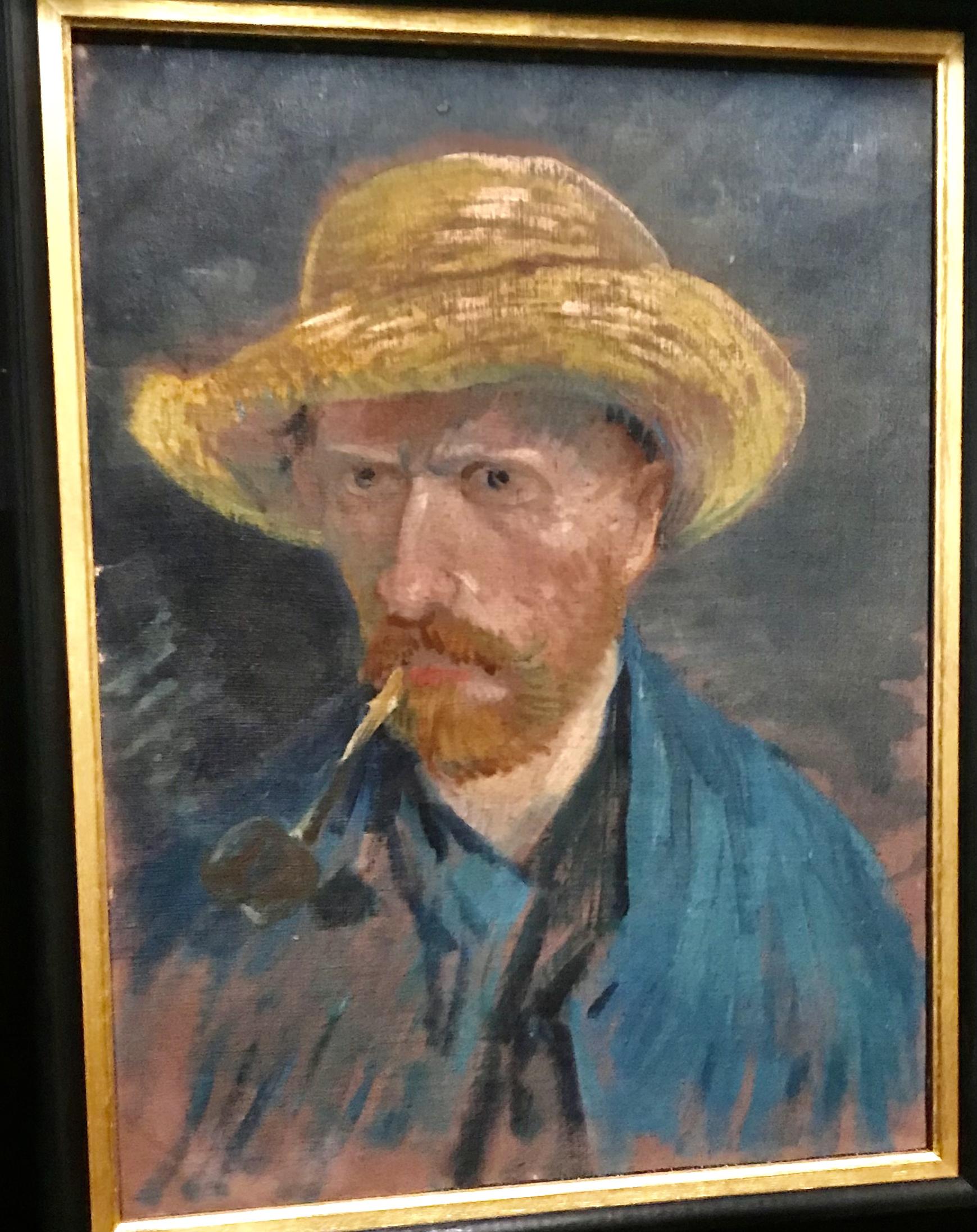
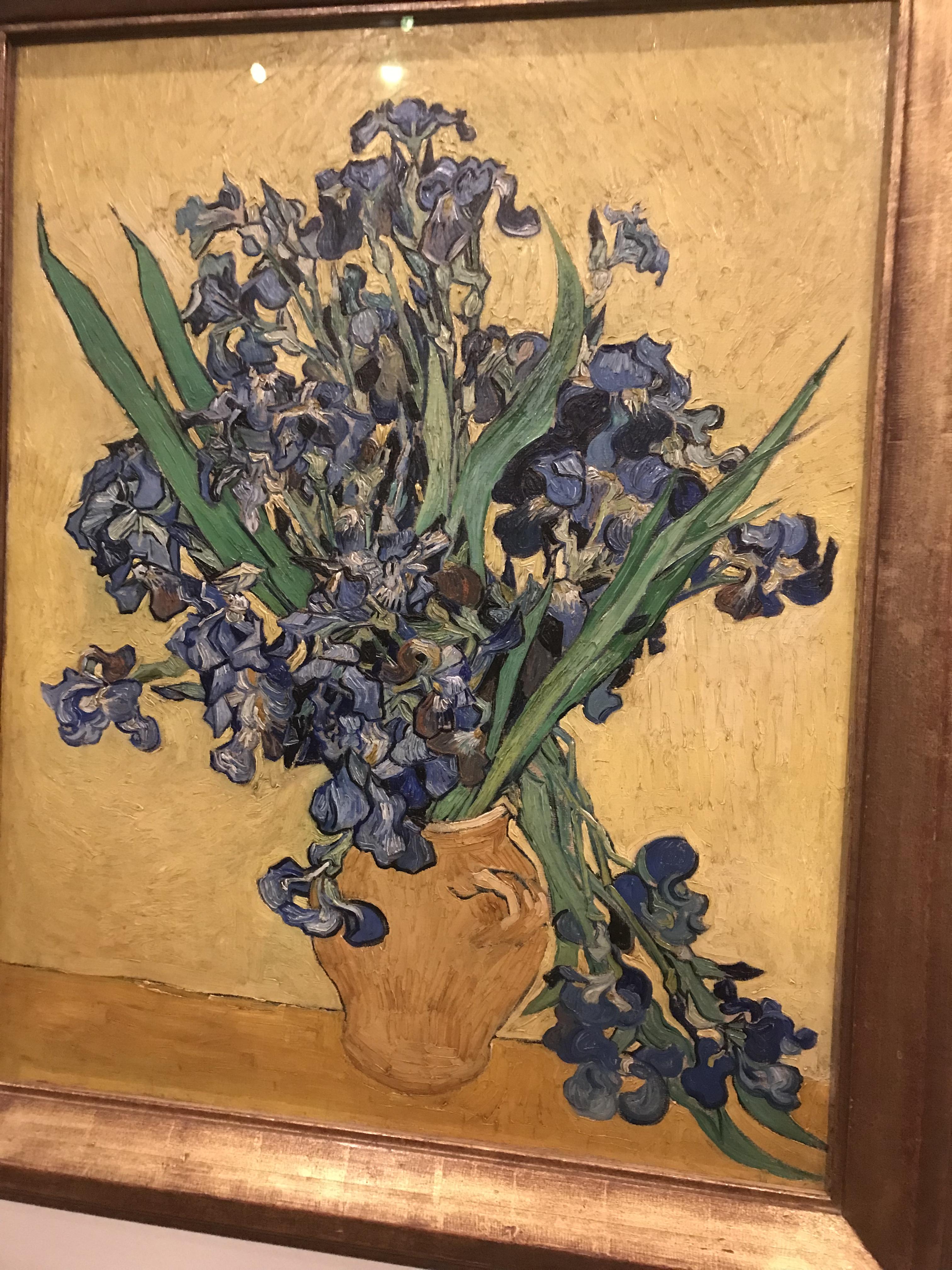
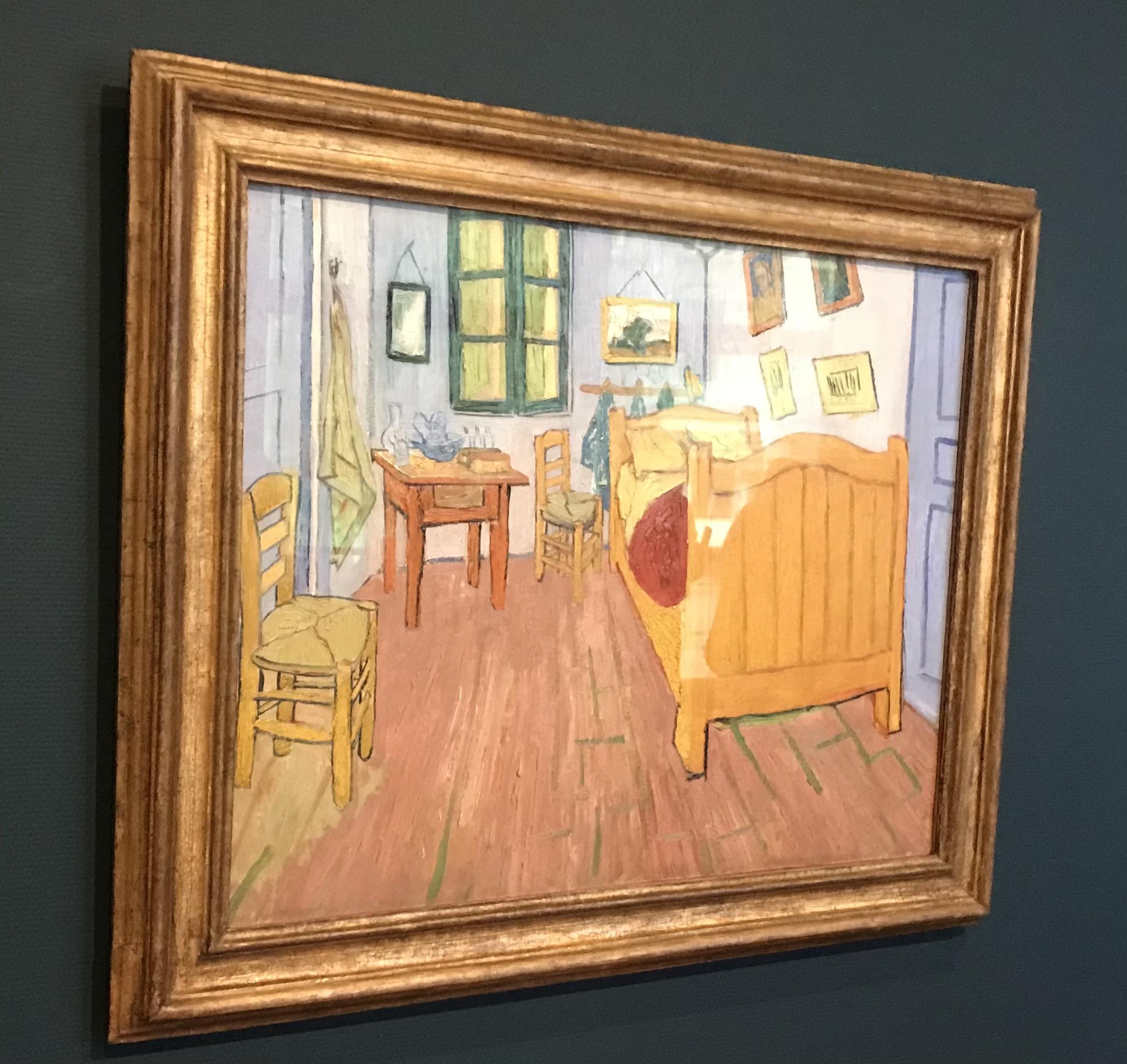
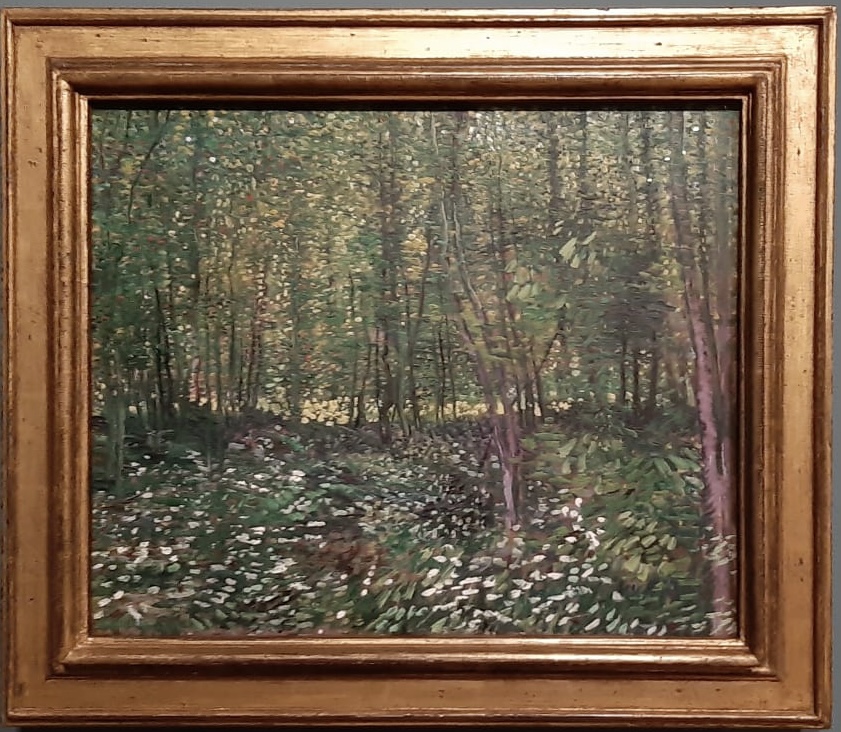
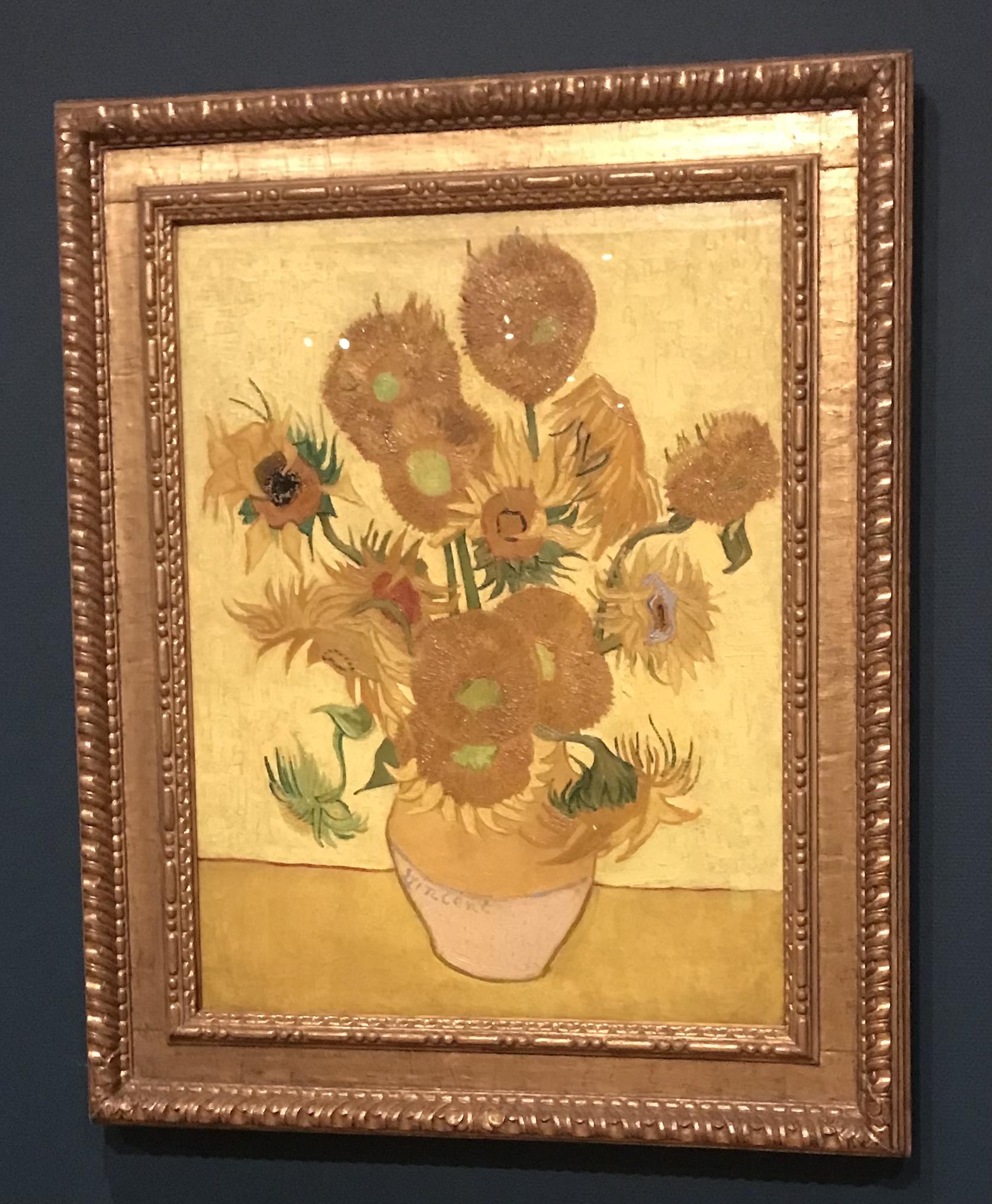
While we were in Amsterdam we naturally went to the Van Gogh Museum, which is great: and by coincidence we arrived on Van Gogh’s 170th birthday. The gallery shows works by various other artists, highlighting the influence of Japanese pictures and pointillism, for example.

I’m surprised I hadn’t heard of this picture before – it’s by Gauguin, of Van Gogh painting sunflowers!

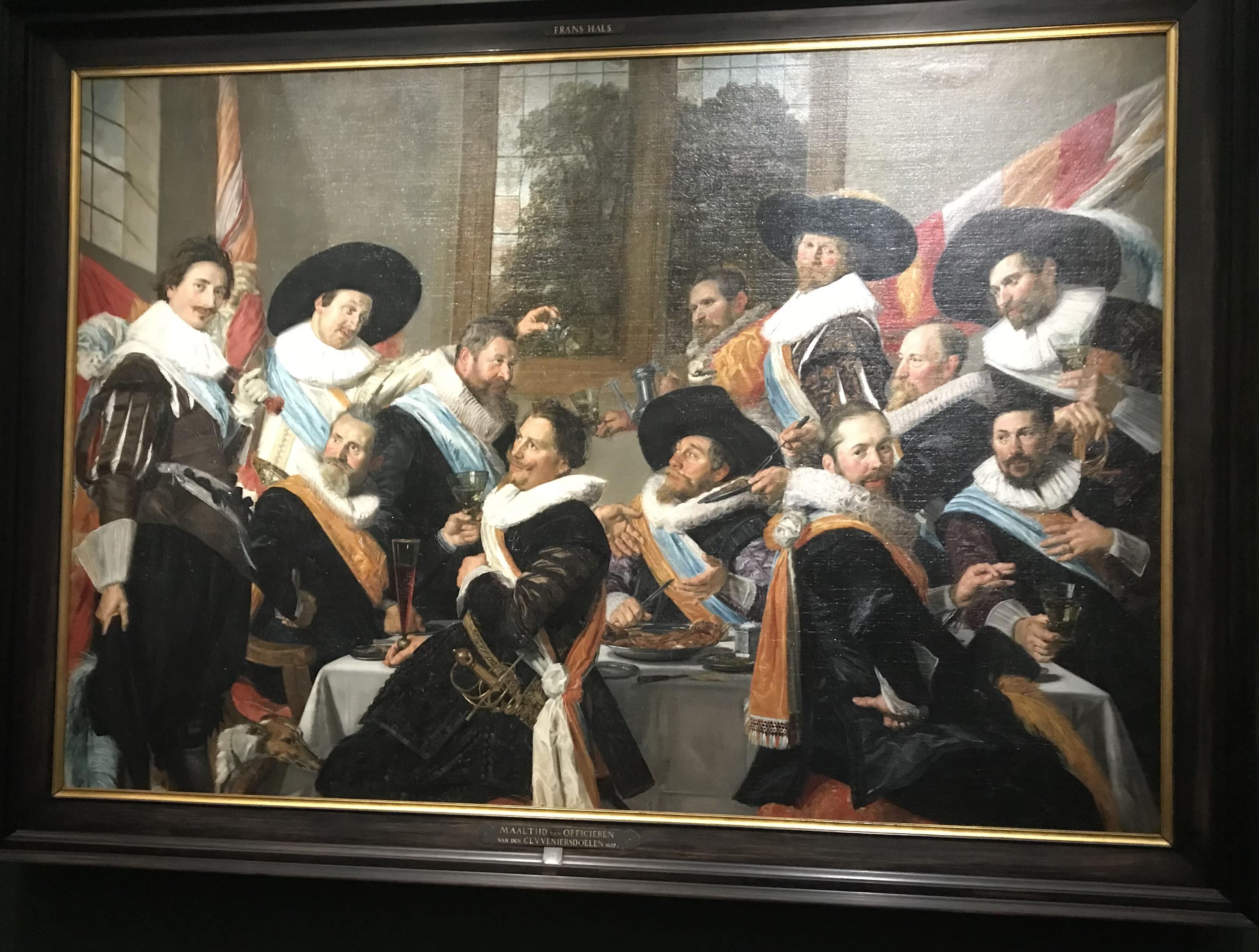
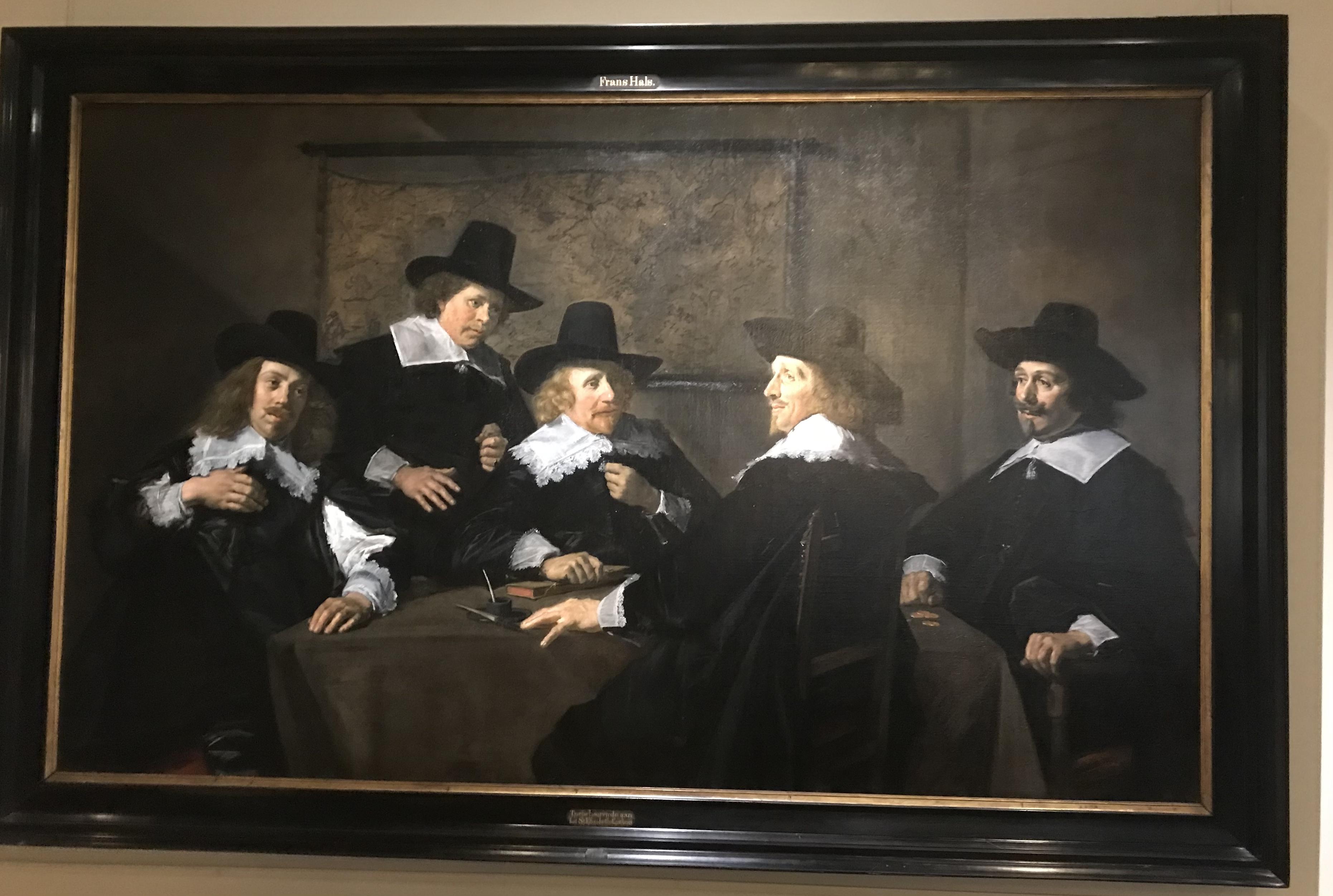
One other artist admired by Van Gogh was Frans Hals, whose works we saw in Harlem.

Hals’s brushwork was always loose and became extraordinarily free in old age. Lace collars from this period look like random slashes of white paint close up, but when you back off they look perfect from a distance. Apparently at the time some though he was senile, but then other artist’s styles (Turner, El Greco) have been attributed to poor eyesight, and indeed Van Gogh’s to mental illness.

Vermeer

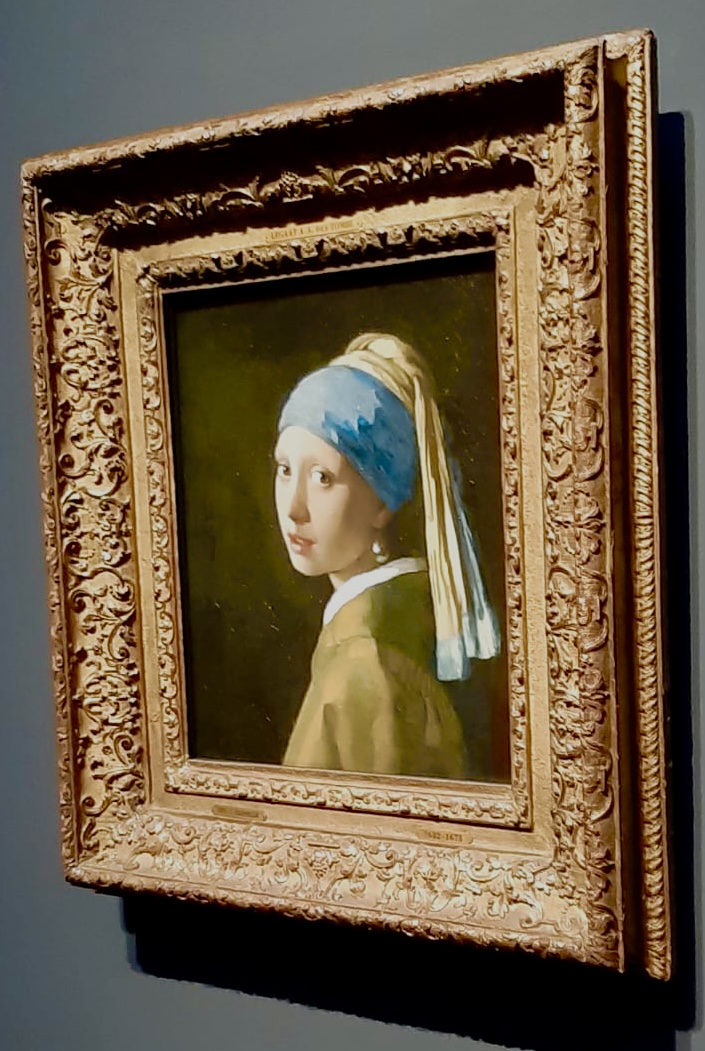
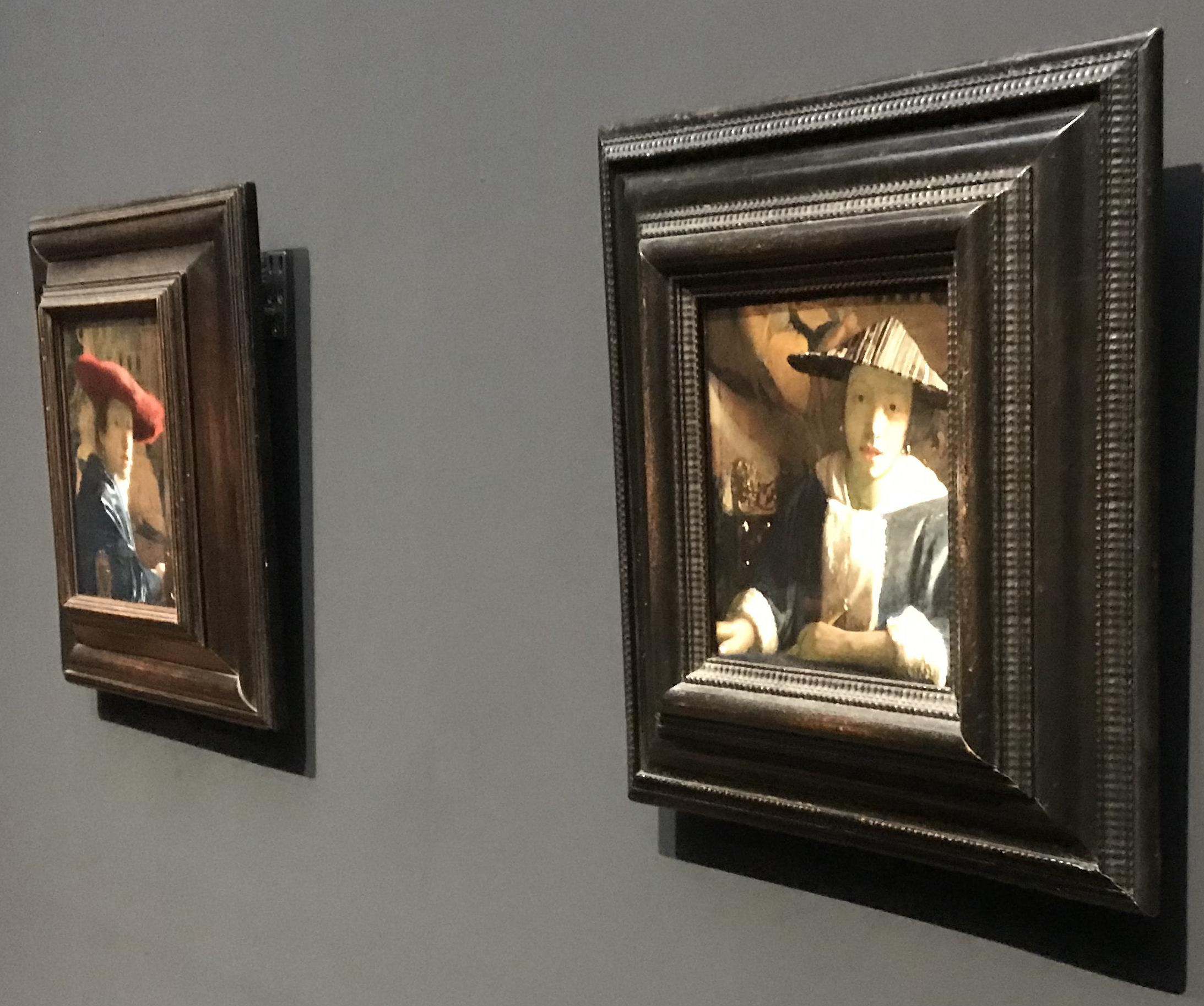
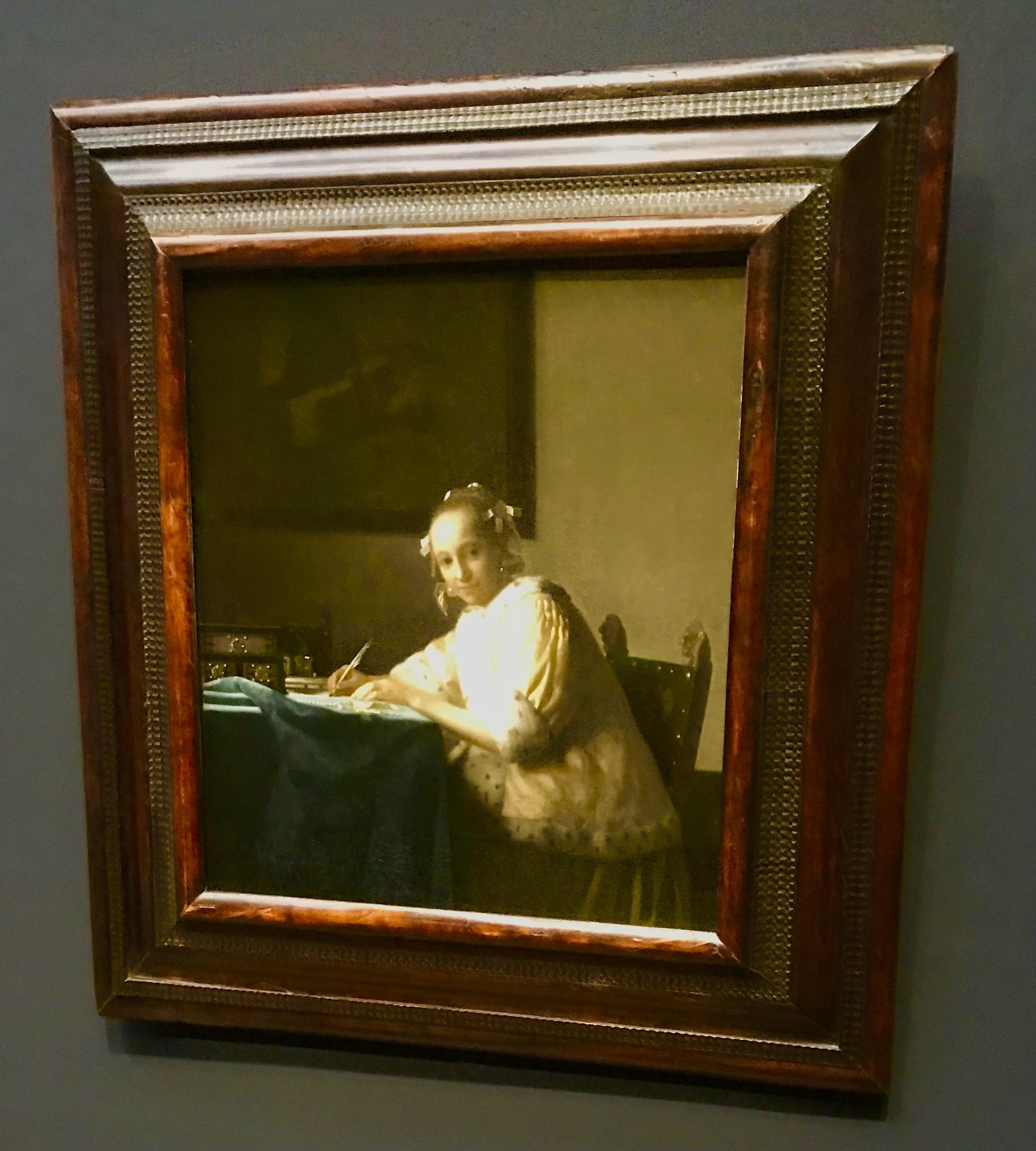
I’ve got a bit behind with these posts: we went to the amazing exhibition at the Rijksmuseum in Amsterdam, where the largest ever collection of Vermeer’s works are gathered (and we got in before Girl with a Pearl Earing went back to the Mauritshuis).


With so many works together, it becomes very clear that Vermeer had certain favoured themes. Many of the images seem to have been staged in the same place: a room with a window to the left, a chequered floor, and a map or a picture on the back wall. Posed in this space are women reading, or with musical instruments, and the same pieces of clothing get re-used (that yellow, fur-edged jacket).

I had had the impression that Vermeer’s stuff was pastel coloured and just a little soft focus, but neither of those things proved to be true. A great experience, slightly impaired by the crowds. and I’m afraid these snaps are not great quality. I would urge you to go, but I’m afraid it’s too late.

Donatello at the V&A

I didn’t know much about Donatello before this, but it seems he is notable in several ways. A pioneer of free-standing bronze sculpture, responsible for some of the first since classical antiquity. An influential creator whose designs and methods were widely copied. And the master of rilievo schiacciato, flattened relief, in which a 3-d image is carved within a few millimetres of depth (the difference in the levels in some of these works must be fractions of a millimetre).

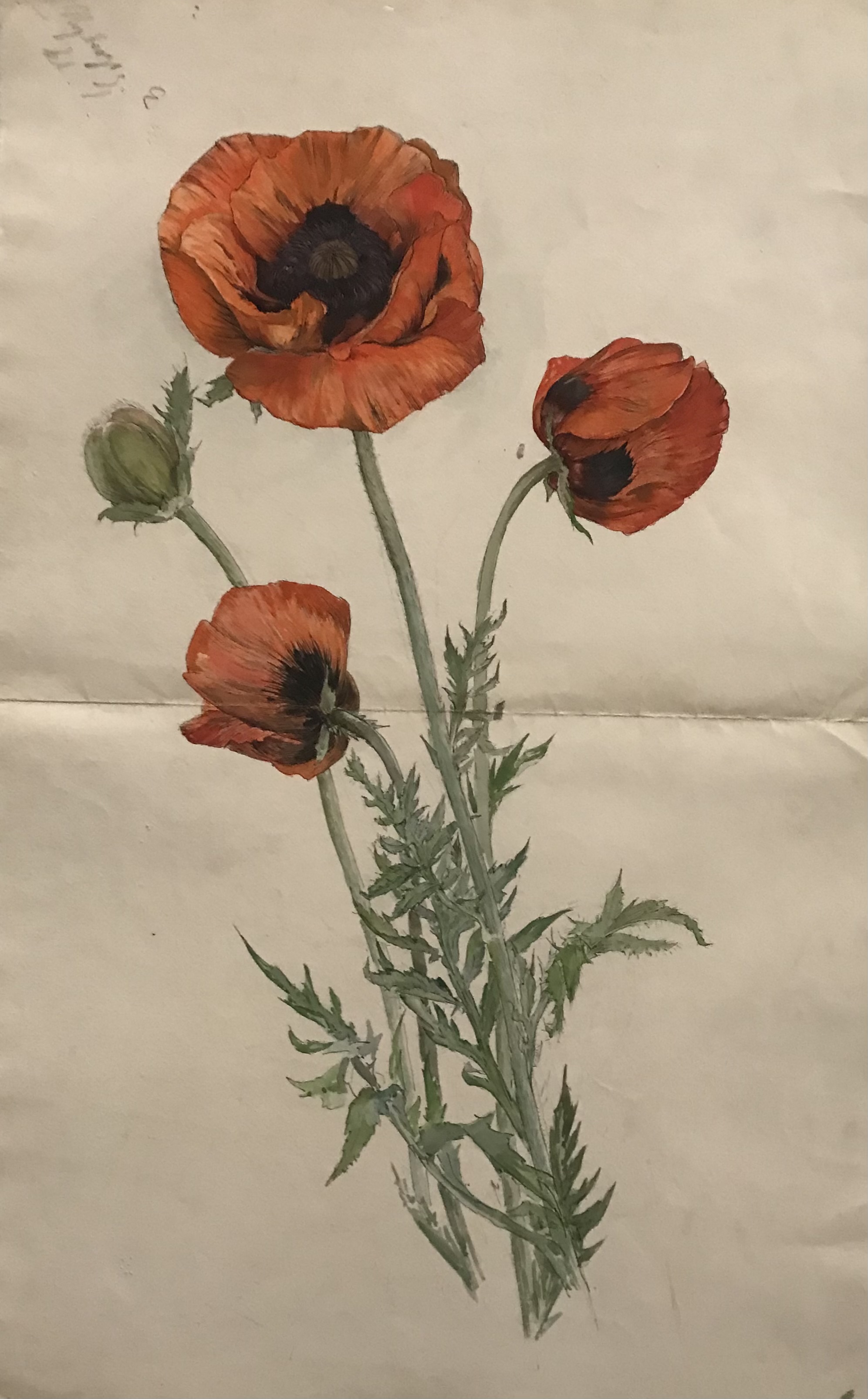
Donatello’s most famous work, his sinuous nude David, is represented here only by a copy. But we have the completely puzzling Attis-Amorino, an ecstatic cherub-like figure who wears droopy leggings off a big belt. He is trampling serpents, and has both wings and a small satyr’s tail as well as wearing poppies. He represents something, but exactly what is unclear…

Hockney at Lightroom

There has been a bit of a fashion lately for shows where an artist’s works are projected at huge size on the walls and floors. The Hockney one at Lightroom (‘Bigger and Closer, not smaller and further away’) is the first I know of where the artist is alive and actively involved in the show. Hockney, of course, has always been up for using technology, whether cameras or more recently iPads.

This show amounts to a guide or commentary to all the different periods of his career, narrated by the man himself. I thought a few things worked particularly well – watching the construction of some paintings, joining in his ‘Wagner Ride’ and animations of his set designs (he has apparently suggested the Lightroom set up could be used to stage a short opera).

It’s lucky that Hockney is good at explaining his views on perspective, say, or the representation of time. He tells us how much he liked it being always warm and sunny in L.A., but he also says there is no bad weather. (‘If it’s raining, I’ll paint the rain: if it’s snowing, I’ll paint the snow. All of the world is beautiful, really, but people don’t look at it.)

Dead Puppets

I’ve fallen a bit behind with my reviews, but I have to say a belated word about ‘Famous Puppet Death Scenes’ by the Old Trout Puppet Workshop from Canada. It is indeed essentially a puppet show with a series of death scenes showing off a range of jokes and ingenious stunts. You could call the style Gothic Absurd, perhaps: supposedly the sponsor, a puppet himself, has put together for our edification these celebrated death scenes, culminating in his own. The series is loosely bound together by some repeated motifs, especially a number of extracts from that seminal work The Feverish Heart by Nordo Frot.
The pieces are funny and ingenious (sometimes you may suspect a bit has found its way into the show because it’s such an amusing idea, rather than because it fits the theme brilliantly, but hey, what’s wrong with that?) and actually have some genuine shock value. You won’t expect deep philosophy, but things are rounded out with a little moral reflection, delivered as snappily as the rest. If this show or this group ever come your way, give it a try.