Picture of Stella
April 27, 2023
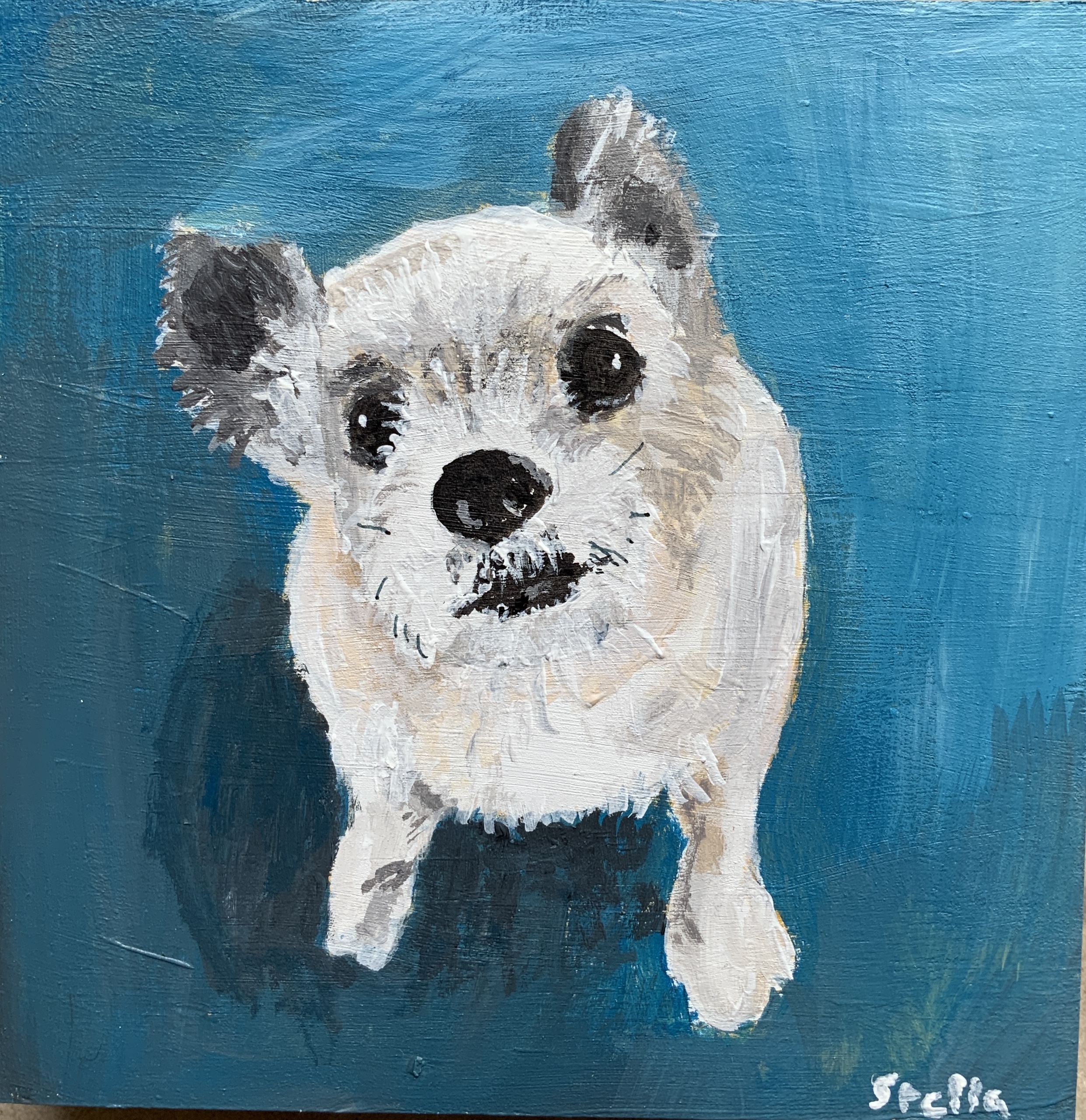
Here’s a picture I painted of Stella, my sister’s dog that sadly died last year (she was pretty old for a dog, I think – thirteen?) The picture is on a wooden block 15cm square.
Here’s a picture I painted of Stella, my sister’s dog that sadly died last year (she was pretty old for a dog, I think – thirteen?) The picture is on a wooden block 15cm square.
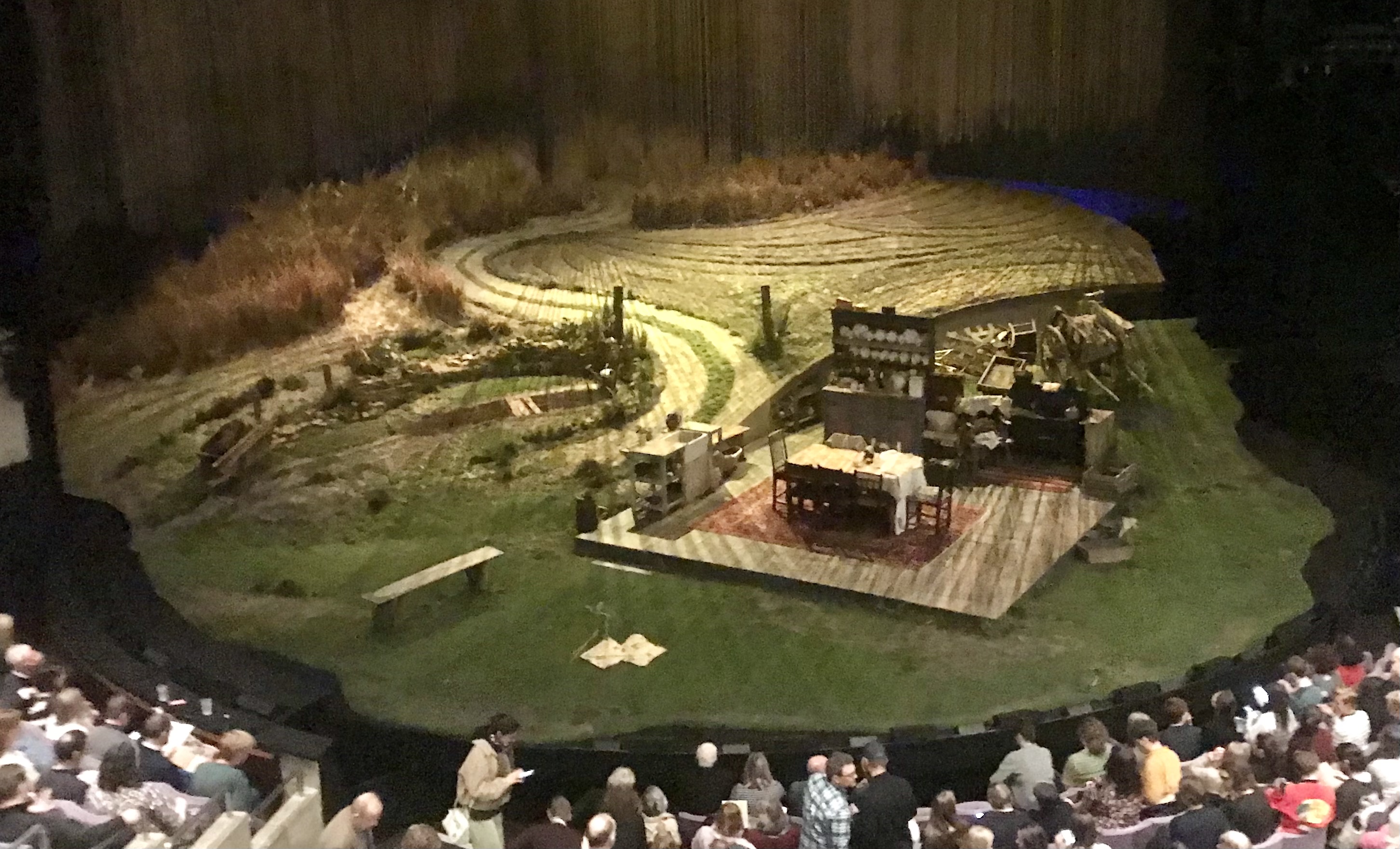
The new production at the Olivier is very good. I’ve read criticism of the stage, but I thought the way it combines inside and outside with a real sense of perspective was very clever and effective. The cast, featuring Siobhán McSweeney and Ardal O’Hanlon (as Father Jack) is very strong. The play itself is a vivid slice of life with strong and interesting characters, living complex lives that are just about to break down. It is clearly about memory, with the protagonist narrating his life in retrospect and providing the voice for his otherwise invisible younger self. At the end of the day, though, I don’t know what it tells us beyond what any bit of a life might do. To mention a small reservation, I wasn’t sure about Father Jack’s accounts of the beliefs of the Ugandans he lived among: are they accurate or just invented? But an interesting evening.

These are some writing competitions with deadlines during the coming month. This list is really for me (I’ll probably end up entering about half of them), so it is not comprehensive (I don’t bother with flash much, for example), but I hope it might be of interest.
All the rest have a deadline of 31 May.
If you enter any of these and get anywhere, do let me know!
While we were in Amsterdam we naturally went to the Van Gogh Museum, which is great: and by coincidence we arrived on Van Gogh’s 170th birthday. The gallery shows works by various other artists, highlighting the influence of Japanese pictures and pointillism, for example.
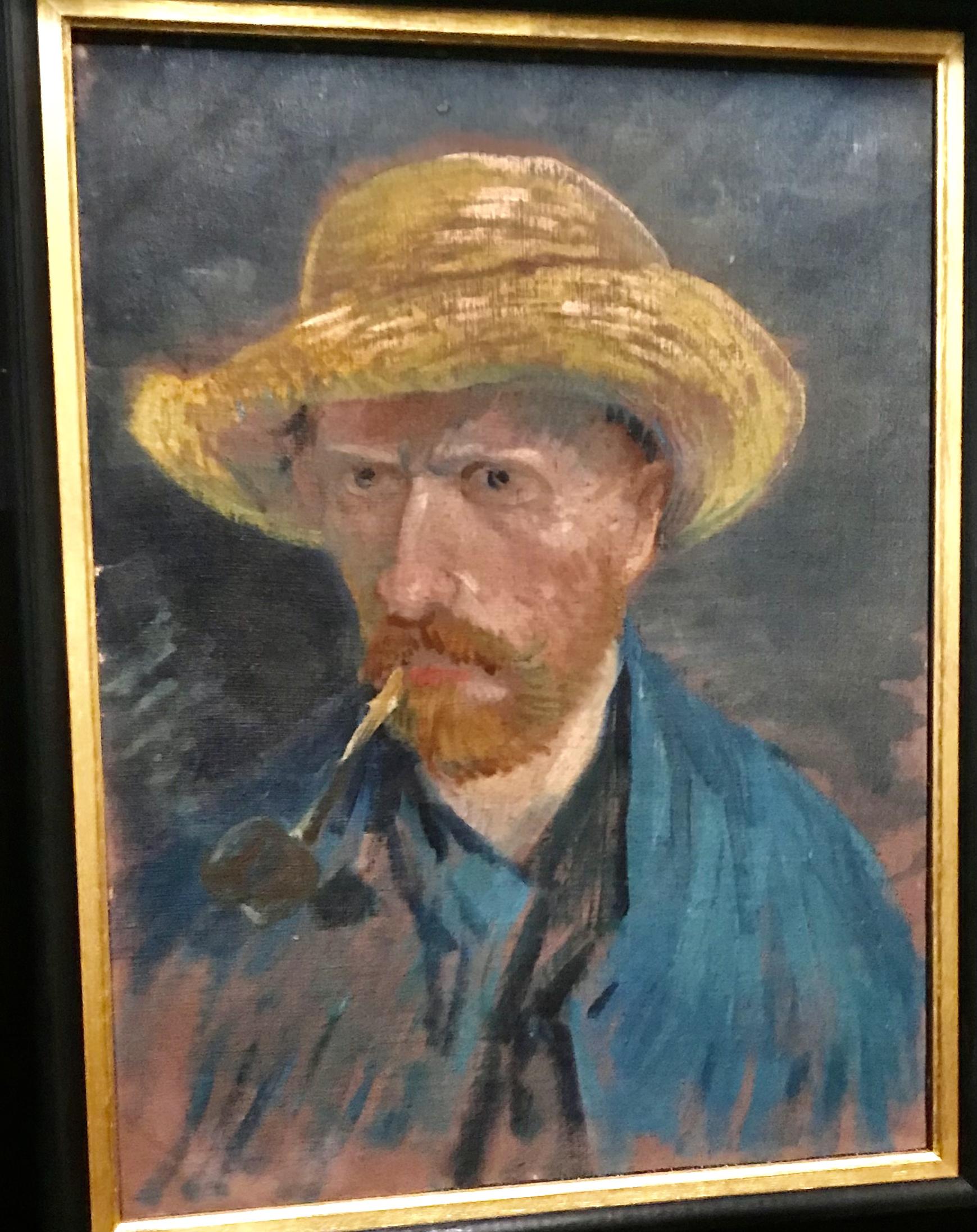


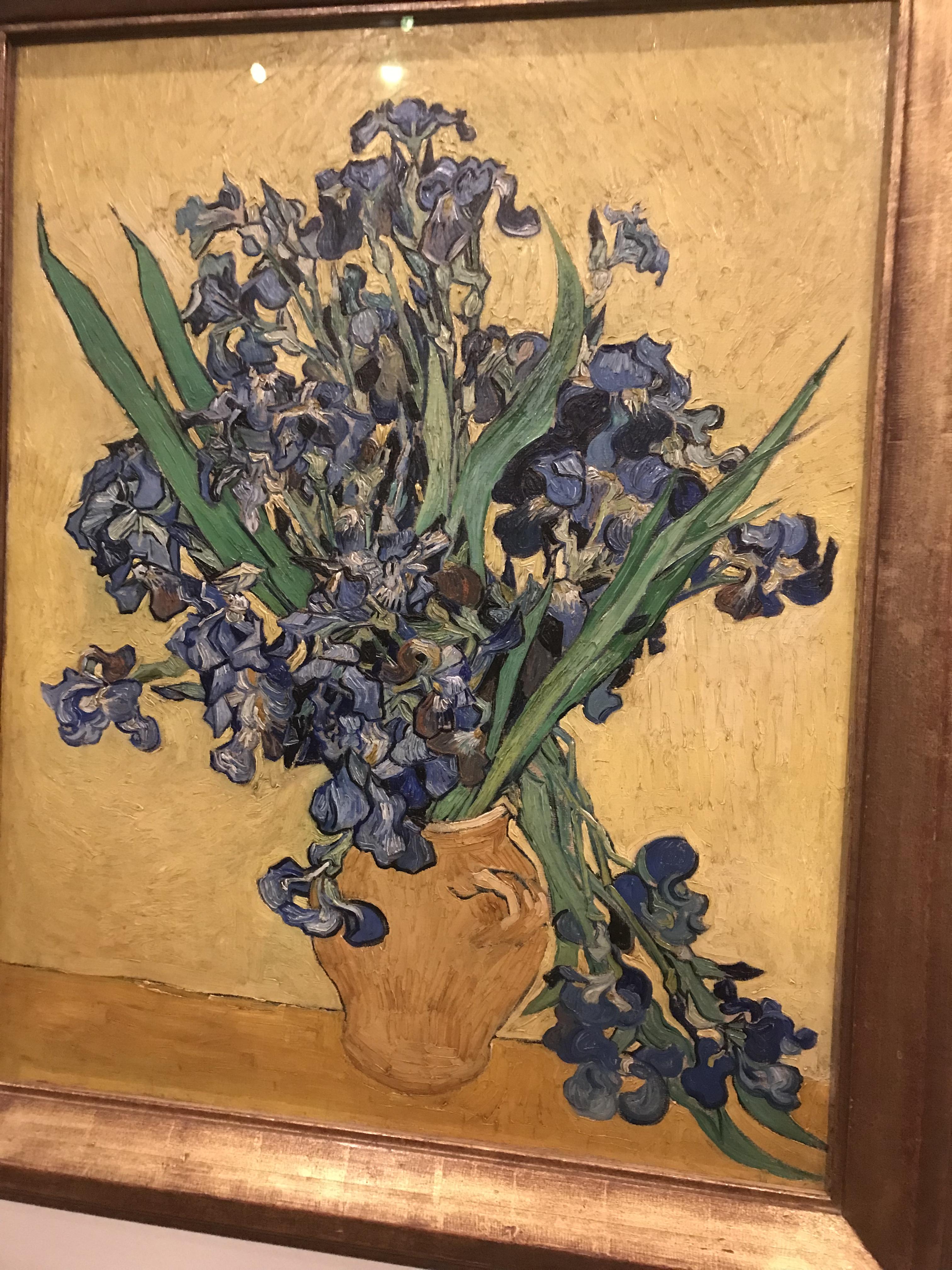


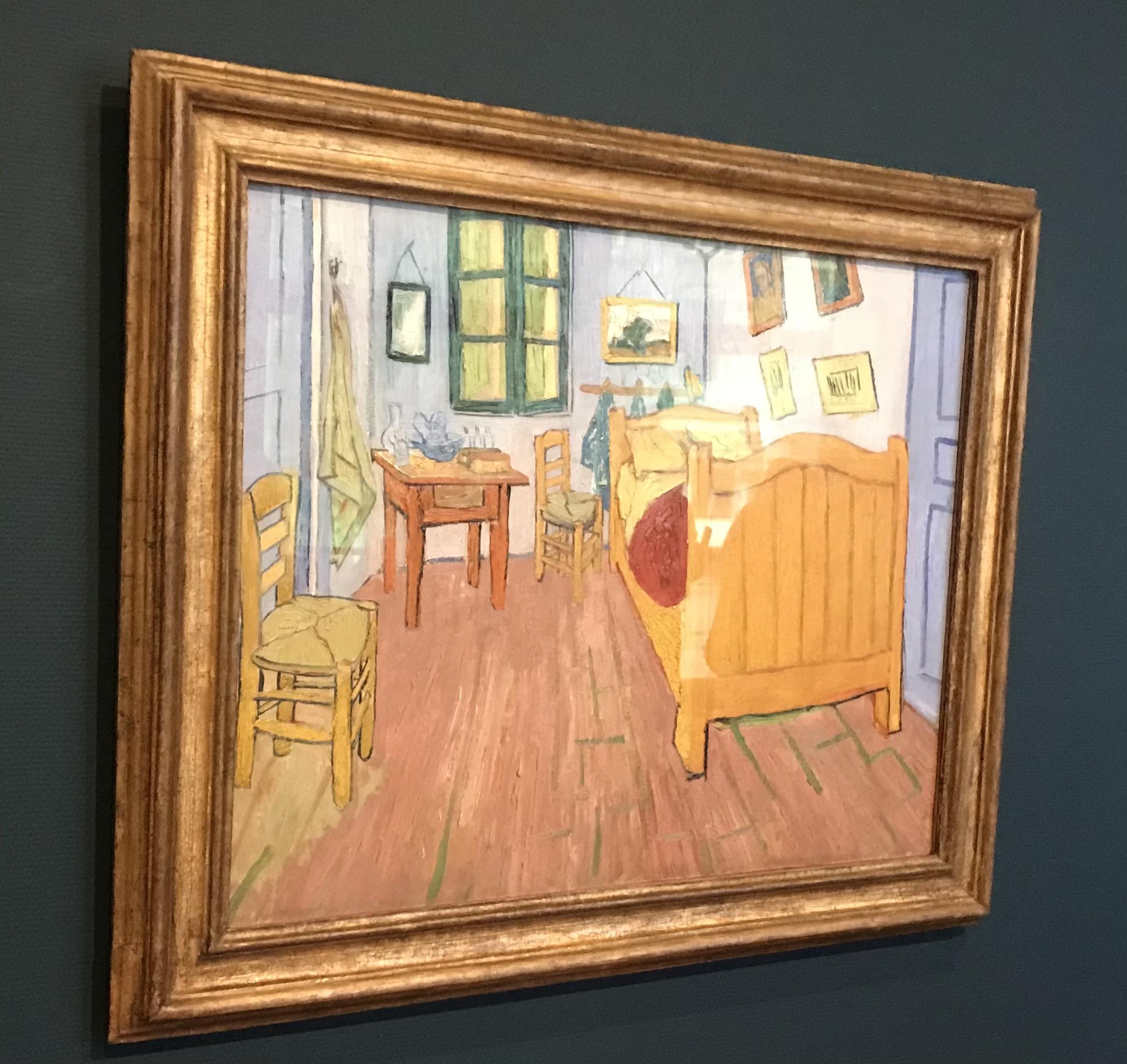

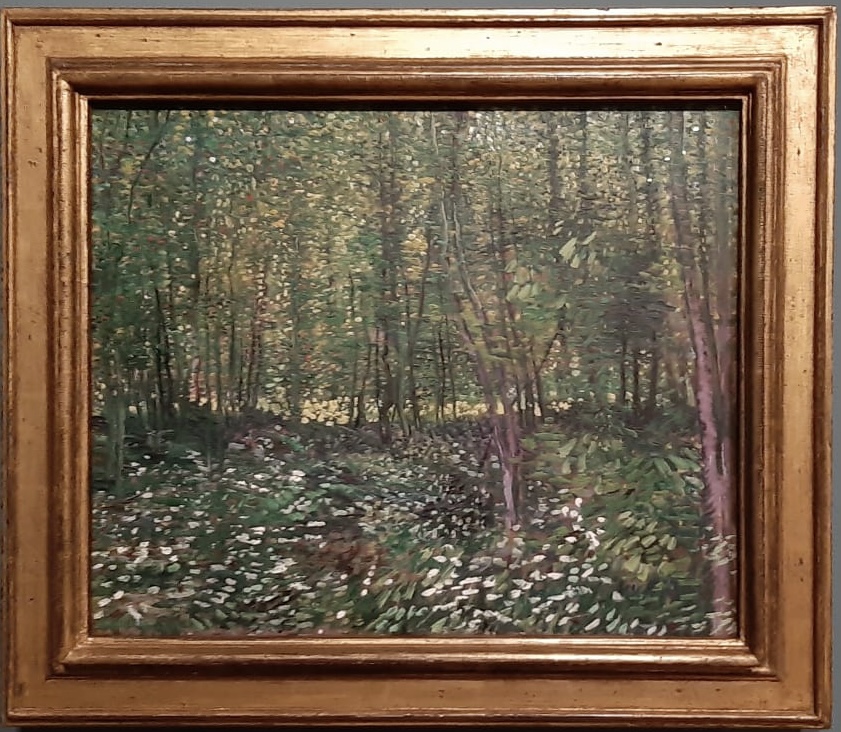
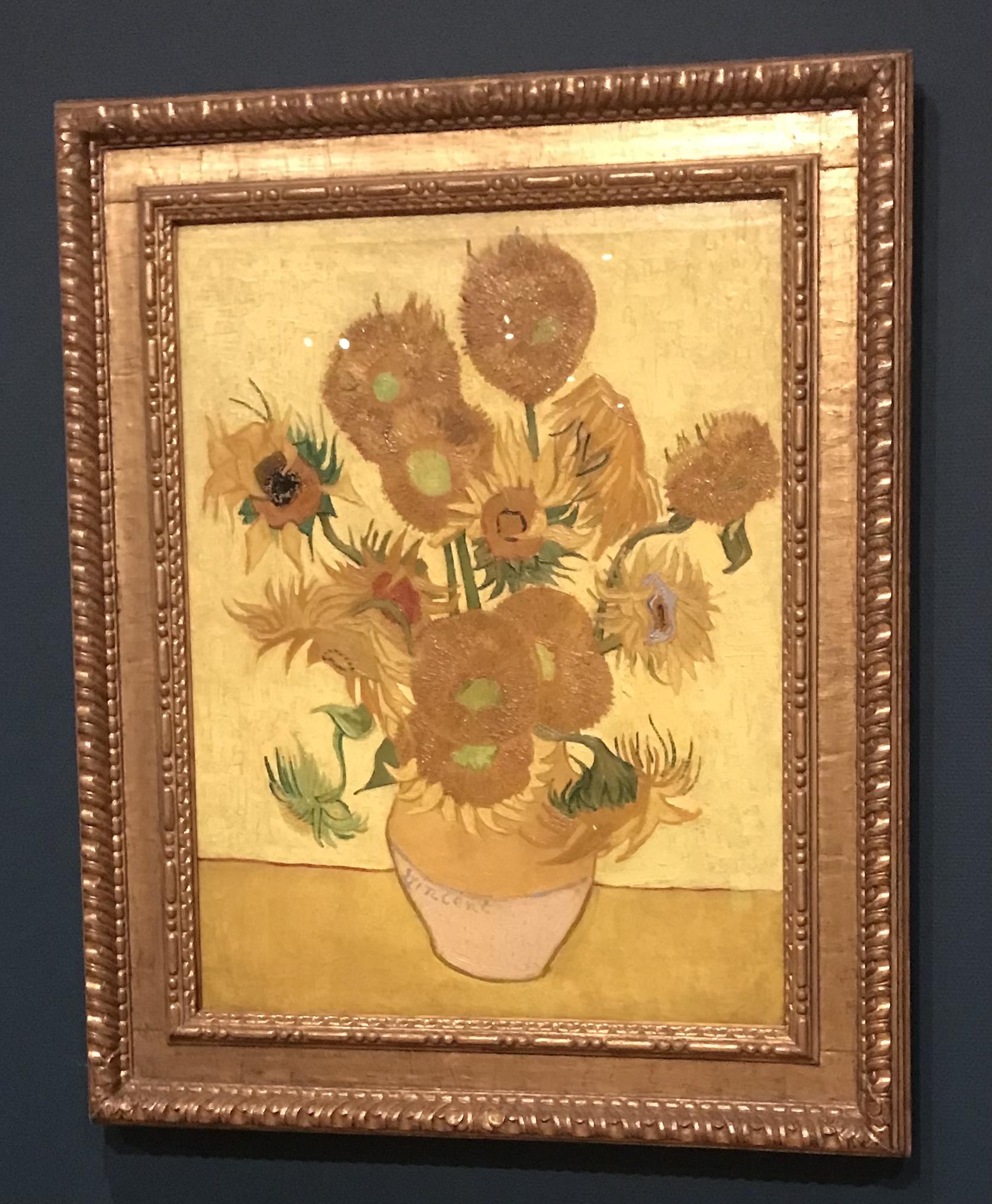
I’m surprised I hadn’t heard of this picture before – it’s by Gauguin, of Van Gogh painting sunflowers!

One other artist admired by Van Gogh was Frans Hals, whose works we saw in Harlem.
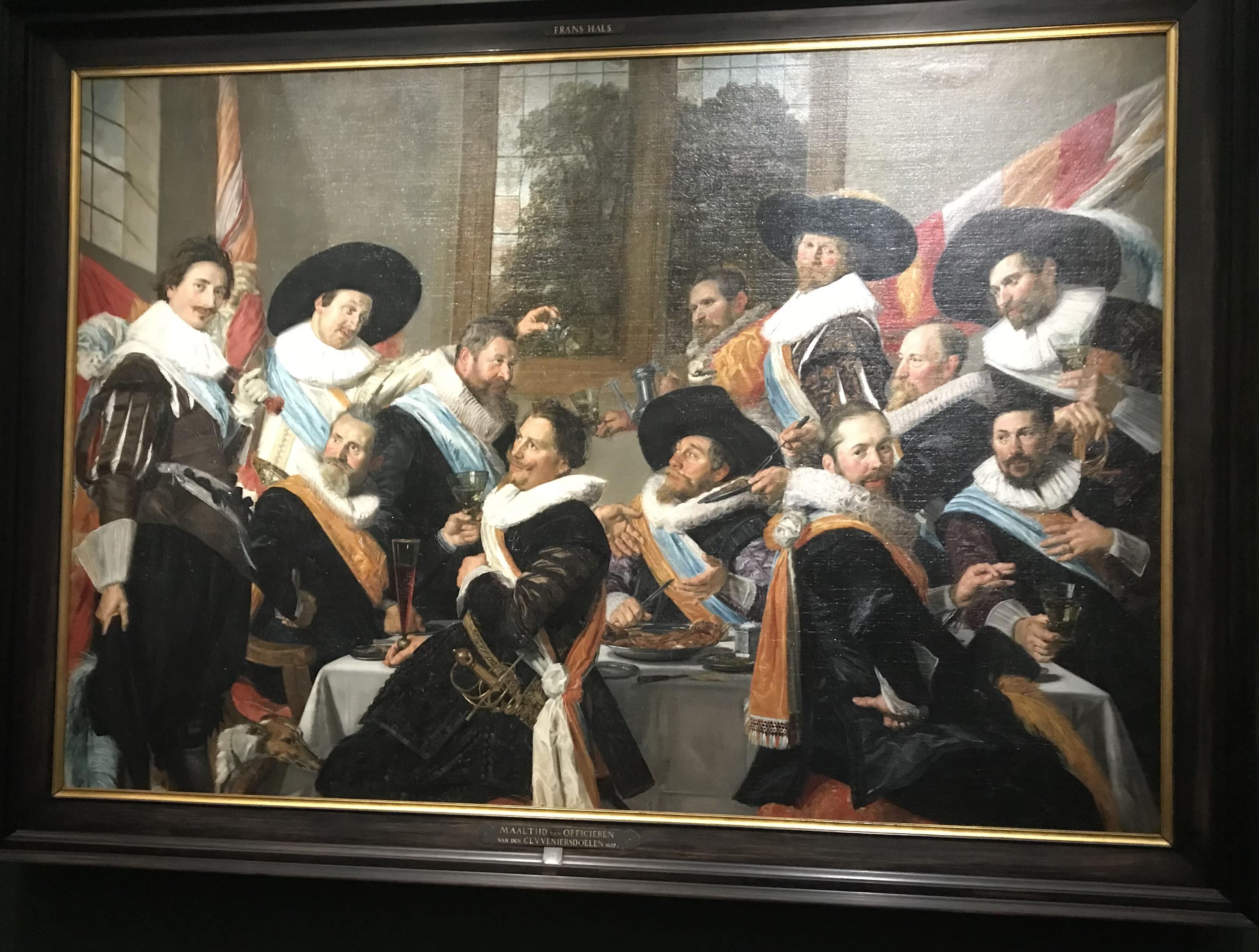
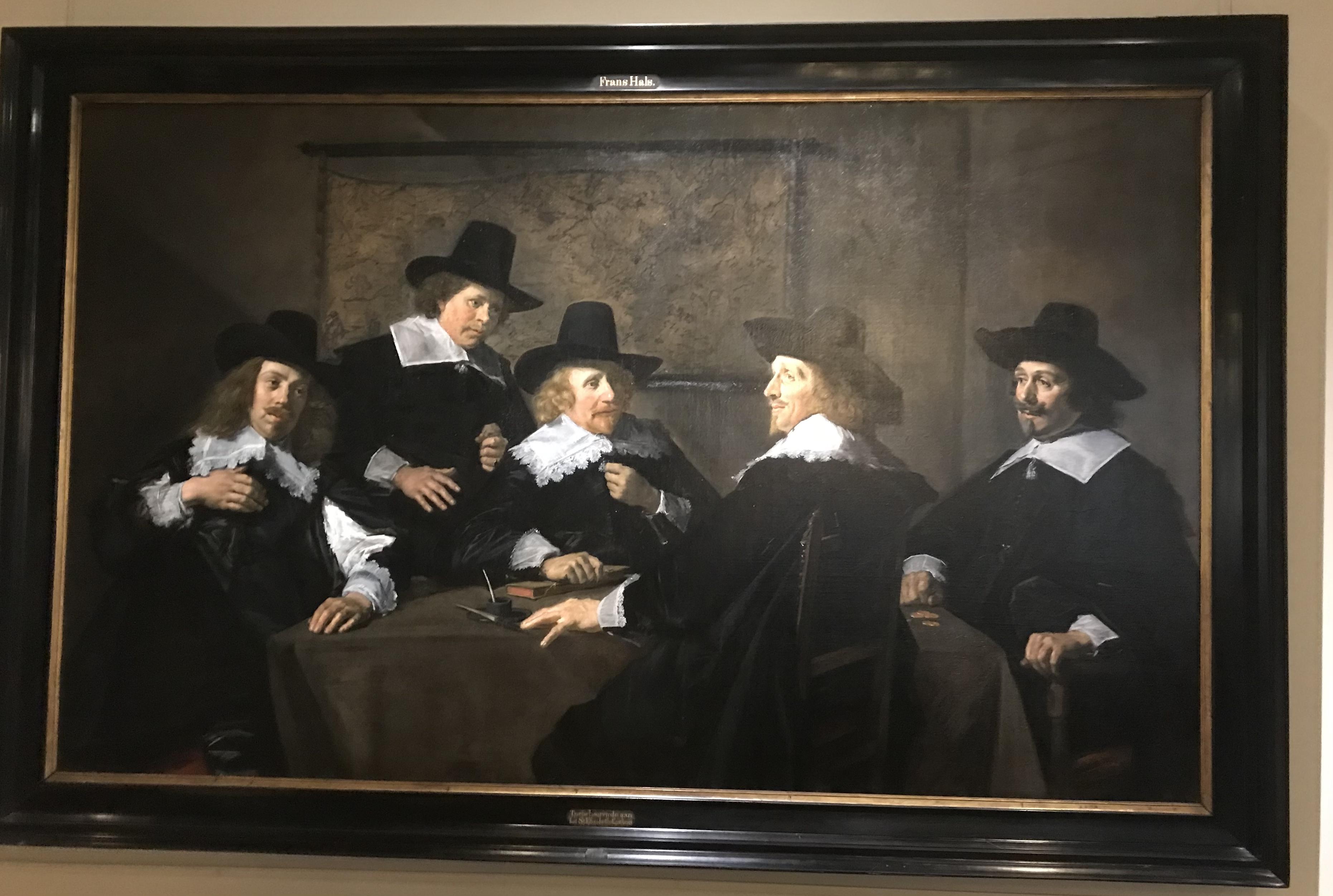

Hals’s brushwork was always loose and became extraordinarily free in old age. Lace collars from this period look like random slashes of white paint close up, but when you back off they look perfect from a distance. Apparently at the time some though he was senile, but then other artist’s styles (Turner, El Greco) have been attributed to poor eyesight, and indeed Van Gogh’s to mental illness.
I’ve got a bit behind with these posts: we went to the amazing exhibition at the Rijksmuseum in Amsterdam, where the largest ever collection of Vermeer’s works are gathered (and we got in before Girl with a Pearl Earing went back to the Mauritshuis).
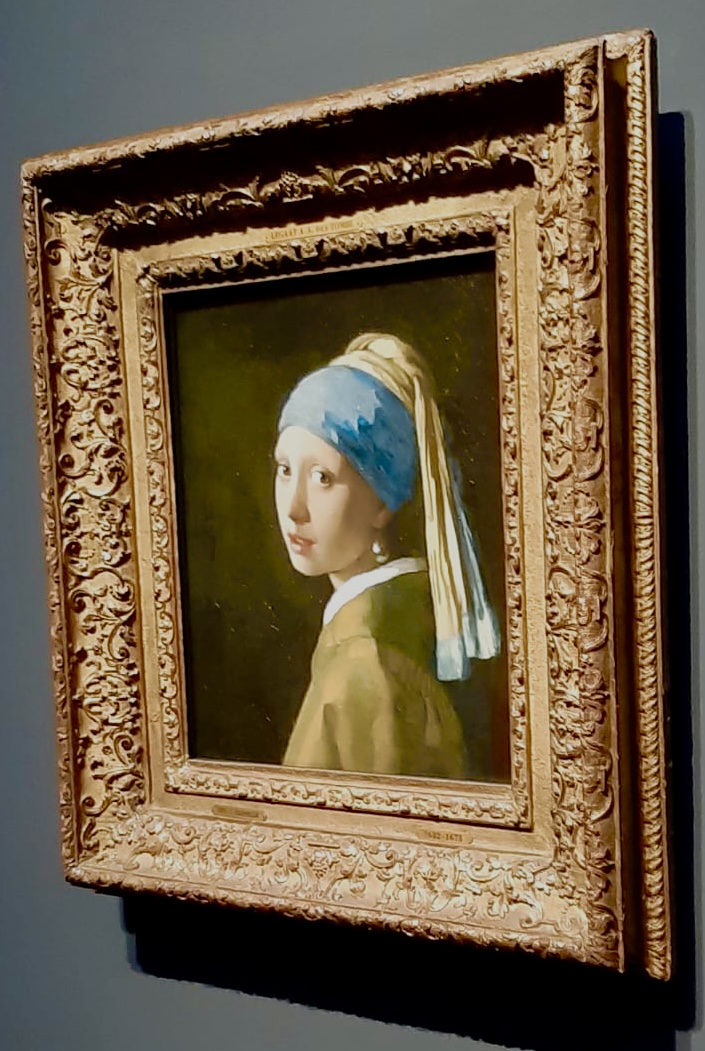

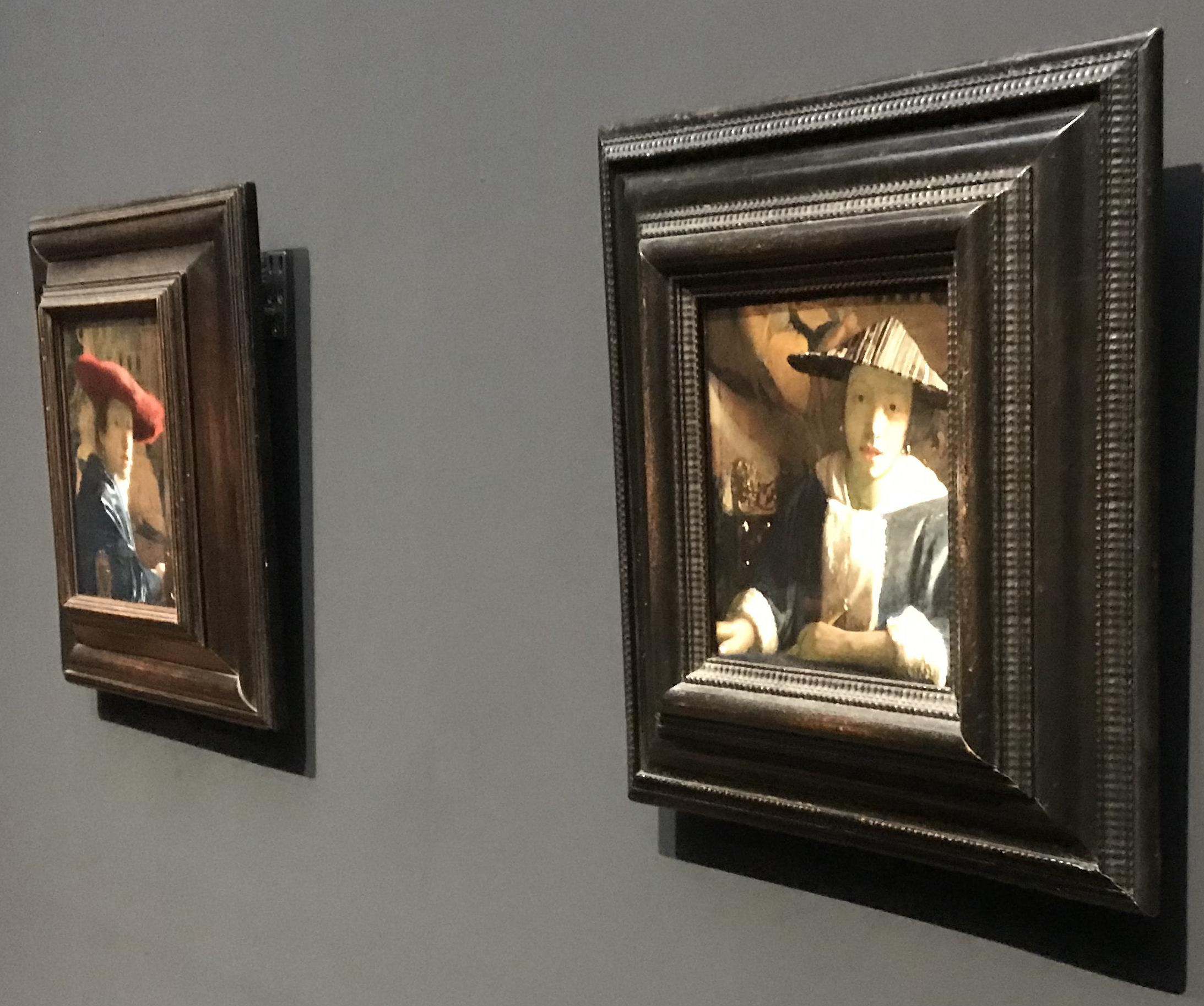
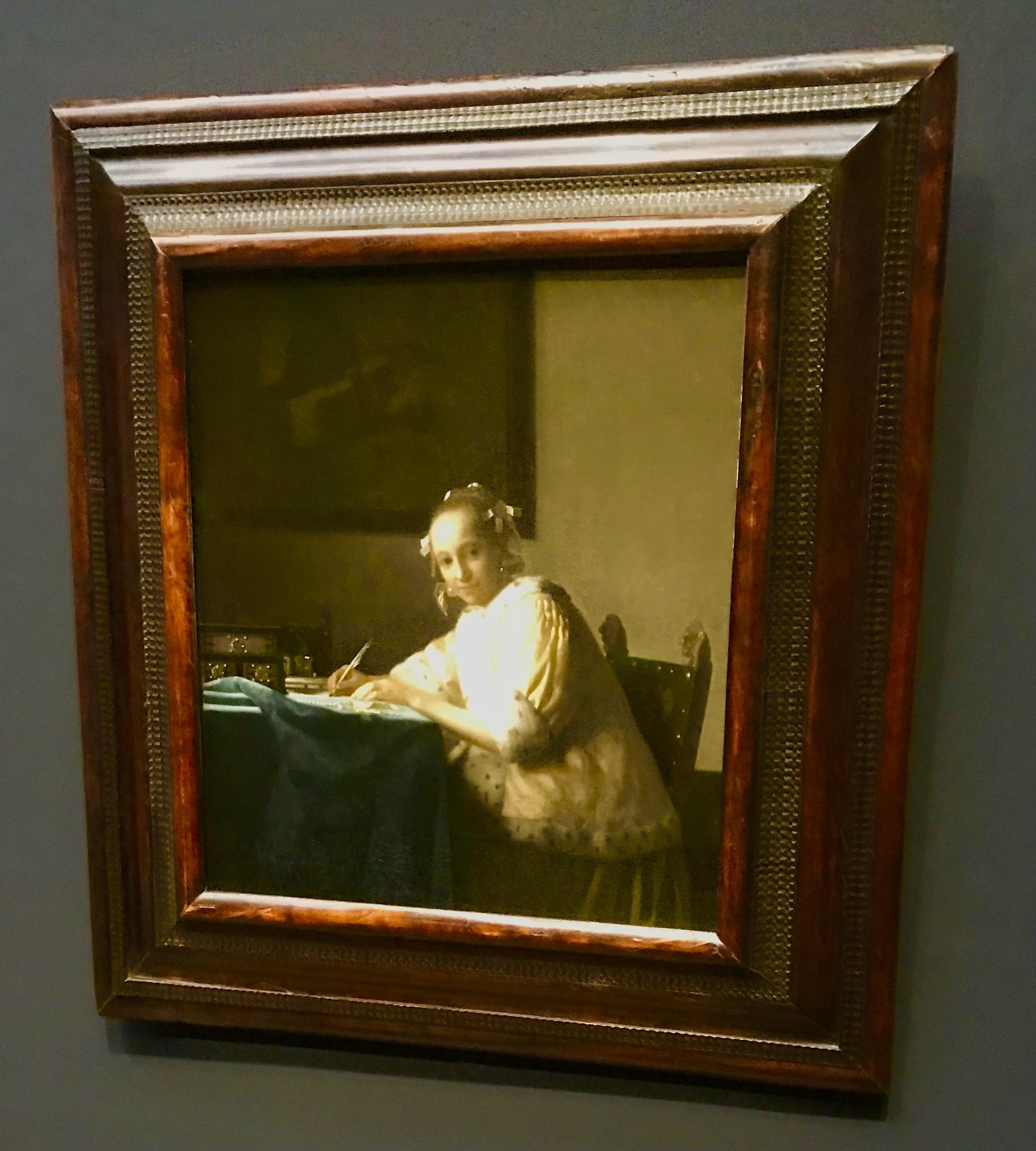


With so many works together, it becomes very clear that Vermeer had certain favoured themes. Many of the images seem to have been staged in the same place: a room with a window to the left, a chequered floor, and a map or a picture on the back wall. Posed in this space are women reading, or with musical instruments, and the same pieces of clothing get re-used (that yellow, fur-edged jacket).
I had had the impression that Vermeer’s stuff was pastel coloured and just a little soft focus, but neither of those things proved to be true. A great experience, slightly impaired by the crowds. and I’m afraid these snaps are not great quality. I would urge you to go, but I’m afraid it’s too late.
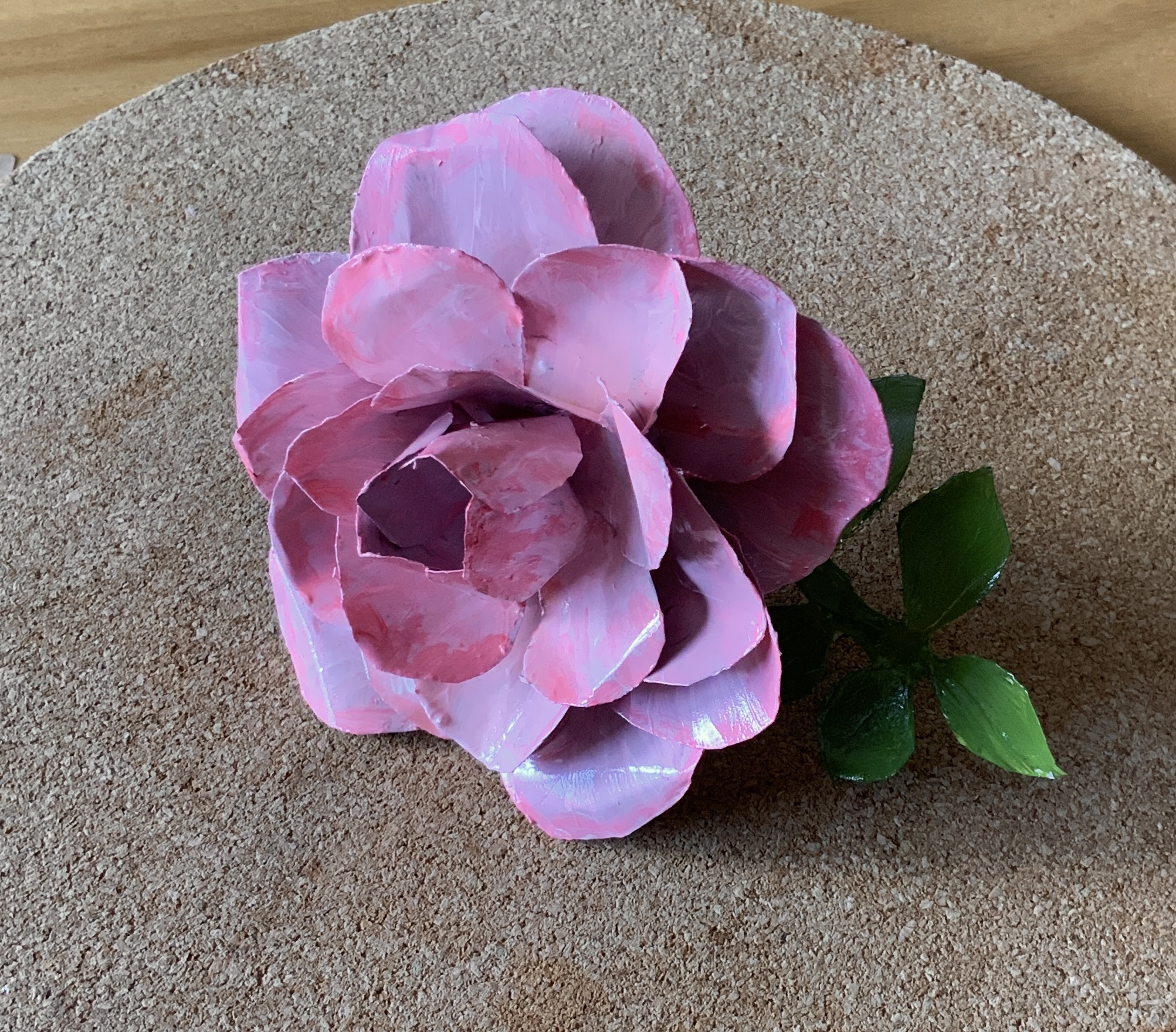
I quite enjoyed doing the butterfly, so I thought I’d use a few more cans and try a flower – here is the result…
My story ‘The Devil’s Dance’ was commended in the 2023 Elmbridge Literary Competition! It will be published on the RC Sherriff website in April.
I made this out of a section from an old can. I was worried the paint wouldn’t stick unless I used some kind of primer, but though it slid around a bit it seems OK.

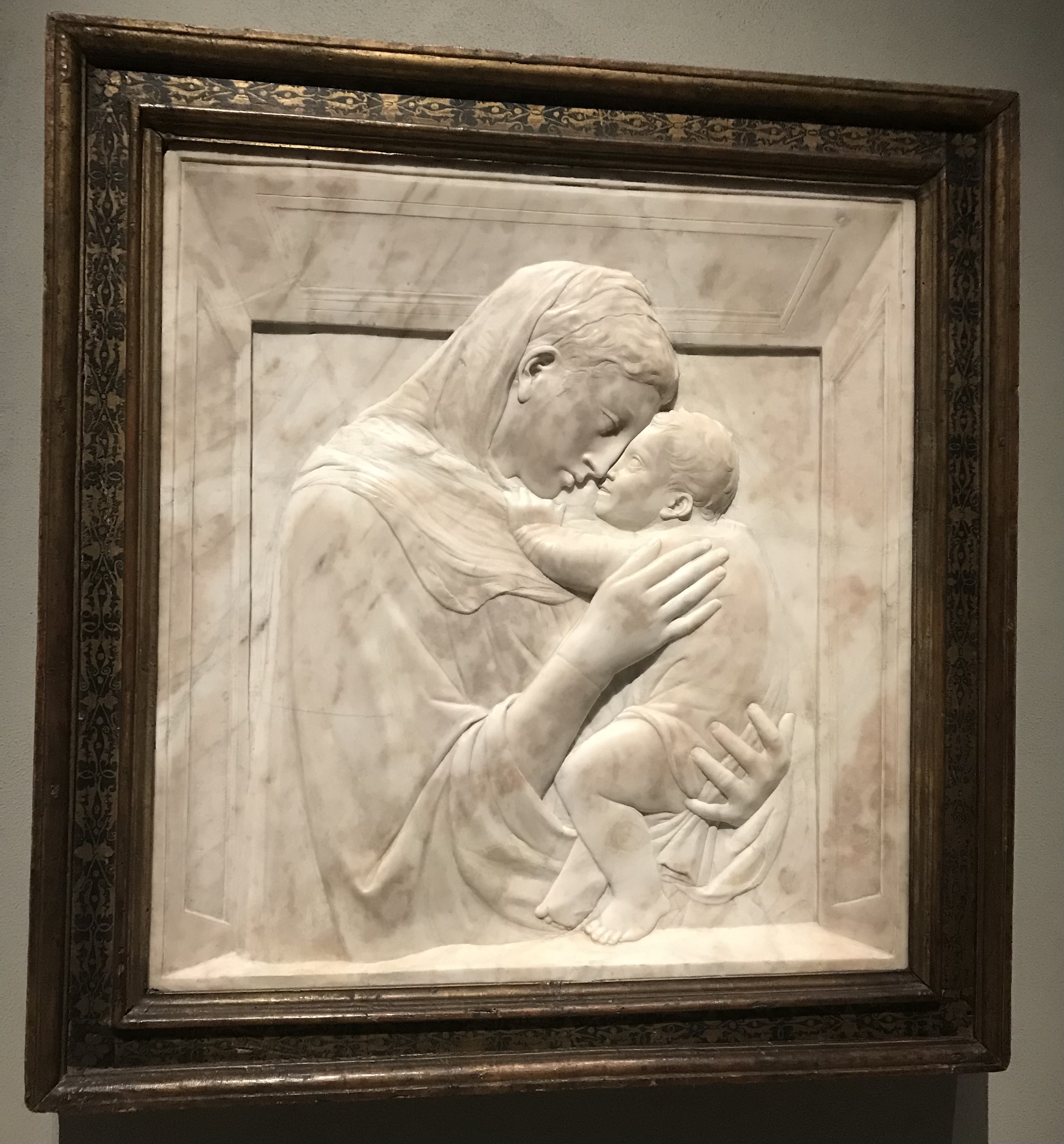

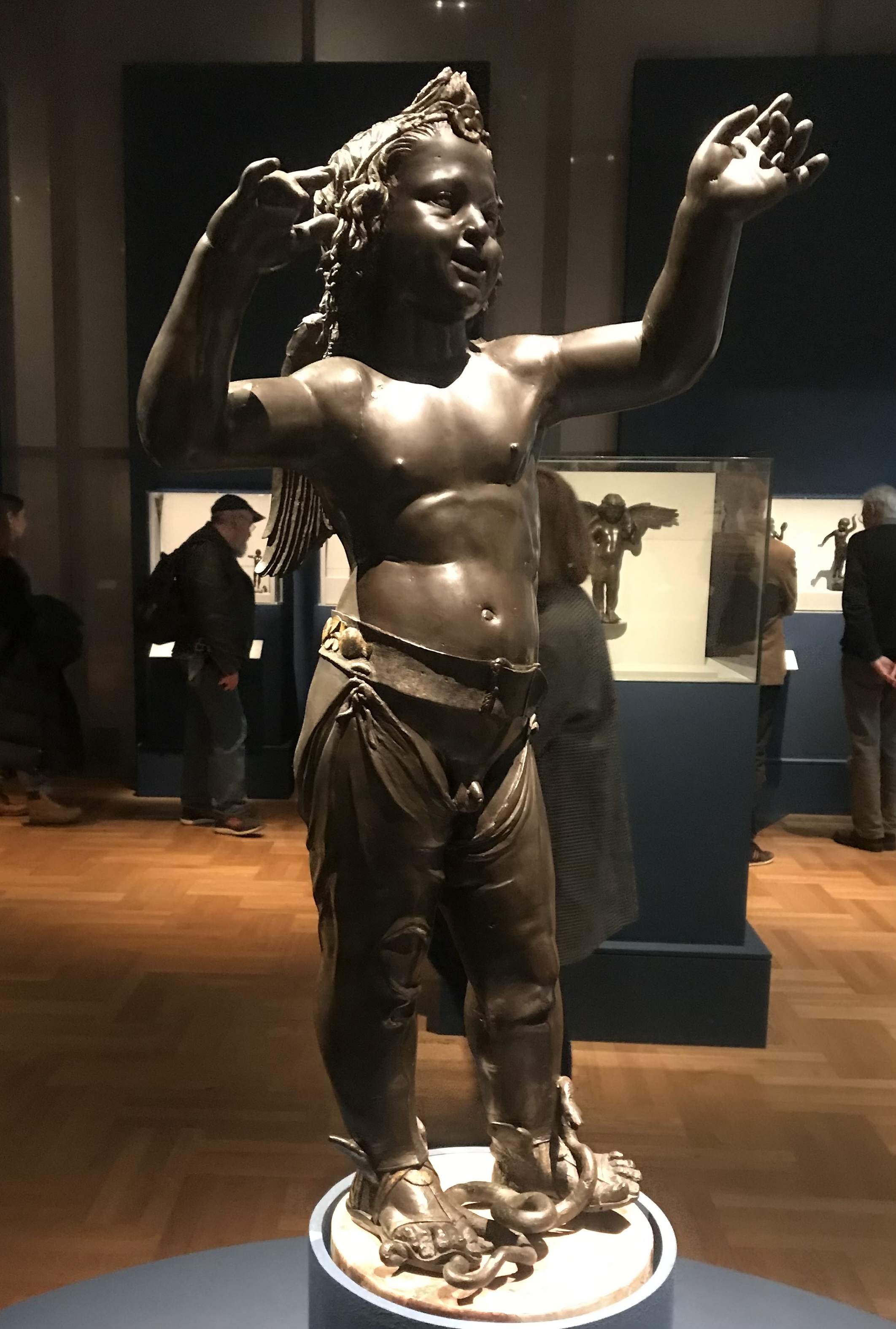


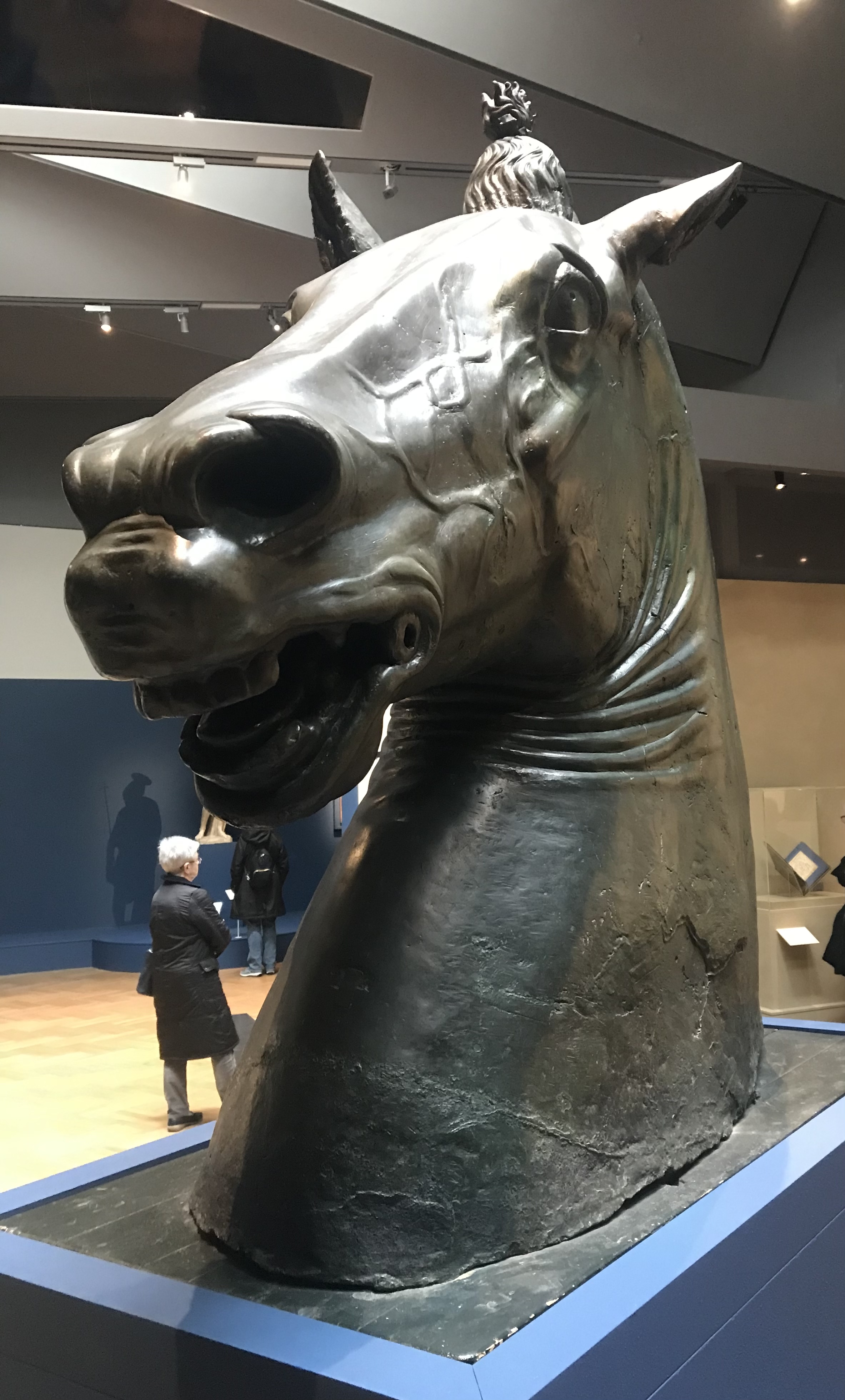
I didn’t know much about Donatello before this, but it seems he is notable in several ways. A pioneer of free-standing bronze sculpture, responsible for some of the first since classical antiquity. An influential creator whose designs and methods were widely copied. And the master of rilievo schiacciato, flattened relief, in which a 3-d image is carved within a few millimetres of depth (the difference in the levels in some of these works must be fractions of a millimetre).
Donatello’s most famous work, his sinuous nude David, is represented here only by a copy. But we have the completely puzzling Attis-Amorino, an ecstatic cherub-like figure who wears droopy leggings off a big belt. He is trampling serpents, and has both wings and a small satyr’s tail as well as wearing poppies. He represents something, but exactly what is unclear…

Here is a look at writing competitions I might enter during the coming month (so no poetry or competitions that are not open to UK writers, for example).
If you enter any of these and win (or get anywhere), do let me know!
 Seen and Done