Ram’ses
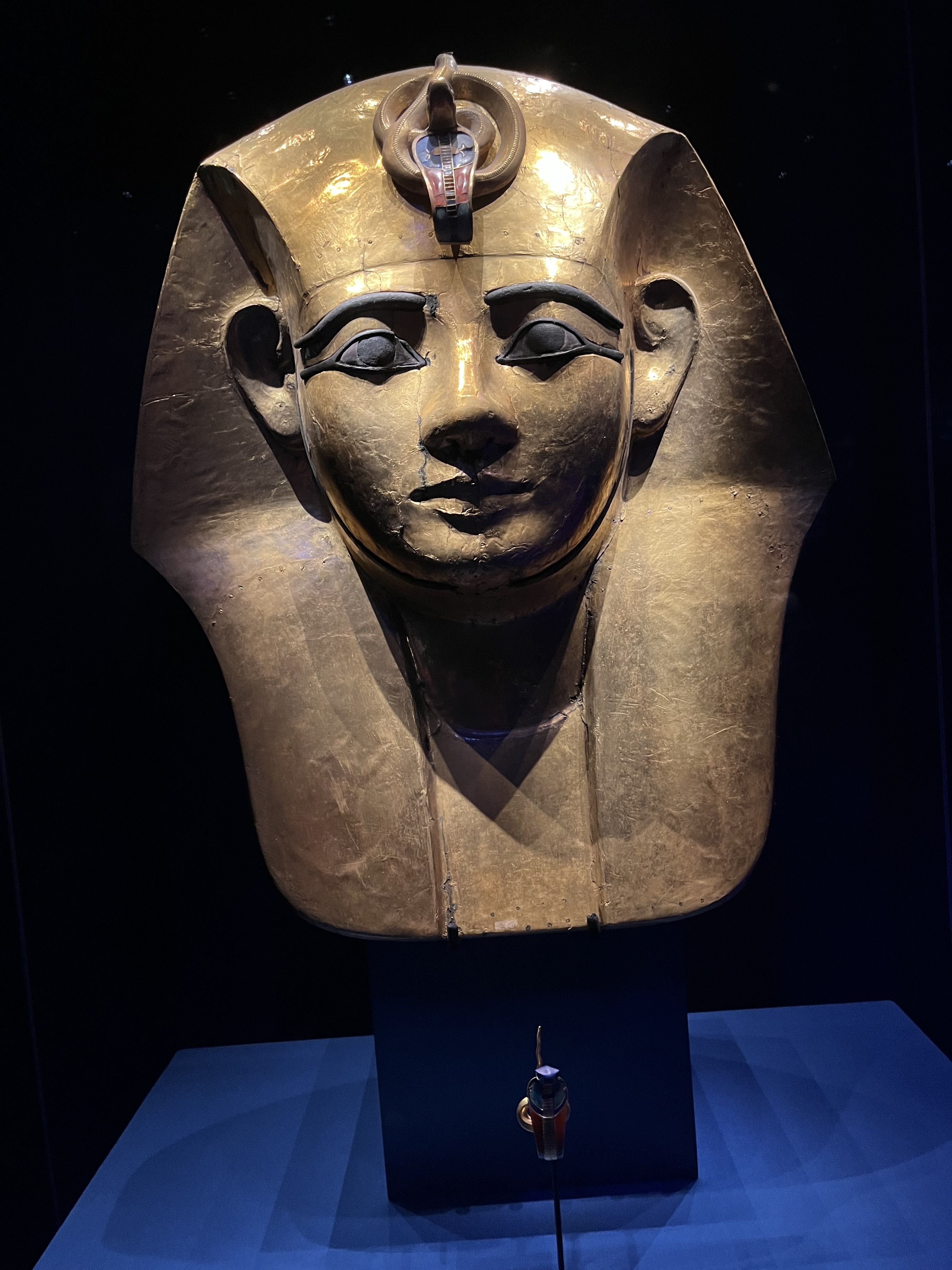
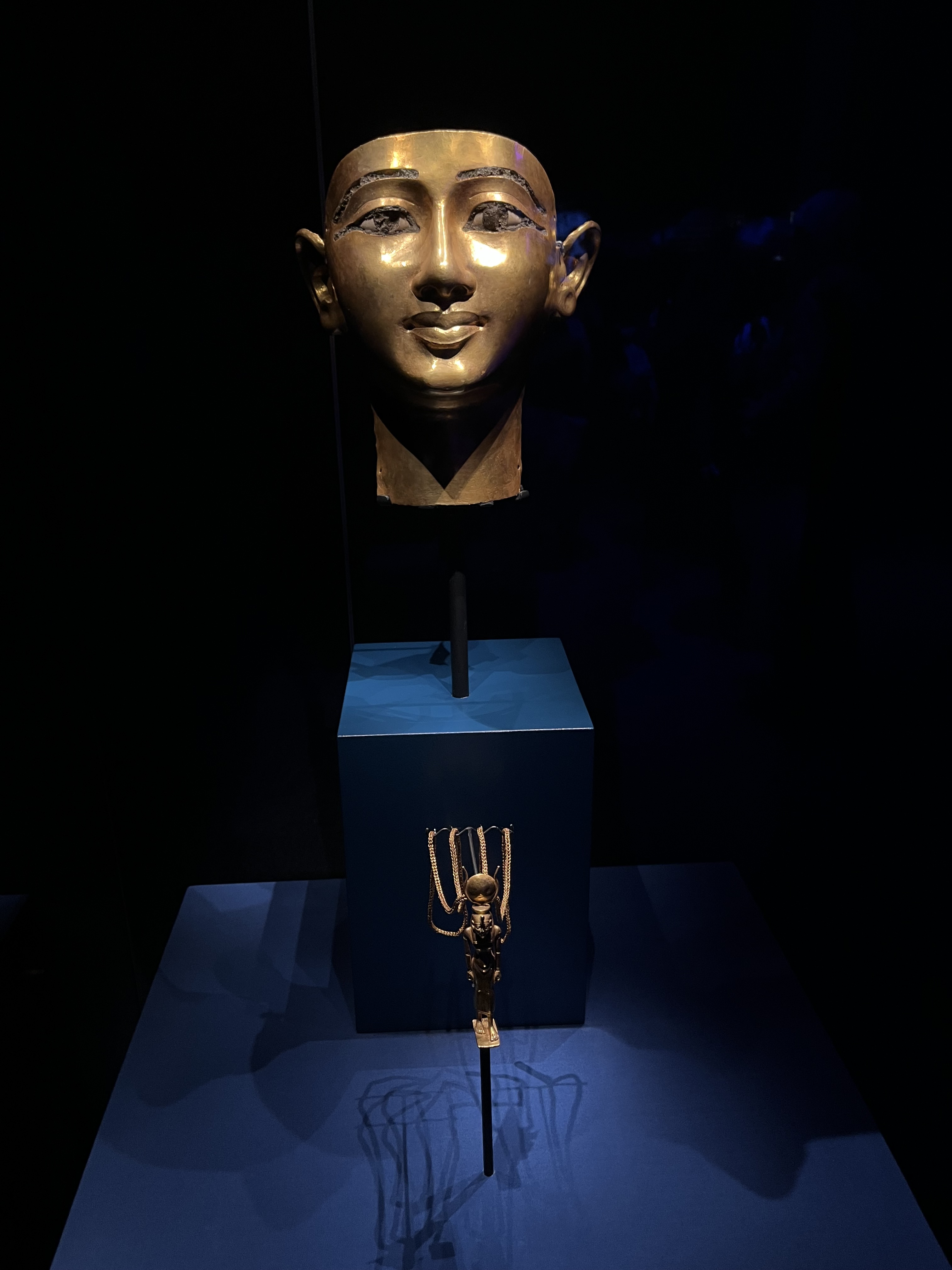
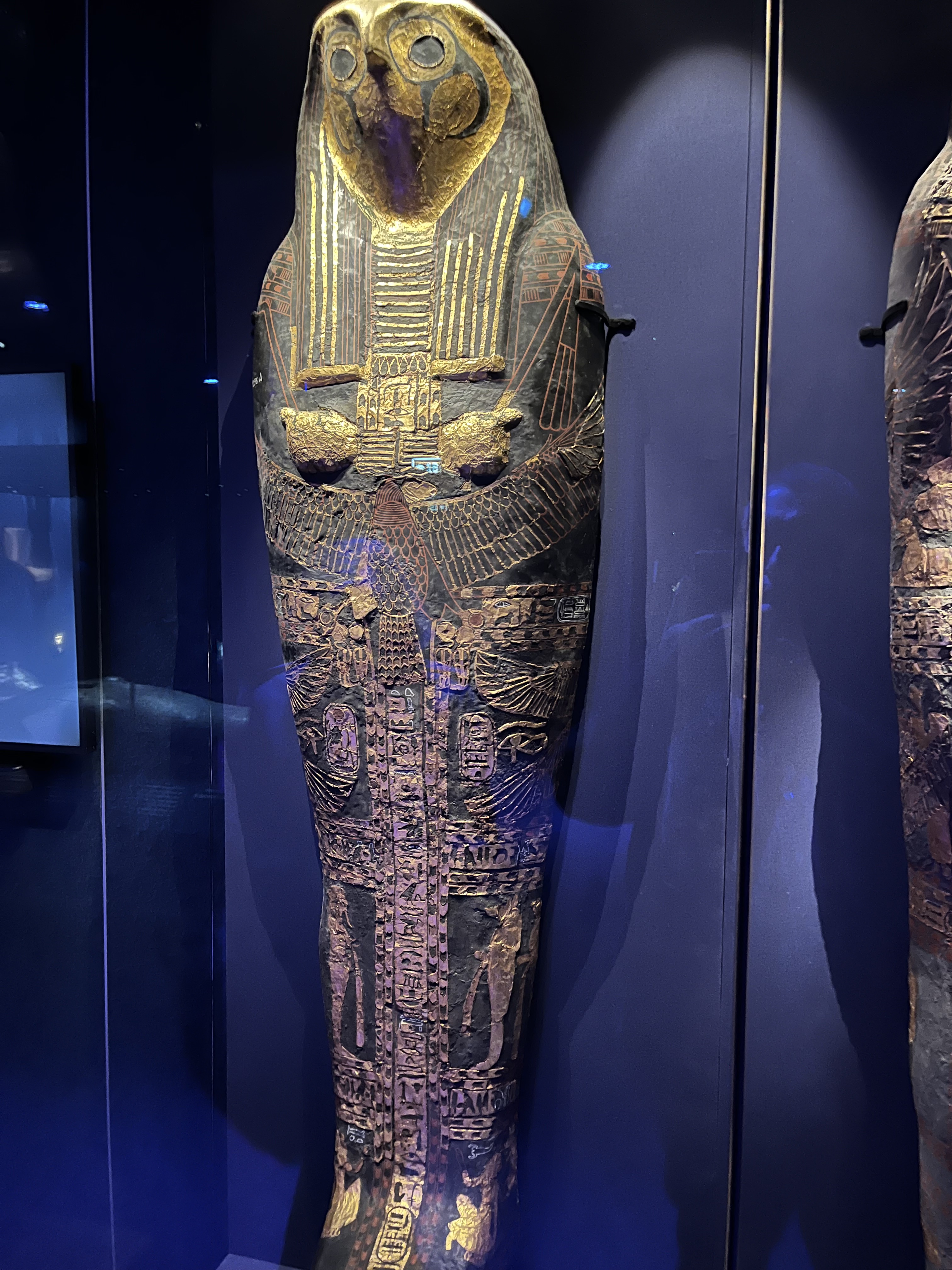
It is a strange quirk of fate that the best-known of the Pharaohs is probably Tutankhamun. That’s surely because his is the only ancient Egyptian burial treasure that has survived more or less intact, showing something of the incredible wealth and beauty of these funeral hoards. He was, however, a minor monarch, young and short-lived, at the end of a failing dynasty.
In the next dynasty, by contrast, and not all that long afterwards, there lived what may actually be the greatest Pharaoh of all: Ramesses II – or Ramses, it seems both variants are equally accepted. I’m going to make matters worse by calling him Ram’ses. At Battersea Power Station there is currently an exhibition devoted to him, and we visited.
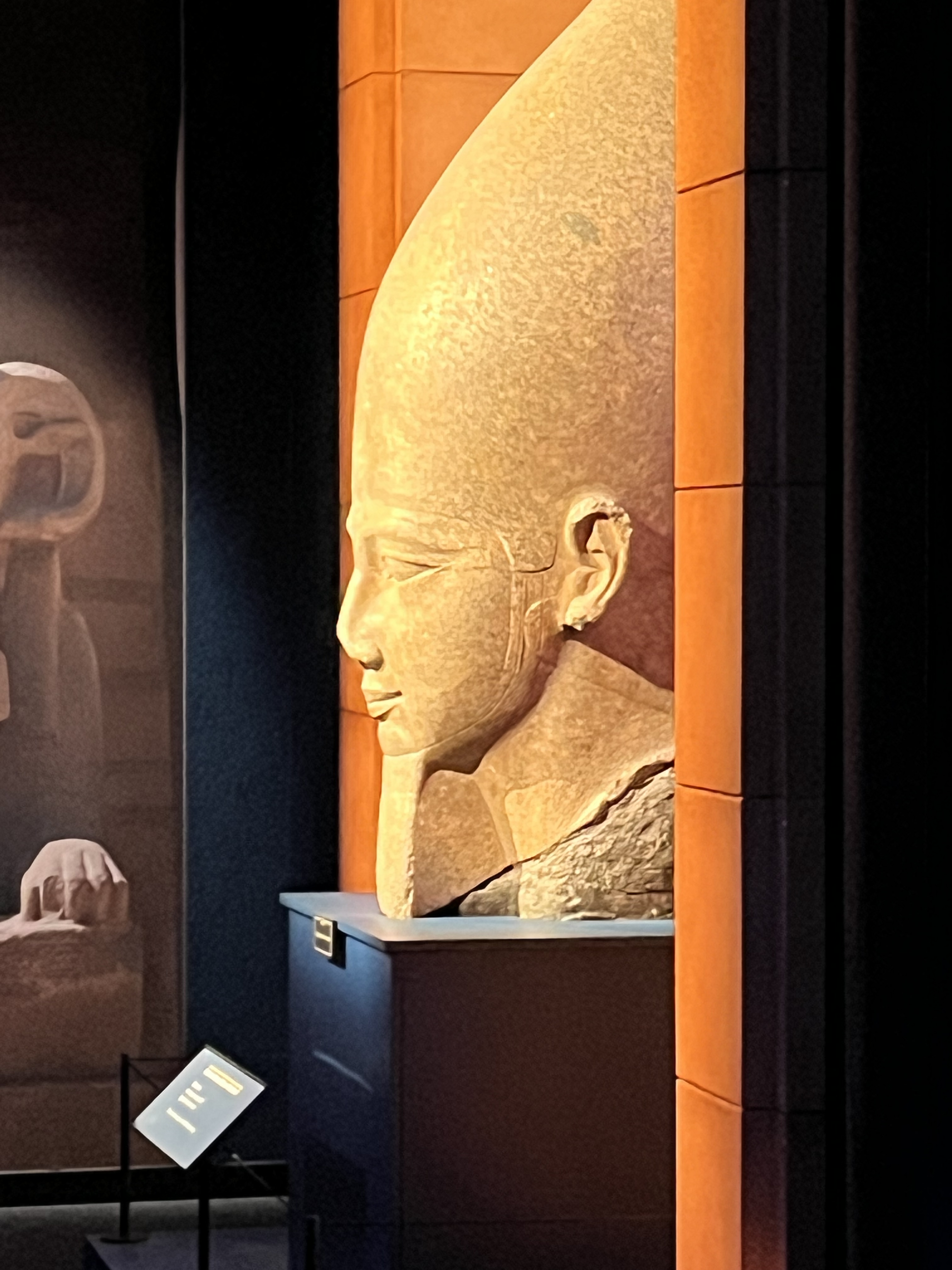
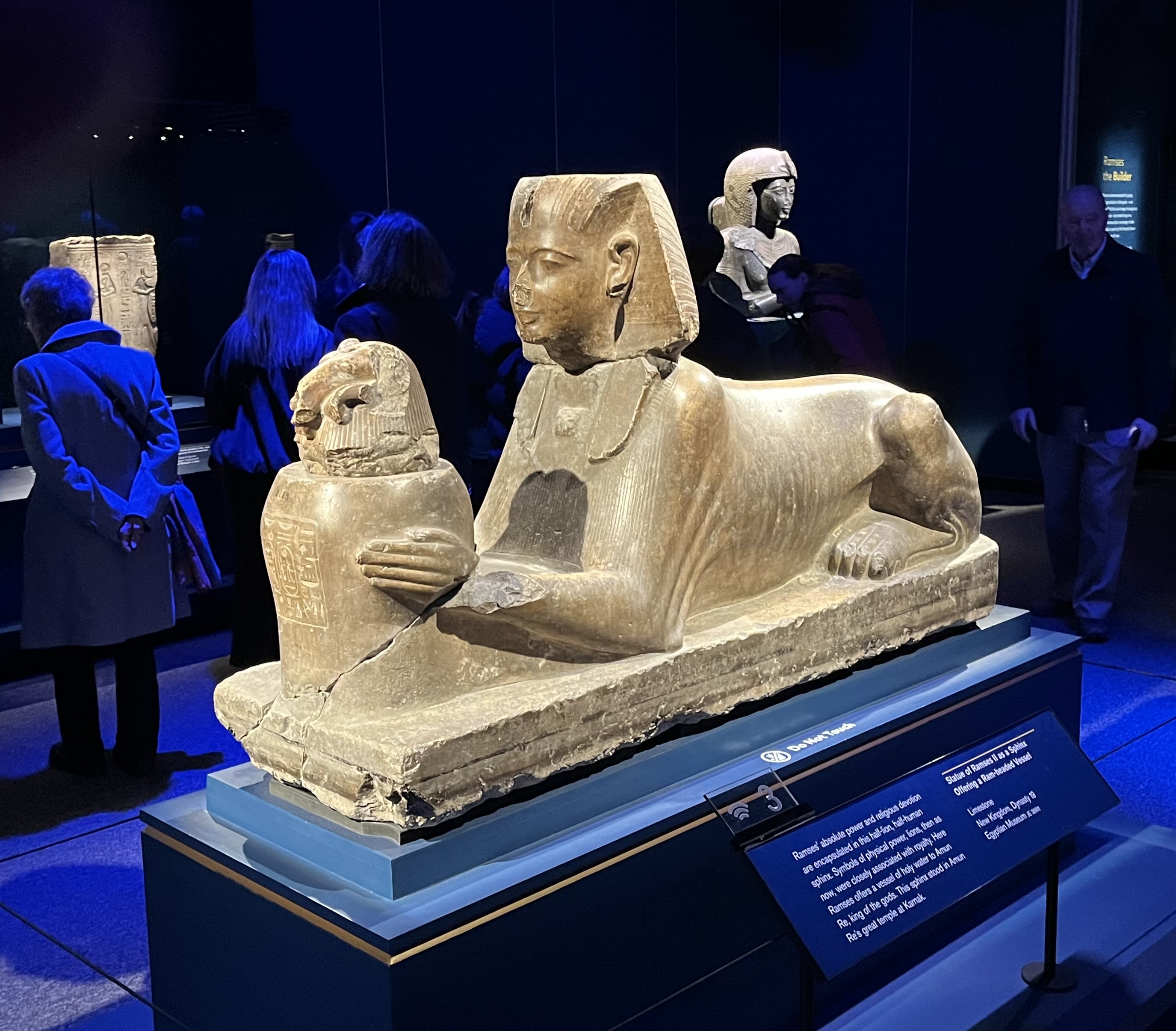
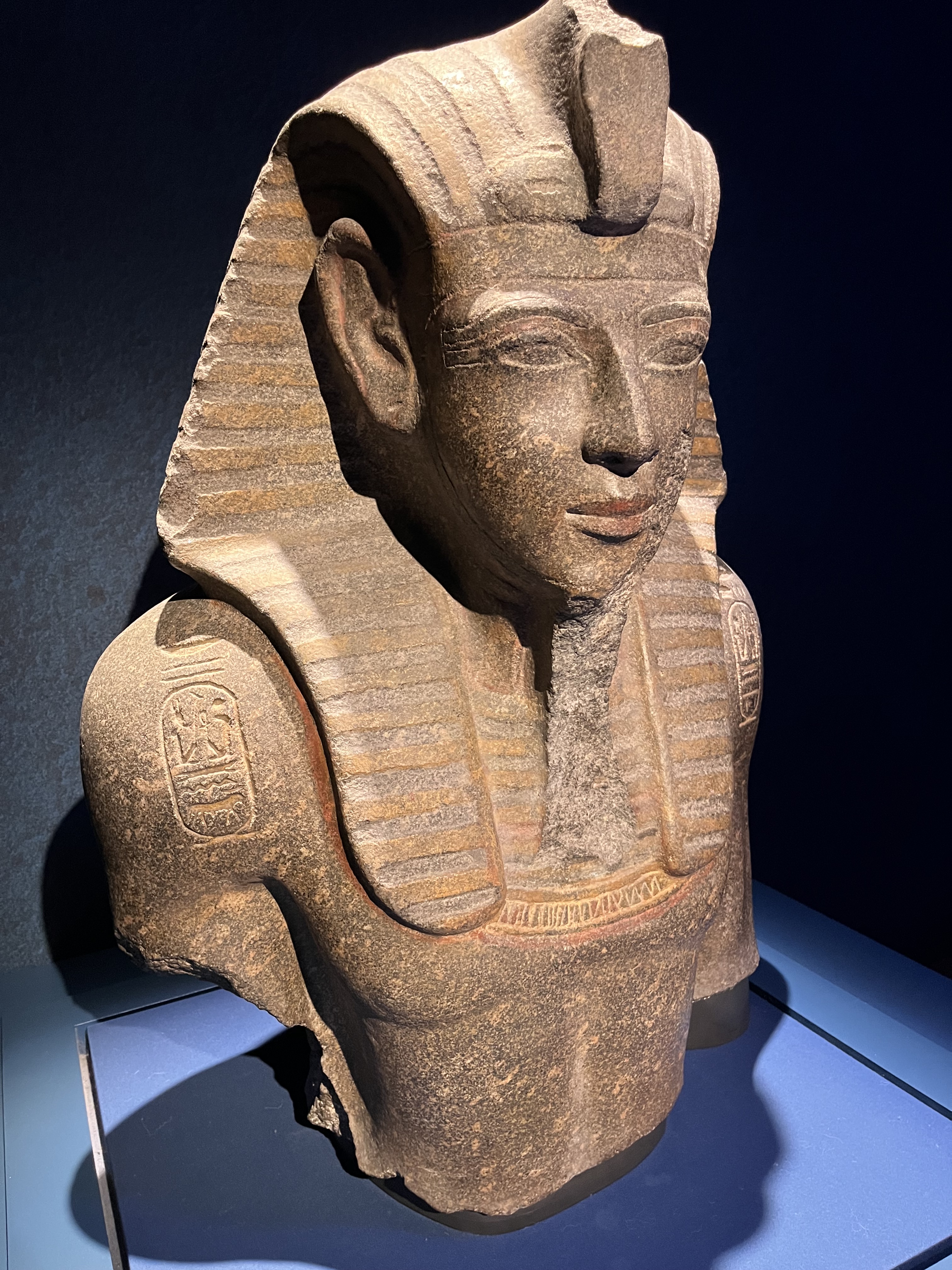
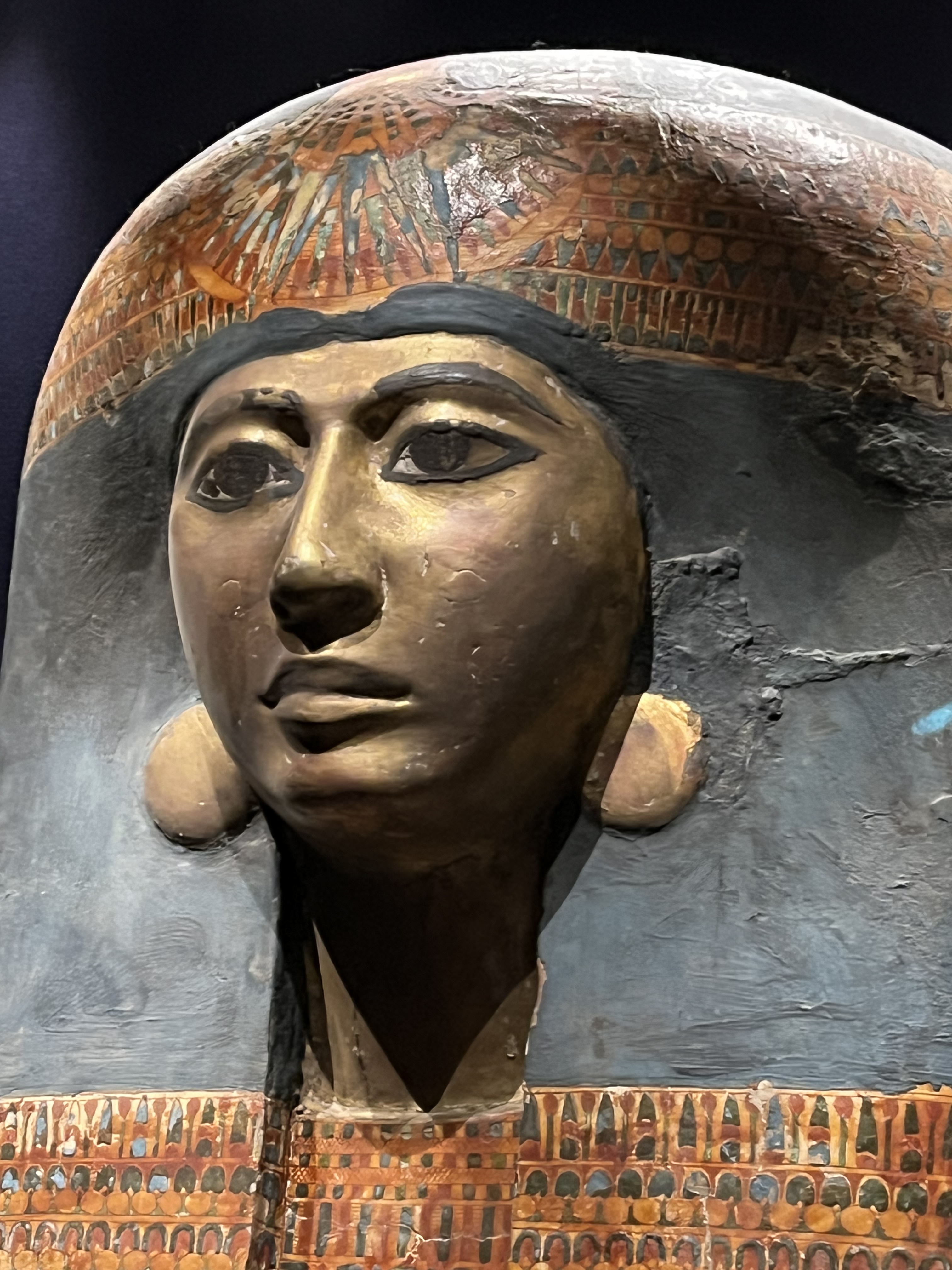
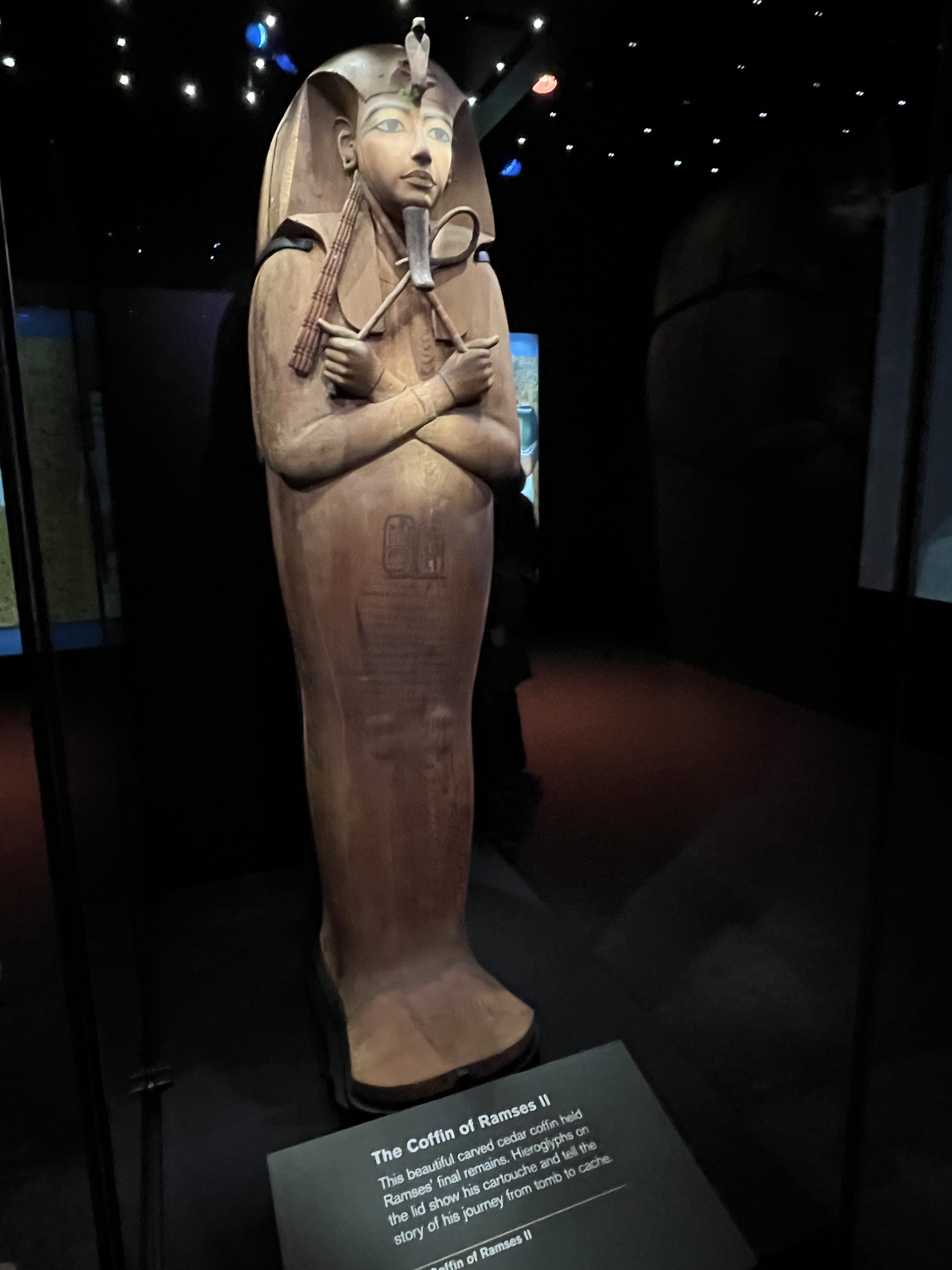
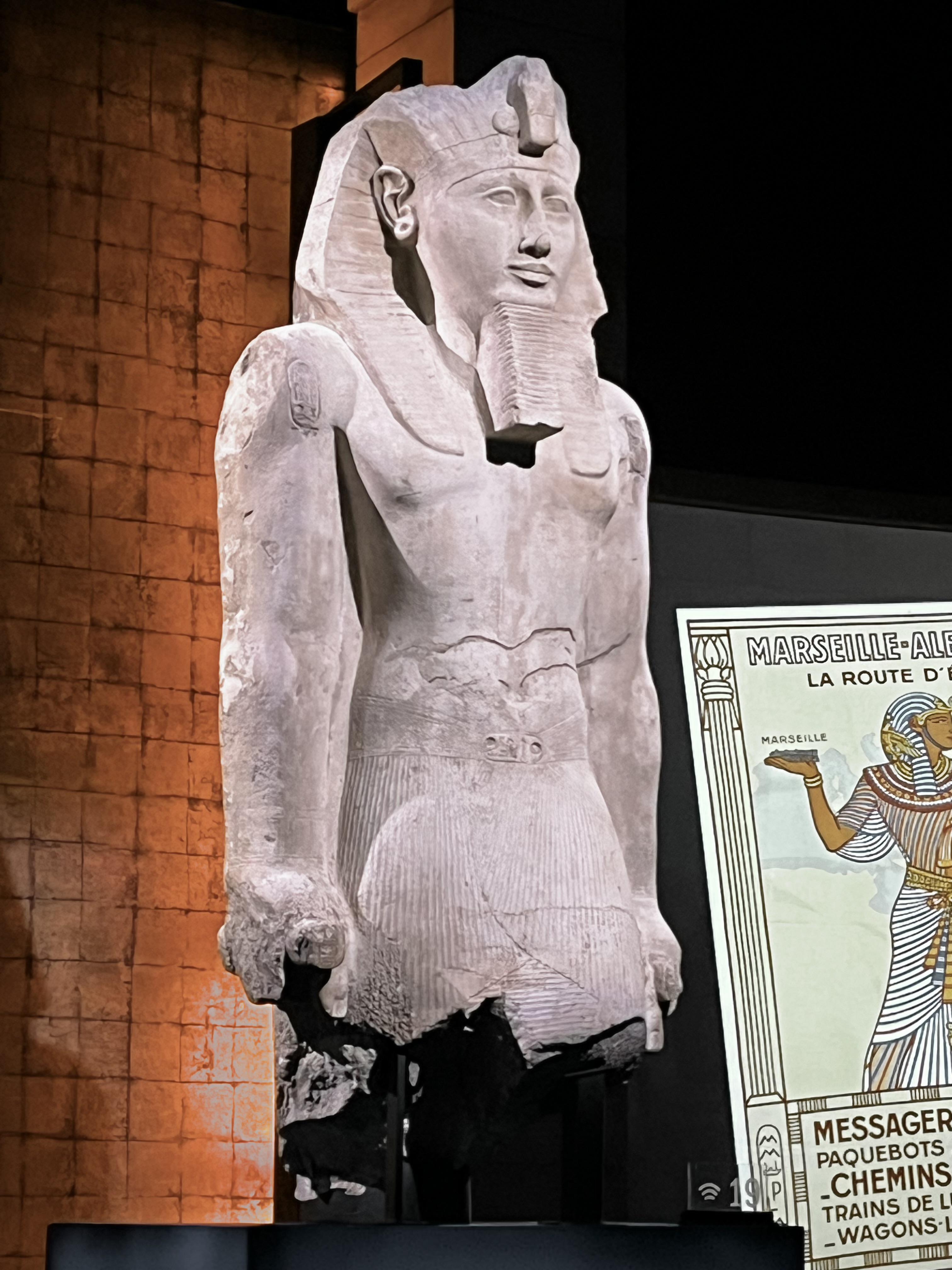
While Tut’s treasure has attracted blockbuster crowds all over the world, Ram’ses’s funereal collection, probably much more opulent, was lost to tomb raiders, though his mummy was discovered later. So what can you feature in an exhibition? The curators have actually done fairly well. Luckily Ram’ses commissioned hundreds of statues and monuments during his unusually long reign, and in fact it’s one of his portraits that features in the famous poem Ozymandias (his name in Greek). So the exhibition features a number of depictions of the Pharaoh and his family, especially his first and favourite wife Nefertari (he had hundreds of wives and concubines). We can also see depictions of him in battle, with his pet lion running alongside his chariot. Ram’ses scored many solid victories, but the one he was proudest of, the battle of Kadesh against the Hittites, is generally regarded as more of a draw.
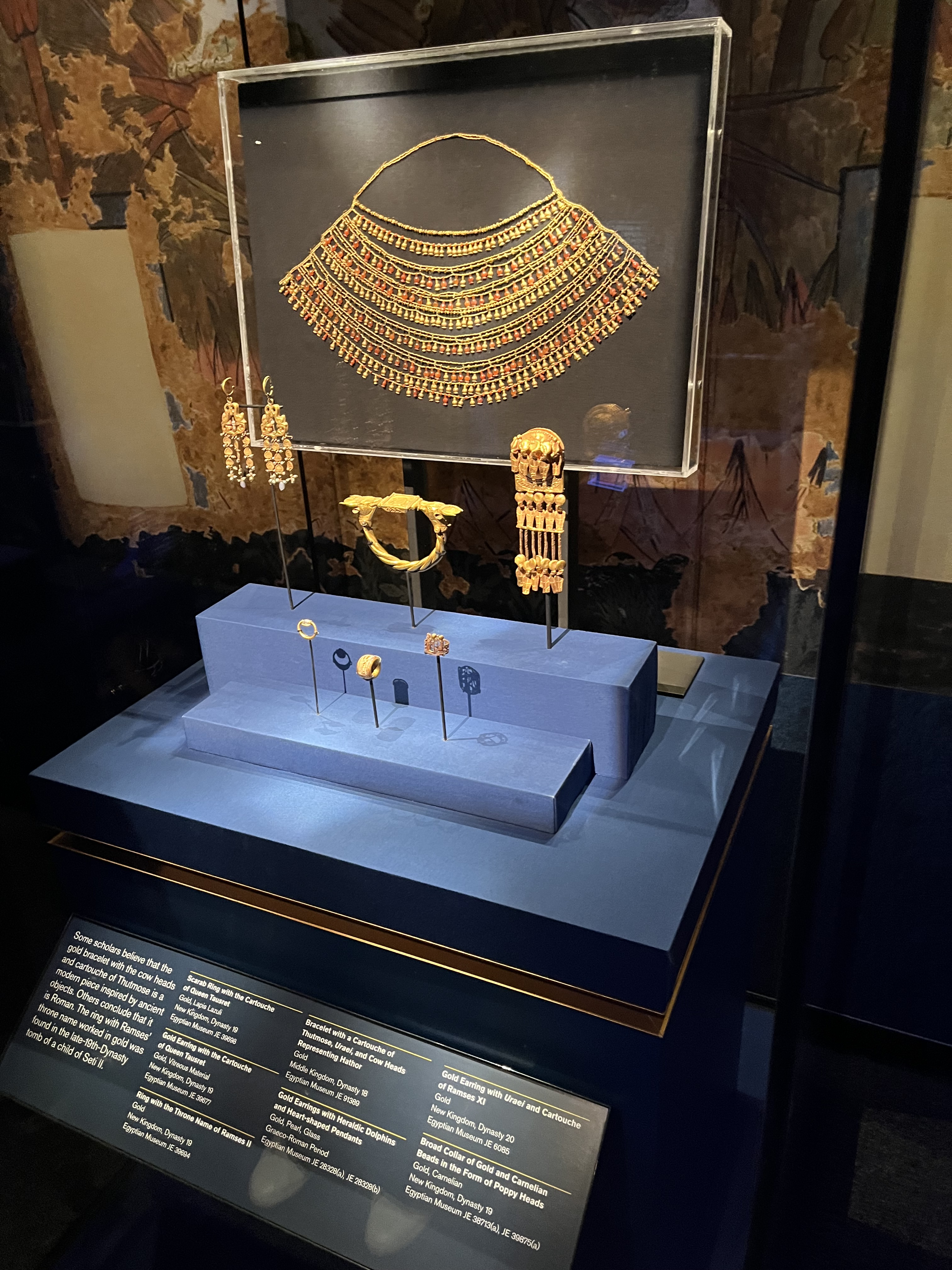
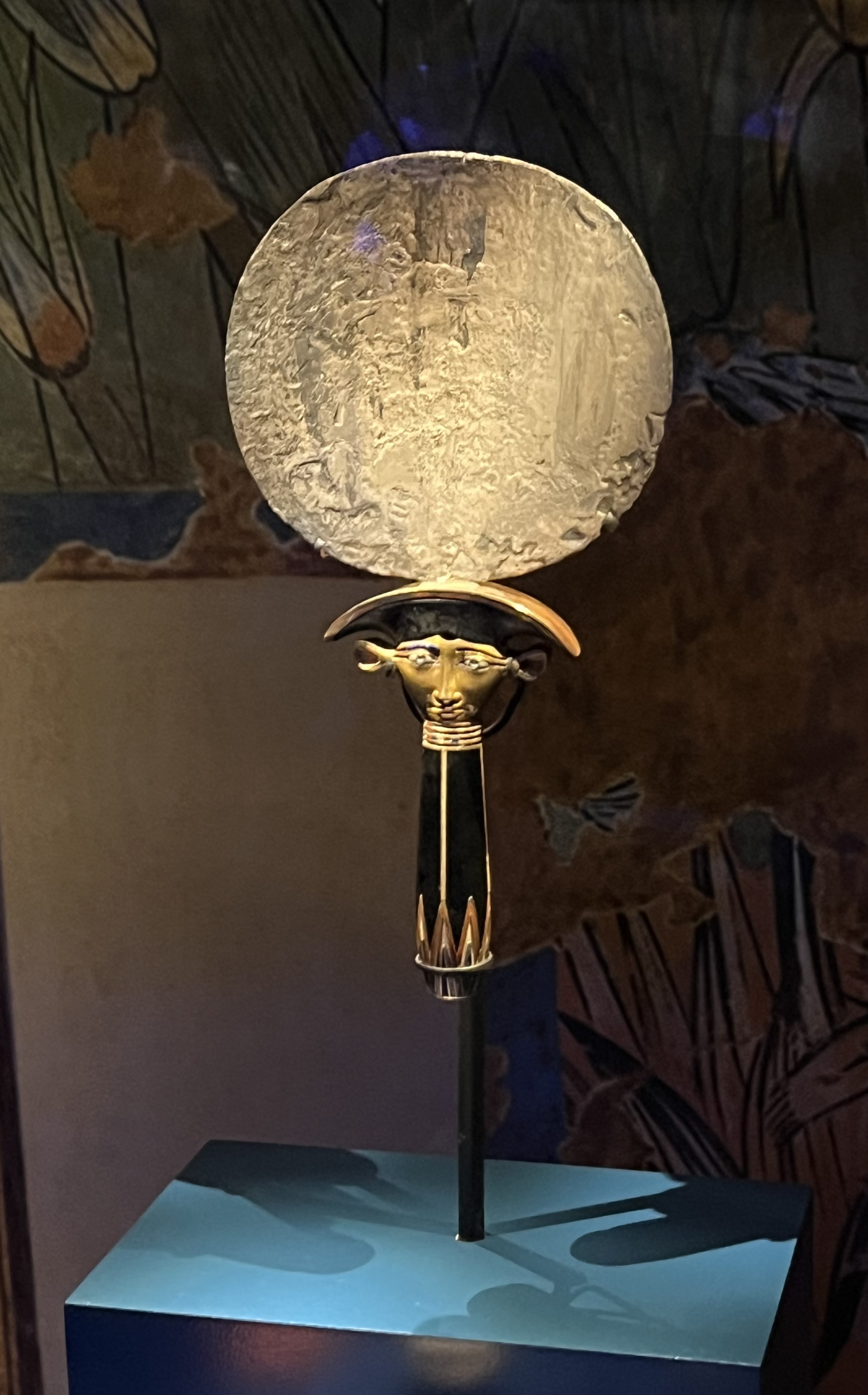
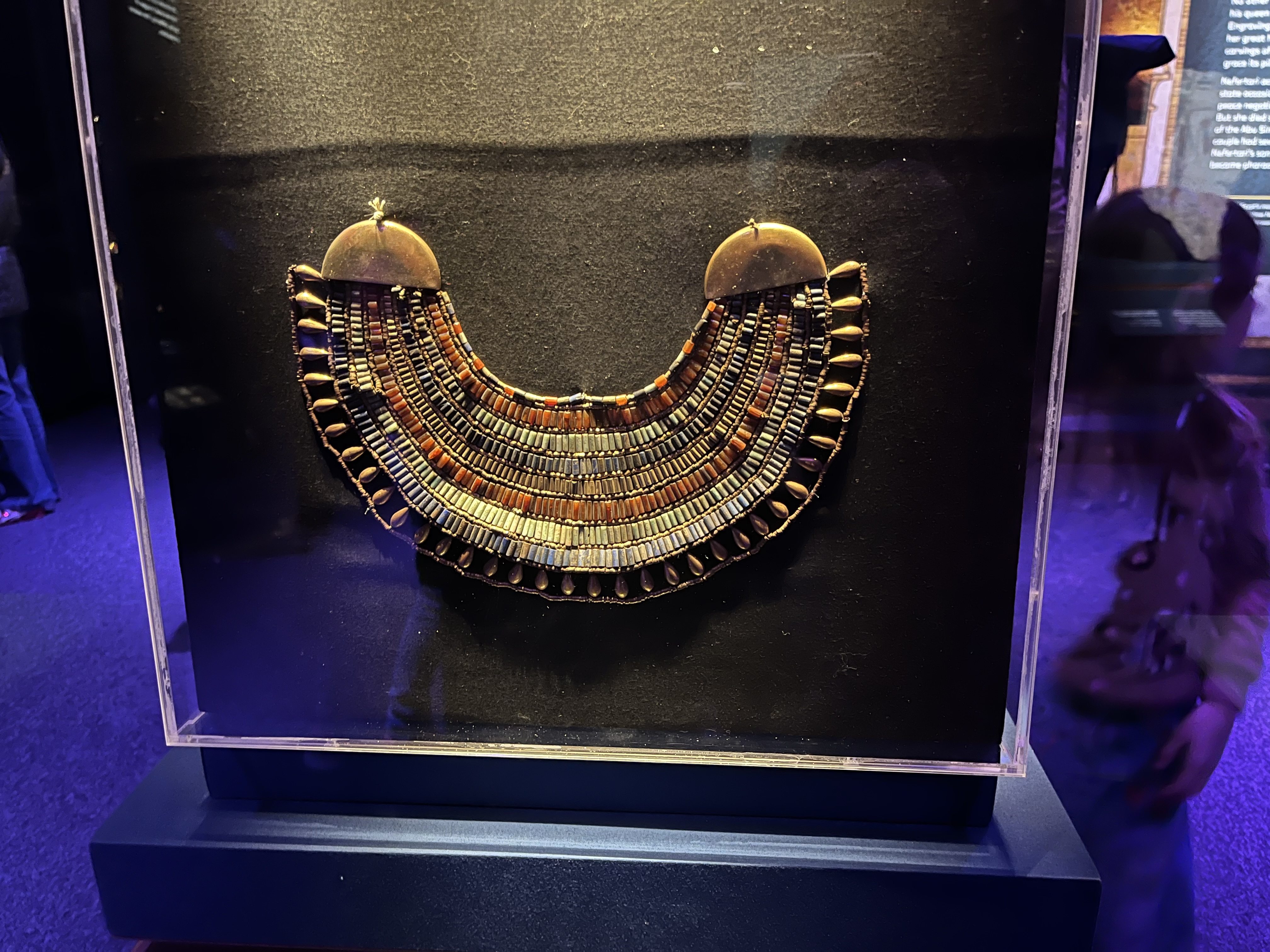
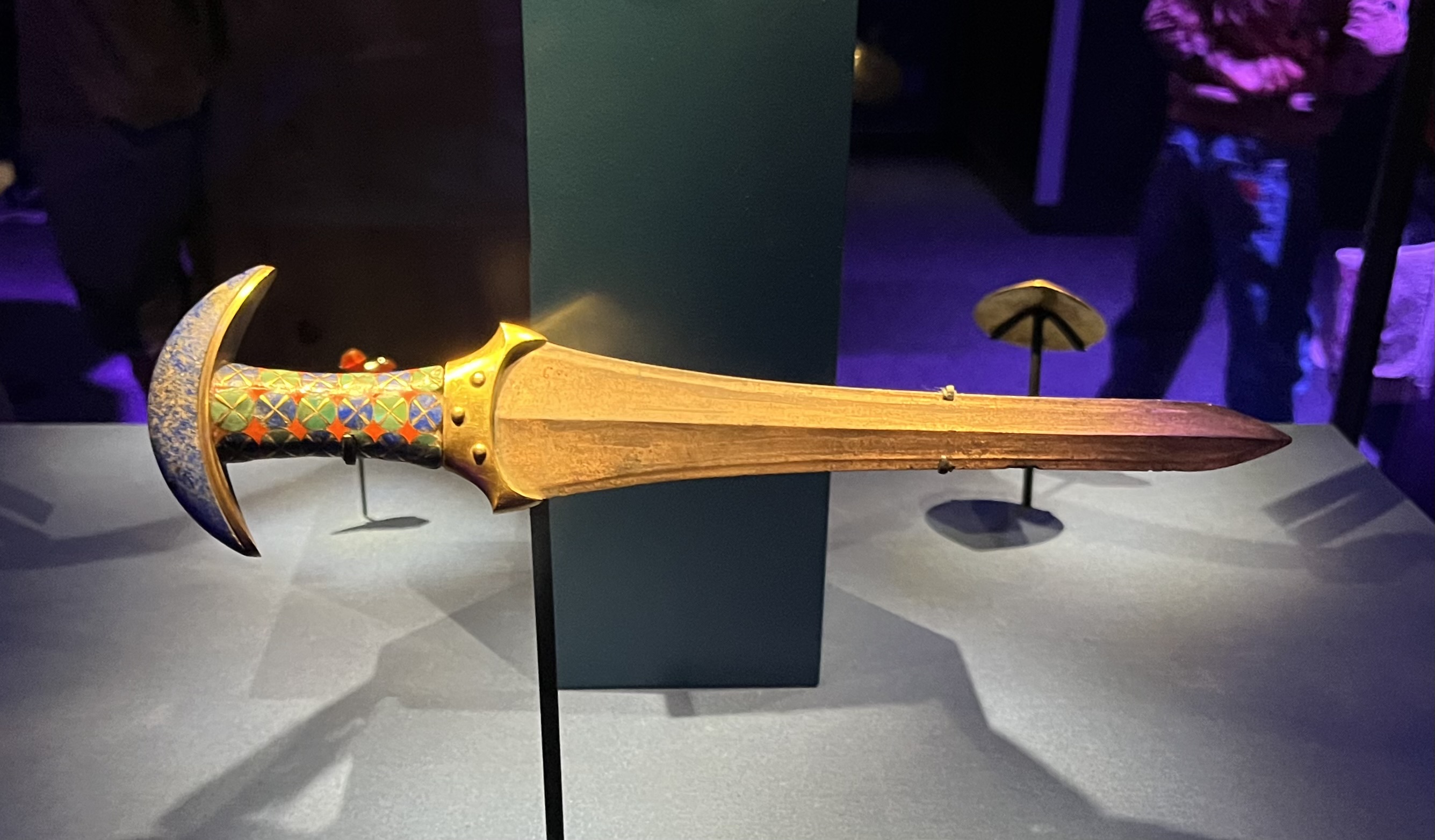
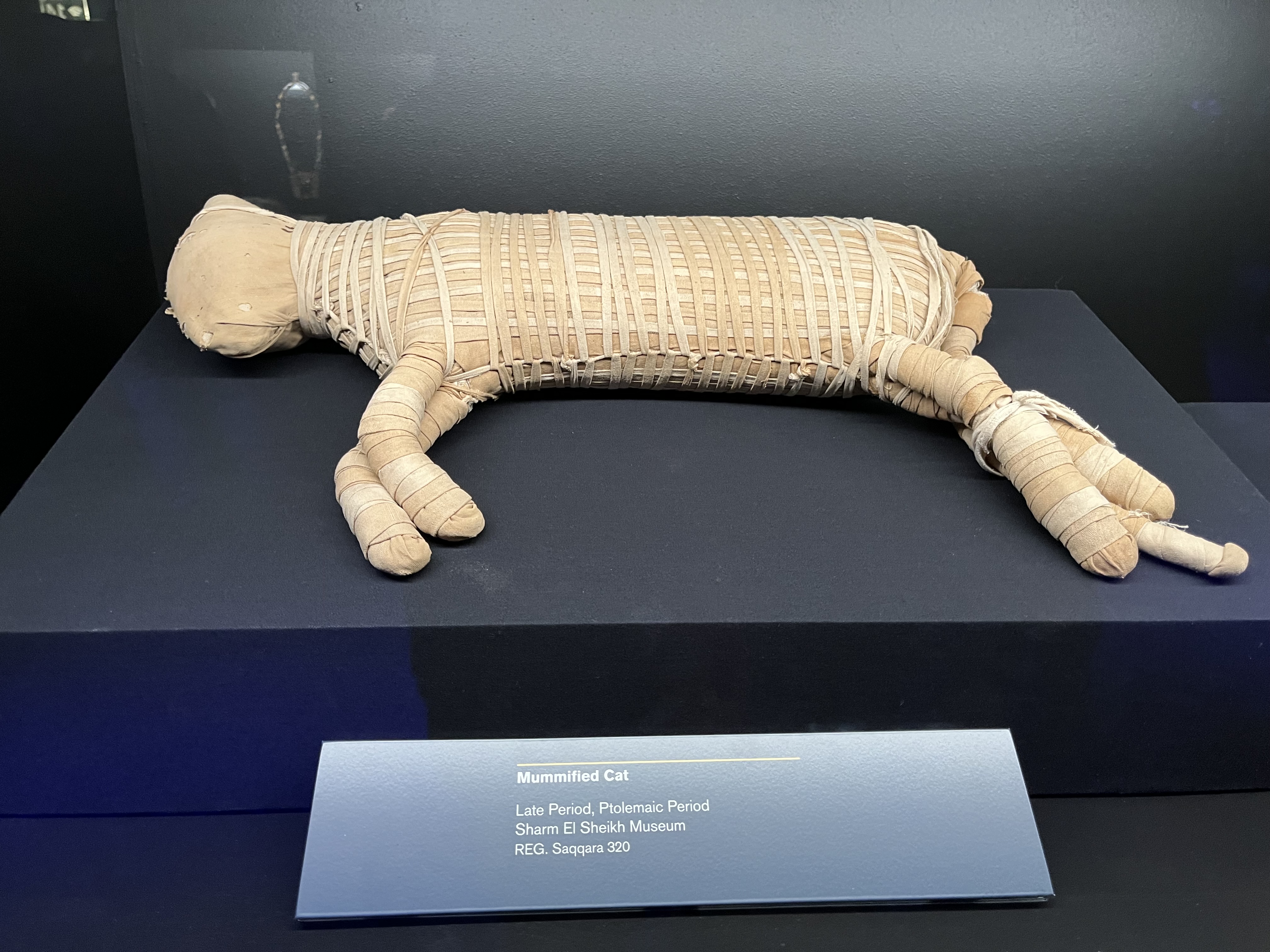
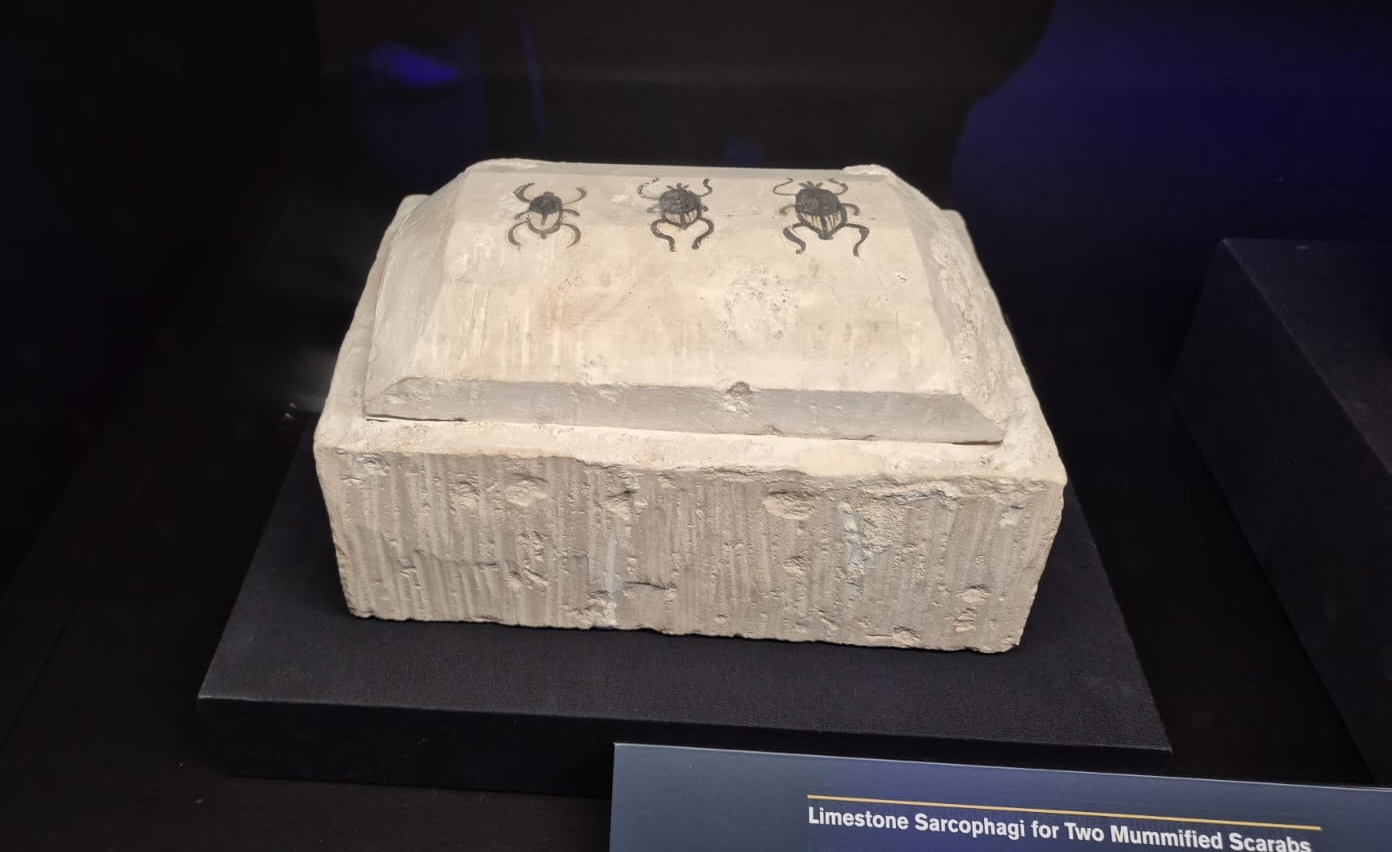
The exhibition does rely on a number of artefacts from earlier and later periods. Most of the jewellery here (not all that much gold, in spite of what the publicity says) is the sort of thing Nefertari might have worn, but actually from decades or centuries before or after her time. This is OK given the amazing stability of Egyptian culture, which changed little over three thousand years. In fact one interesting thing here is the way Ram’ses reconditioned statues from long before, having a thousand-year-old lady recarved to represent his mother: we also see art made for Ram’ses that much later kings appropriated in a similar way.
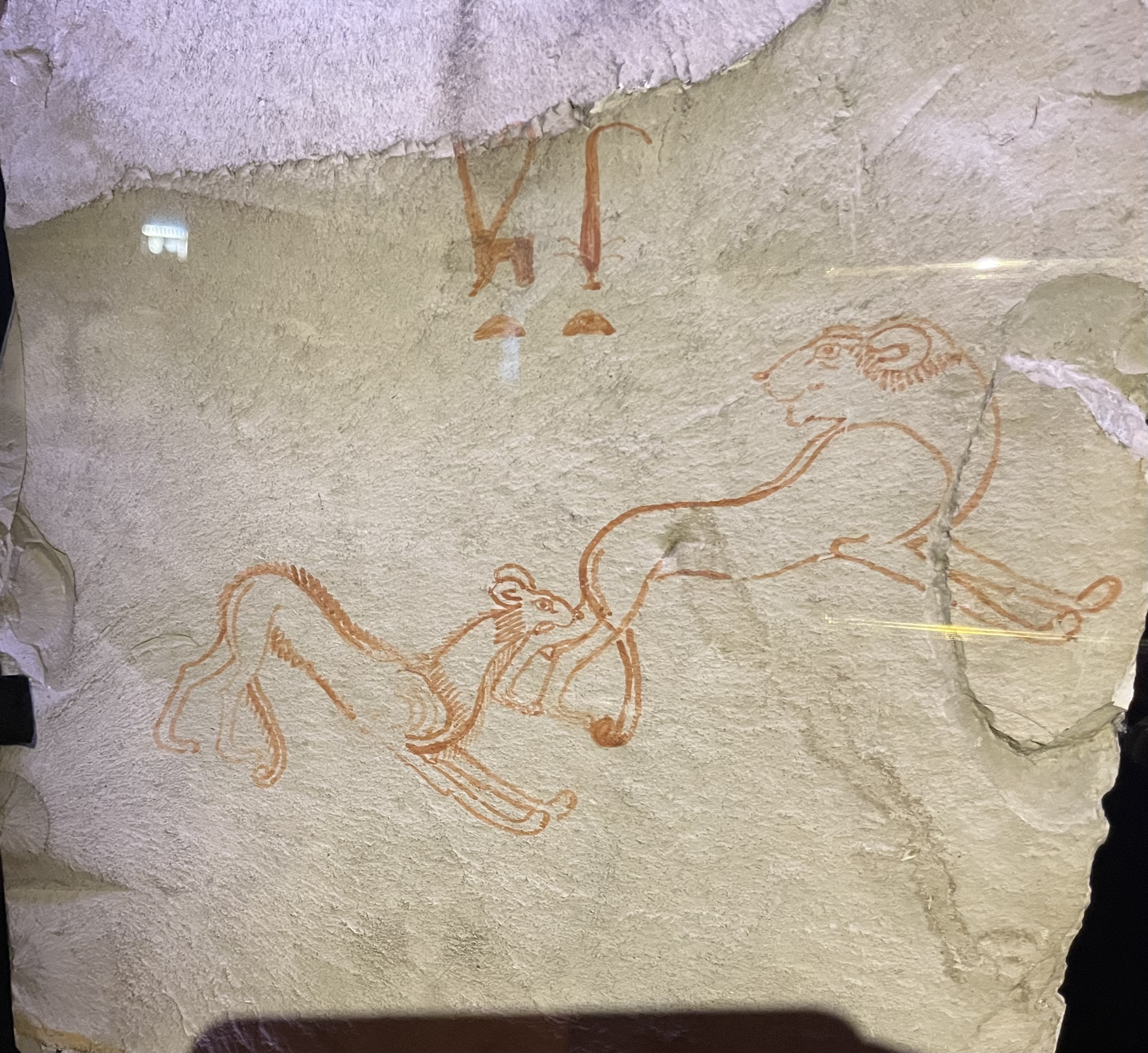
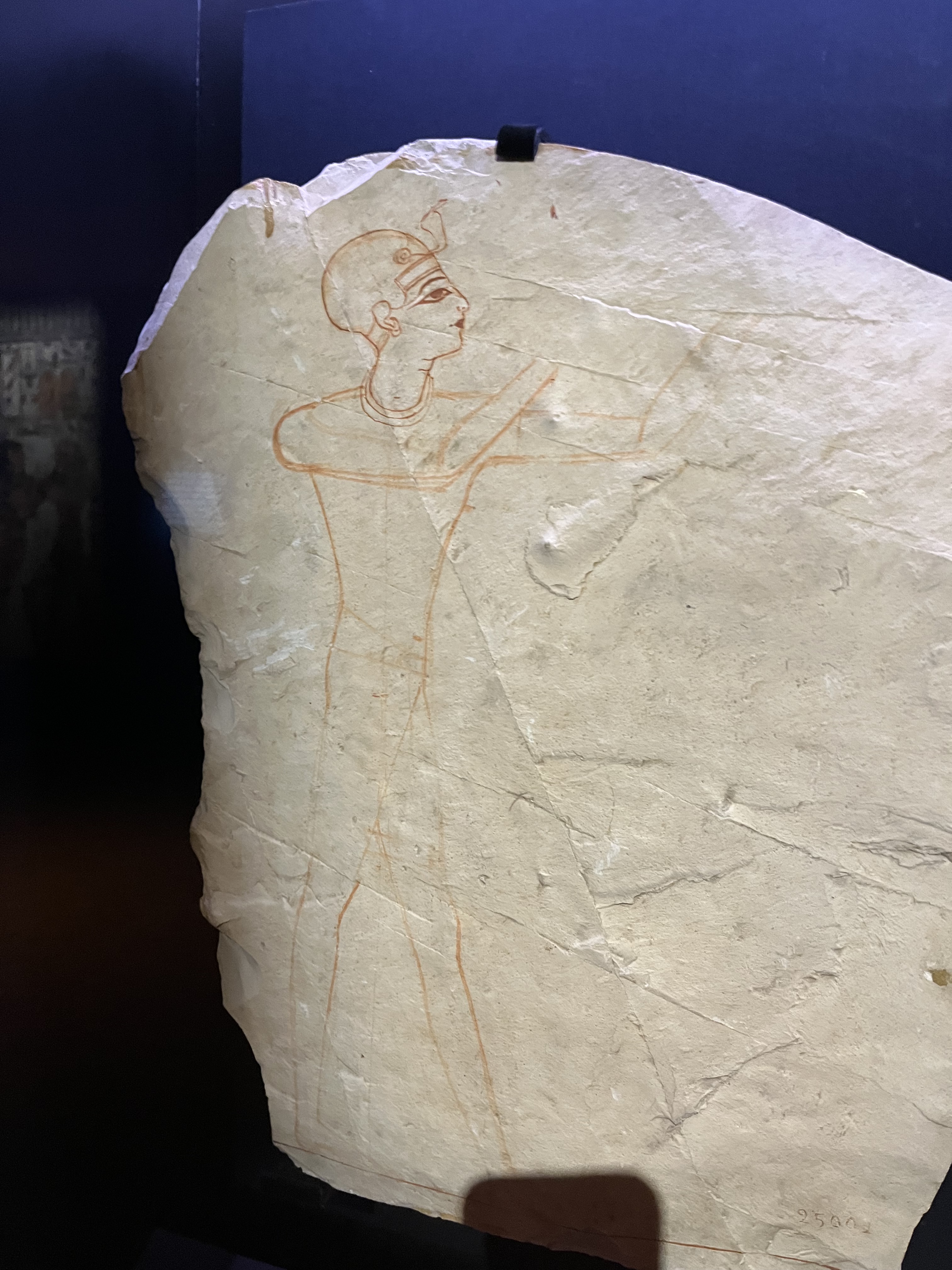
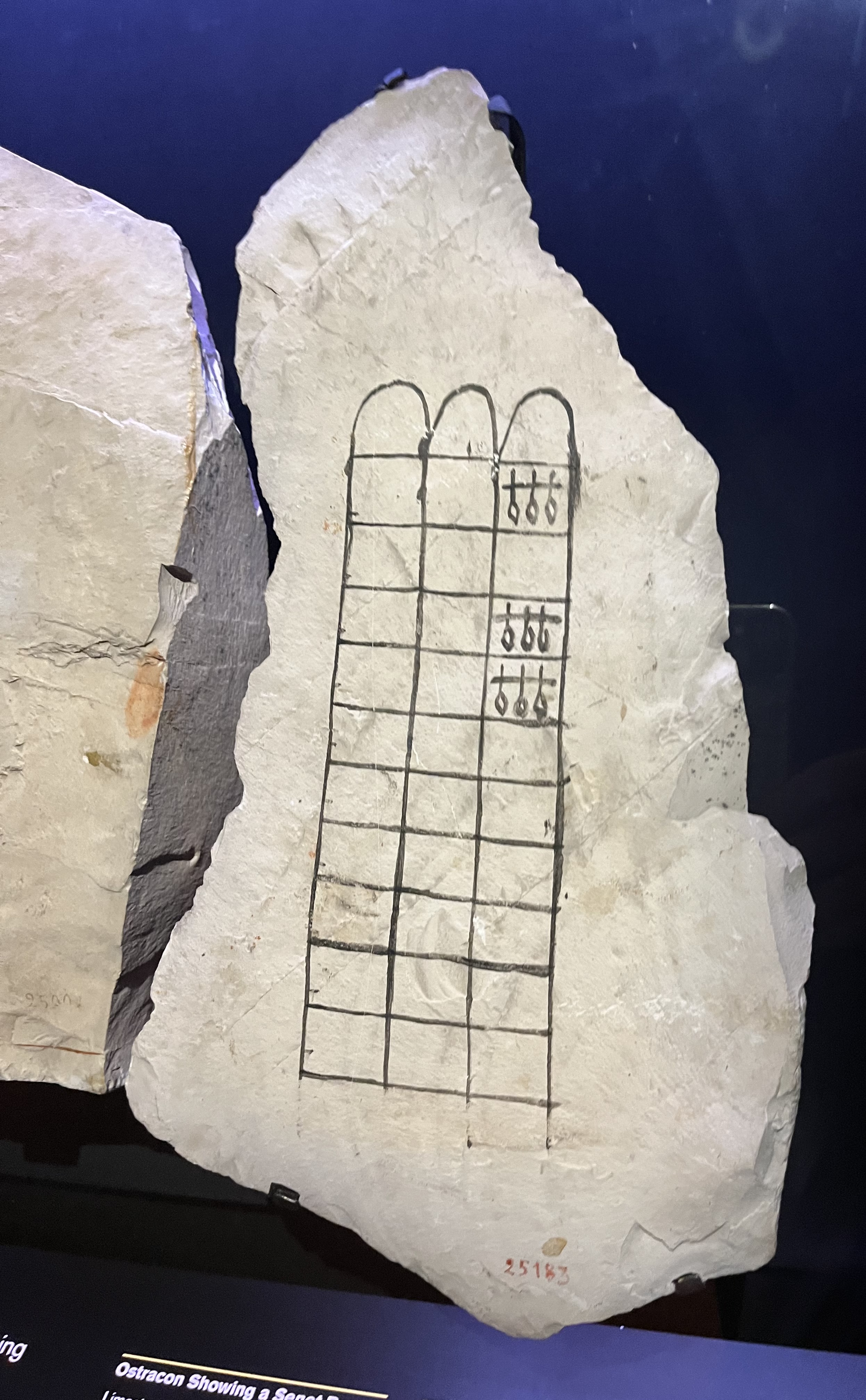
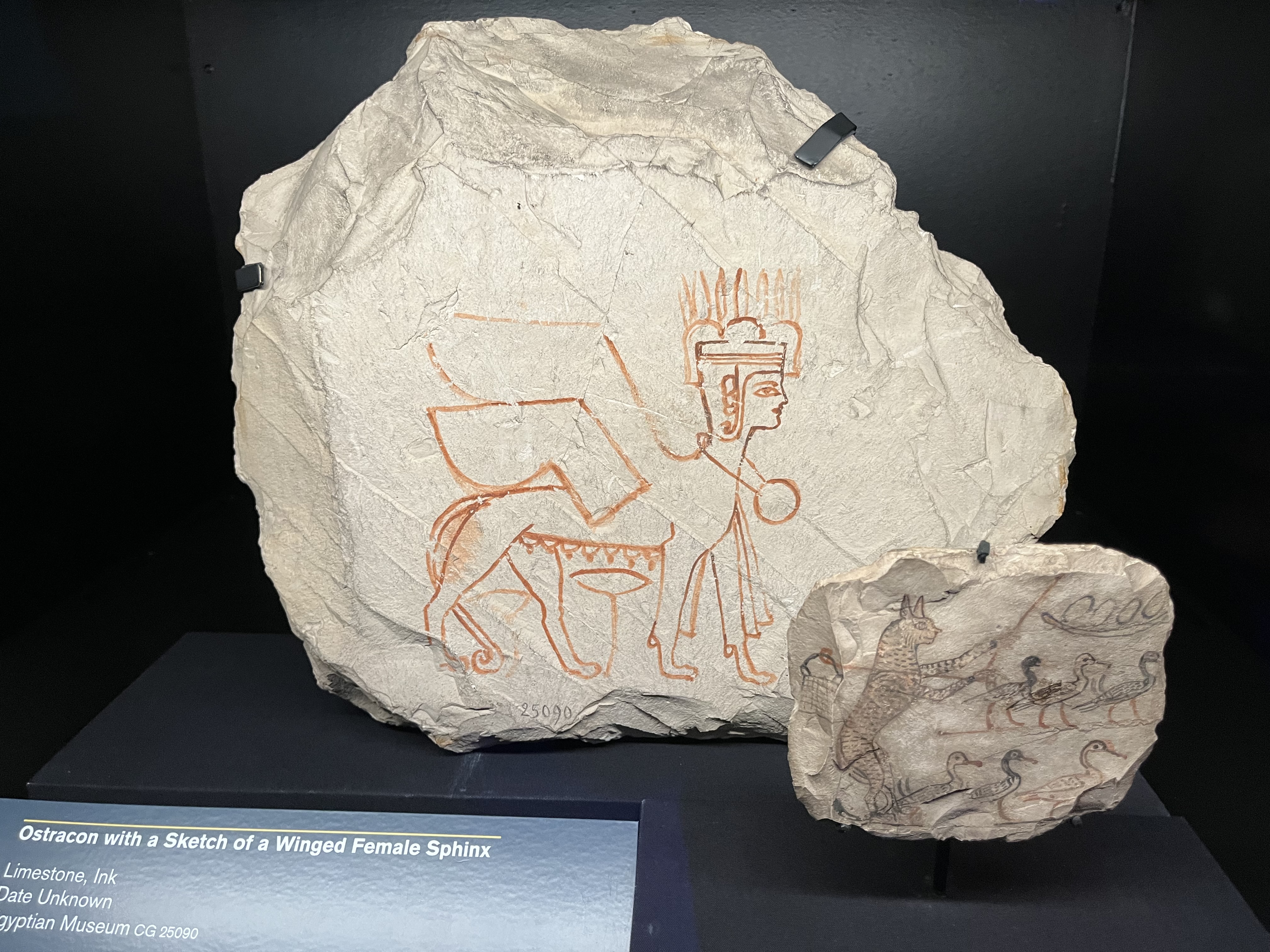
Less grand than other exhibits but highly interesting are a few ink sketches on stone by some of the artists who worked for Ram’ses. These are less formal than typical Egyptian art and convey a more vivid sense of the artist’s individual humanity.
All in all, well worth a look.
 Seen and Done