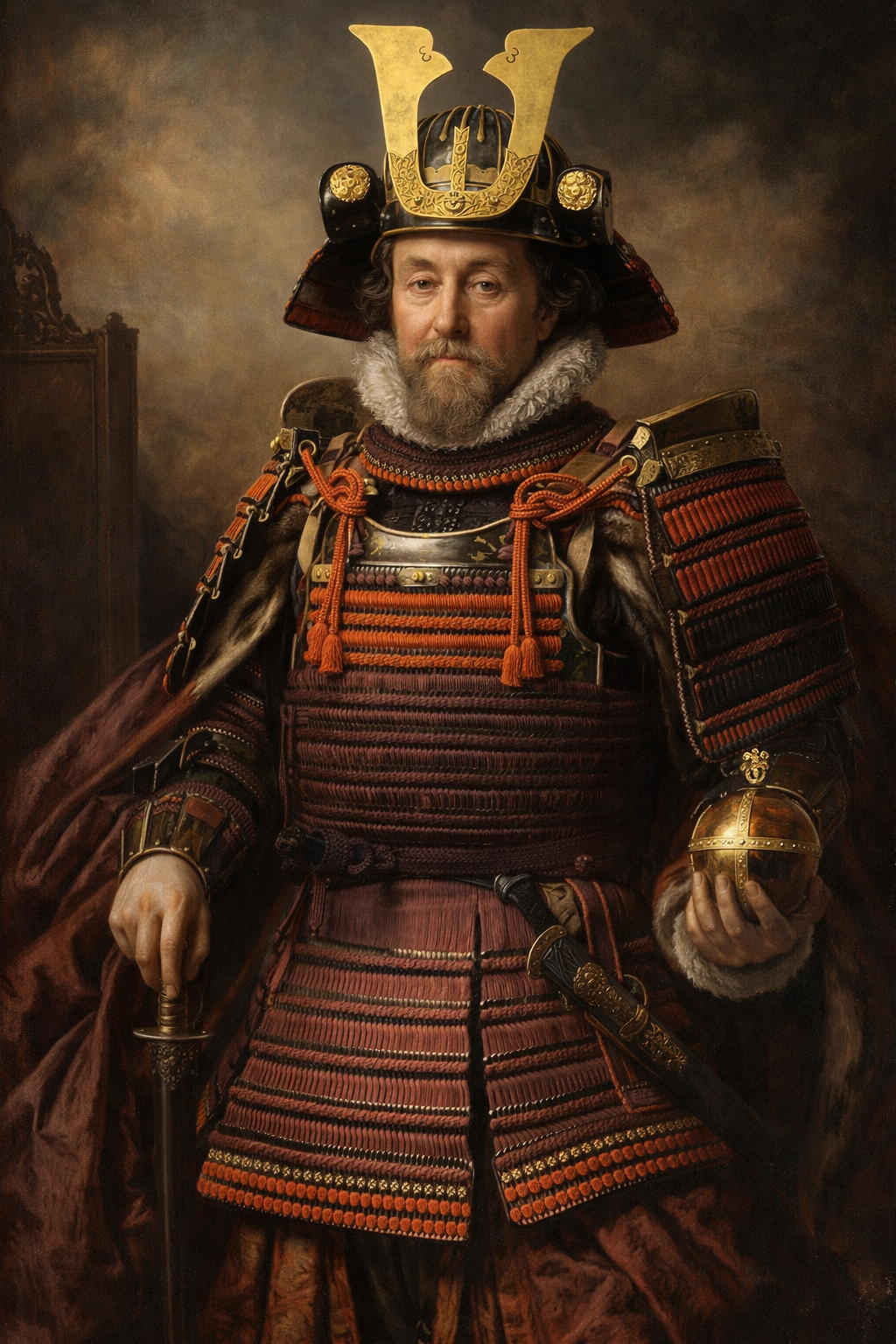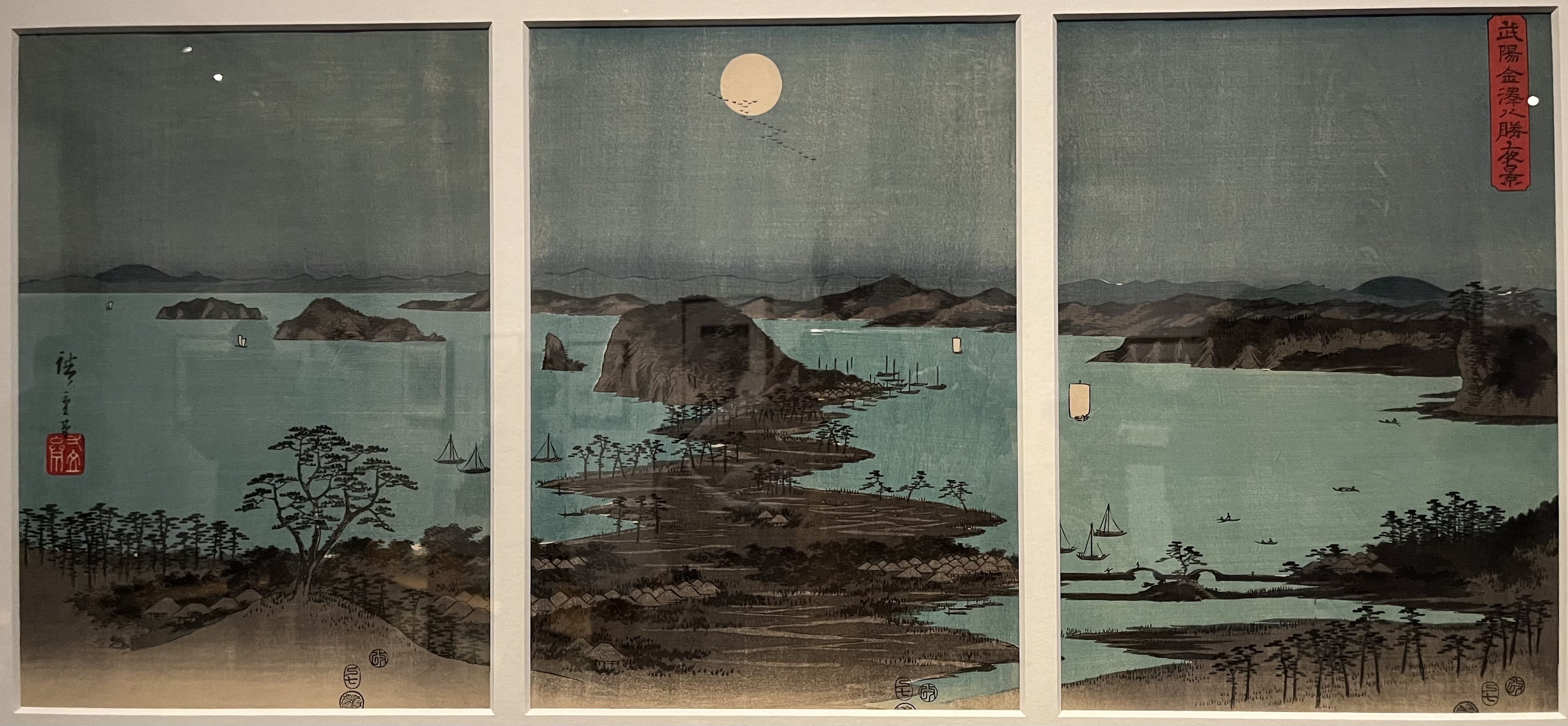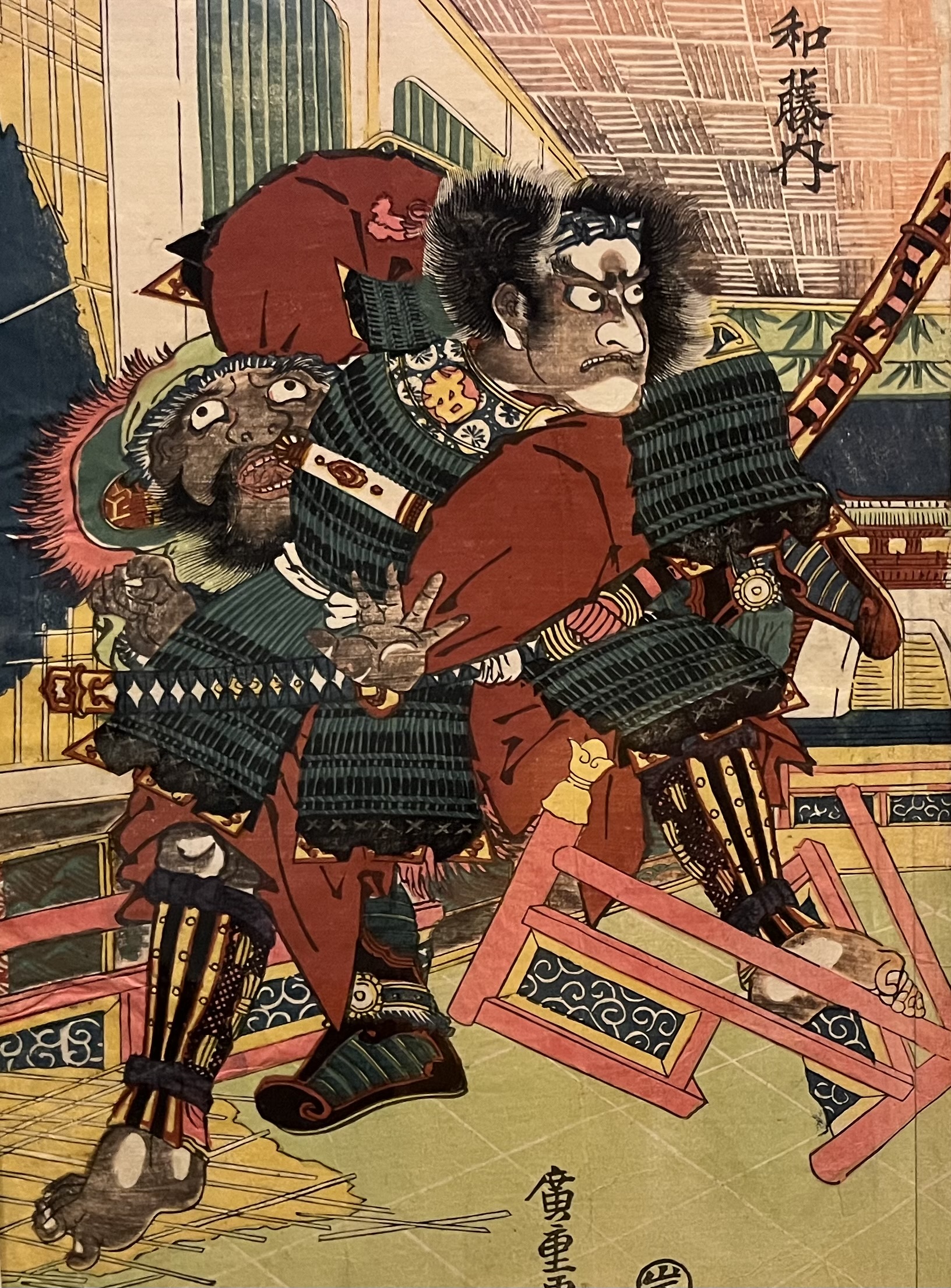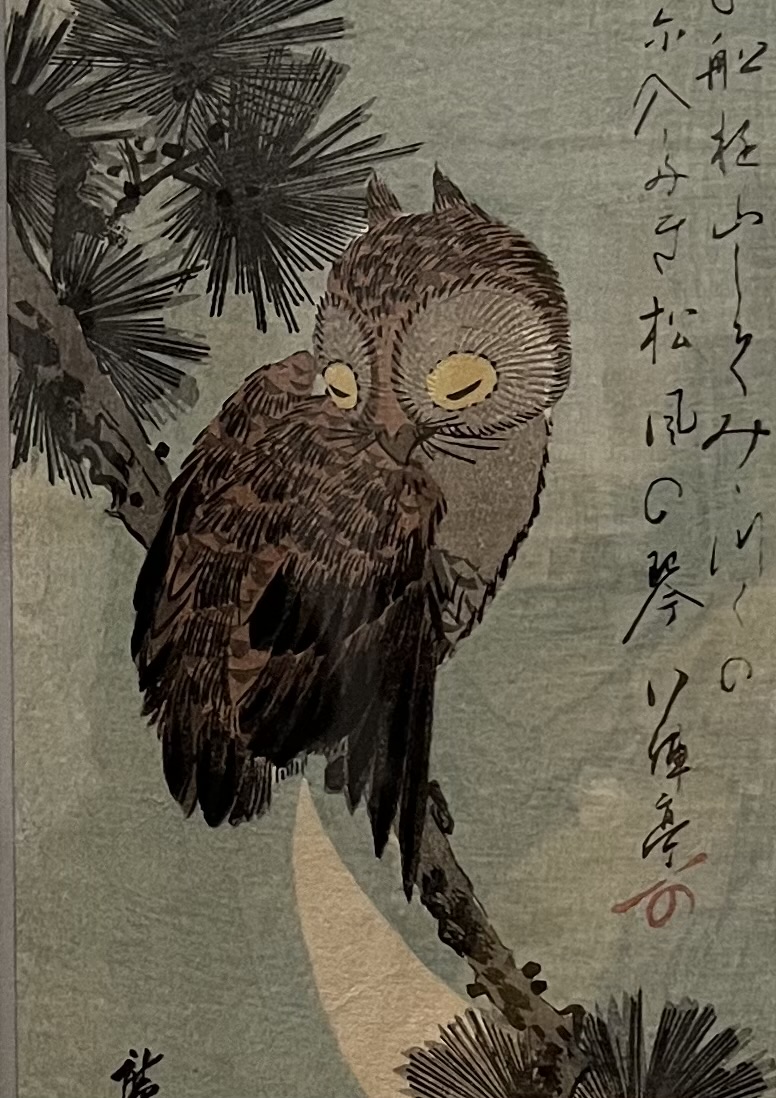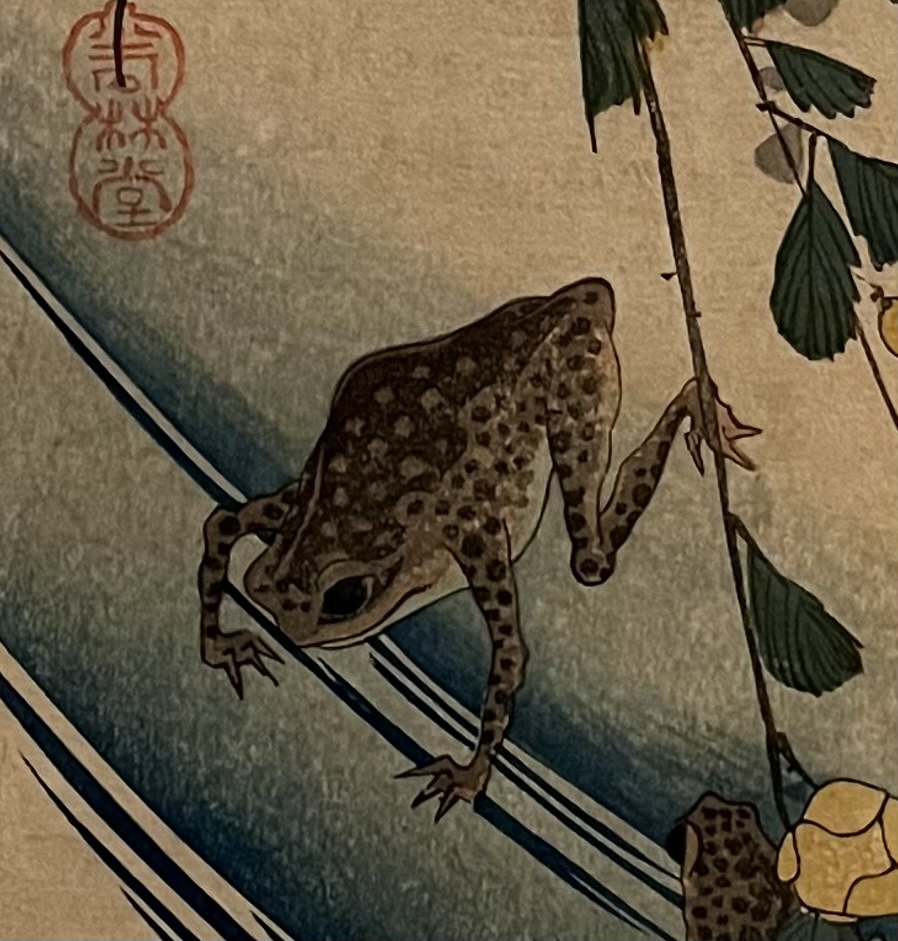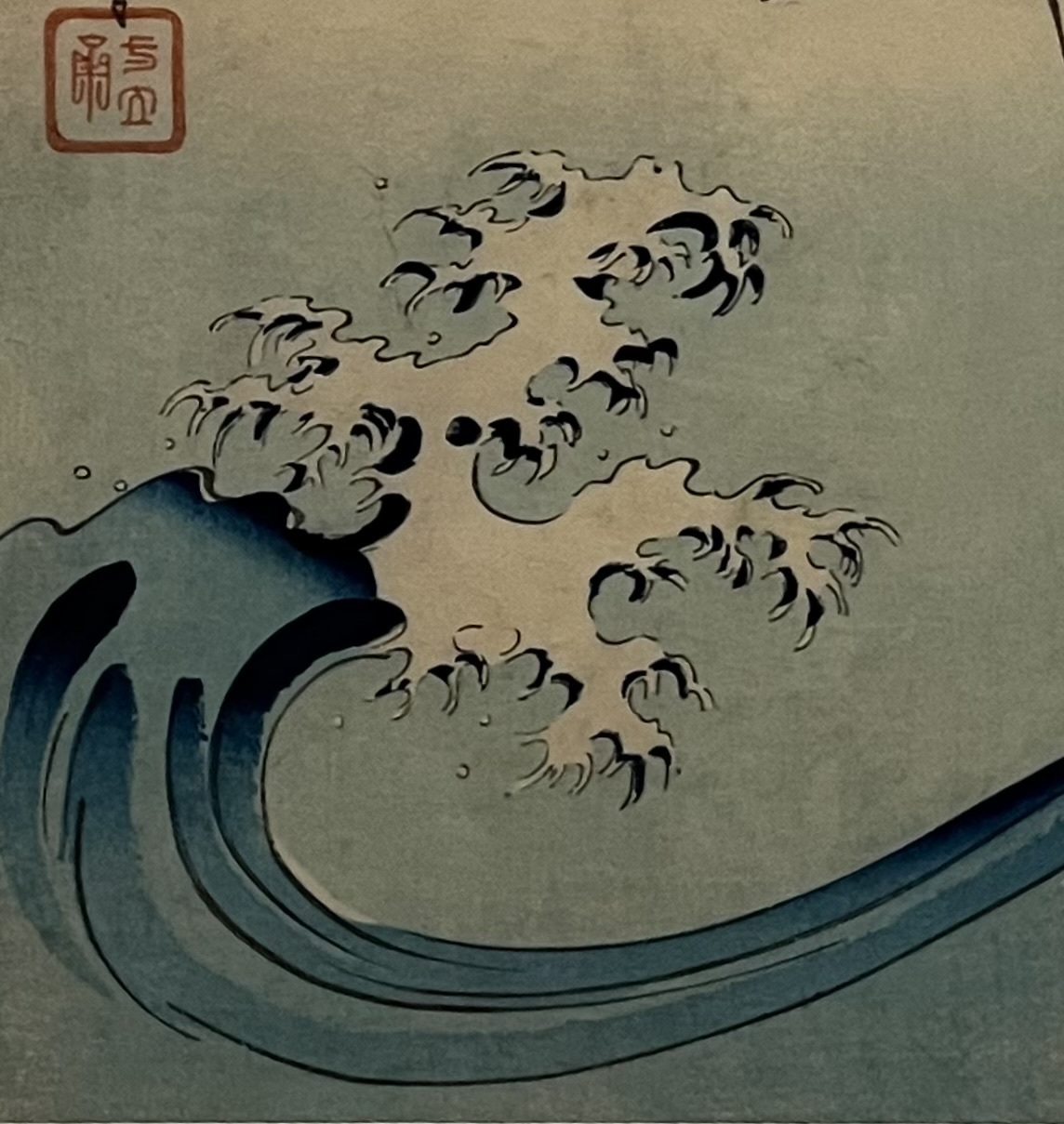
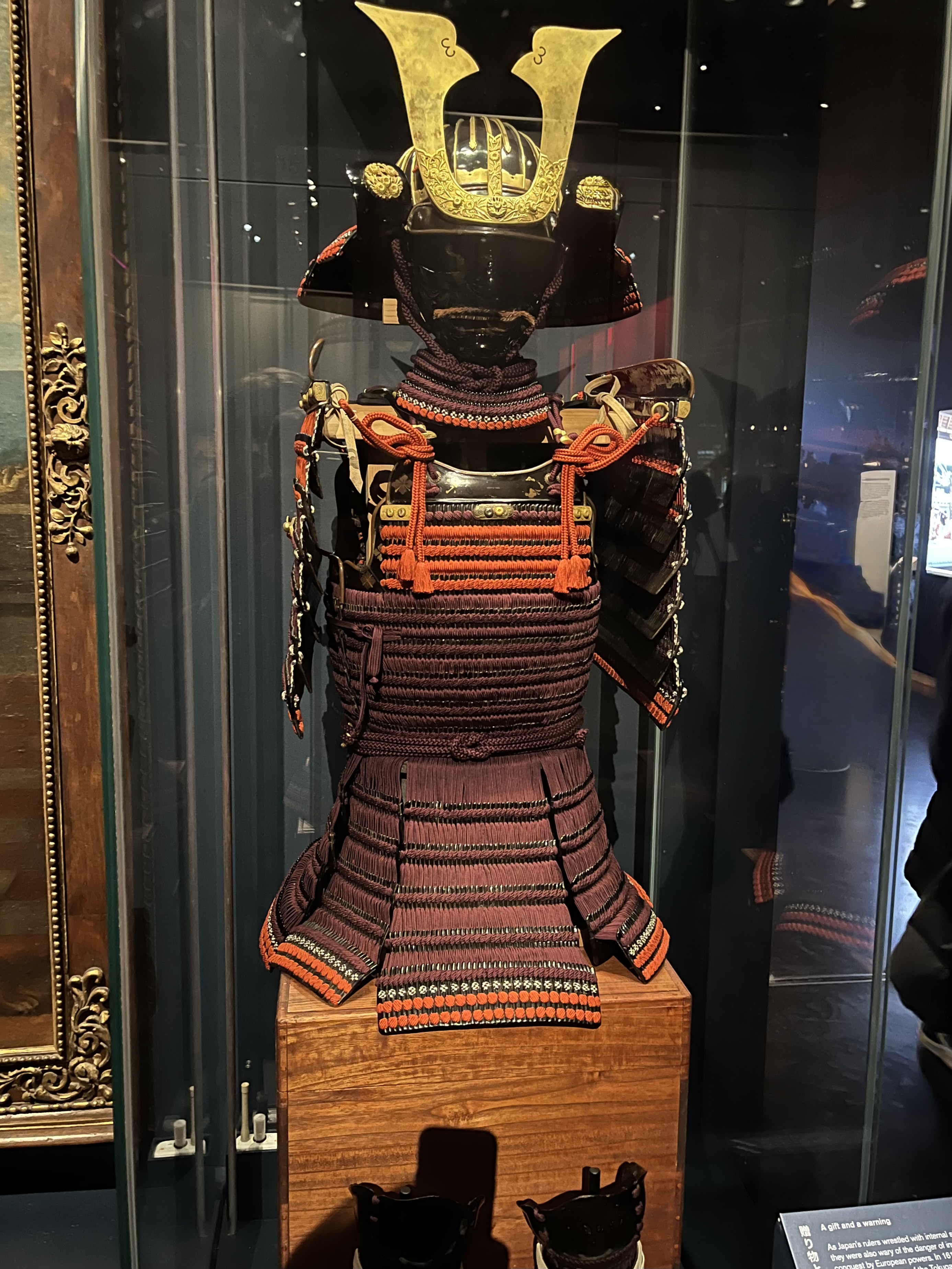
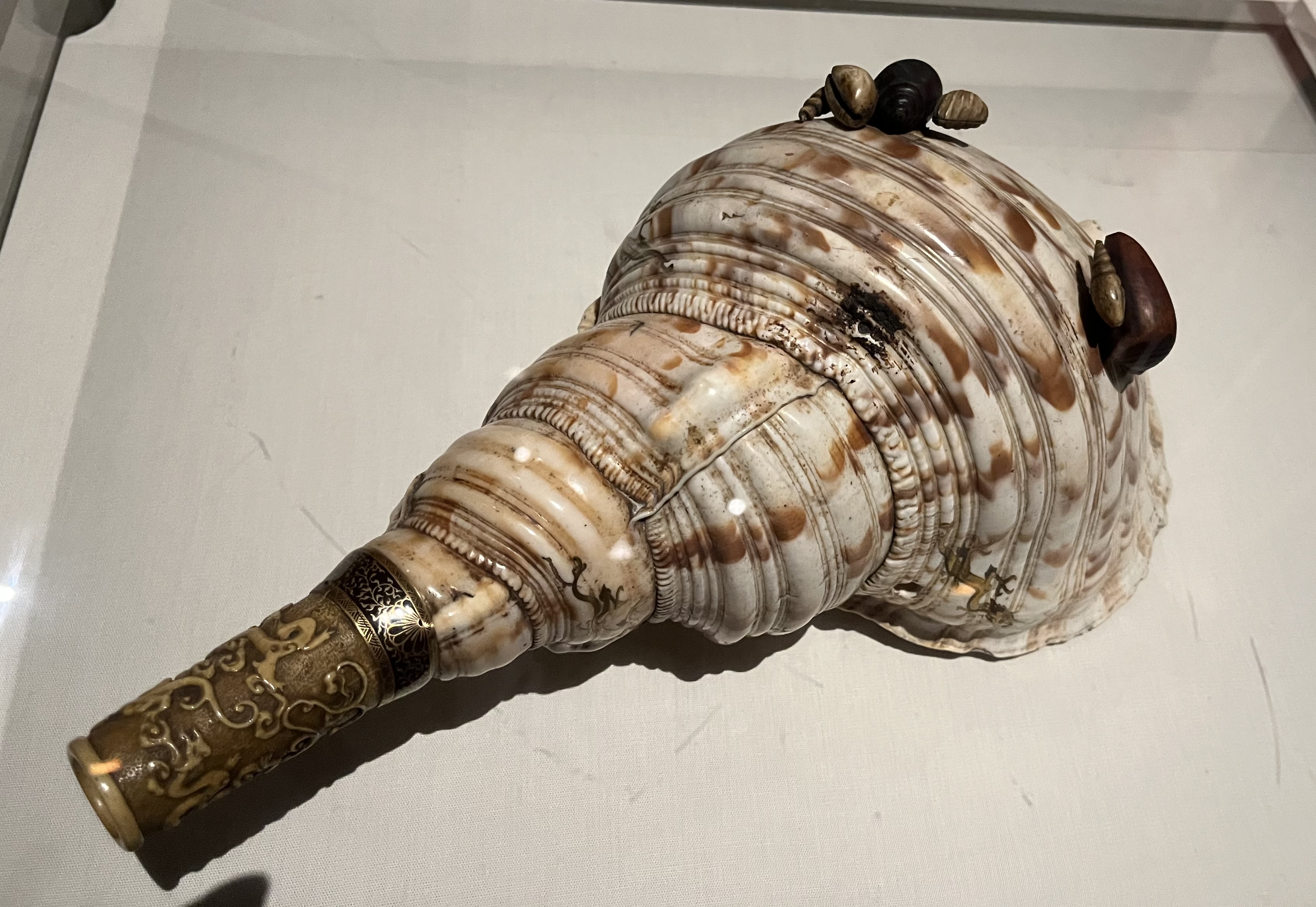
I suppose Hiroshige is the second name that comes to mind when you think of Japanese artists. I had him down mentally as a pretty straight landscape man. However, the current show at the British Museum is amazing and shows him to have been the creator of pictures of huge originality and impact, really second to none. His animals are terrific, and those landscapes are powerfully evocative. He has a particular gift for misty distances which provides a great complement to the hard outlines of printmaking.
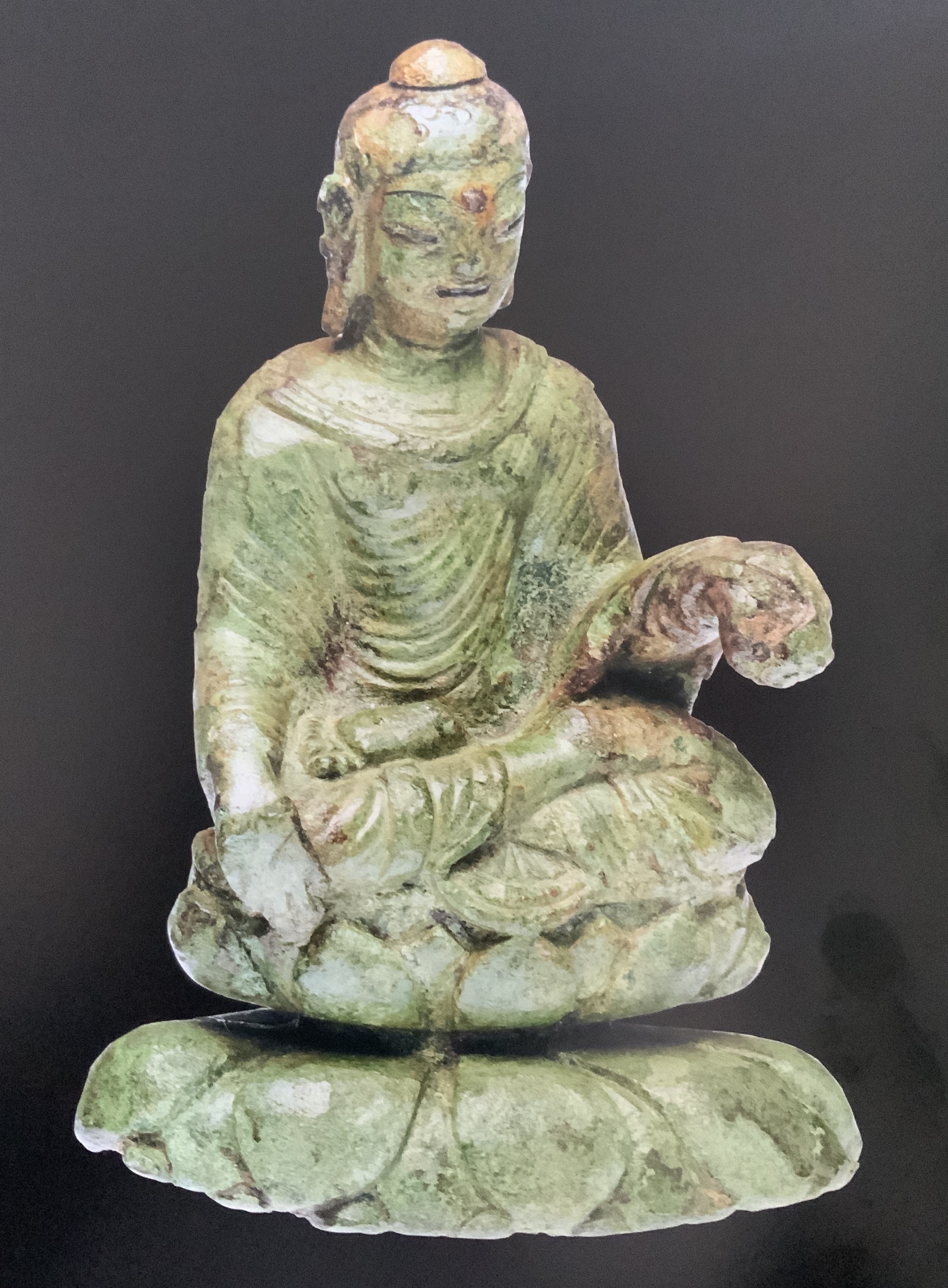
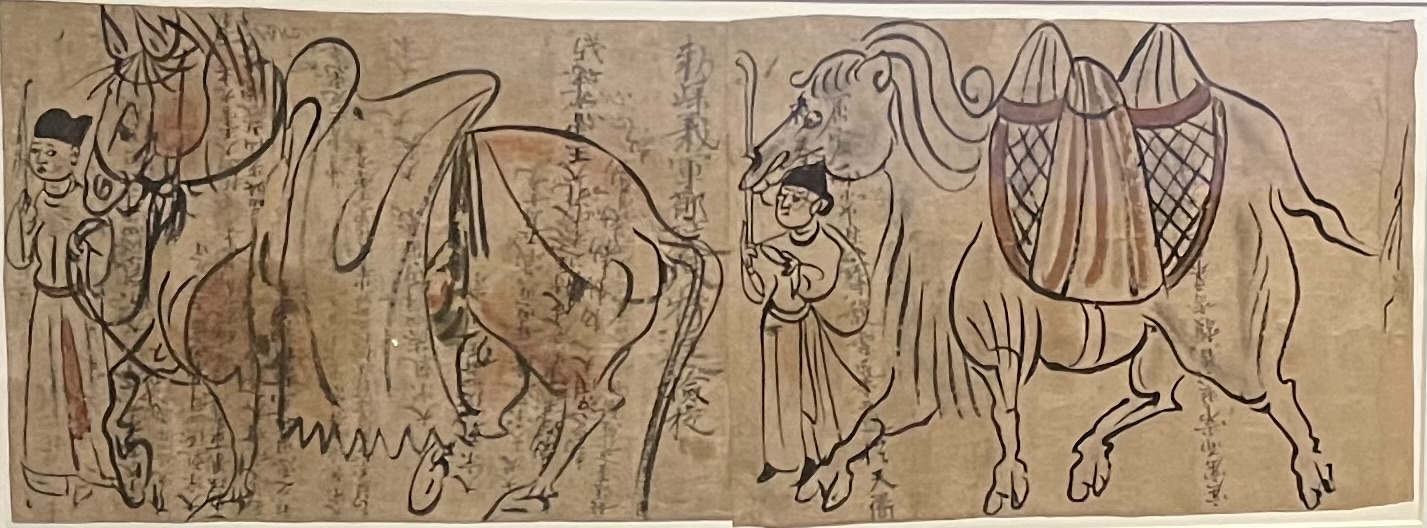
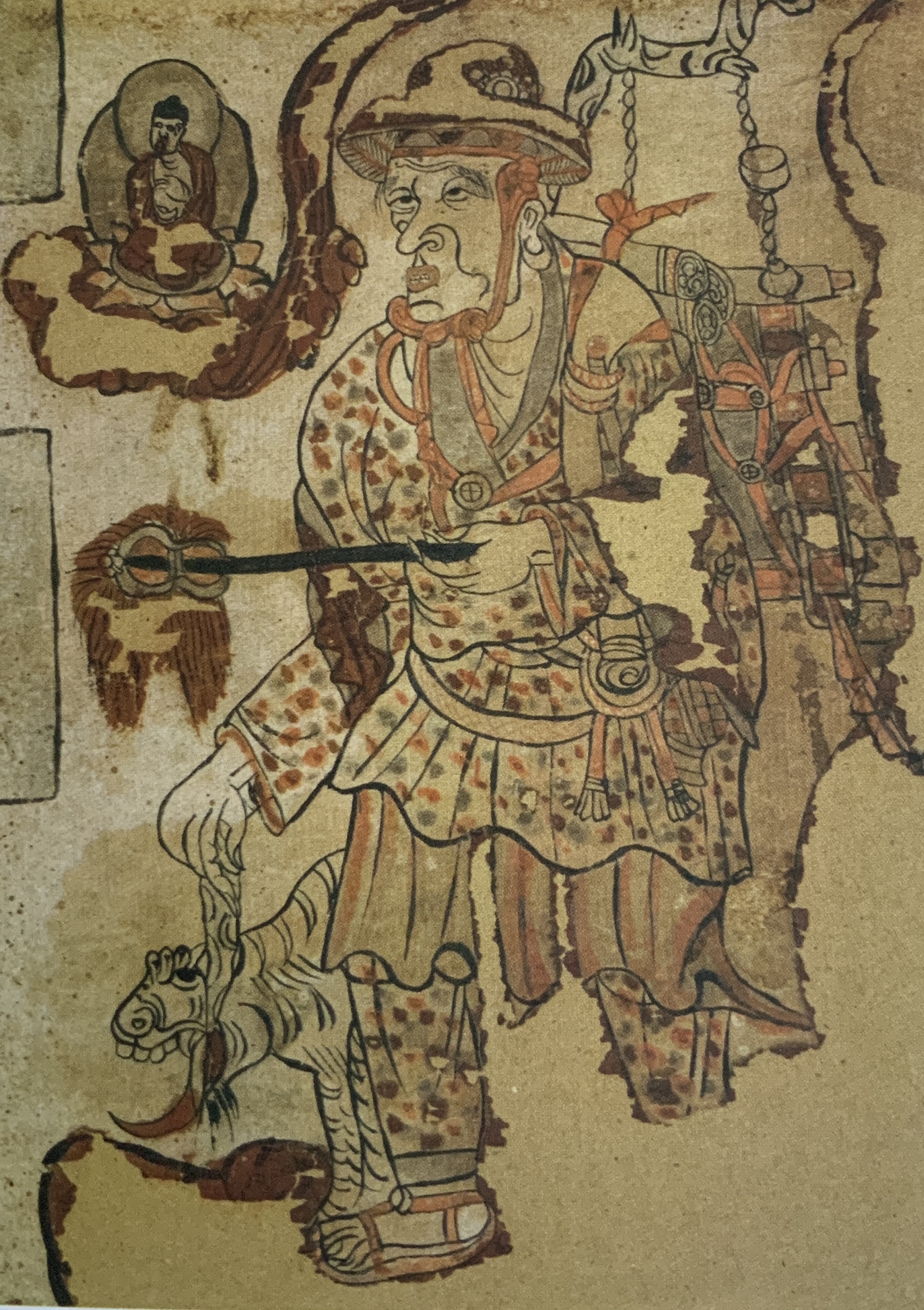
What a wealth of intriguing artefacts at the British Museum’s Silk Road exhibition! The title is slightly misleading: the Silk Road is being used here as a central part and symbol for something wider: namely the far-reaching and complex exchanges of goods, ideas, art and religion that went on during what we used to call the Dark Ages, roughly the latter half of the first millennium. The exhibition is laid out geographically from Japan to Britain (both of which were well beyond the ends of the Silk Road, but as I say, this is broader). Hard to pick out the best, but I loved the cheery ancient Chinese picture of a horse and camel, and the flagon brought back from Syria by an English mercenary who went to fight for the Byzantines.
The geographical layout perhaps sidelines the chronology a bit, so it can feel as if all these artefacts are contemporary, whereas they cover several centuries of change (not that that isn’t very much spelt out within each location). But all these niggles are minor: this has at worst been a fantastic opportunity to show some marvellous things.
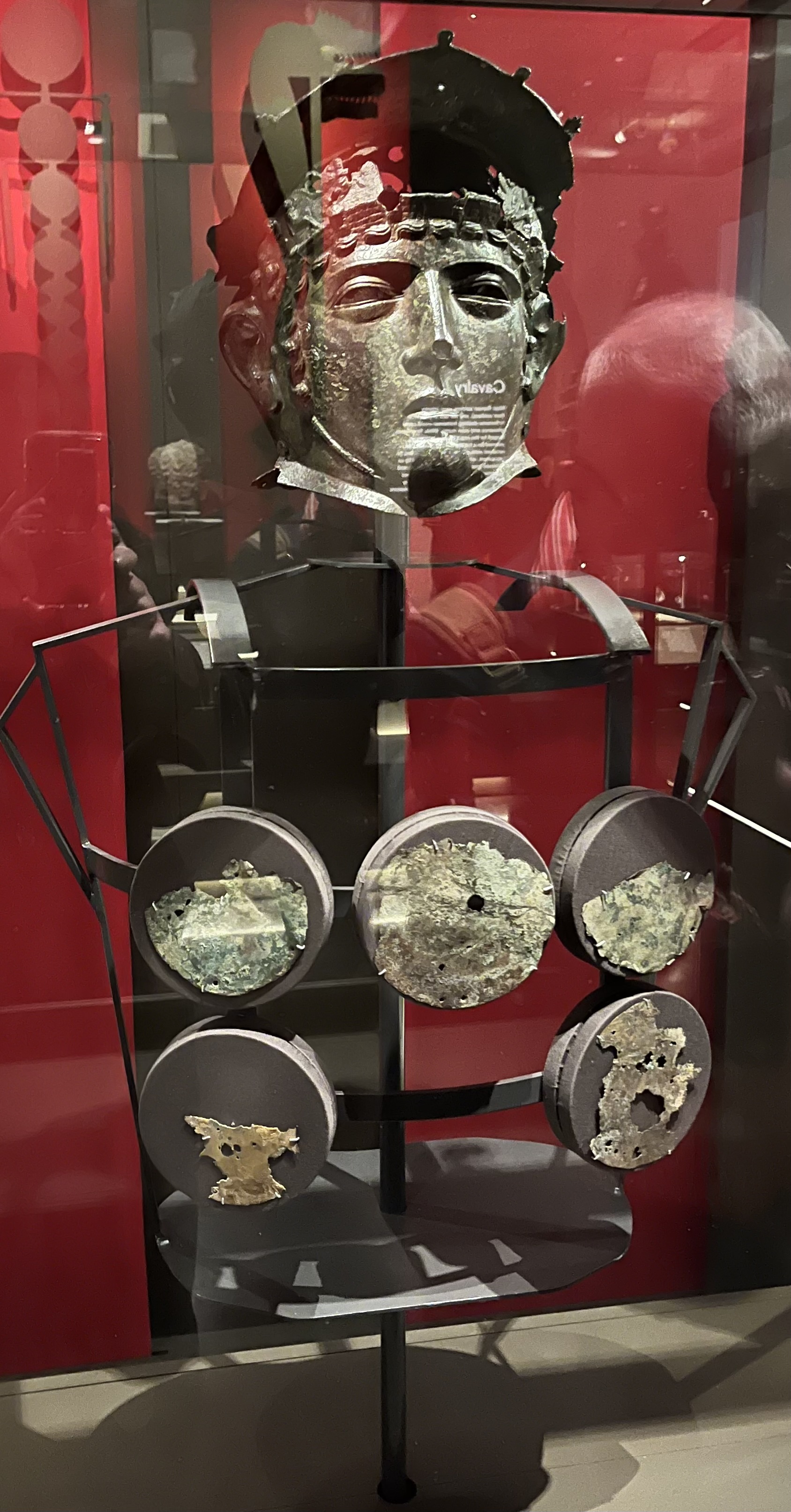
We finally went to the British Museum’s highly-praised exhibition about life as a Roman soldier. It is illuminating, giving an insight into what was in many ways the heart and epitome of the Empire. Clearly on display here are some of the well-known features that made the Roman army so successful. It recruited anyone who met the height requirement without bothering about where they came from: it taught them basic Latin and sent them all over the place, turning them into loyal, well-off citizens who would settle and stabilise the provinces. There were only so many Greeks or Egyptians, but anyone could become Roman and enjoy the substantial opportunities that went with it.
The exhibition makes considerable use of soldier’s gravestones. One interesting thing about them is that they were often paid for by the dead soldier’s slaves, set free on his death. This reinforces the sense I picked up from the Pompeii exhibition, that Roman house slaves were often treated almost like family: better than the free servants at Downton Abbey.
The exhibition includes many unique and remarkable items, including the only surviving legionary’s shield and some extraordinary cavalry parade helmets which include masks, one of which was supposed to make the rider look like an Amazon. The suit fashioned from a crocodile’s body is probably more weird than representative, though you can see why the curator couldn’t resist it.
It’s a very child-friendly exhibition: so many large cartoons and features with Rattus the cartoon character you almost begin to wonder whether adults are welcome.
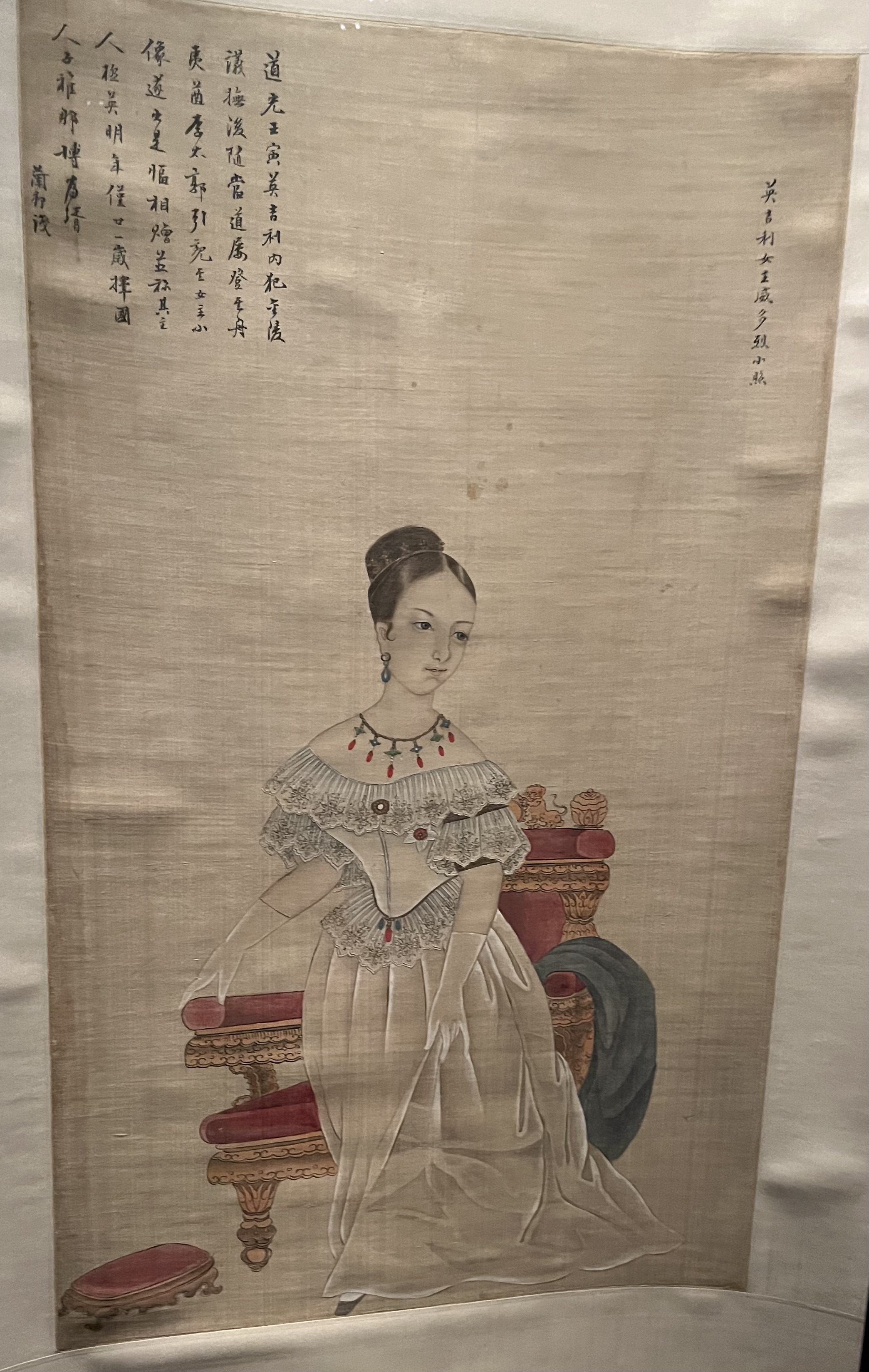
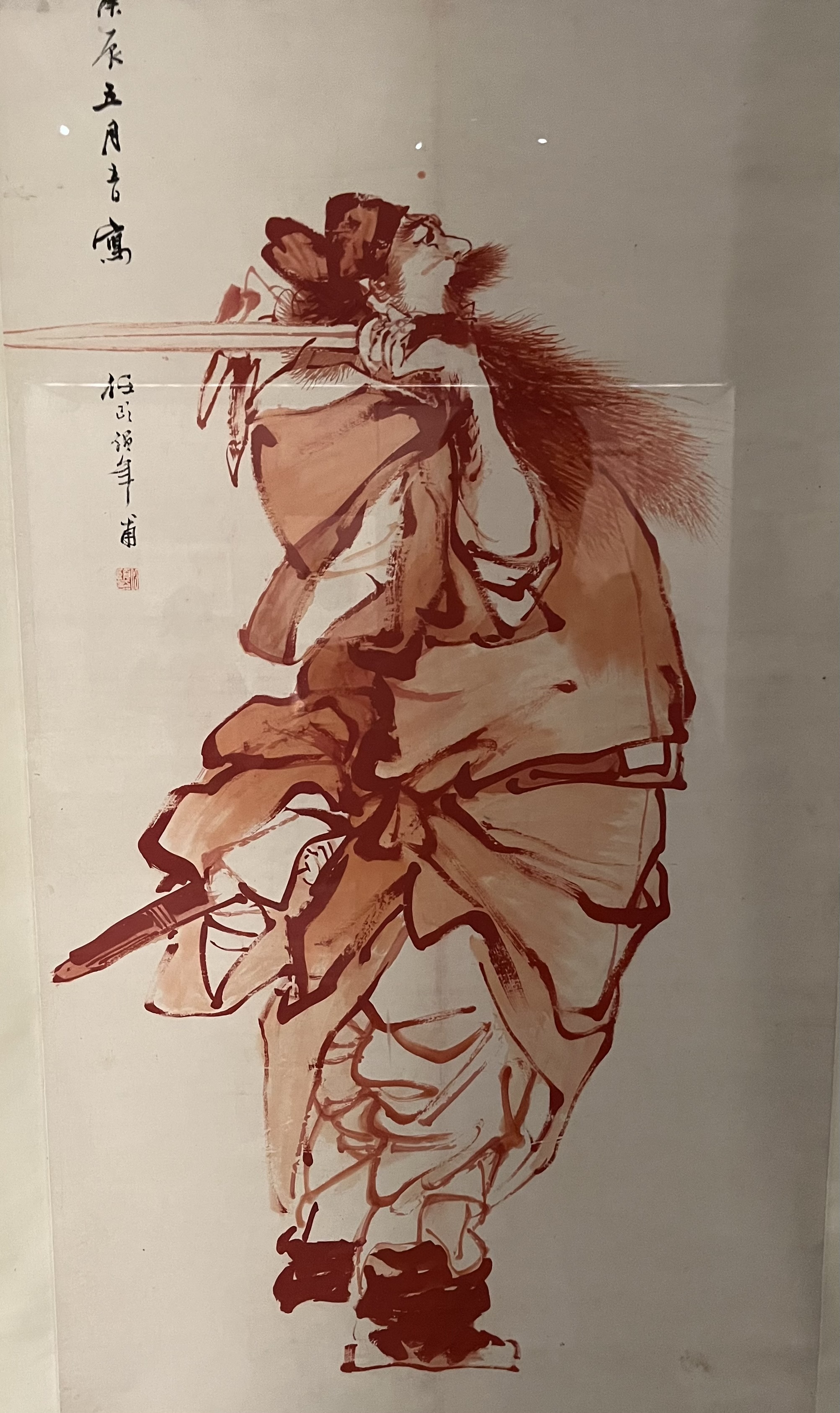
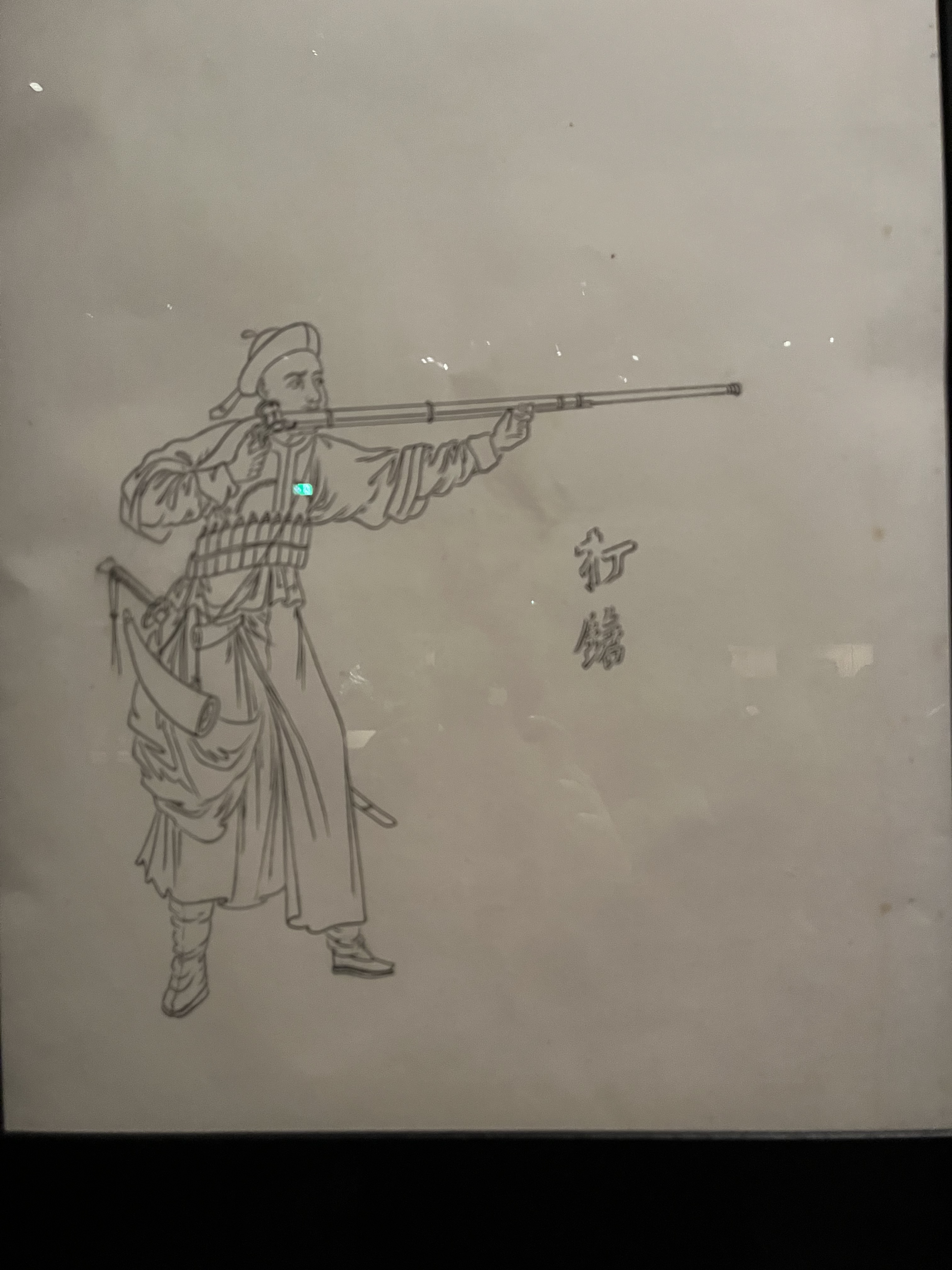
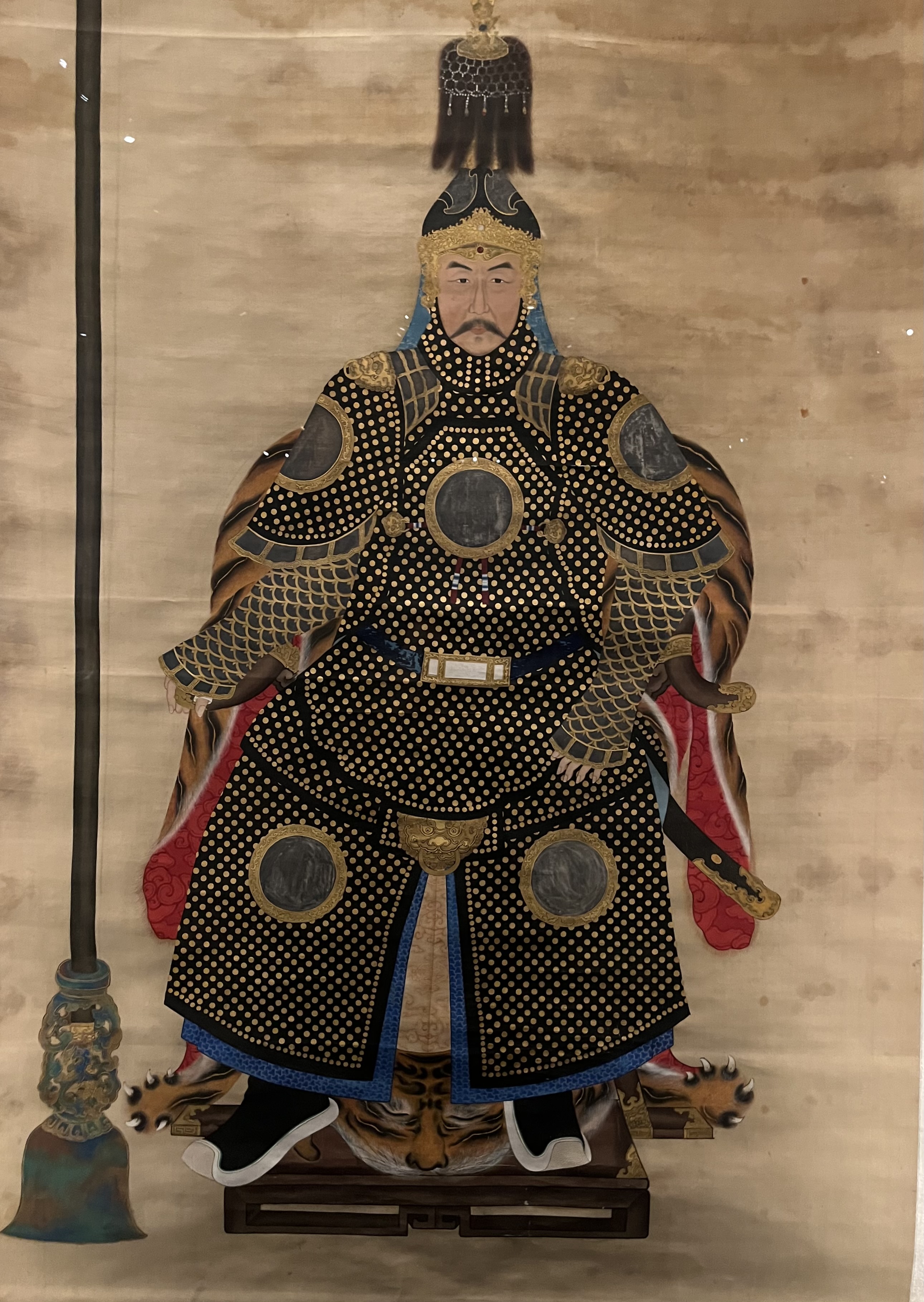
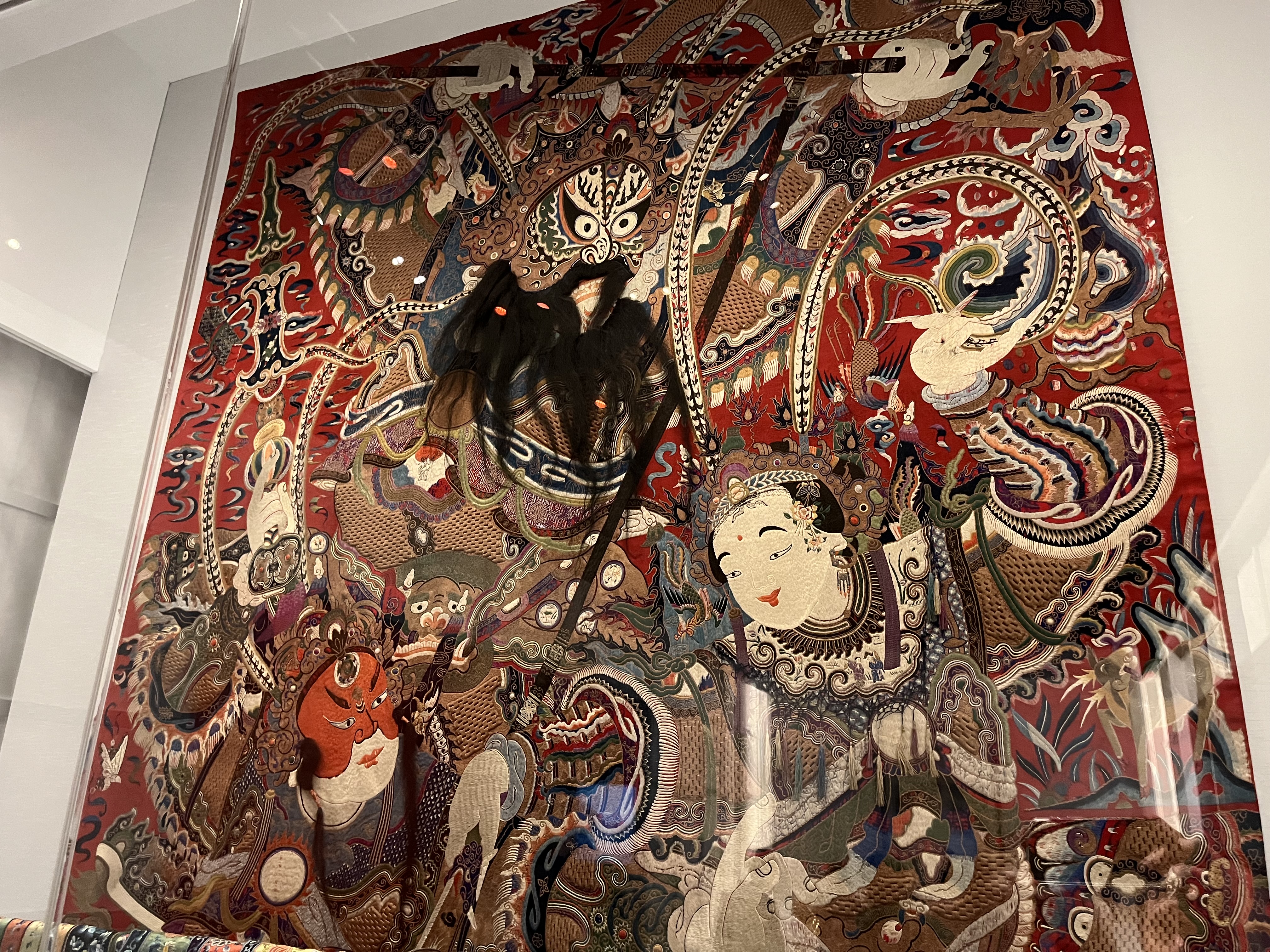
A belated hat-tip to the British Museum’s exhibition of artefacts from the last century of the Chinese Empire – here called the Hidden Century, but also known as the Century of Humiliation because of the way China was forced to accept the domination of people it had regarded as marginal barbarians.
This picture of Queen Victoria might symbolise the encroachment of the West, and of course we are reminded that many Chinese artefacts now in the West were frankly looted during the Boxer War or at other times.
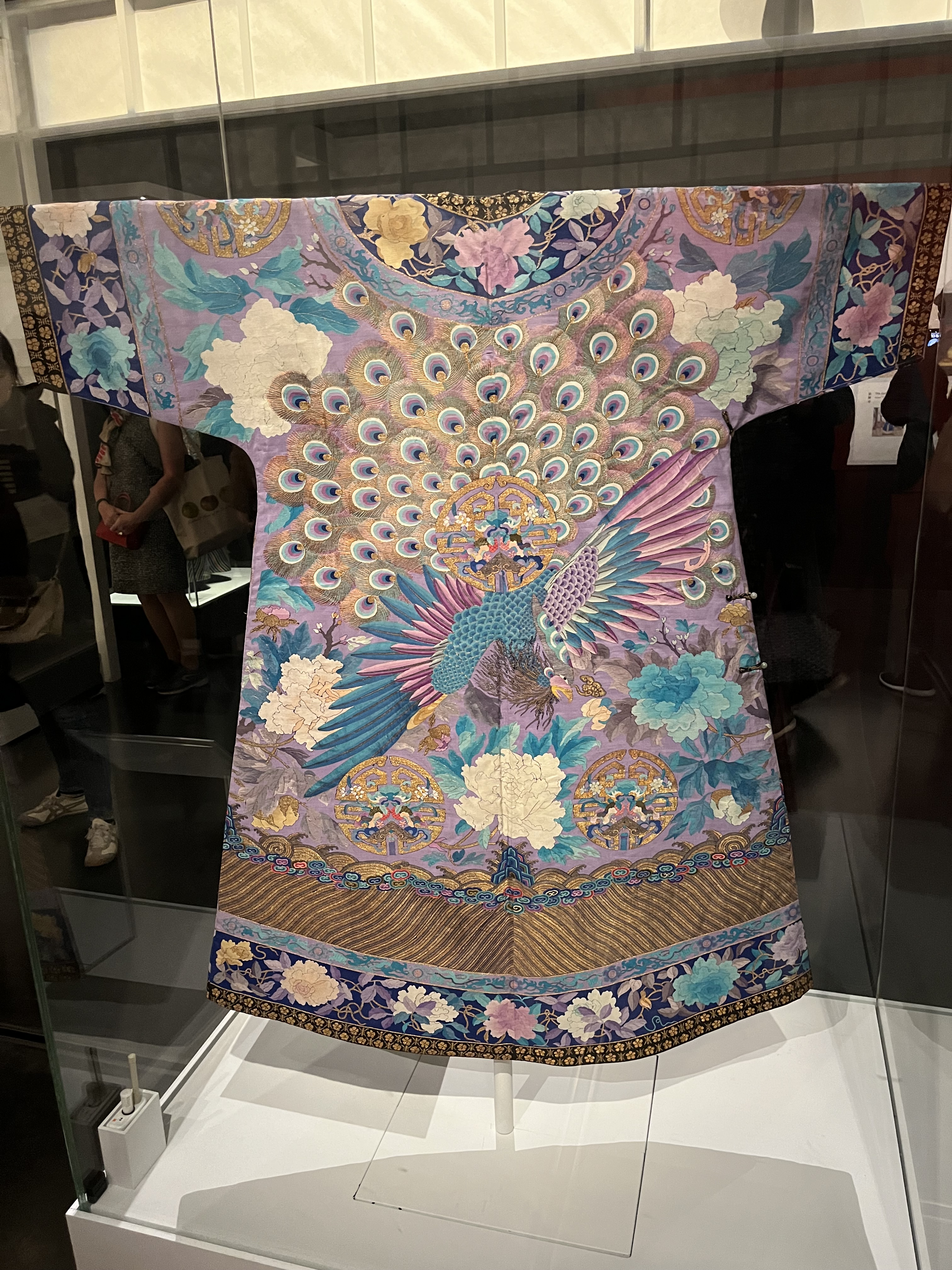
If there’s a single message from the exhibition it might be that Chinese culture remained vibrant and productive, even benefiting from some Western influences. Here are some random items that caught my eye.
I went to see the ‘Admonitions of the Instructress to the Court Ladies’ at the British Museum, a Chinese scroll so delicate it is only on display for a few weeks. It may be as old as the fifth century, and the text is from the third. Many of the episodes depict exemplary Empresses: in this picture Lady Feng, the Emperor’s consort, bravely shields the Emperor from an escaped bear, which luckily is killed just in time by two guards, an incident which occurred in 38 BC.
The scroll originally had twelve panels: the first three are lost. There is a twelfth-century drawing which includes the missing bits: unfortunately we can see from comparing the surviving panels that the copy is not totally accurate. It probably gives a good idea of what is missing, but might also be a later reconstruction of panels that were already lost even back then. The depth of history in the thing is breathtaking.
The British Museum bought the scroll from Captain Clarence Johnson, discreetly passing over how he acquired it: it seems clear that in fact he helped himself to it during the Boxer Rebellion.
I caught the British Museum’s ‘World of Stonehenge’ https://www.britishmuseum.org/exhibitions/world-stonehenge before it closes. There are always new theories about Stonehenge, but this is something different: an attempt to explore the context. Of course there isn’t exactly a wealth of contemporary artefacts, so that does involve drawing in some stuff from rather remote locations and times. The relevance of Seahenge, a wooden circle which they have been able to bring into the museum, is obvious: some of the other things are really from different cultures. There are some extraordinary artefacts, though. The stone in the picture here (from Switzerland) is a sculpture of a human figure (!) You can see a very rough face at the top with a nose. The diagonal bit is a bow and arrows and the horizontal lines are arms and a belt. Other items – the high gold hats, the carefully carved chalk drums – are almost completely inscrutable. There’s a curator’s tour on video here https://youtu.be/FymNP8copac if you’re interested.