Hals at the NG

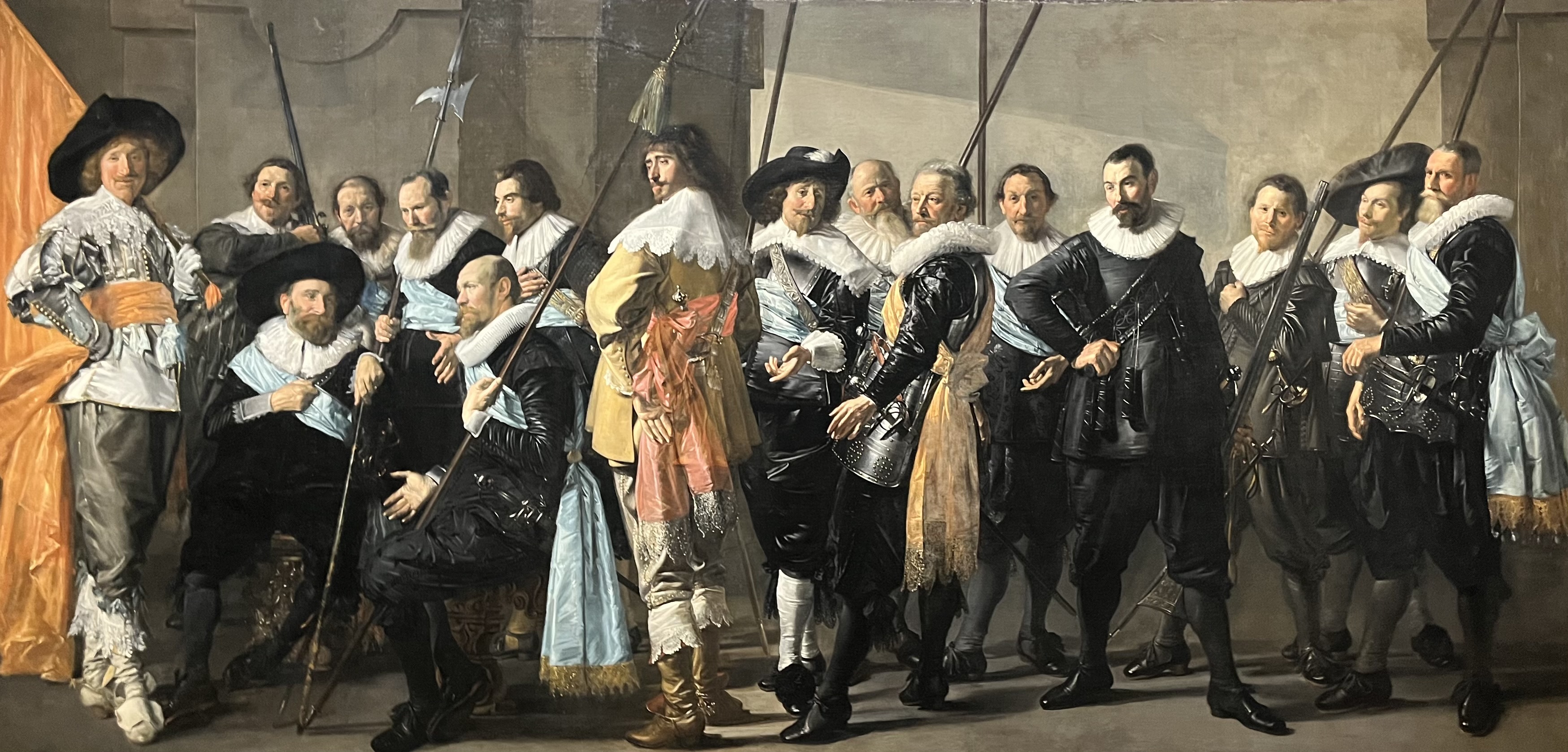
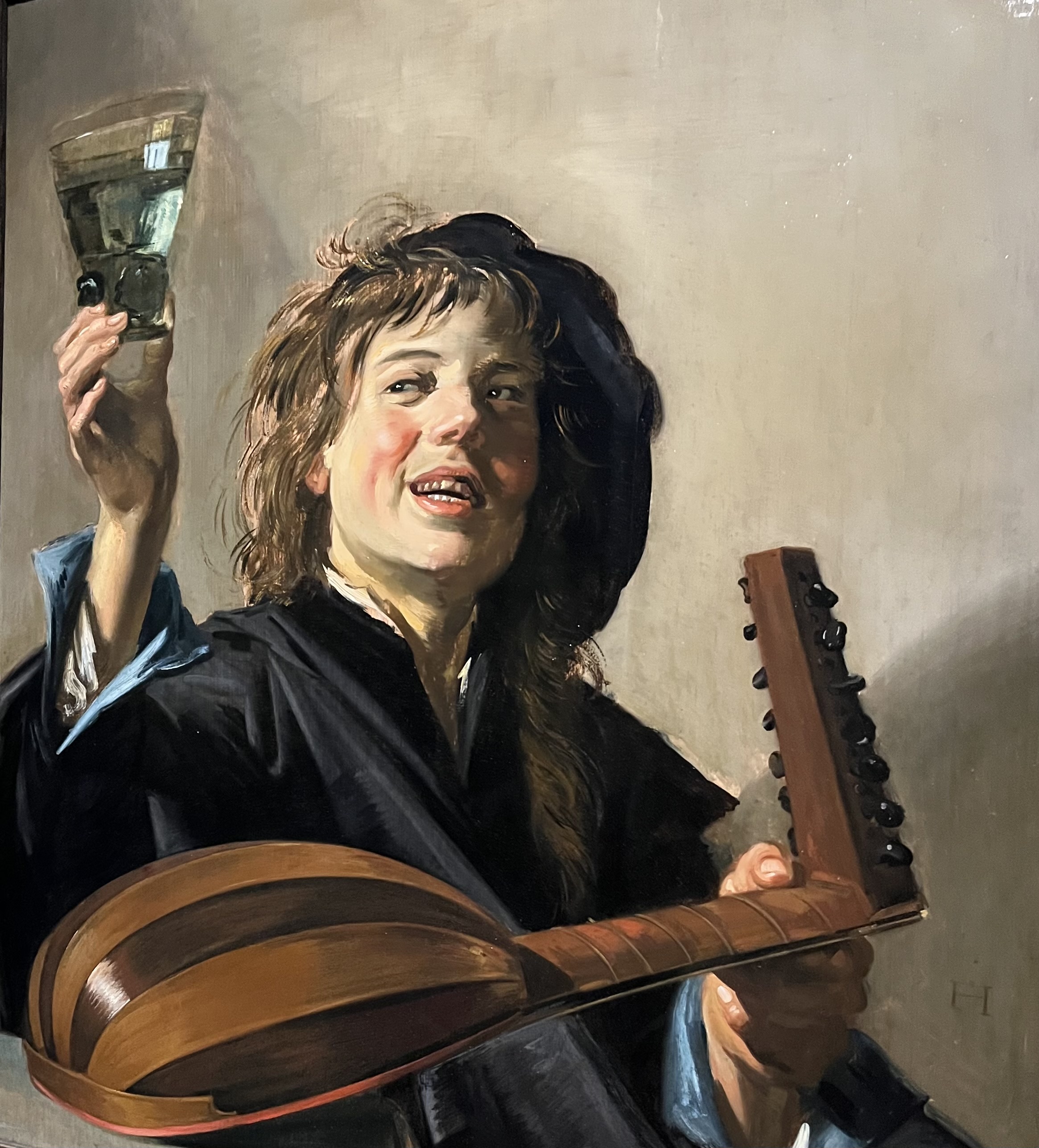
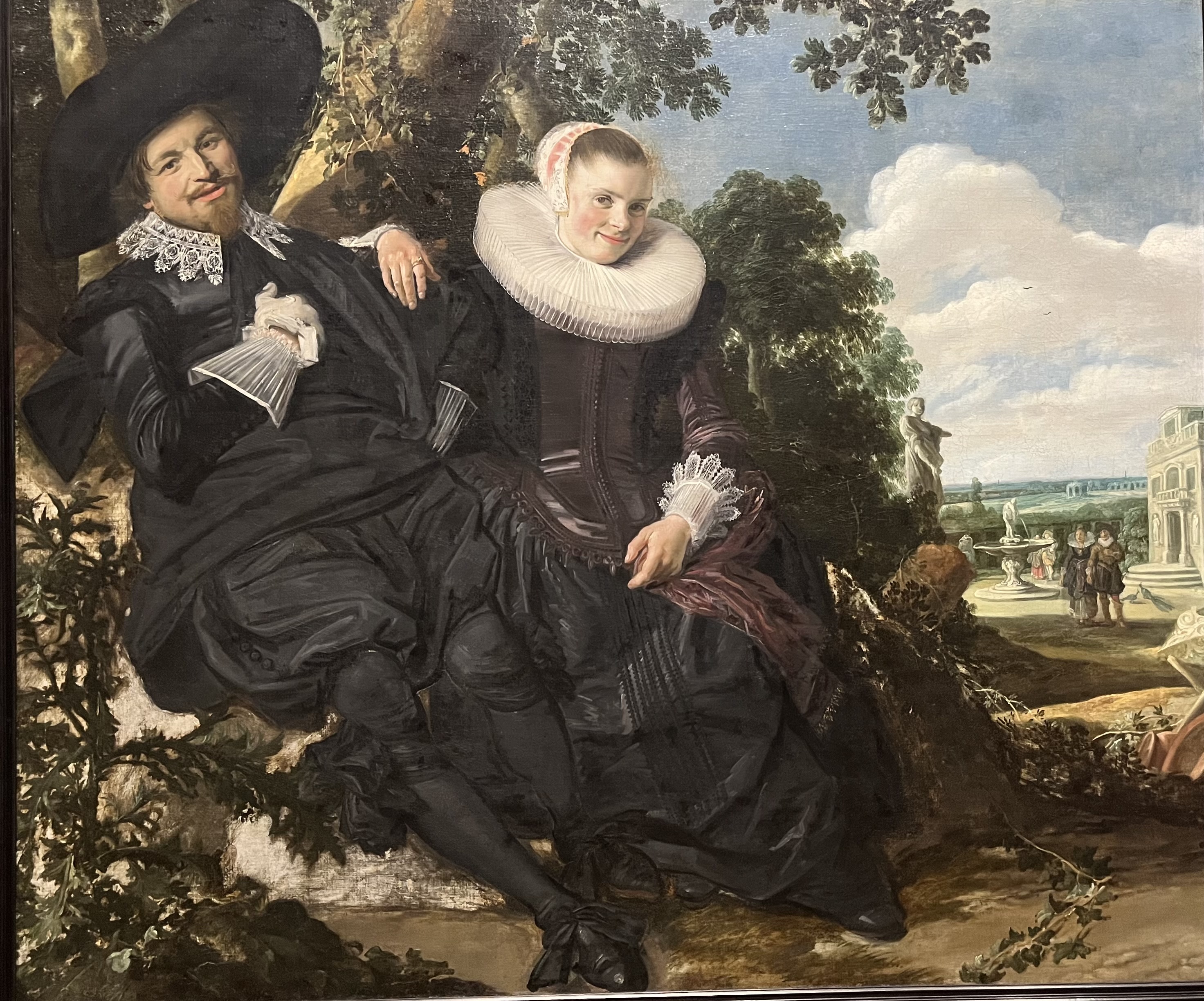
We went to see the National Gallery’s blockbuster exhibition of the work of Frans Hals, a good follow-up to our visit to his museum in Haarlem (and in fact we met a few old friends again).

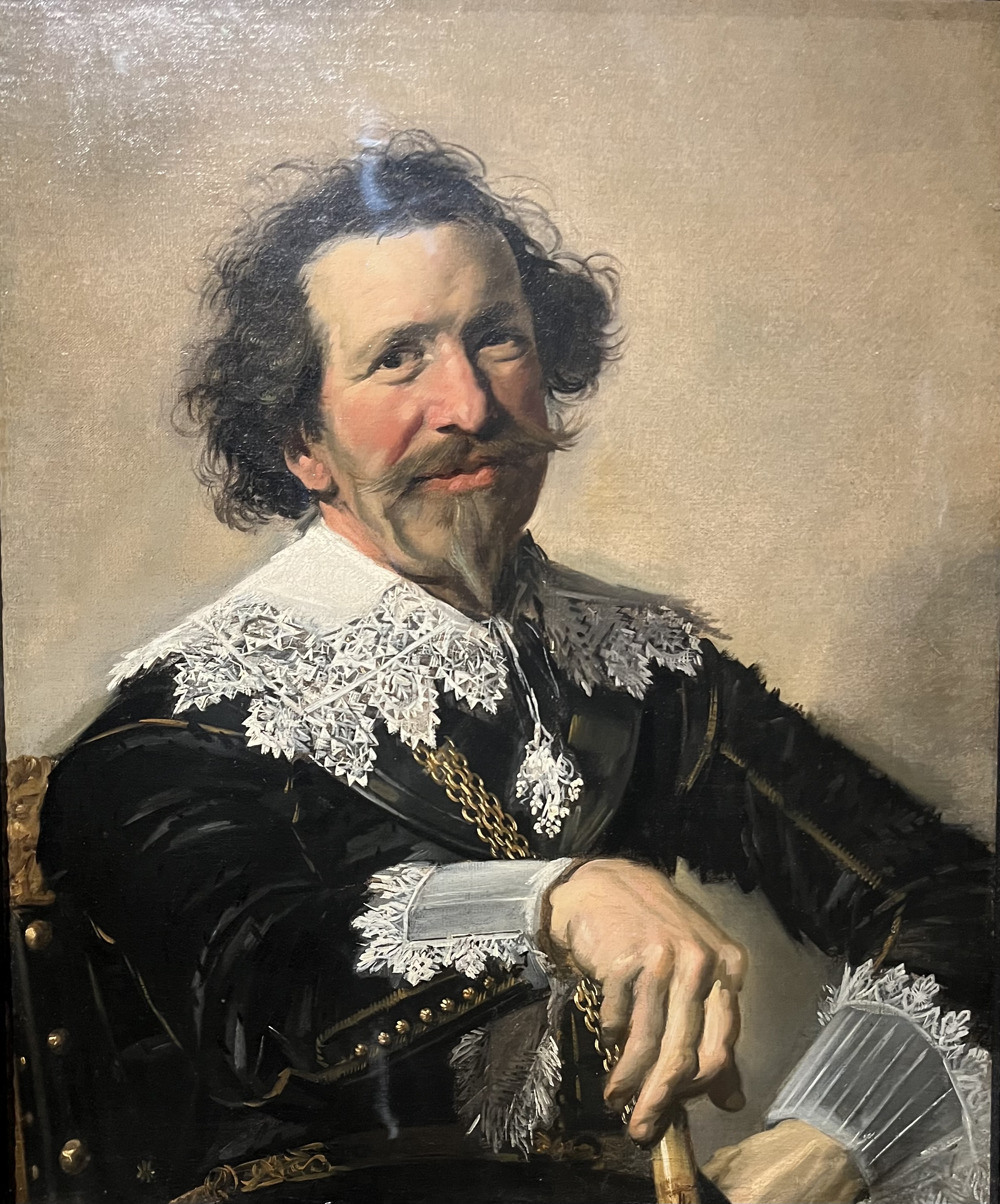
Hals is notable for the lively characterisation of his portraits. A note in the exhibition rightly says that nobody painted nonchalance like Hals, but his people are also completely believable and full of energy.
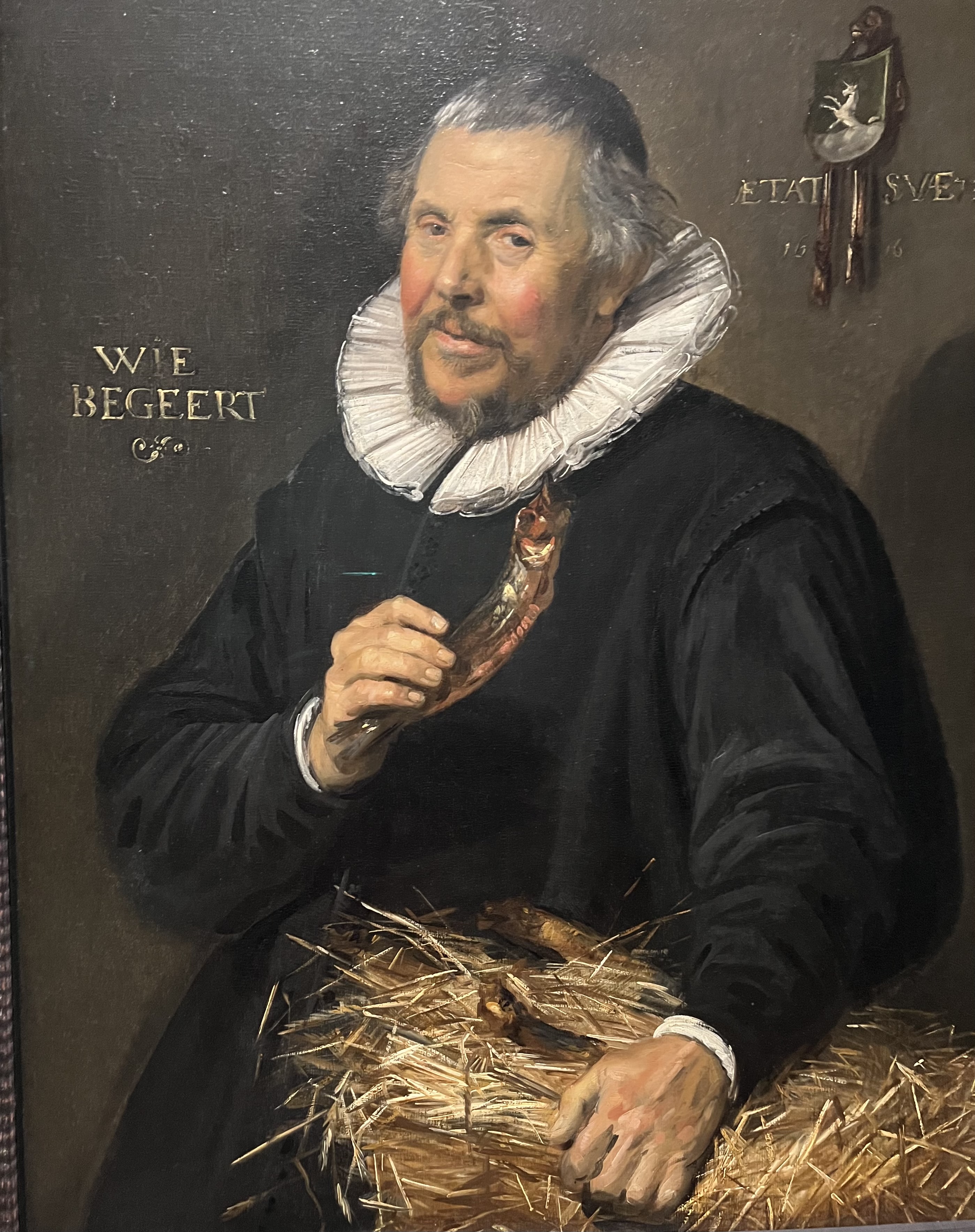
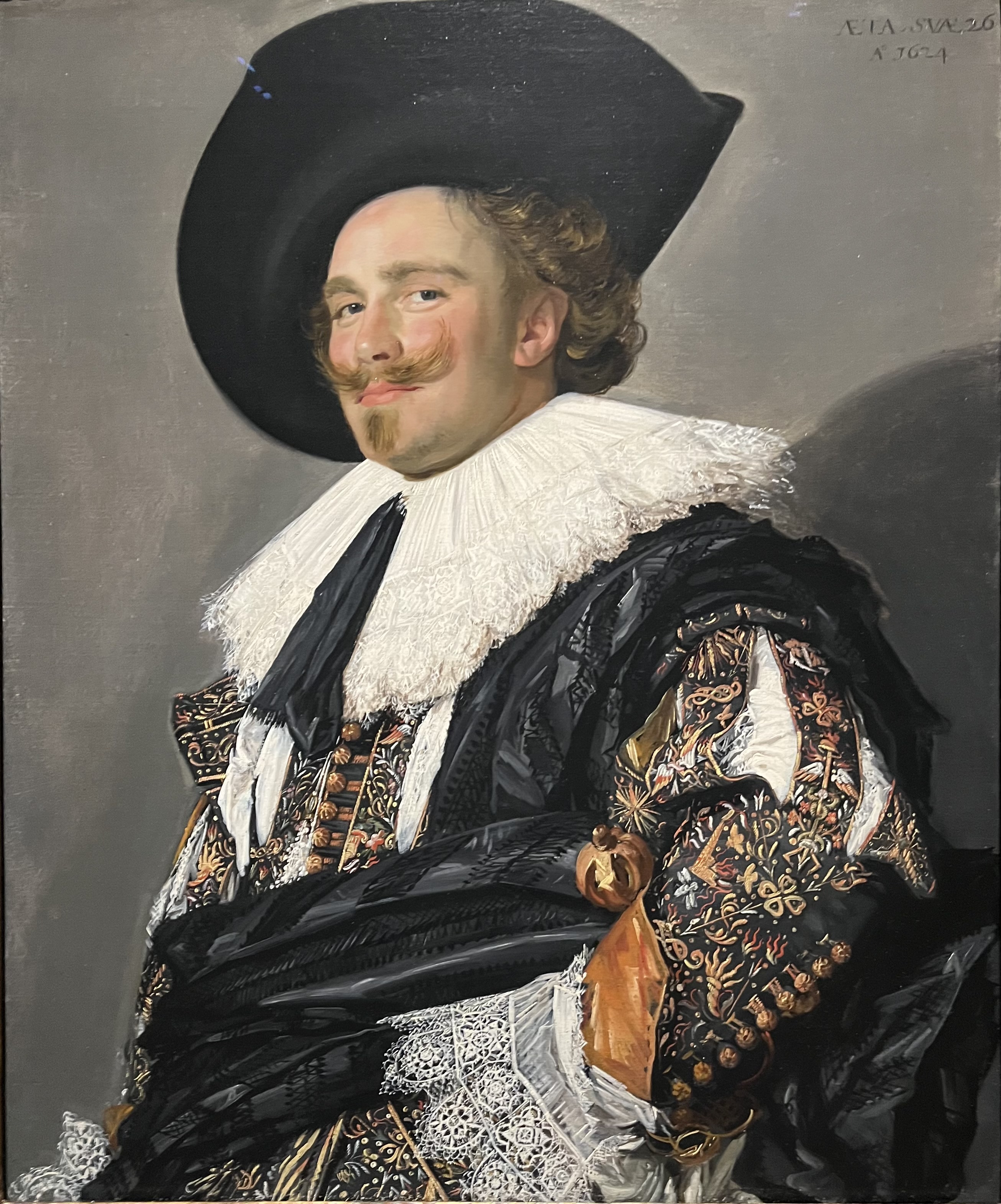
He’s also known for the loose style he adopted, especially in his later years, when a few slashing diagonal strokes of the brush would skilfully suggest lace or fabric. It was this trait that endeared him to Van Gogh and other later painters. Look at how the details of this gent, convincing at a distance, are just rough and sketchy brushstrokes close up.

After Impressionism

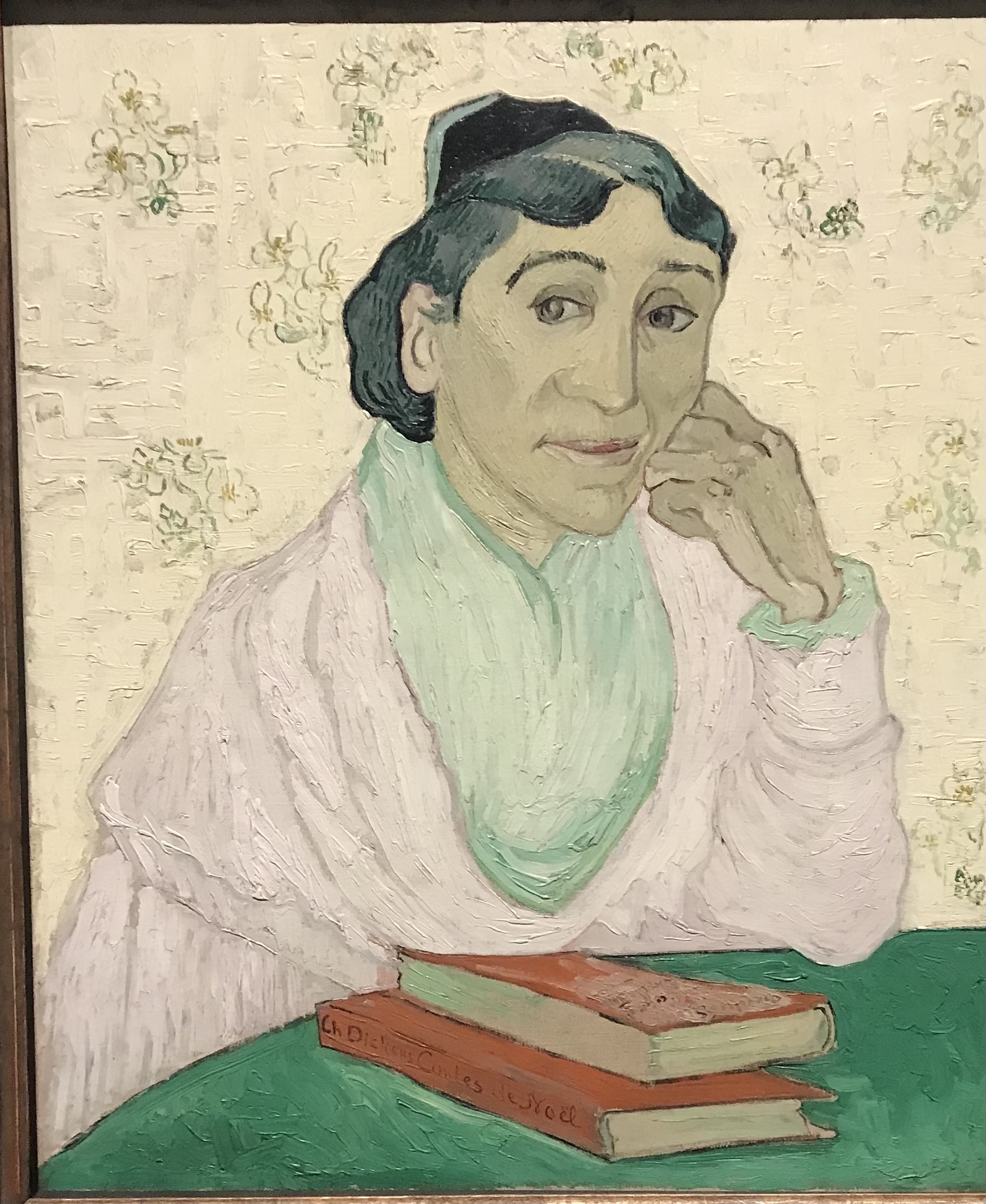
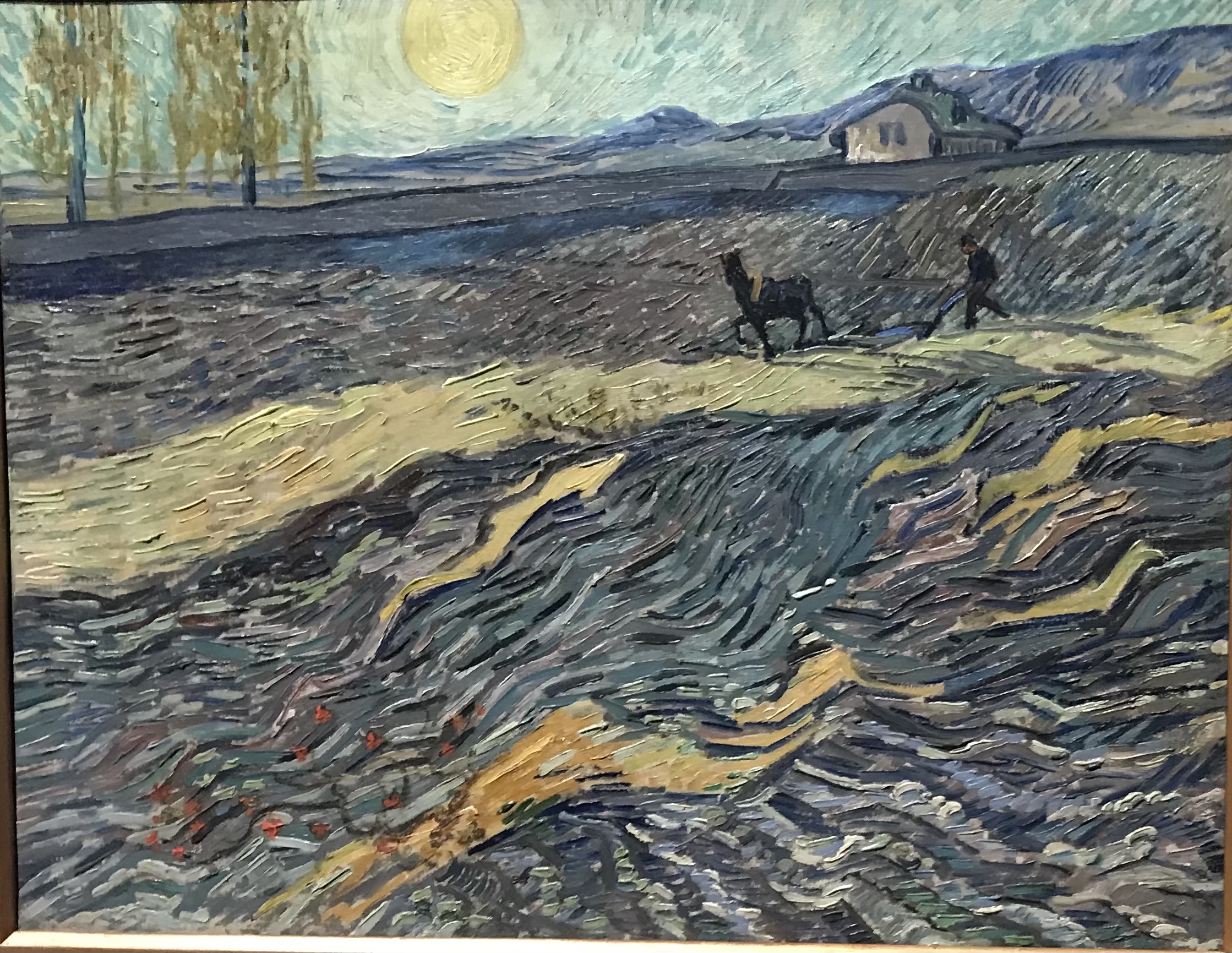
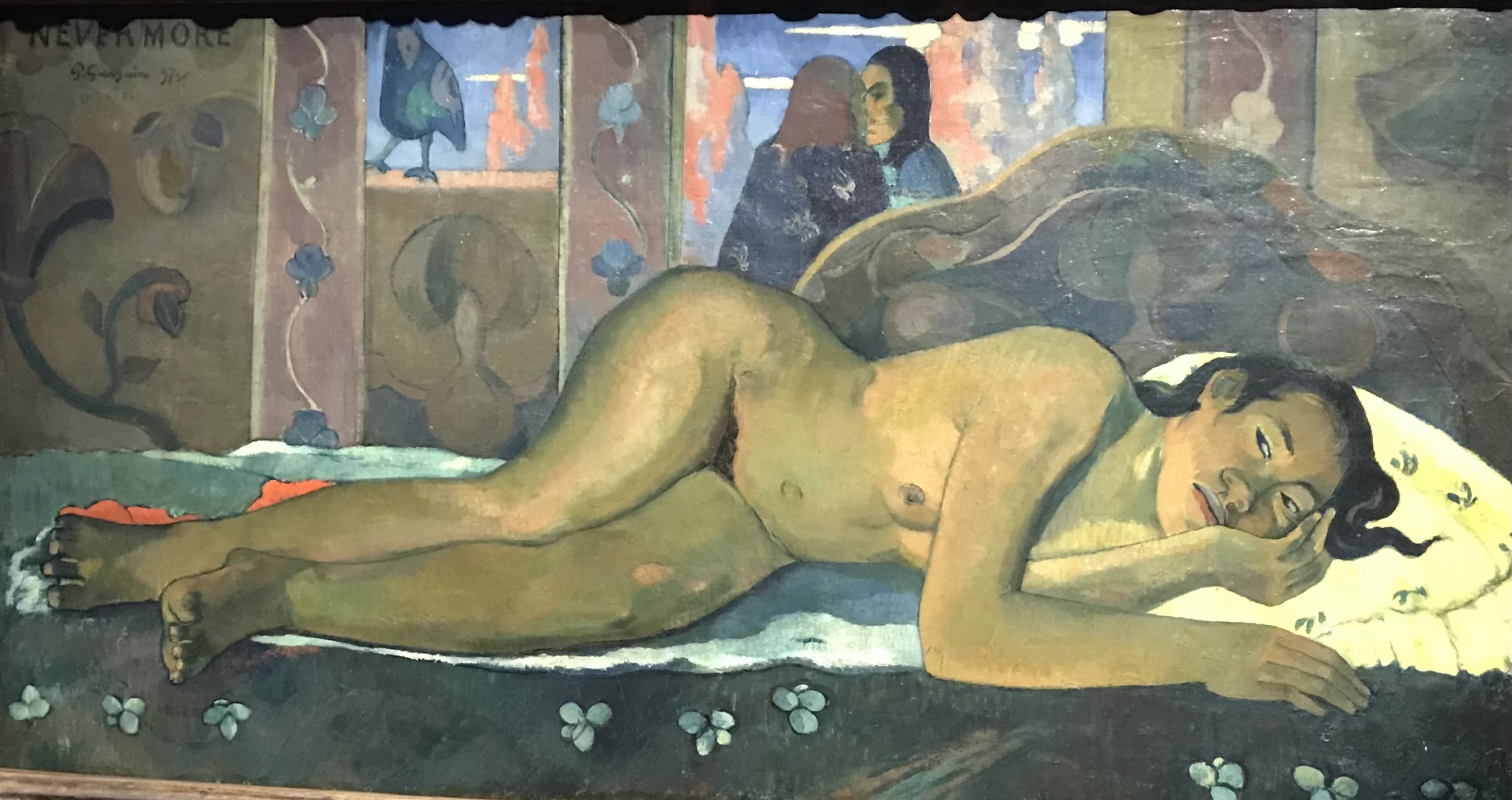
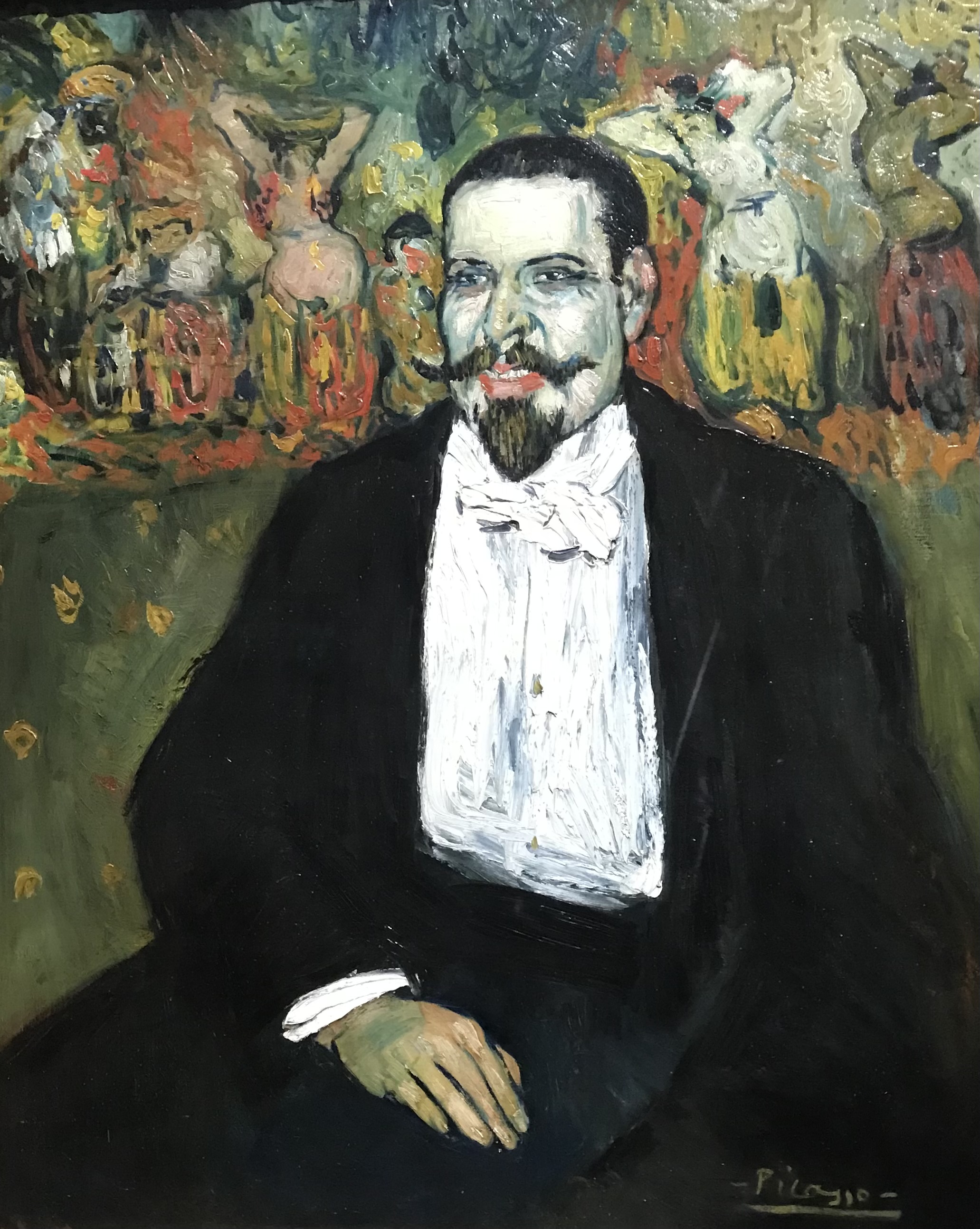
At the National Gallery, an exhibition that re-examines the innovative period that followed Impressionism, in both sculpture and painting. The focus is on the influence of three artists: Cezanne, Gauguin, and Van Gogh. Putting it simplistically there’s a suggestion that Cubism flowed from Cezanne’s work, Fauvism from Gauguin, and German Expressionism from Van Gogh.

Though it’s an enlightening framework, things are obviously more complex than that. To my untutored eye it all looks like a general explosion of originality, drawing on many influences as well as brand new thinking.

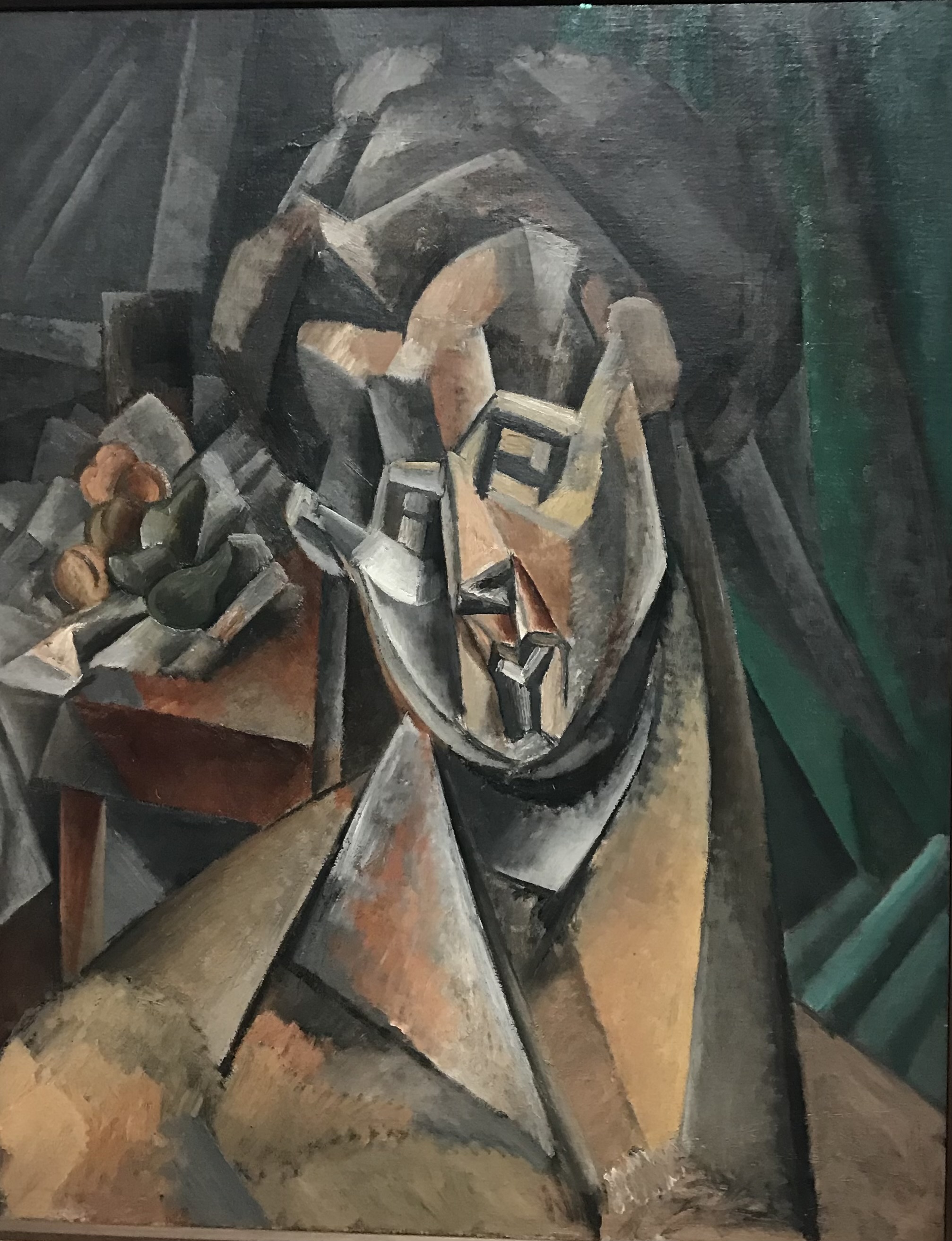
The exhibition, full of great stuff, is notably strong on pointillism, reminding us it isn’t just Seurat and Signac. I was also surprised yet again by more evidence of Picasso’s ability to produce brilliant work in every style, including of course, some that he helped invent.

St Francis at the National Gallery

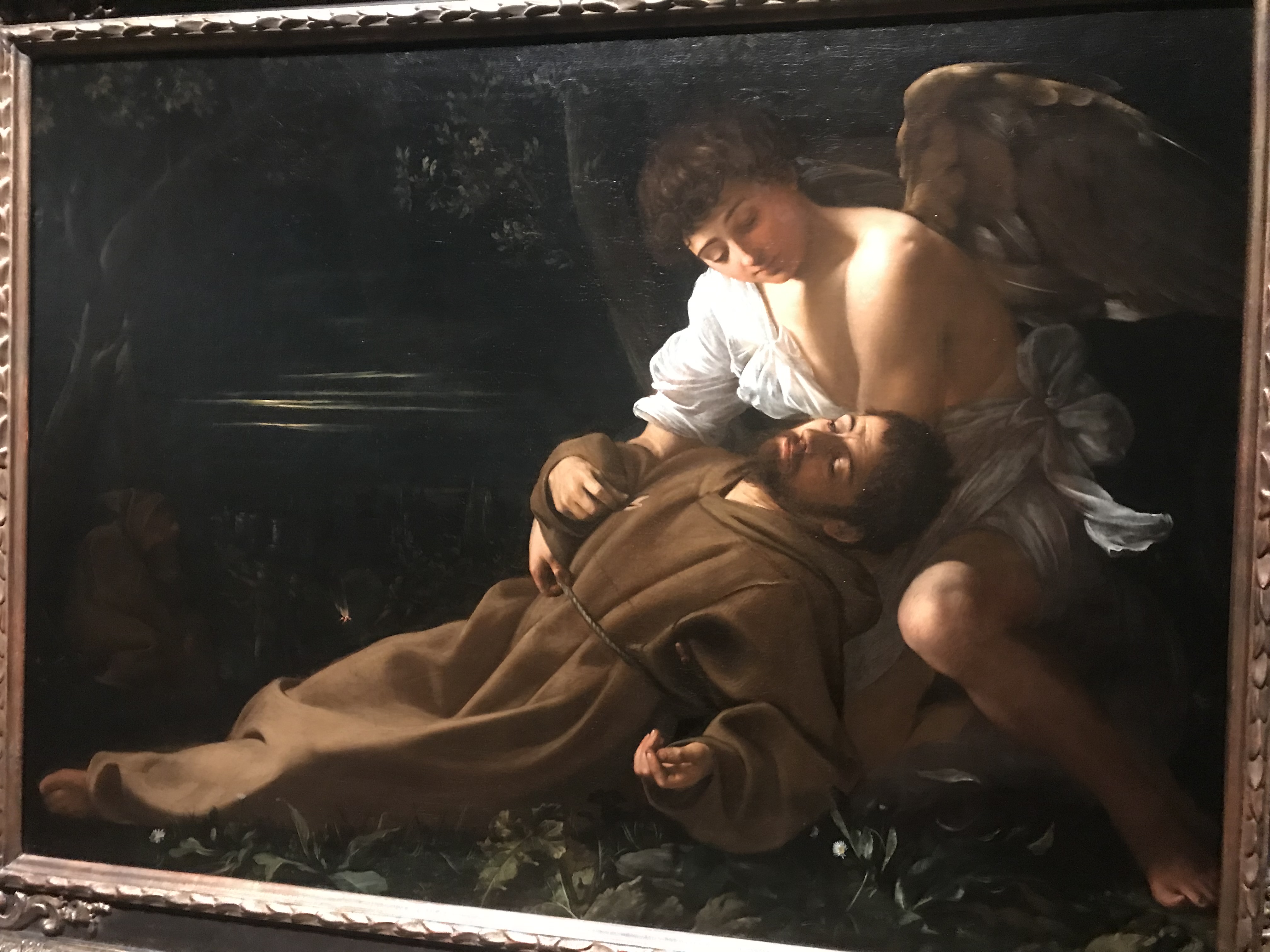
This free exhibition features works by outstanding artists from many centuries, from a puzzlingly conservative Botticelli through Caravaggio, El Greco and Spencer to Zurbaran, taking in the Marvel comic Francis, Brother of the Universe. The notes gently mock the comic’s version of how St Francis received the stigmata through laser beams, but really it is no more dramatic than several paintings of the same crucial event, or Brother Leo’s actual first-hand account of a six-winged seraph.

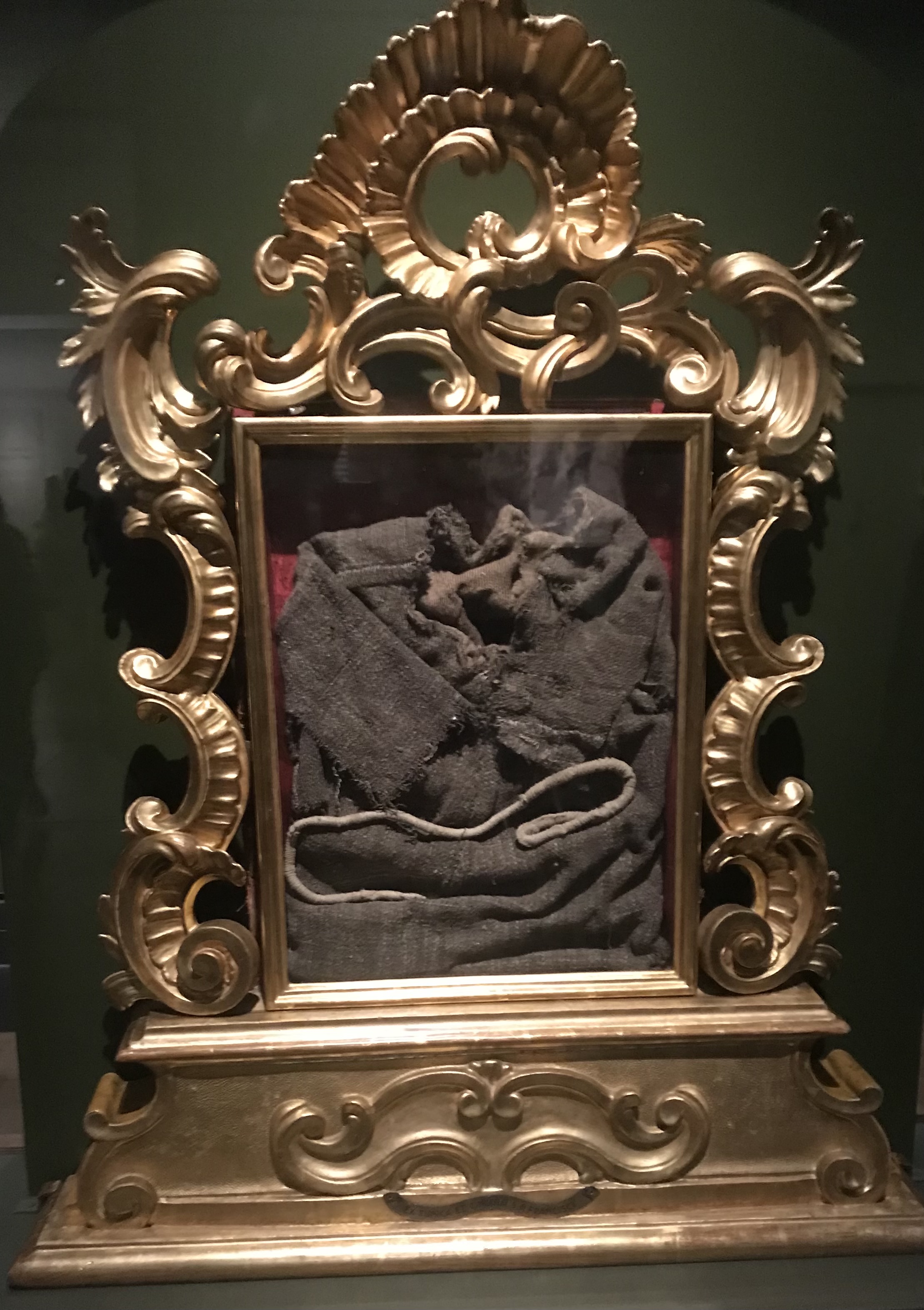
The exhibition also features one of Francis’s own habits, presented in a golden frame. I suppose there is a suggestion that the habit can also be viewed as art, and indeed the exhibition offers a modern work using sacking. However, the habit also emphasises Francis’s historicity. Some of his feats (taming a wolf, walking through fire) resemble those attributed to older saints who are legendary bordering on mythical, but Francis is indisputably a real man. That raises the question of whether an exhibition organised around a theme tells us about the art or just about attitudes to the subject.

I suppose the message might ultimately be that artists use a theme to illuminate the concerns that mean most to them and their audience – Stanley Spencer using his own (strangely rotund) father to represent the saint. But whatever the rationale, it’s a great chance to see some fantastic paintings.

Raphael

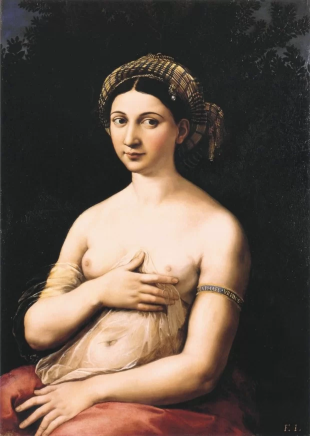
I must admit to knowing shamefully little about Raphael before going to the current exhibition at the National Gallery. He was obviously important enough to have a whole artistic movement, the Pre-Raphaelites, devoted to undoing his influence, and he is generally considered one of the top three artists of the High Renaissance, alongside Leonardo and Michaelangelo (who hated him), but somehow he never made an impression on me. The only picture I could really name was the School of Athens, appearing here as a wall-sized reproduction. The exhibition has a lot of Madonnas (with babies who look like babies for once): perhaps a theme of special resonance to the orphan Raphael? Son of the court painter of Urbino, he had all of that city’s famous courtly charm, never falling out with his rich patrons or failing to befriend people. He ran one of the largest artist’s studios ever, and died young: according to Vasari, from too much sex. Perhaps charm was his weakness, and perhaps that’s why Michaelangelo took against him: beautiful, brilliant paintings – but just too damned polite?