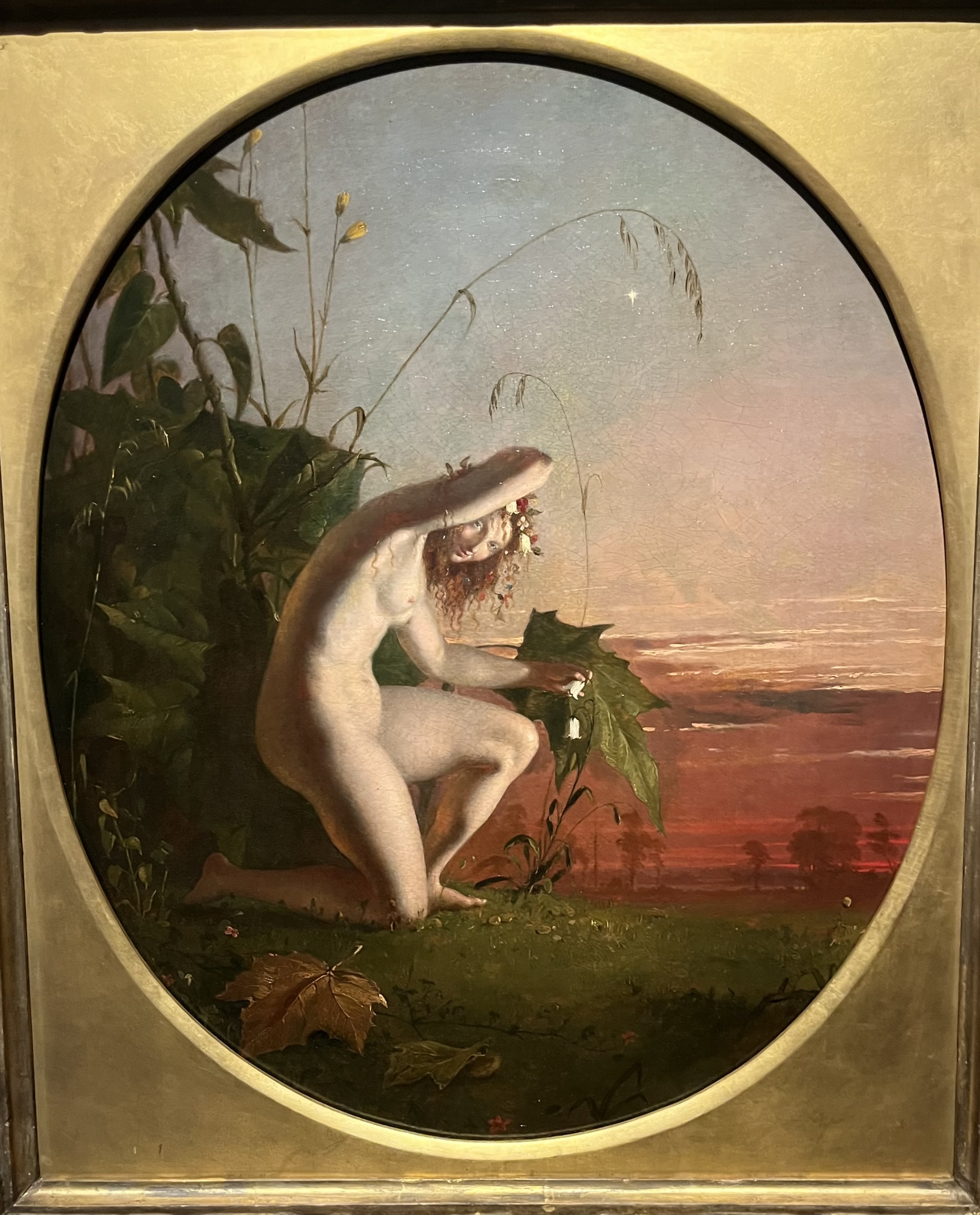
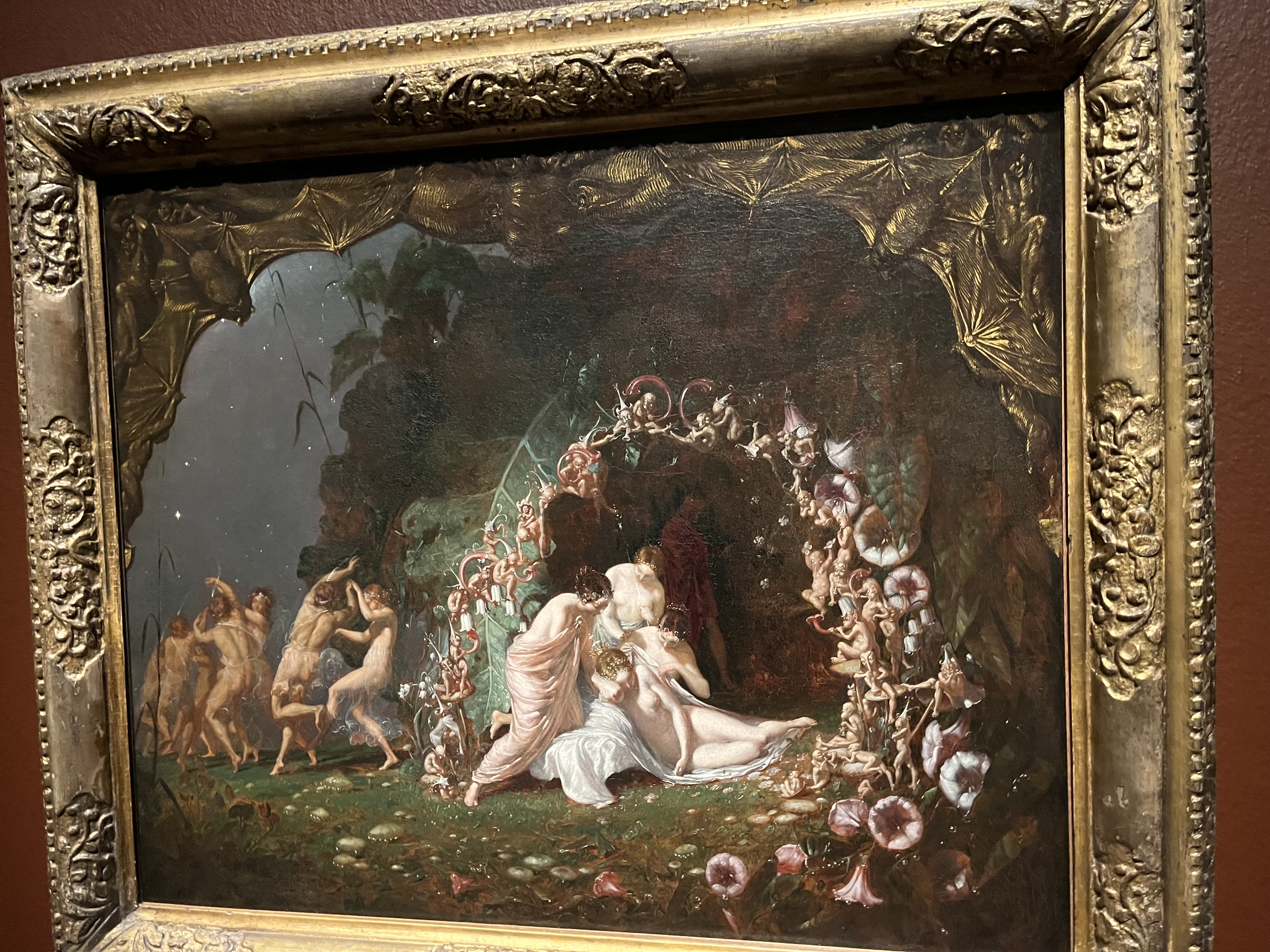
Richard Dadd

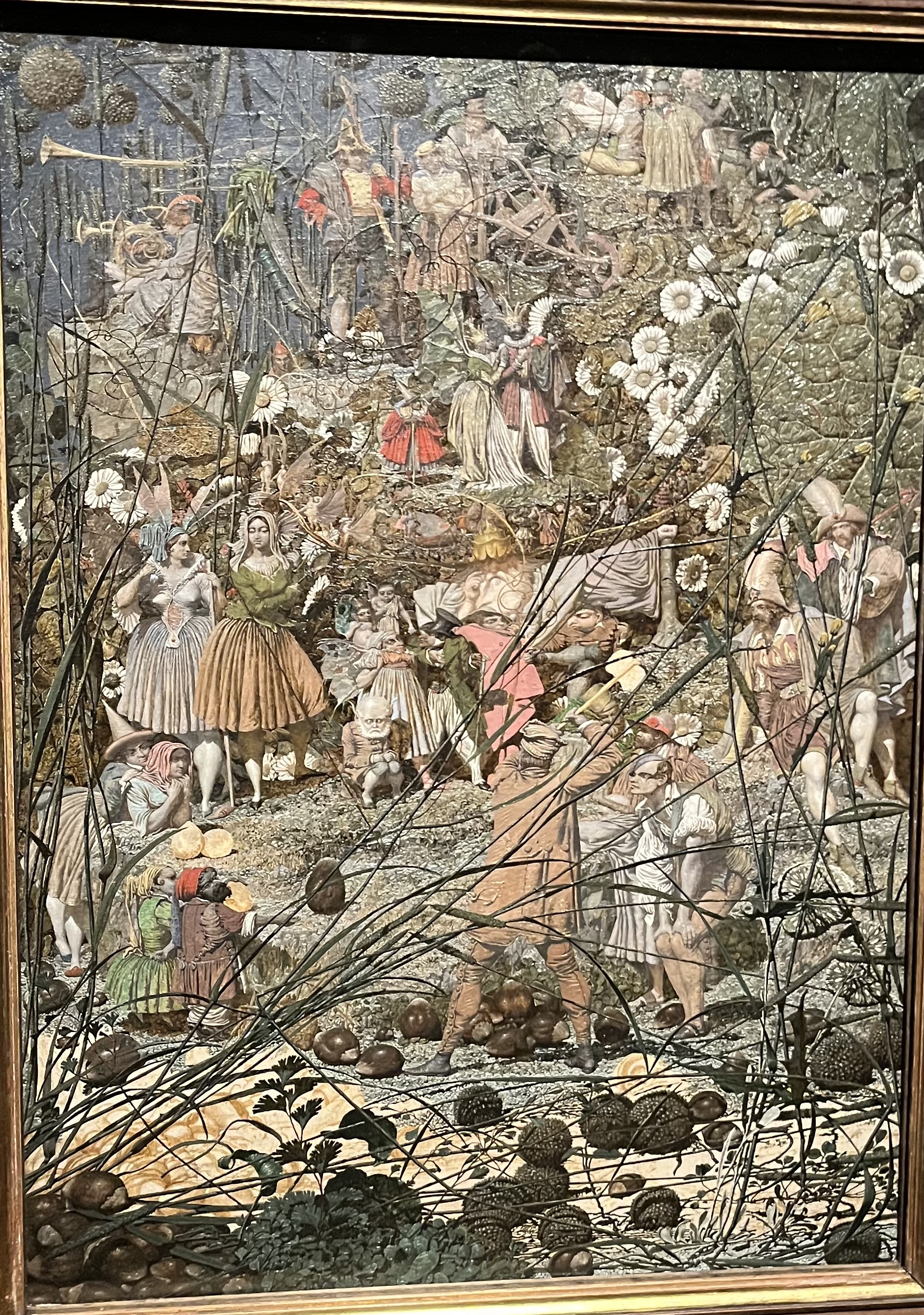
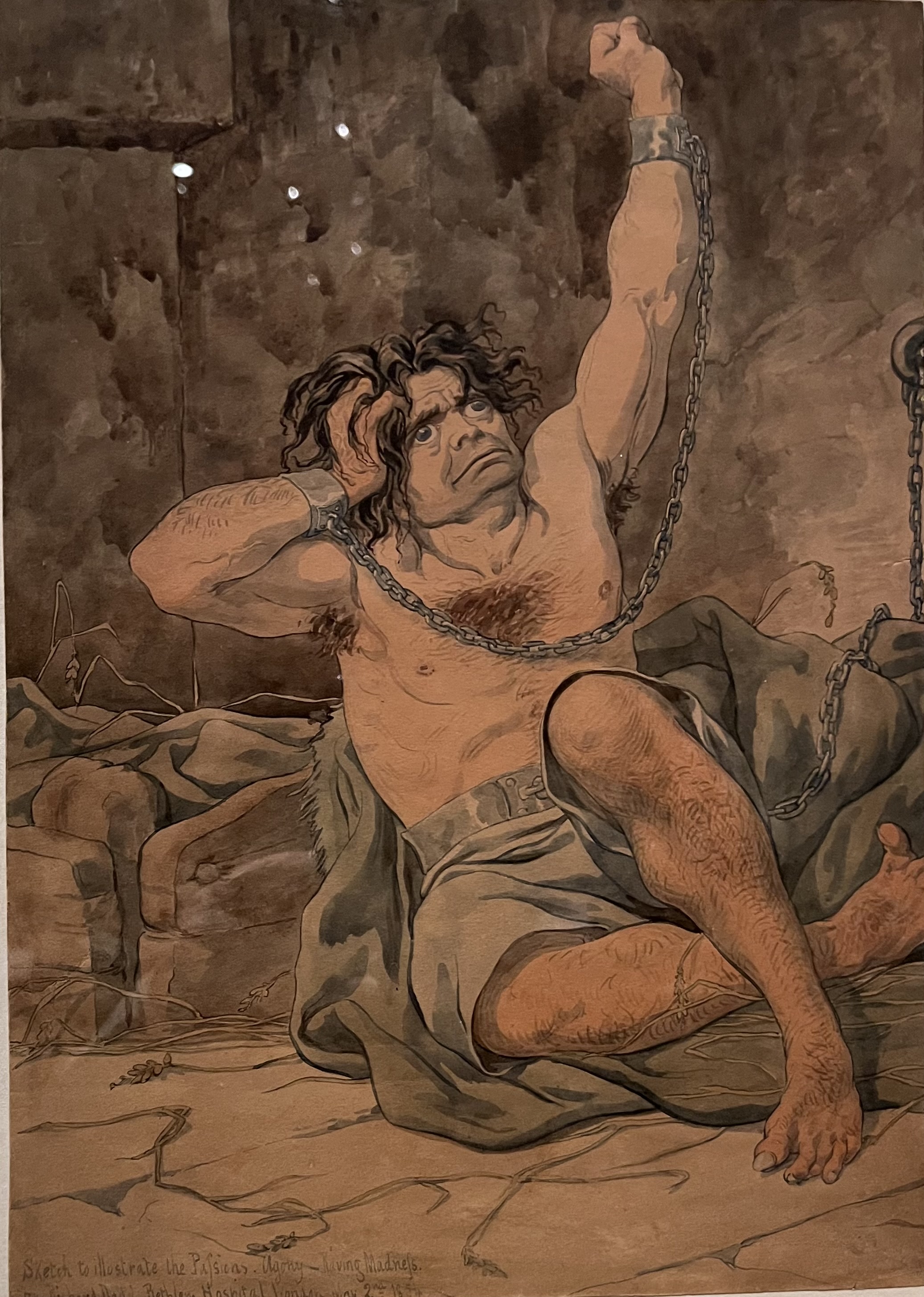
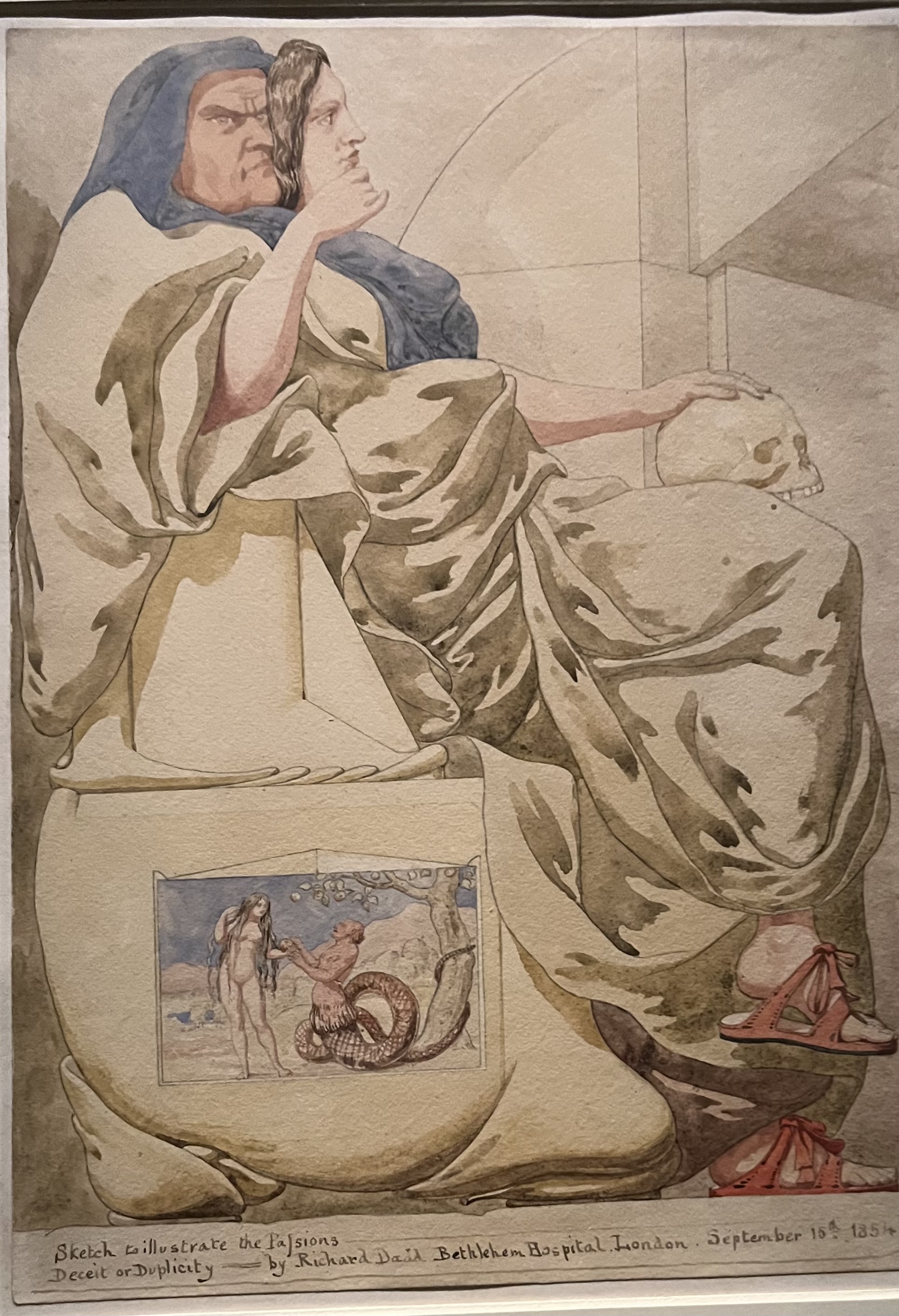
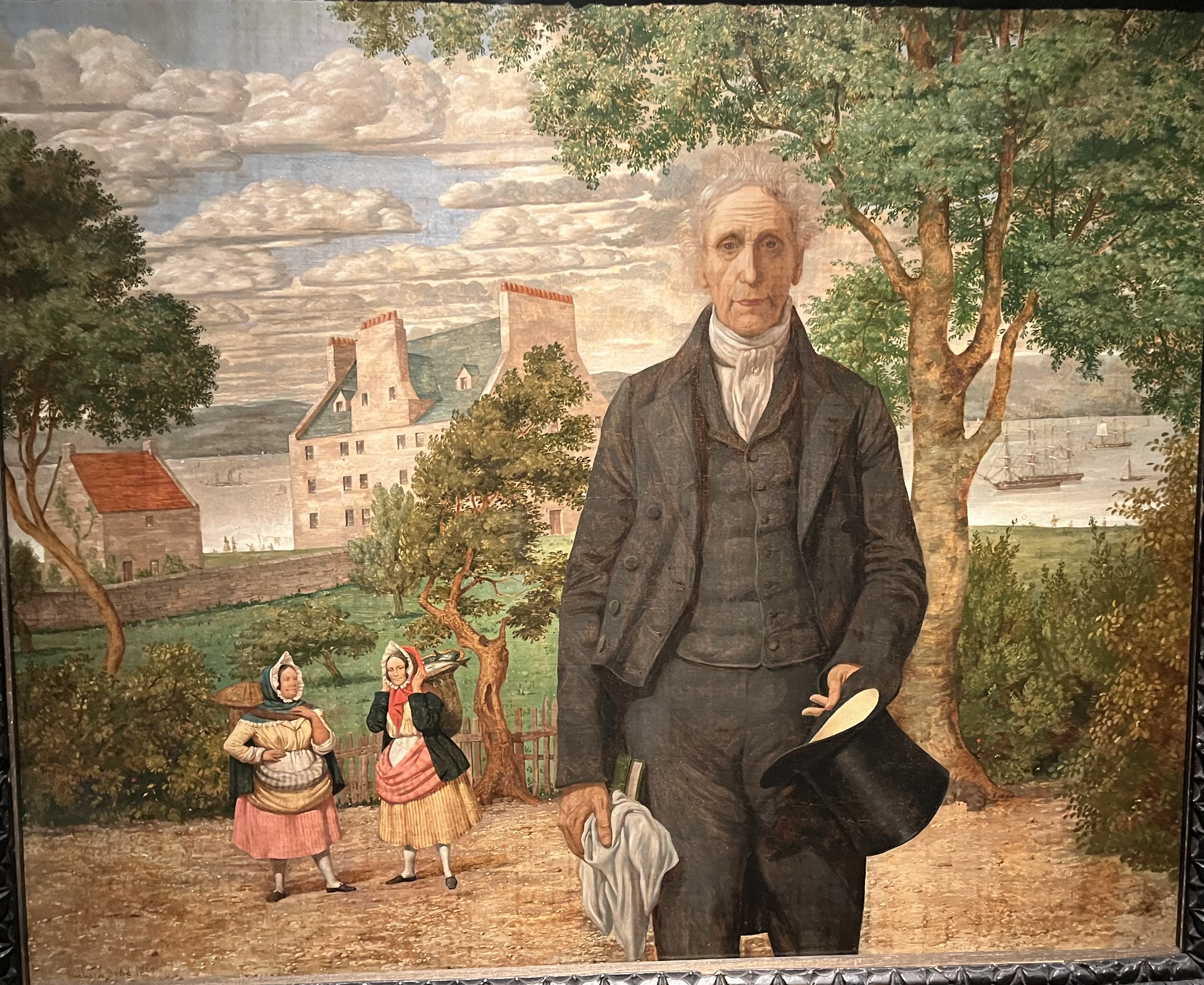
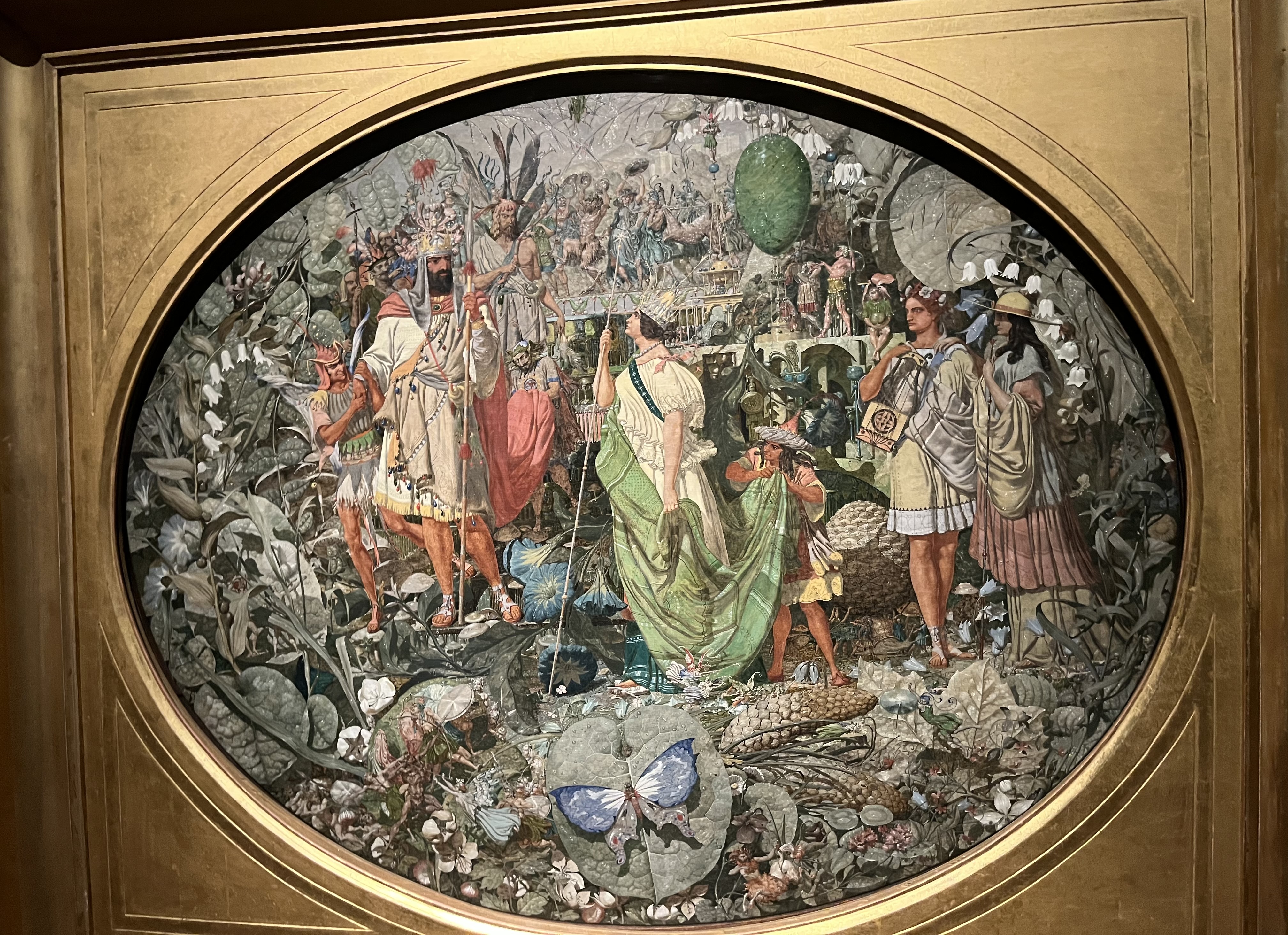
Richard Dadd murdered his father in a psychotic episode and spent the rest of his life locked up in Bedlam and Broadmoor. In spite of the (slightly Blakean?) picture here of a madman in chains, Bedlam had become a more enlightened place by then, and Dadd, already an established artist, was able to continue painting, sometimes doing portraits or commissions for the staff. One of these was to prove by far his most celebrated work, namely The Fairy Feller’s Master-Stroke. Although some of his other paintings are a little strange, this one is in a league of its own, and I don’t think the poem Dadd wrote about it helps explain all that much. He considered the painting unfinished, and you can see that an area at the bottom left is only sketched in.

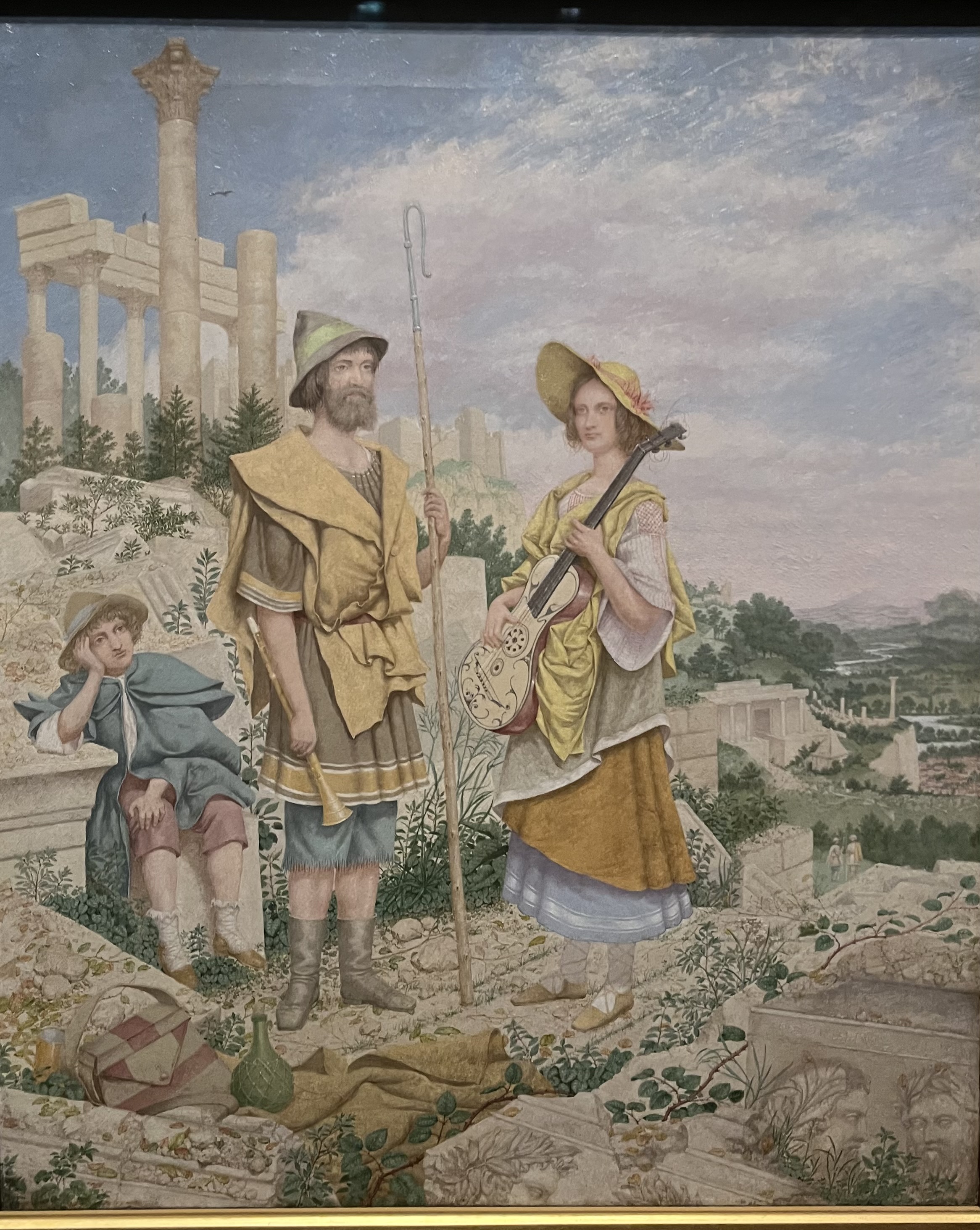
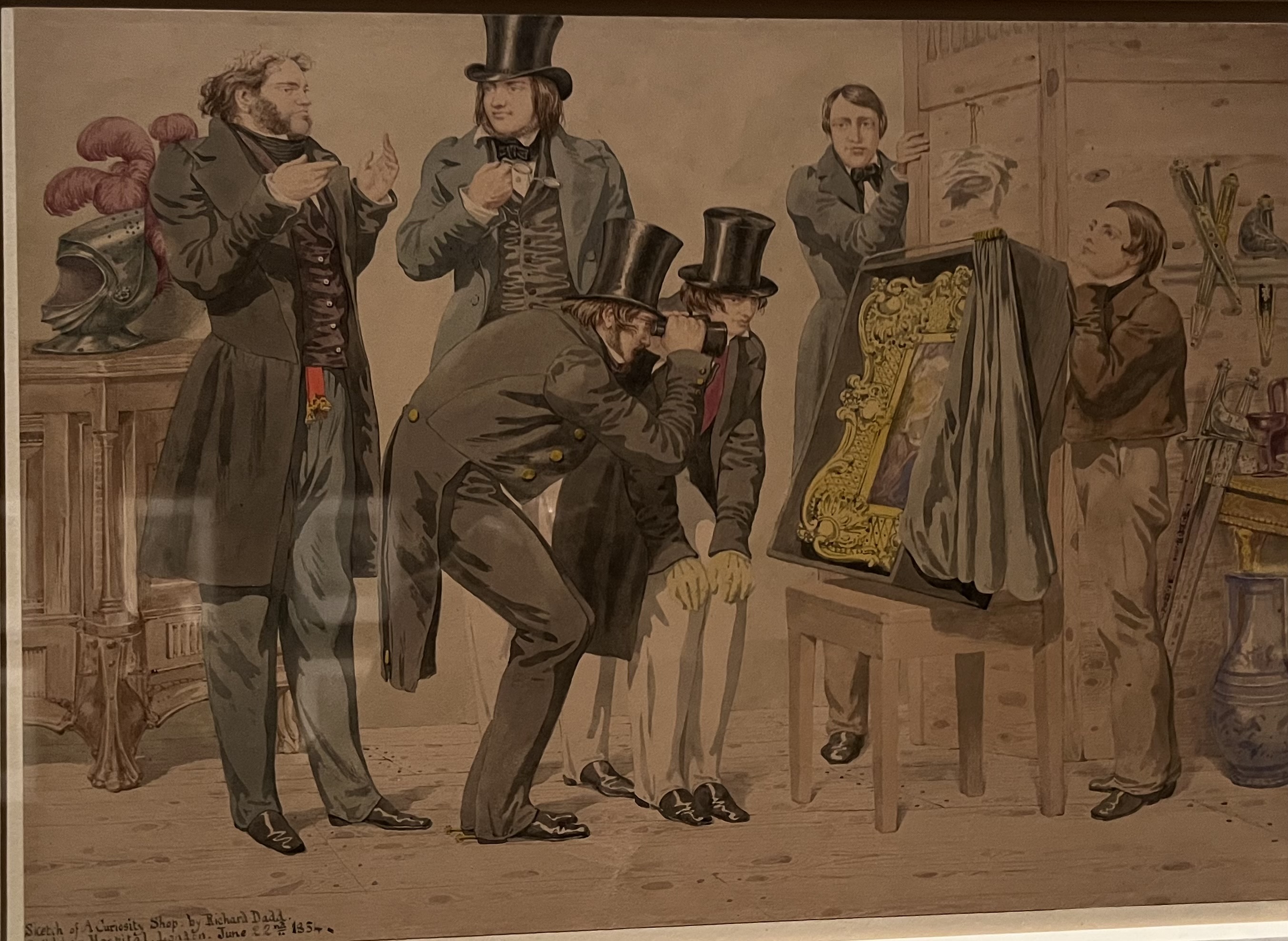
The current exhibition at the Royal Academy shows that Dadd was a real master in terms of technical skill. I don’t think I have ever seen watercolours so crisp, precise and confident. He was known for painting fairies and he liked a bit of Shakespeare, but generally his realism is impeccable and the weirdness in Fairy Feller is much less extreme in other works. Most of them are interesting but Fairy Feller is the one you could spend all day looking at.

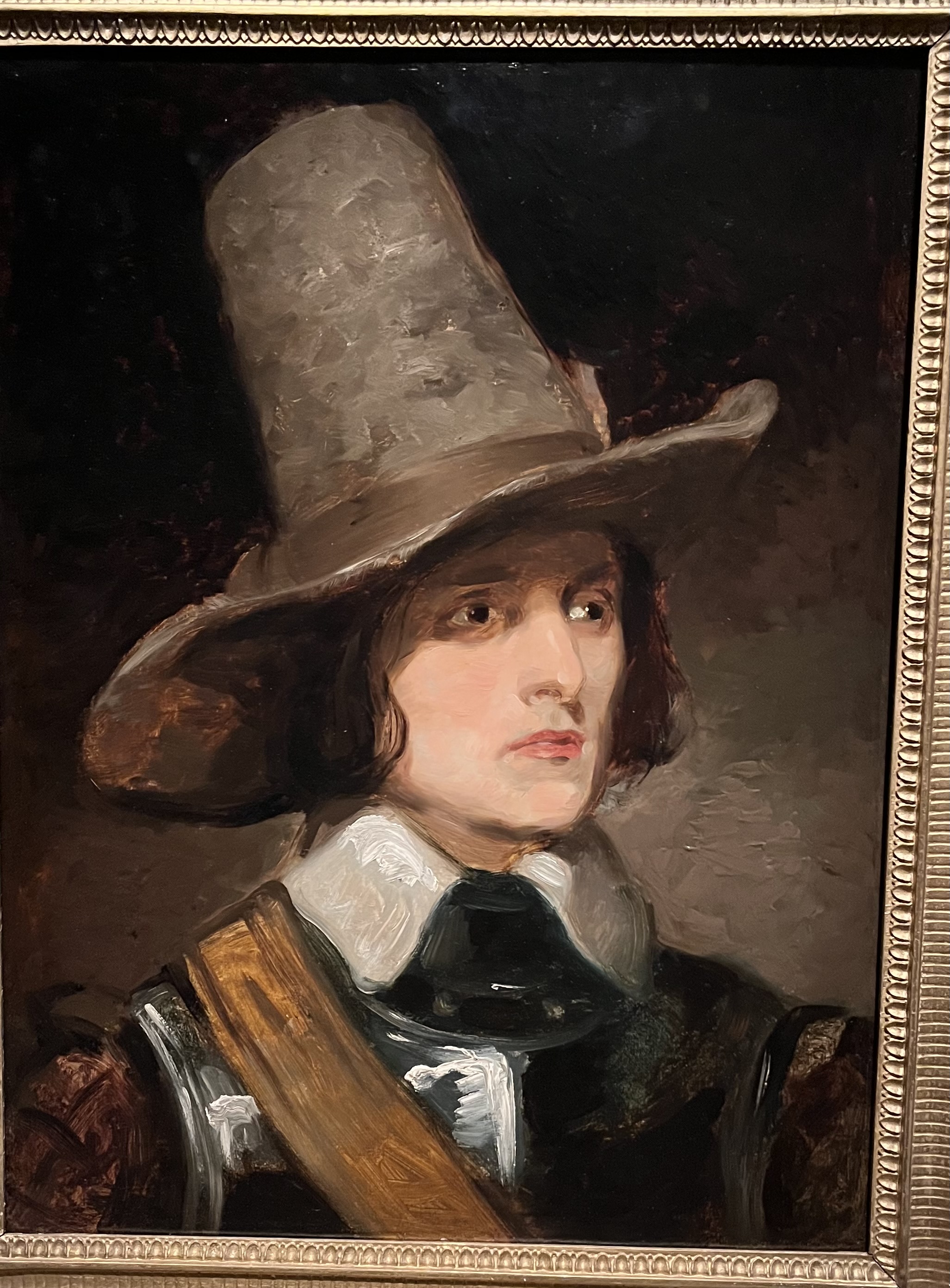
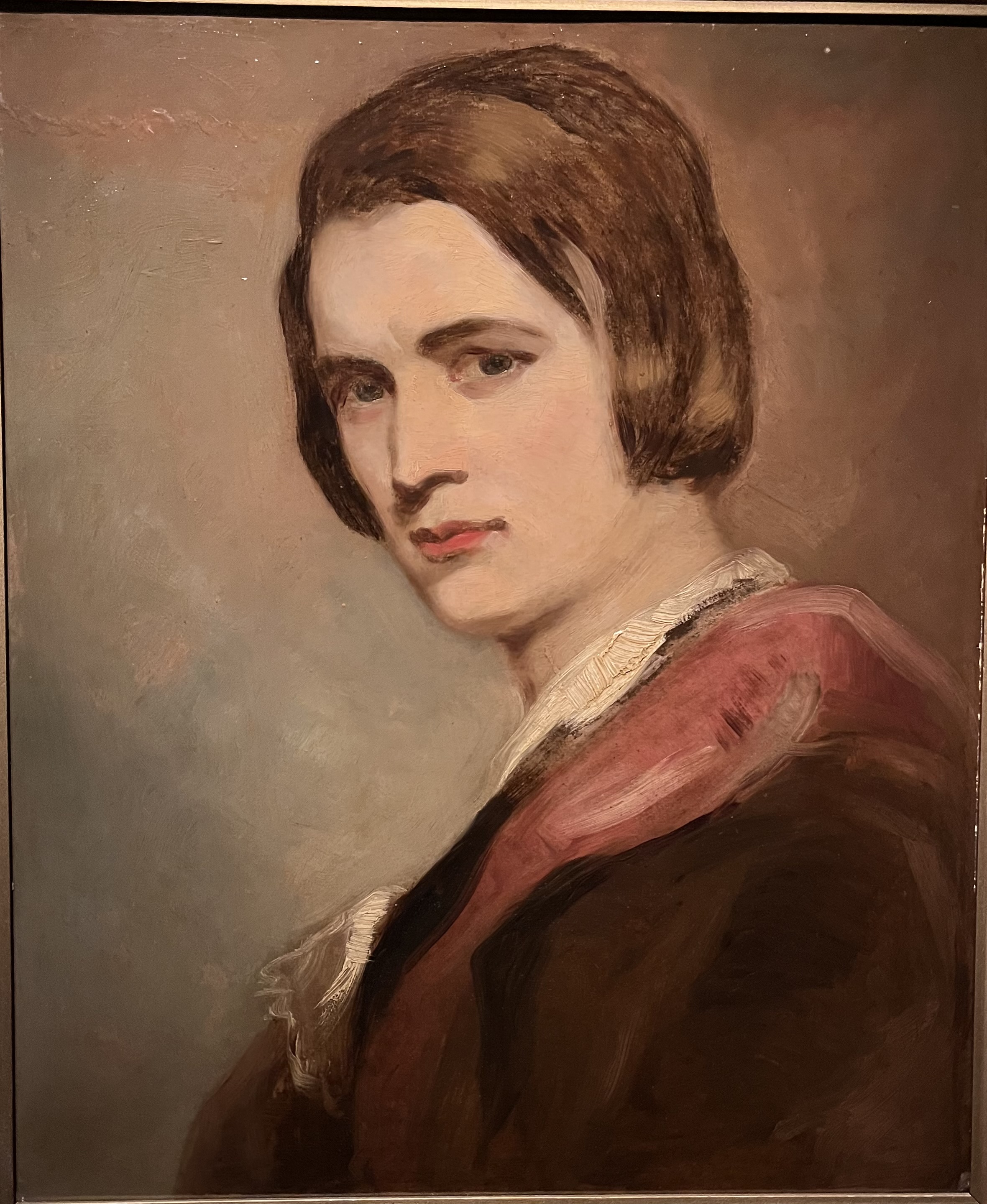
(The chap in the big hat is another artist and friend of Dadd’s who rejoiced in the name of Augustus Leopold Egg. The fellow in the adjacent picture with the strange longish hairstyle is a self-portrait of Dadd.)

RA Summer Exhibition 2024

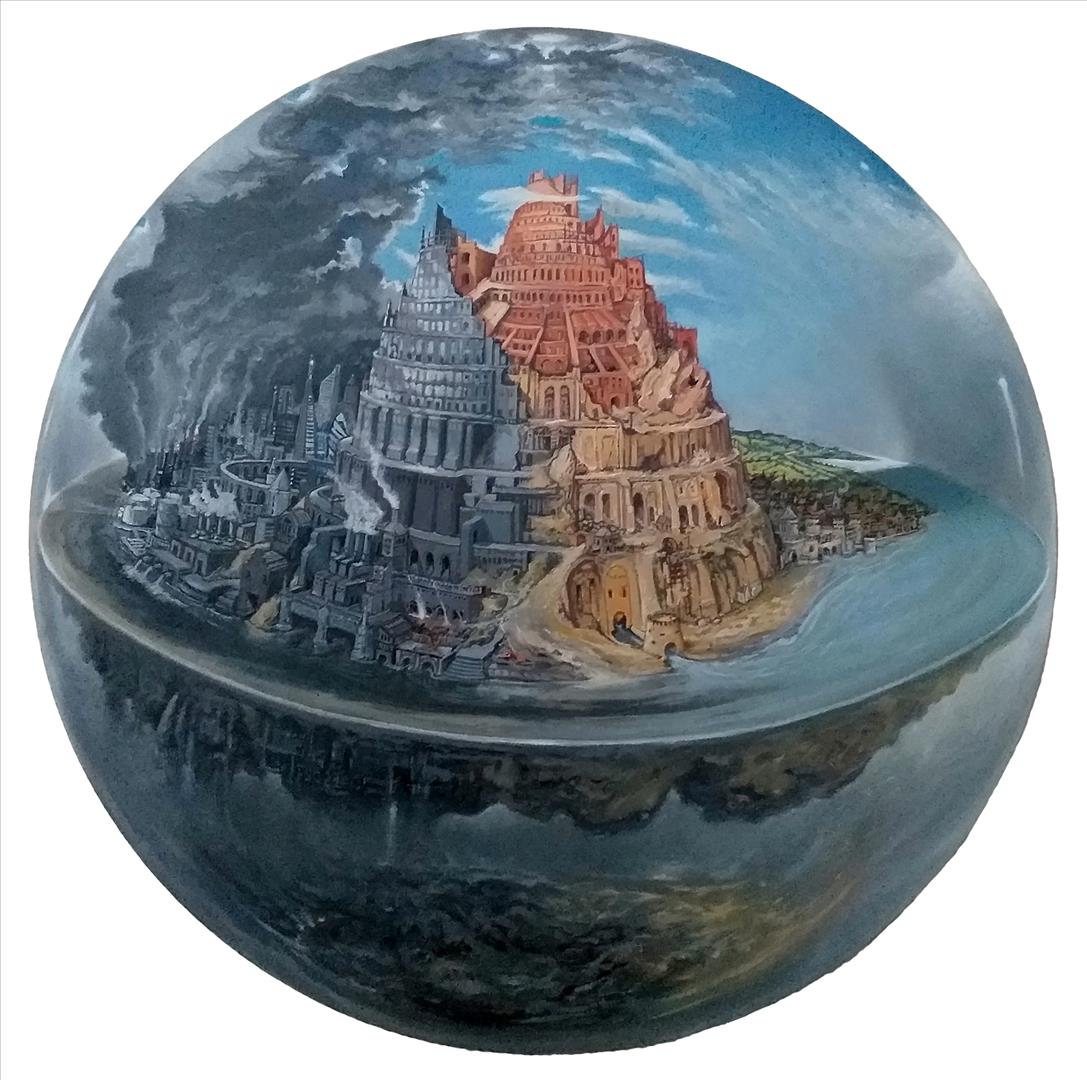
What to do about the Royal Academy Summer Exhibition? Every year members may exhibit up to three works, but there is also an open competition to which anyone can submit a work, and this is the part that captures the public imagination (my late father submitted a couple of his surreal paintings, without success). Most of the pieces are for sale, at prices ranging from less than £250 up to tens of thousands or more. The result is a wildly varied ragbag of every kind of art from the cornily lowbrow to the most opaquely avant garde, and from works of peerless skill to casual daubs. Quite a few of the works on display are jokey or entertaining novelties. The Academy likes to show as many as it can, so some small pictures are left way up the gallery wall where they cannot be seen properly. It’s all sort of fun, but it isn’t coherent or representative and not much is memorable.

No information about the artists is given beyond their name, and if I were in charge, this is what I would change. I would give a picture and short bio of each artist beside their work. This year’s pieces would be low on the wall, with the opportunity to show others by the same artist directly above, with each vertical space reserved for one artist. I think a little context like this would make the whole thing more interesting.

That would mean fewer artists on the walls, but I would compensate with a big online show, which would also be displayed on screens in one gallery.

That’s that sorted out.

Spanish Treasures

‘Spain and the Hispanic World’ at the Royal Academy is a mixed bag which doesn’t really aim for a coherent view but presents a large selection from the American Hispanic Society’s collection (I believe their building is being refurbished at the moment). There are works by El Greco, Velasquez and Goya as well as other items whose interest is more historical or even ethnographic. There are fascinating maps and they also have a fine set of knockers on display (thank you, I’m here all week).

Goya’s large painting of the Duchess of Alba (‘The Black Duchess’ – he also did a white one), used on posters for the exhibition, is interesting. You notice she is pointing down, and at first I thought she was drawing attention to the remarkable shoes she is wearing, which are silver and sharply pointed. In fact, there is a message written in the sand at her feet: ‘Only Goya’ it says. Goya treasured this picture and kept it for himself. Hmm.

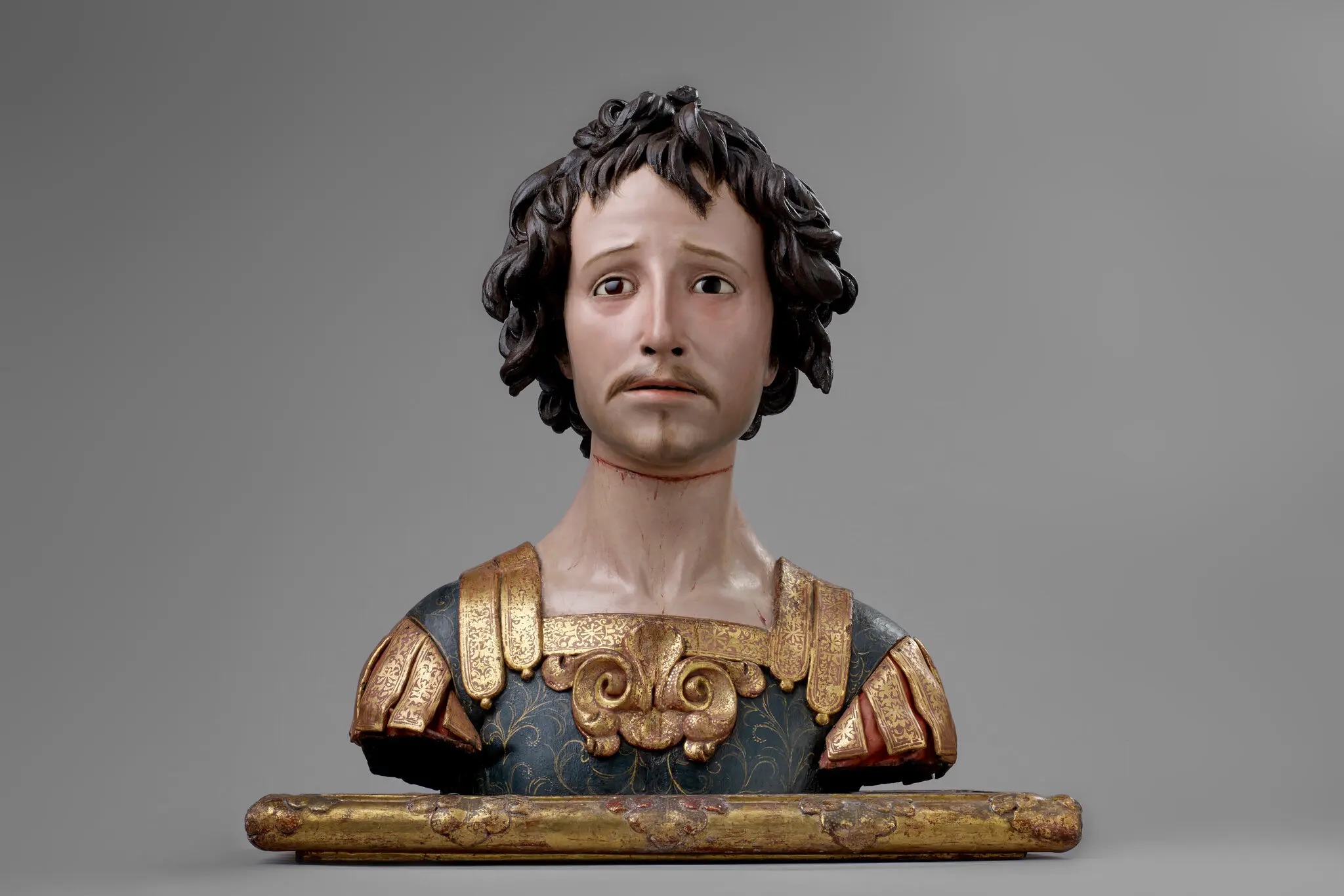
We also have a remarkable bust of Saint Acisclus, life size and unsettlingly realistic. The saint’s expression, which seems to change slightly when viewed from different angles, expresses a curiously anaemic distress at his head being cut off (here indicated only by a delicate red line).

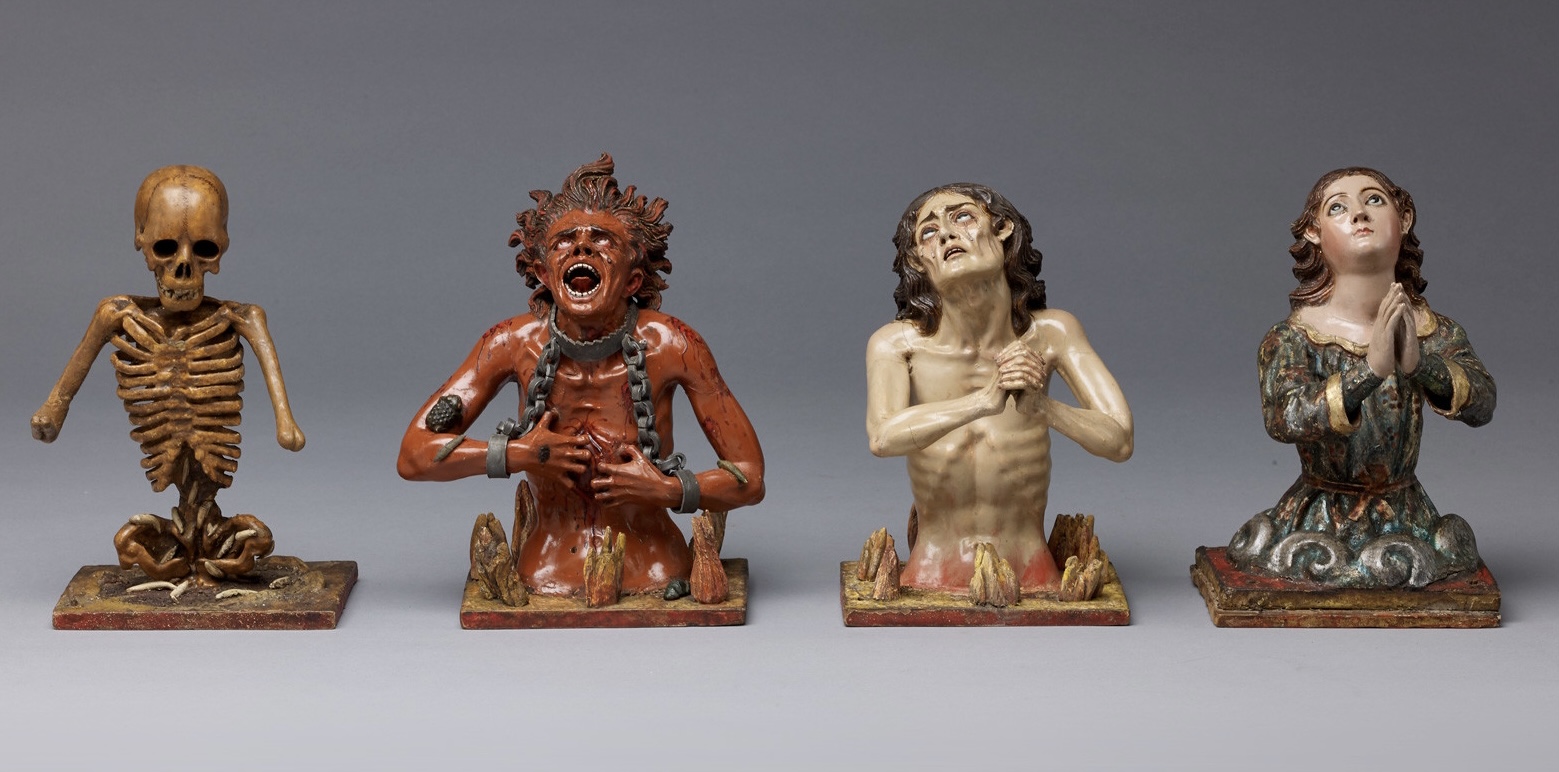
Also memorable is the set of little pieces depicting the Four Fates of Man (death, hell, purgatory and heaven). Death doesn’t quite fit here: it seems to suggest that total extinction is another option hereafter, which surely isn’t the orthodox view.

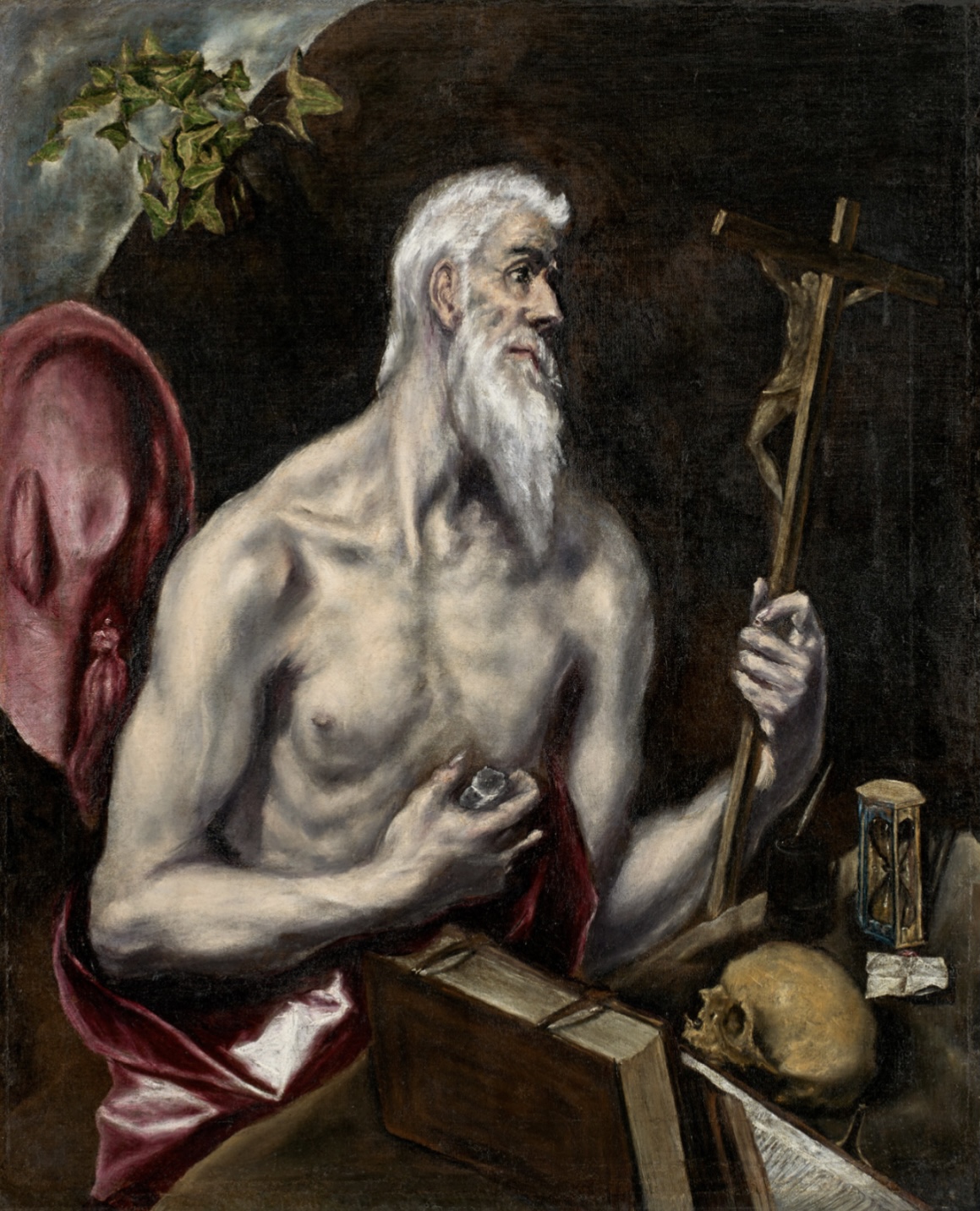
El Greco’s work is always fascinating and here we’ve got good old St Jerome, recognisable by the invariable presence of a cardinal’s hat (though he never seems to wear it). His usual friend the lion is not shown, though. You couldn’t mistake El Greco for anyone else. Did those distortions, that otherworldly sense in his paintings, really come in part from poor eyesight? People have said something similar about Turner.