Turner and Constable
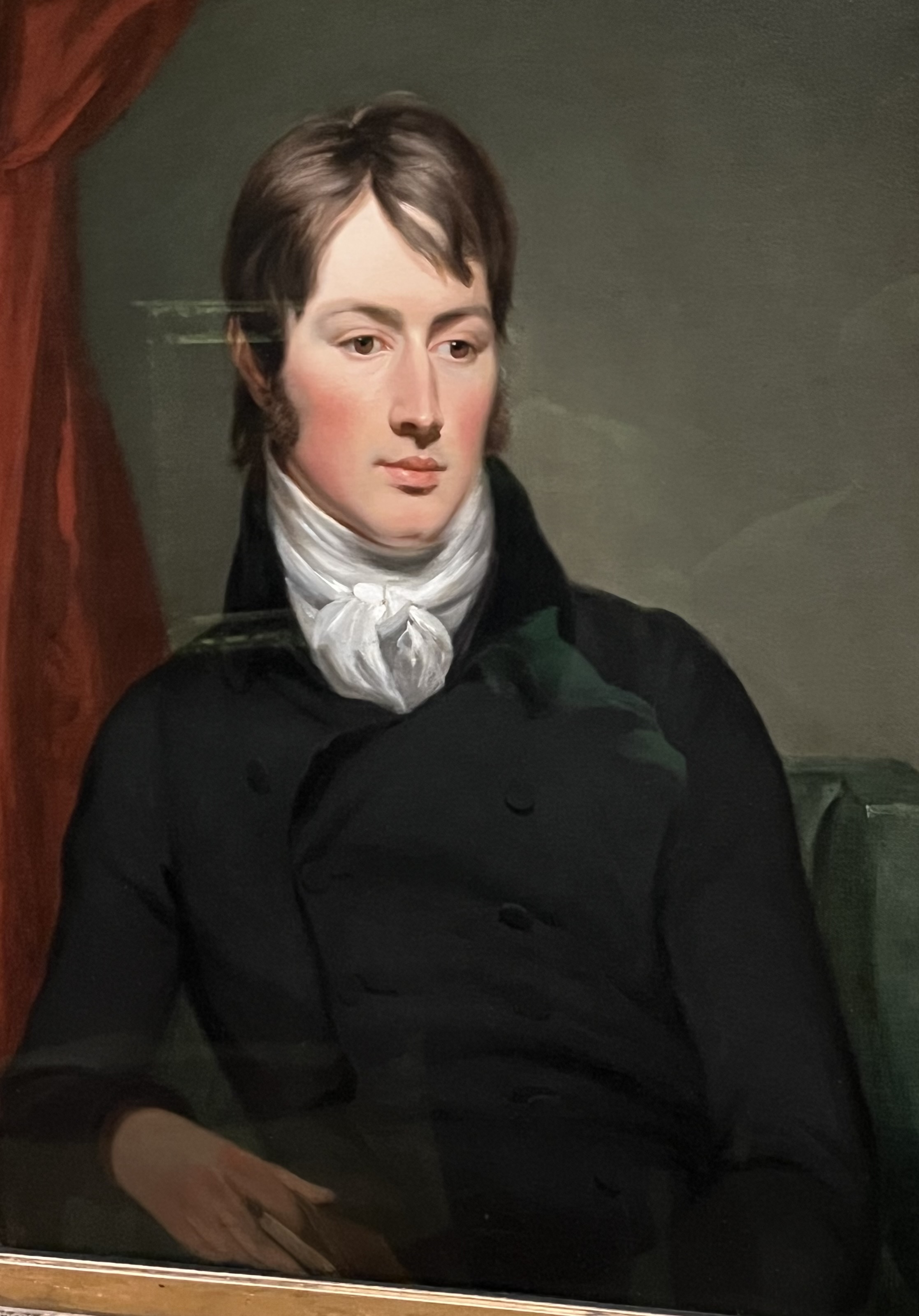
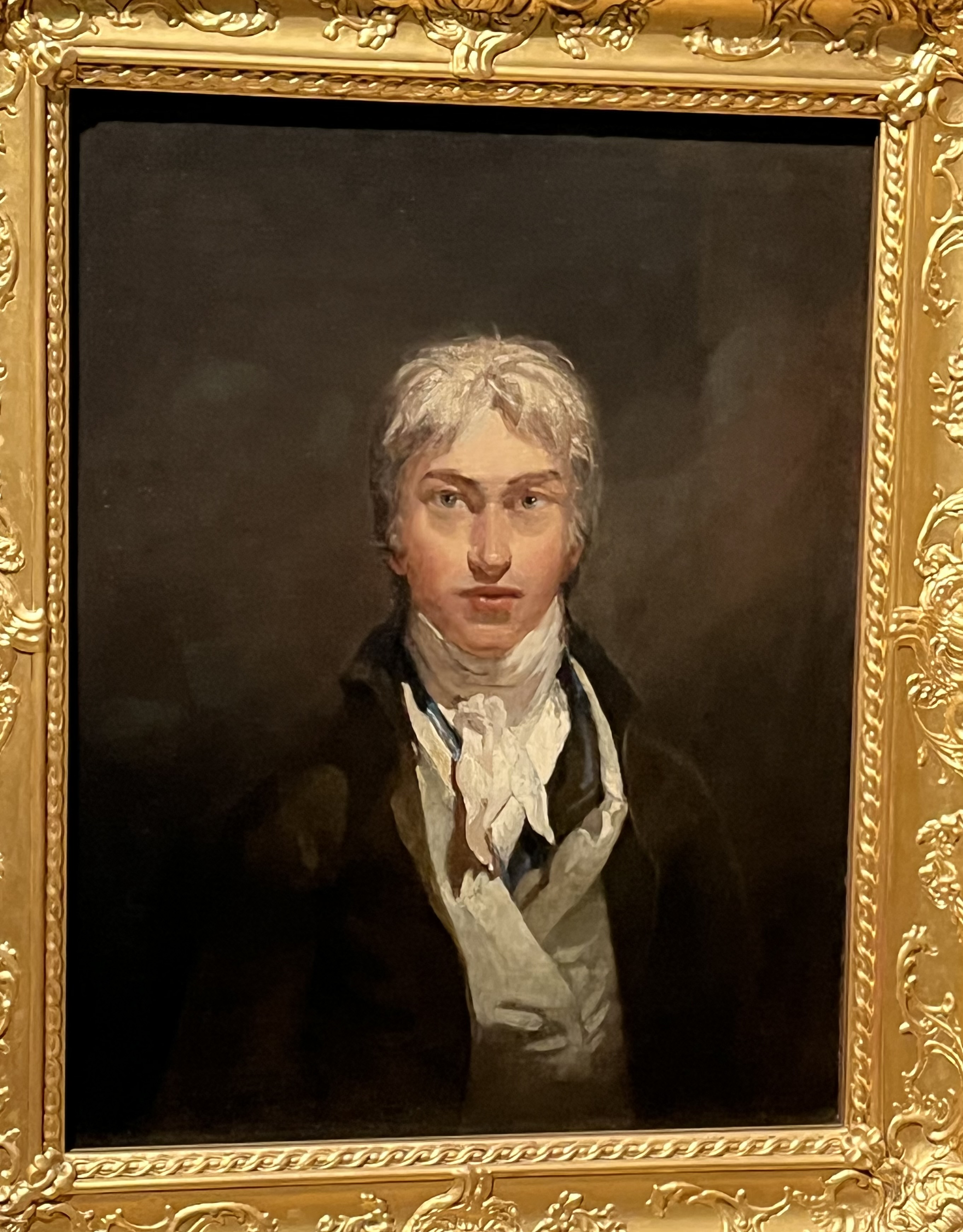
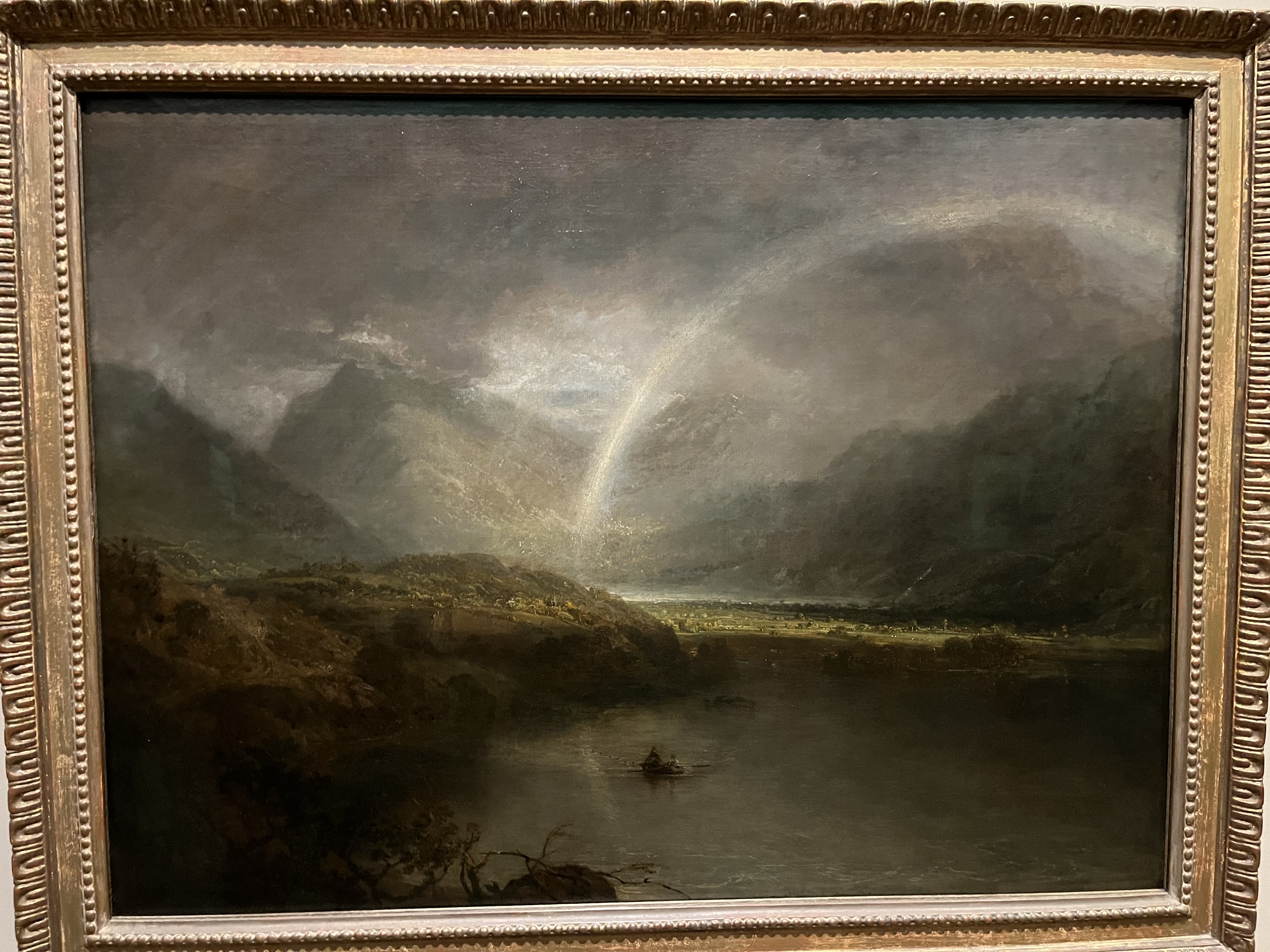
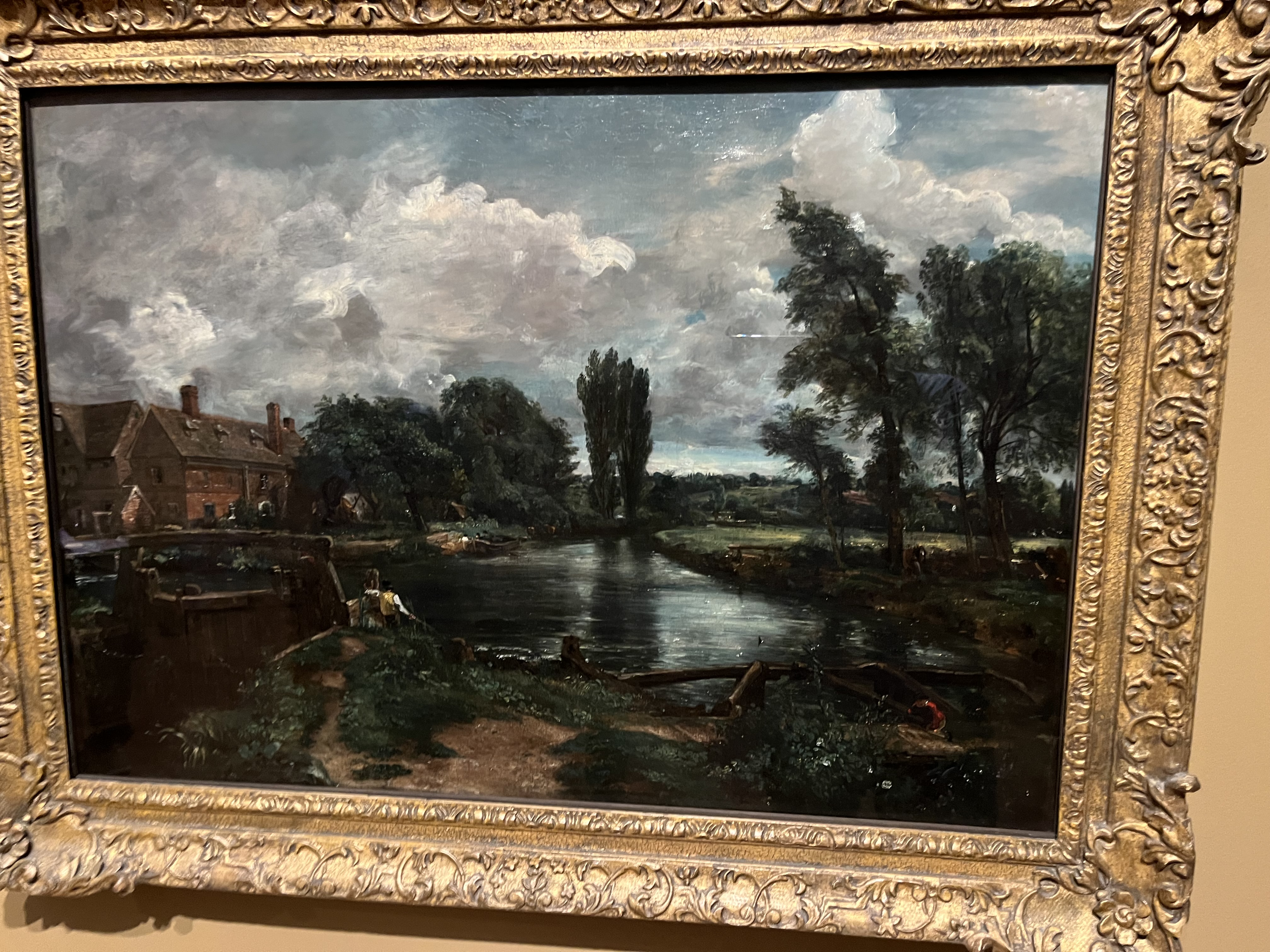
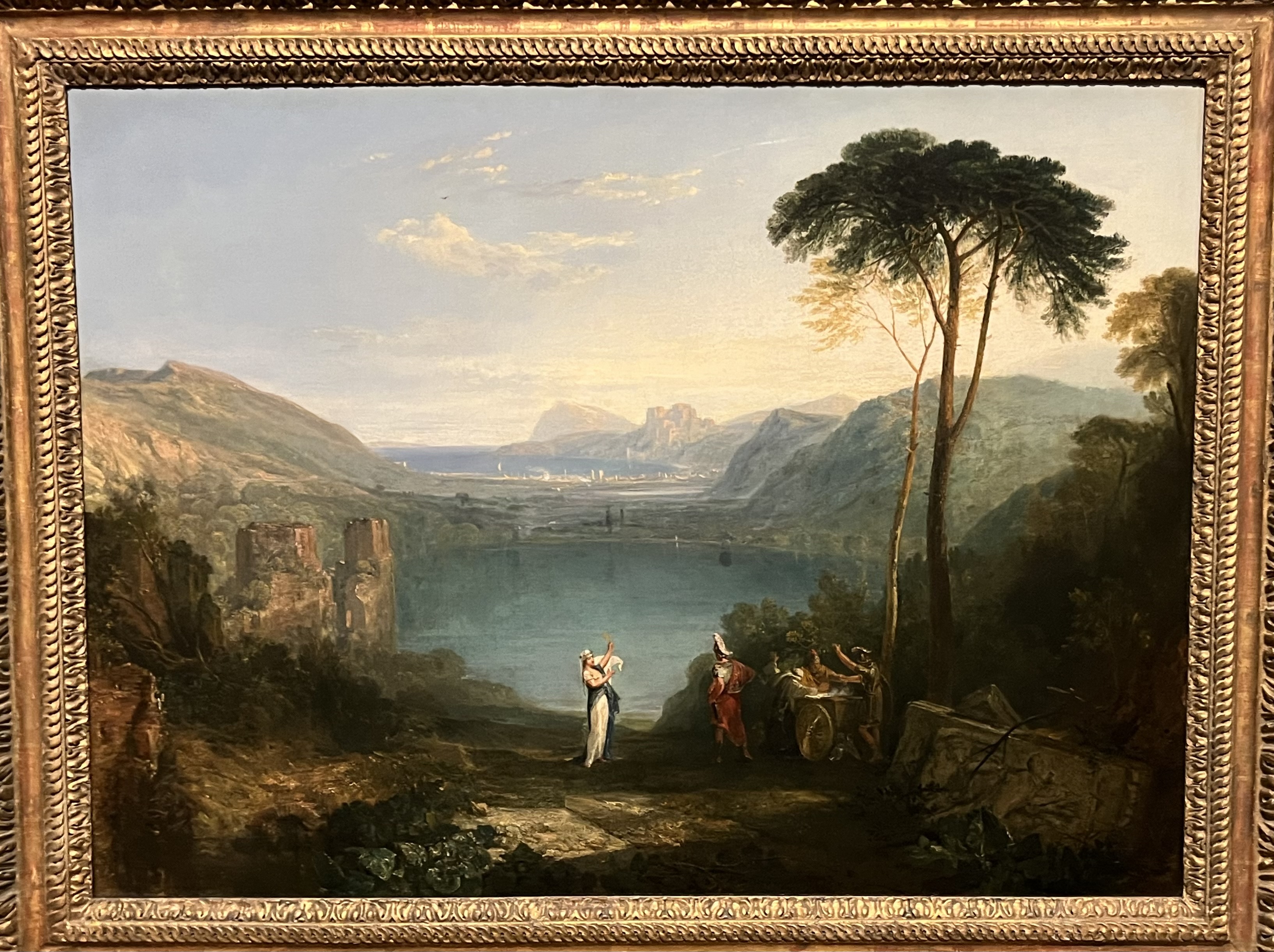
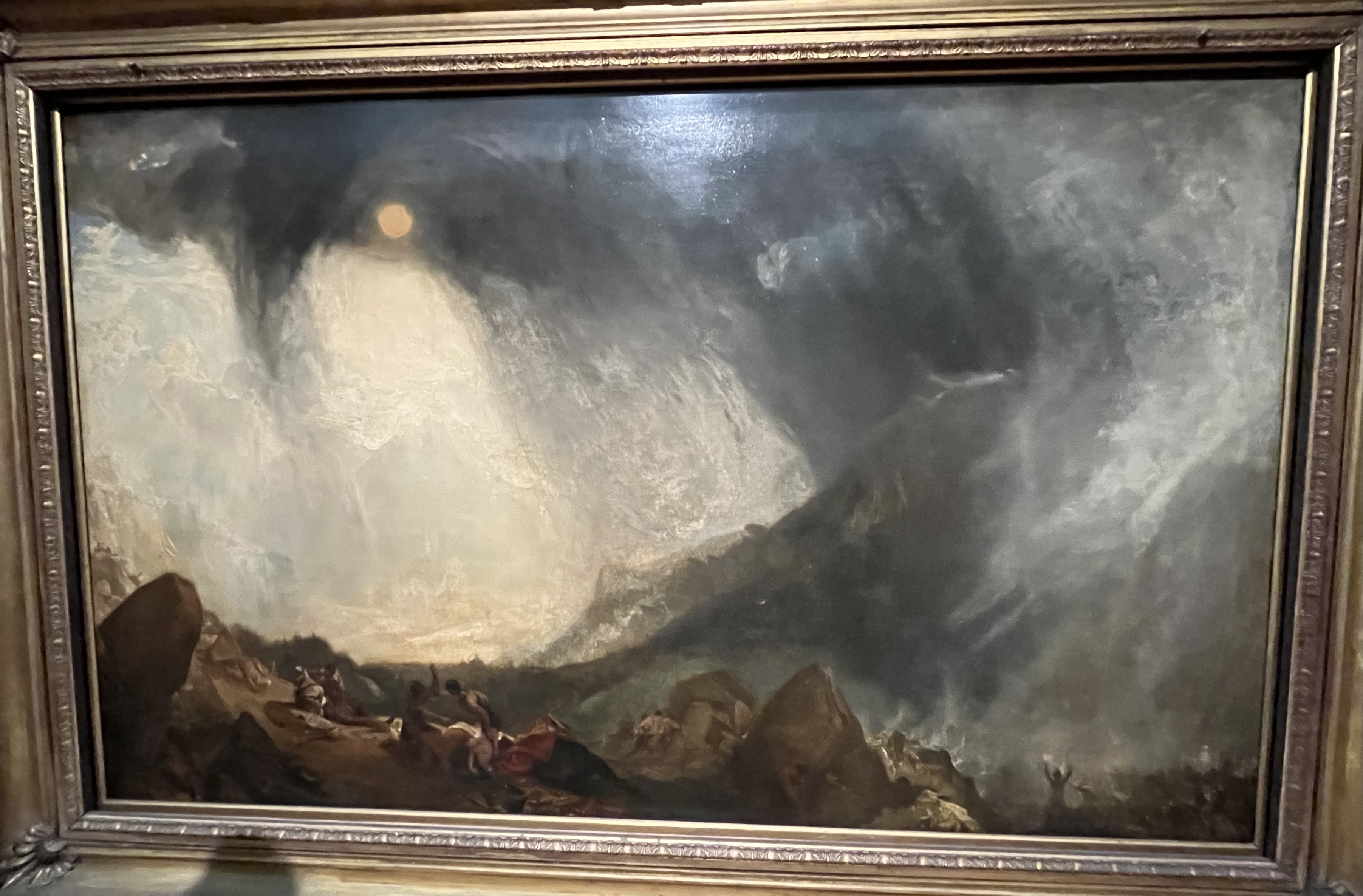
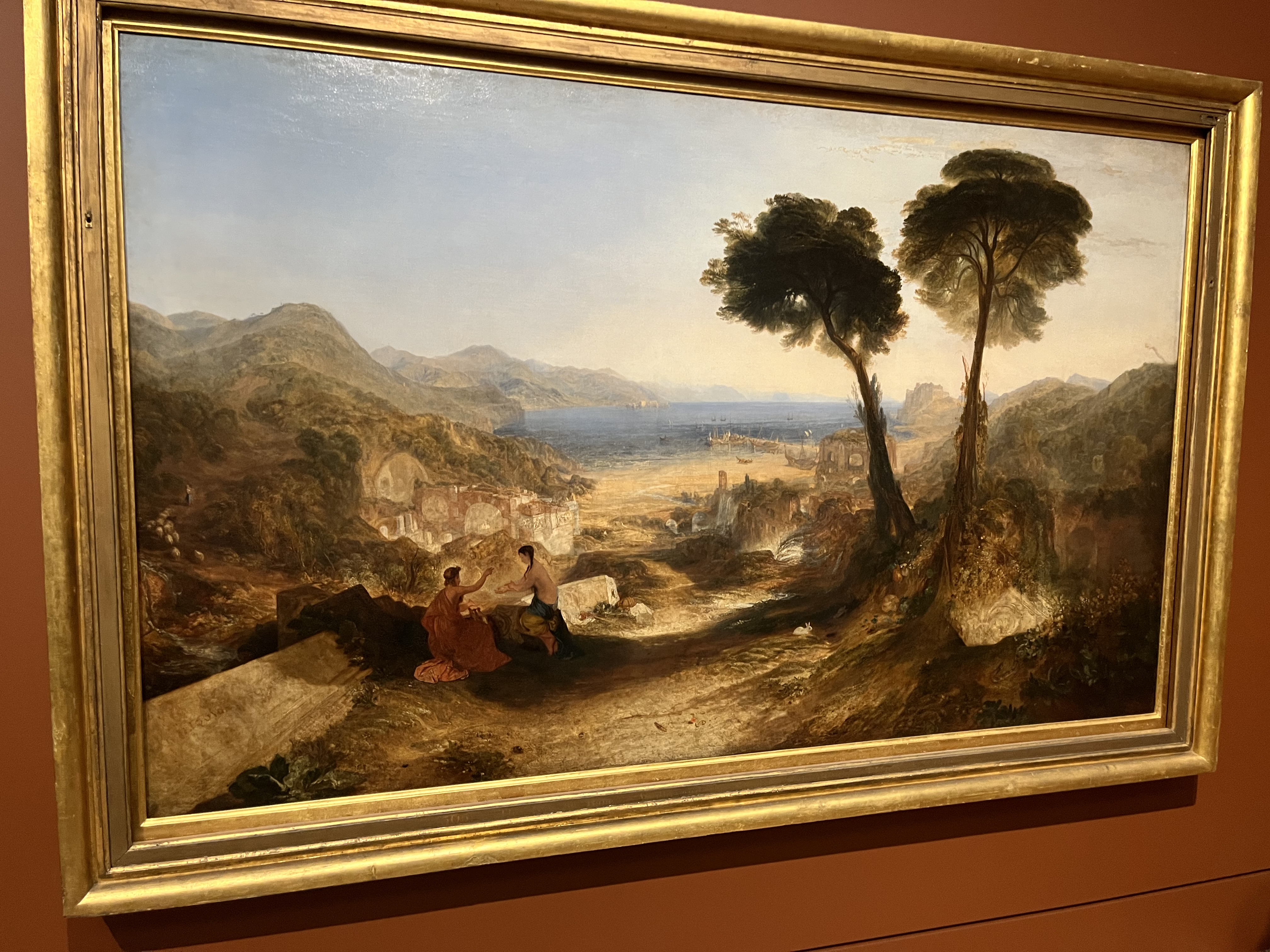
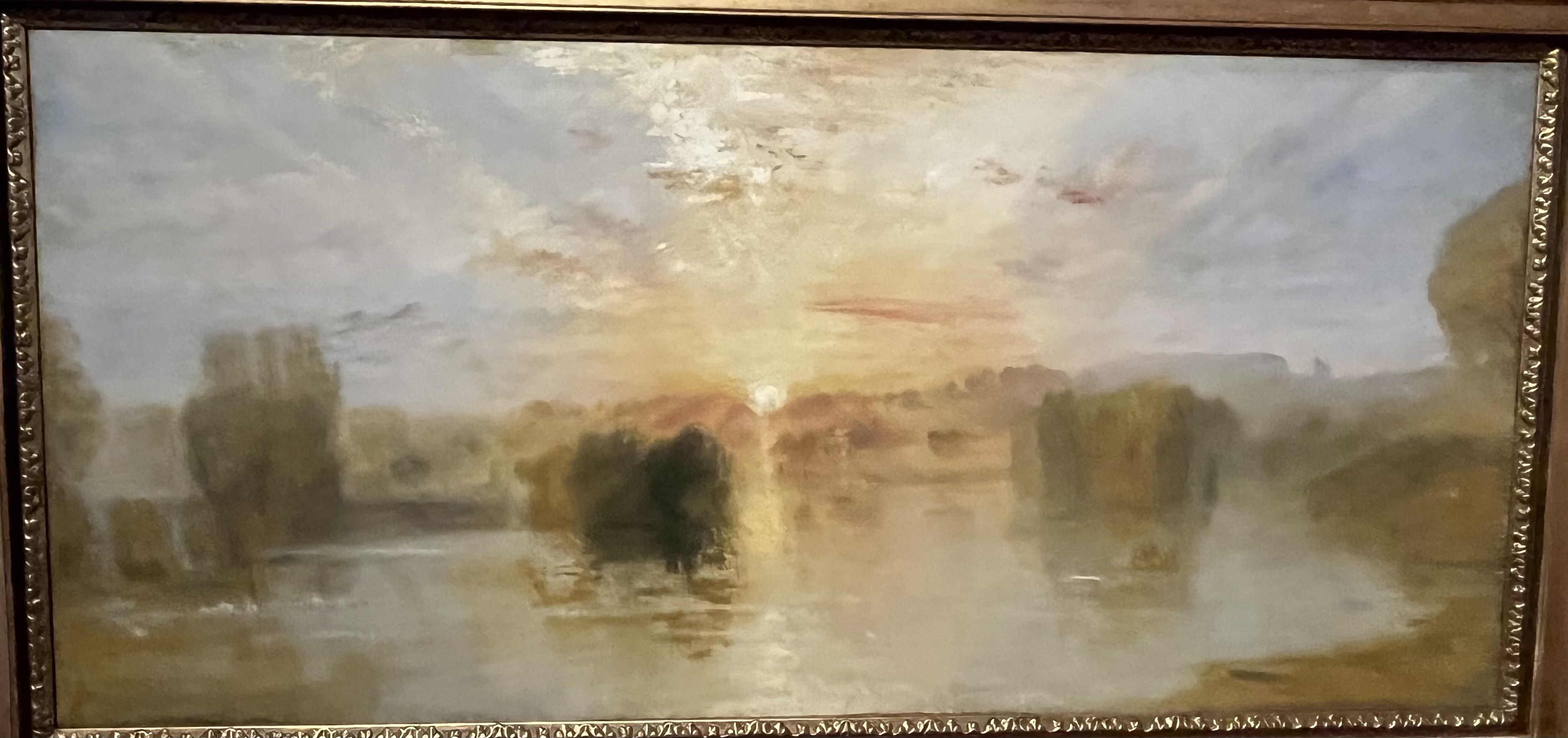
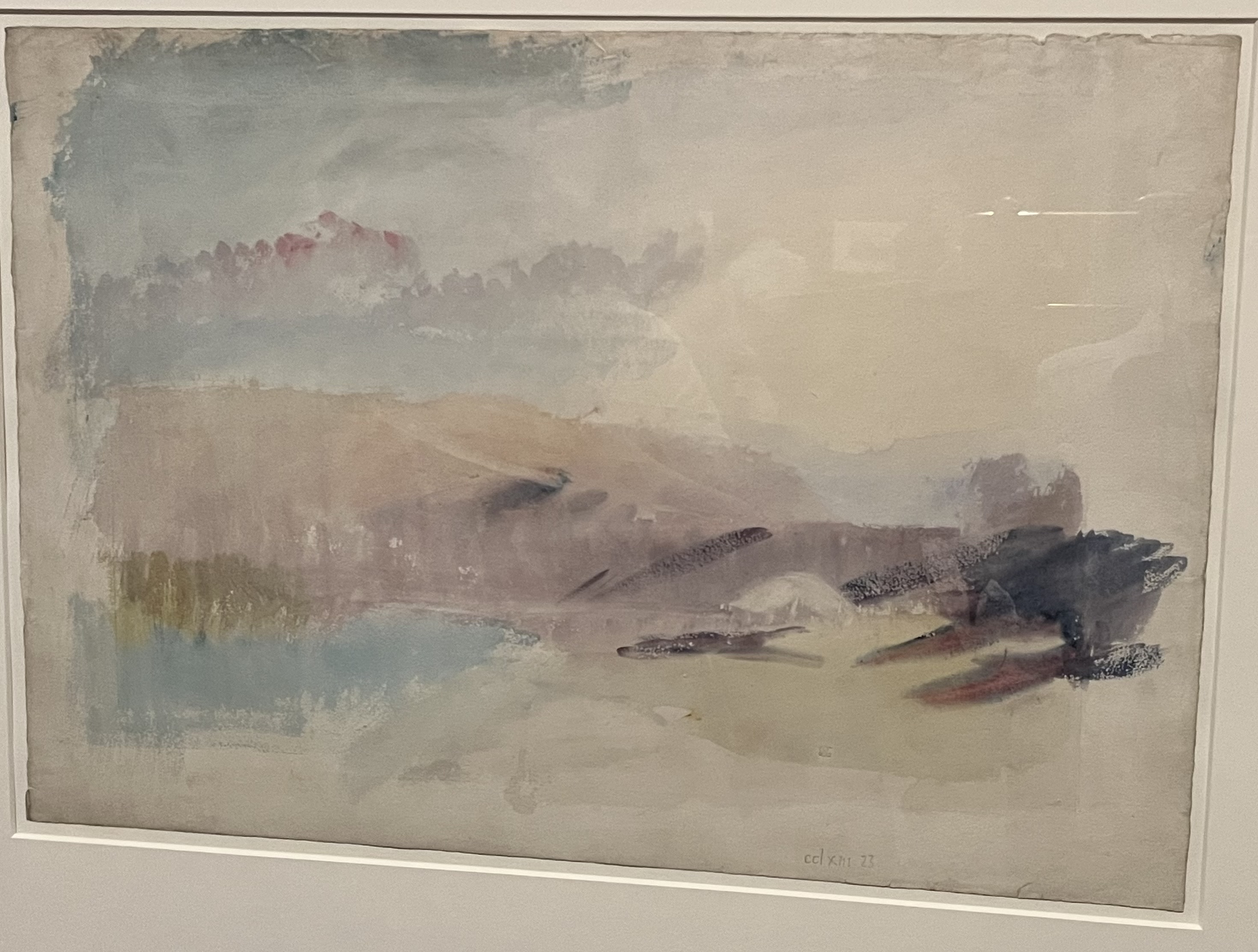
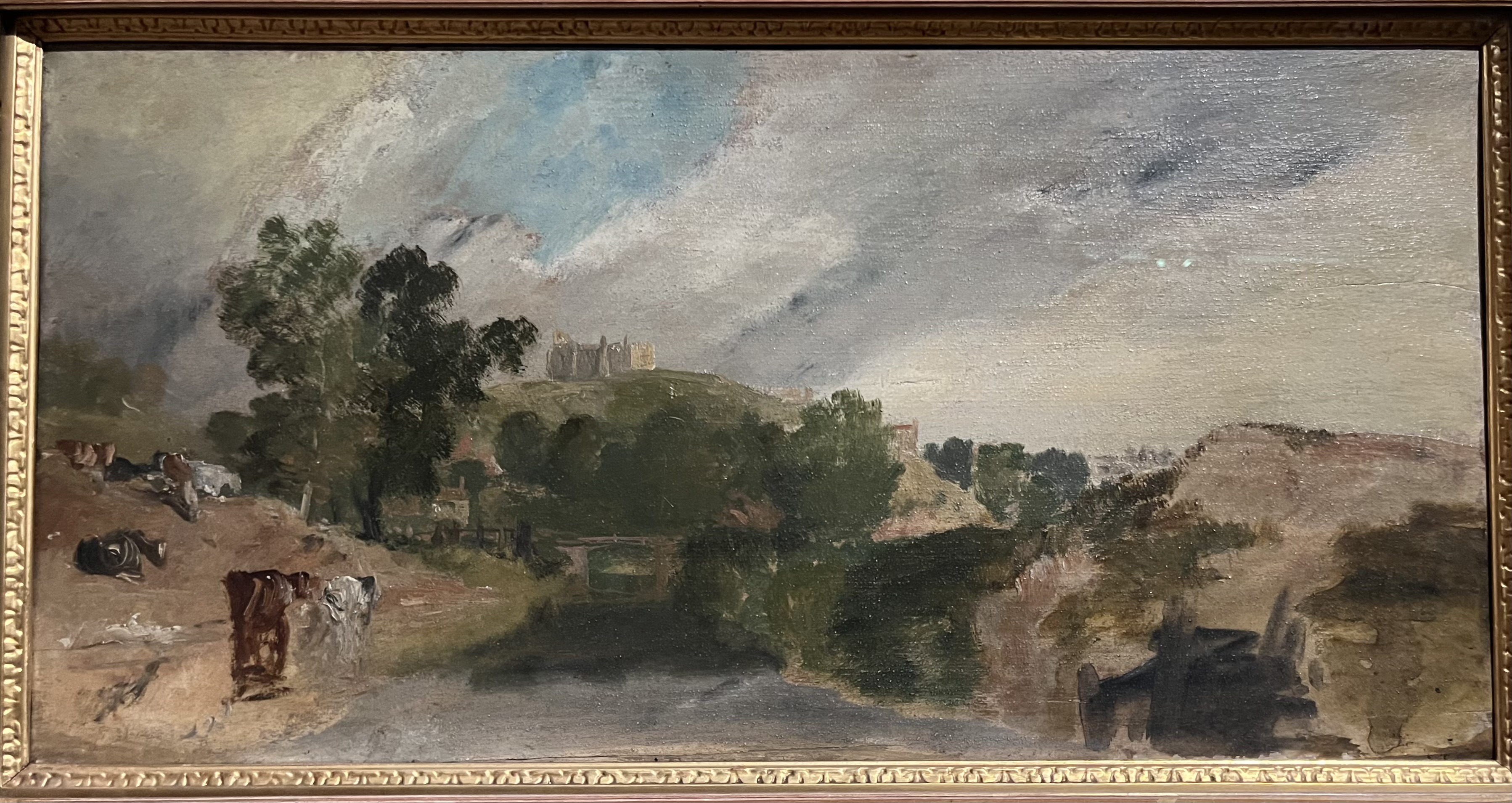
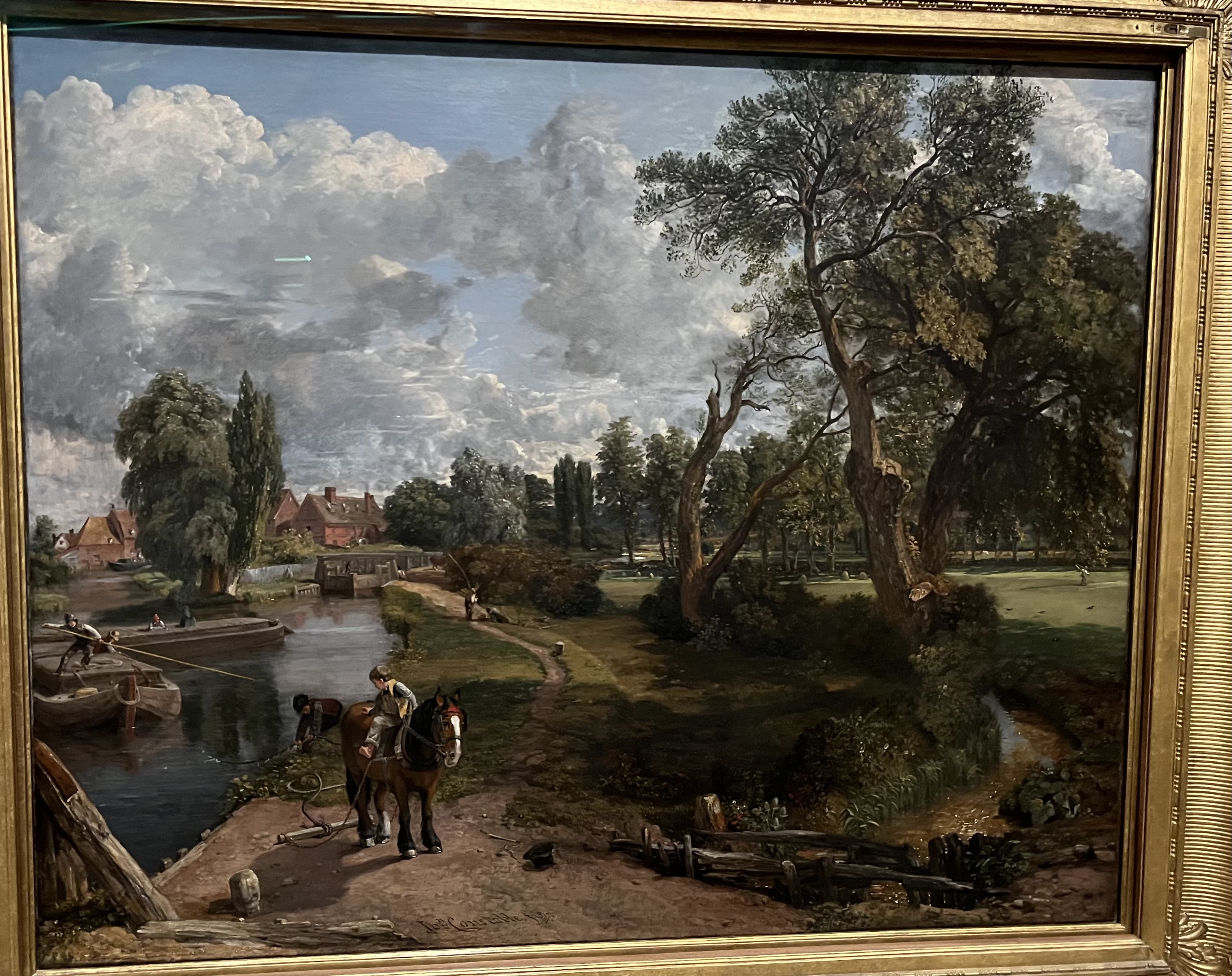
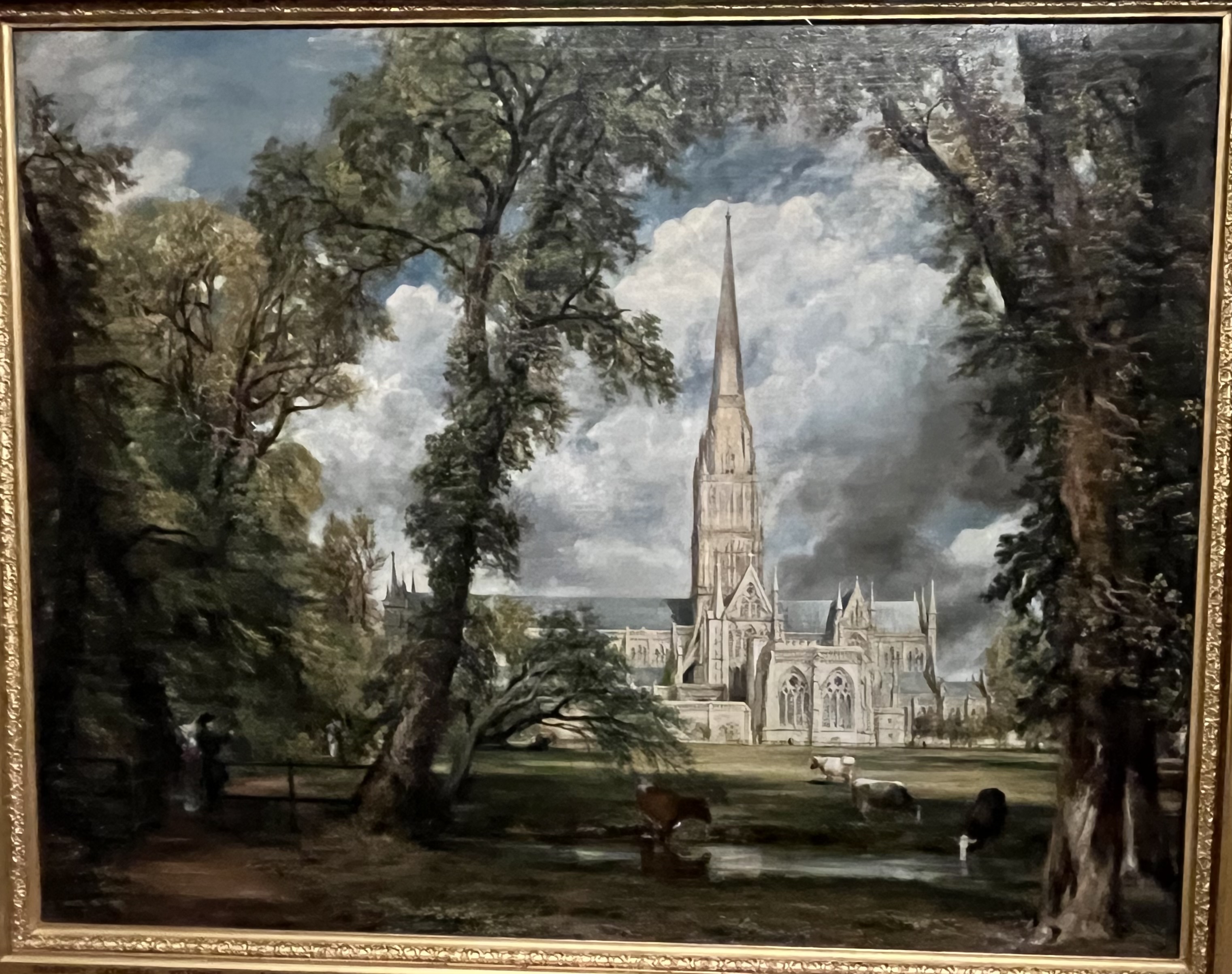
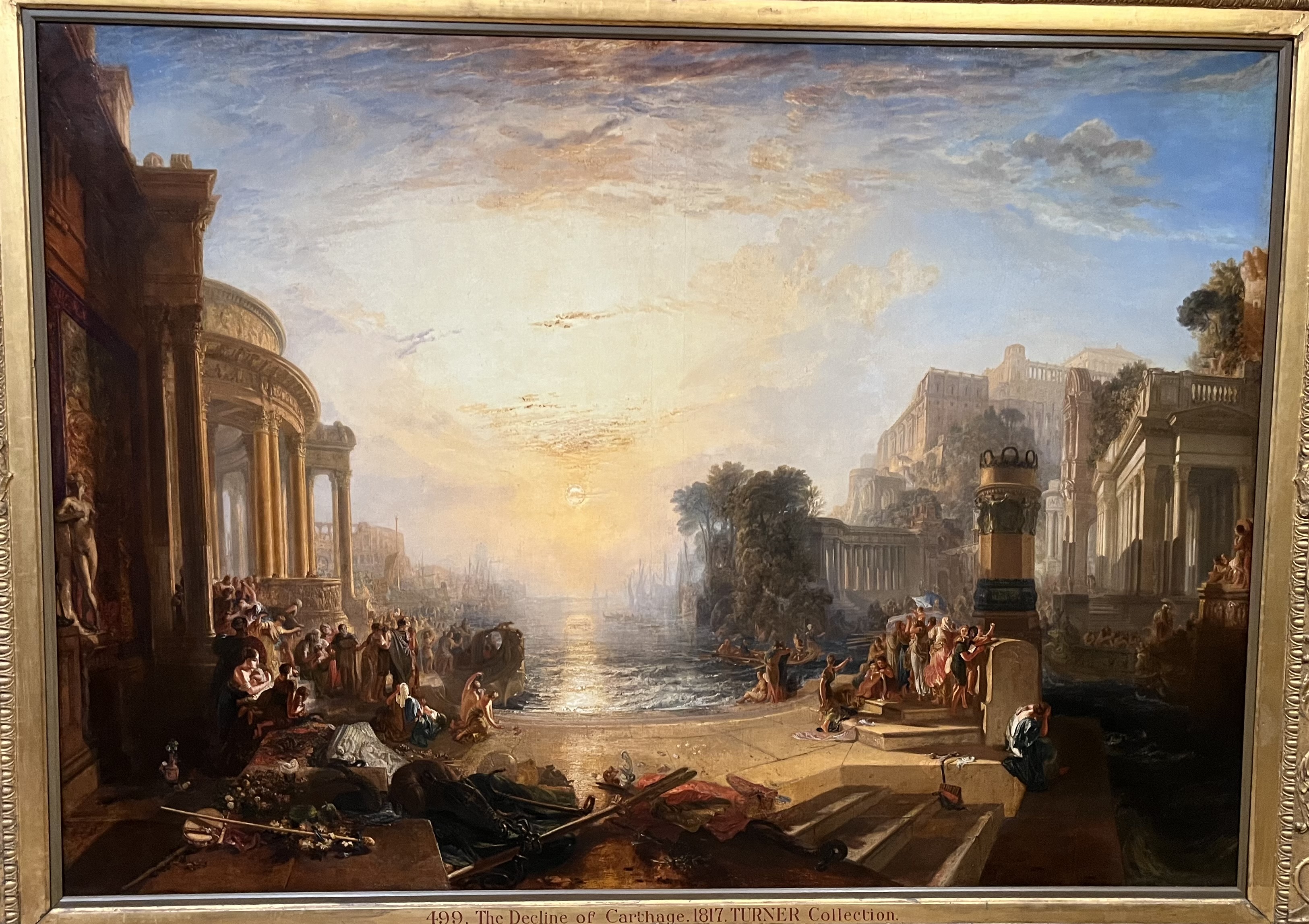
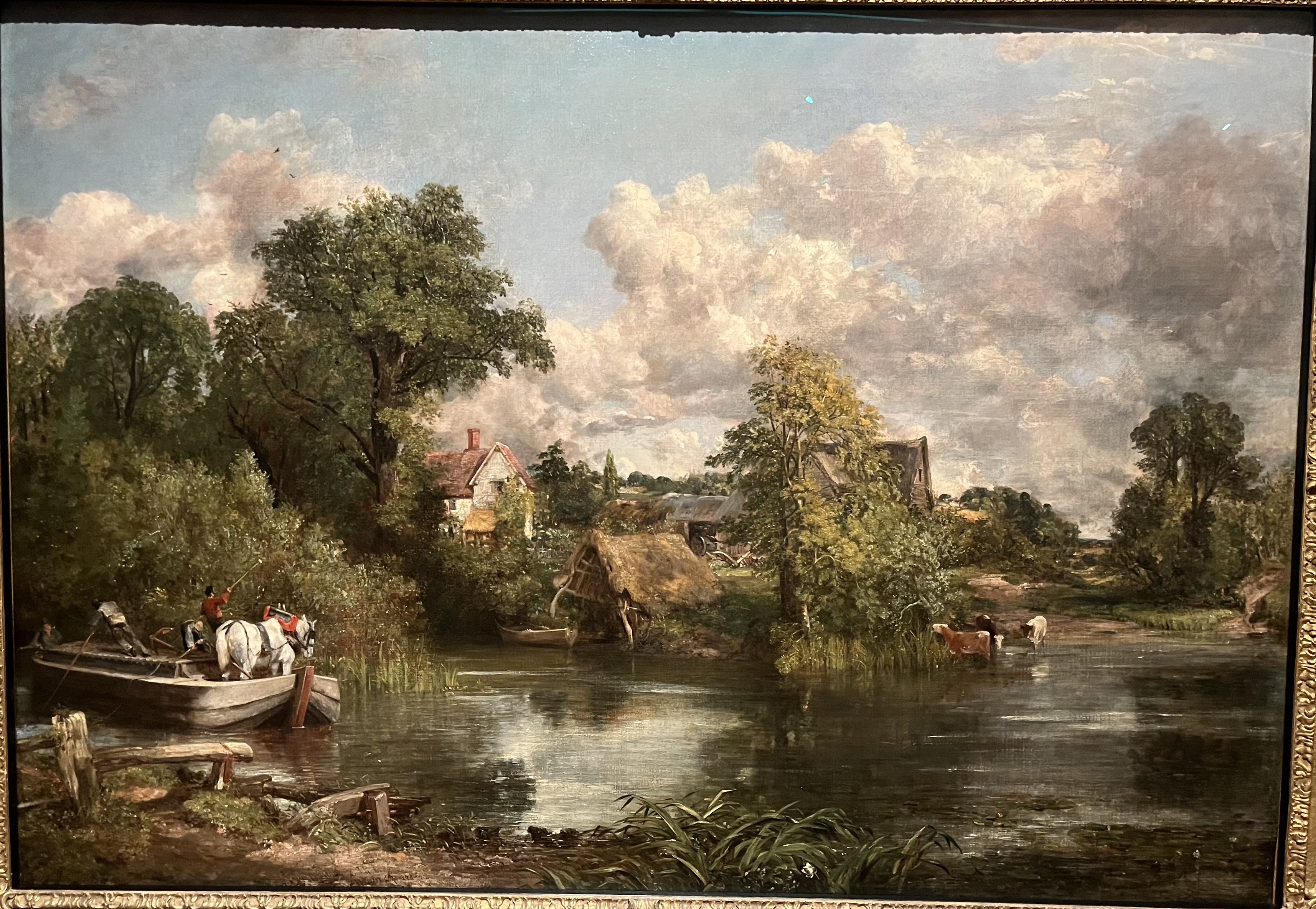
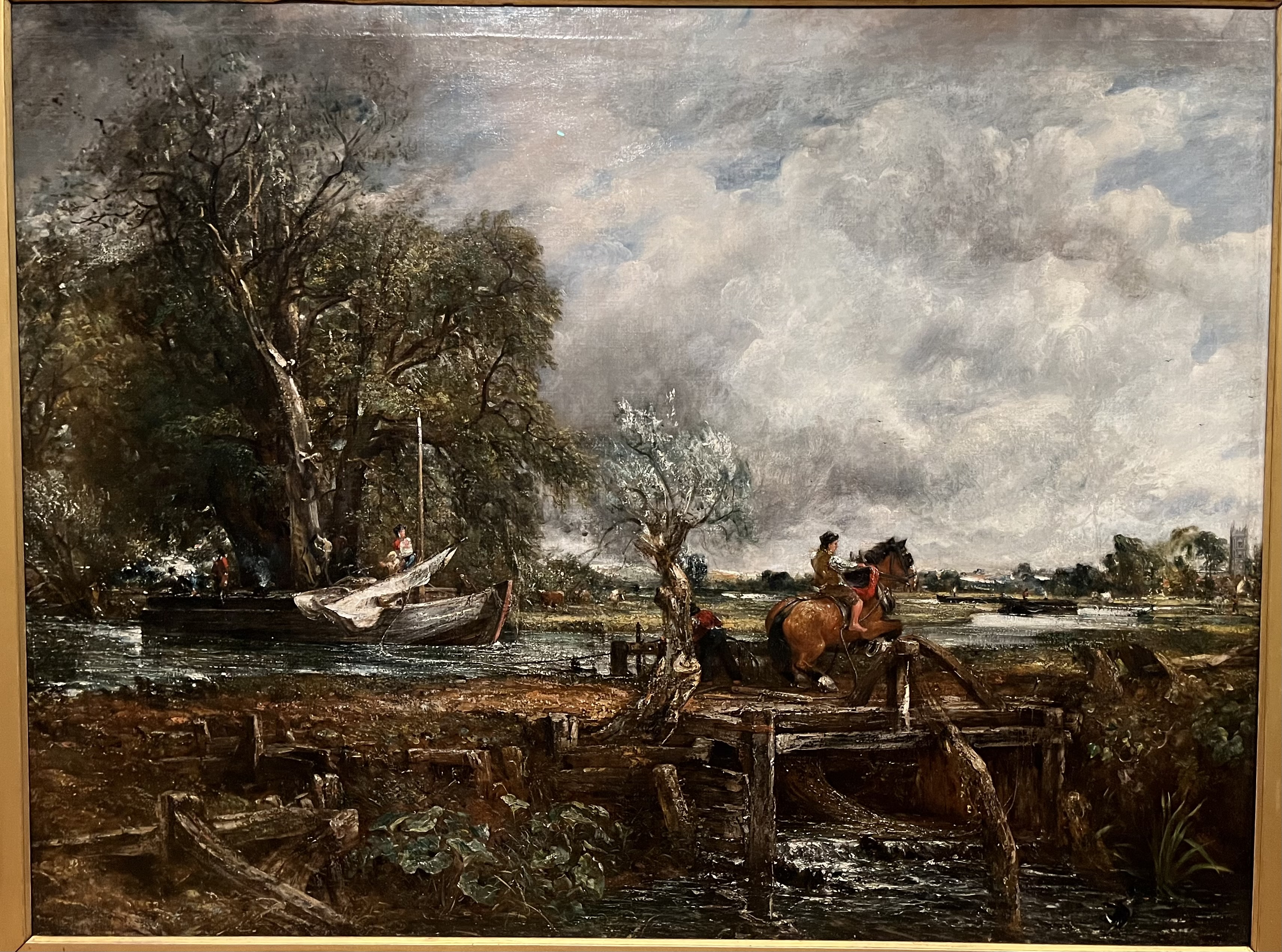
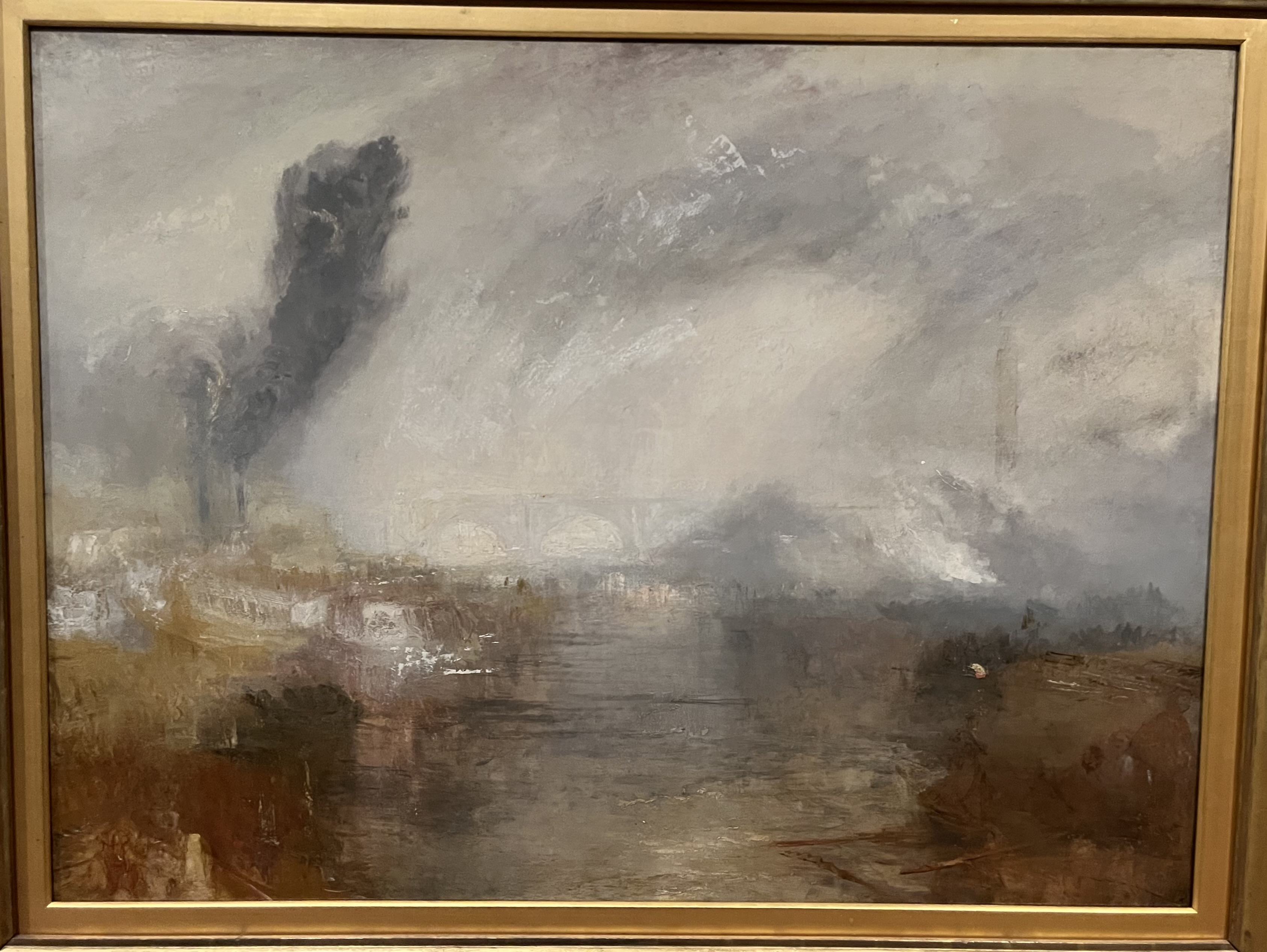
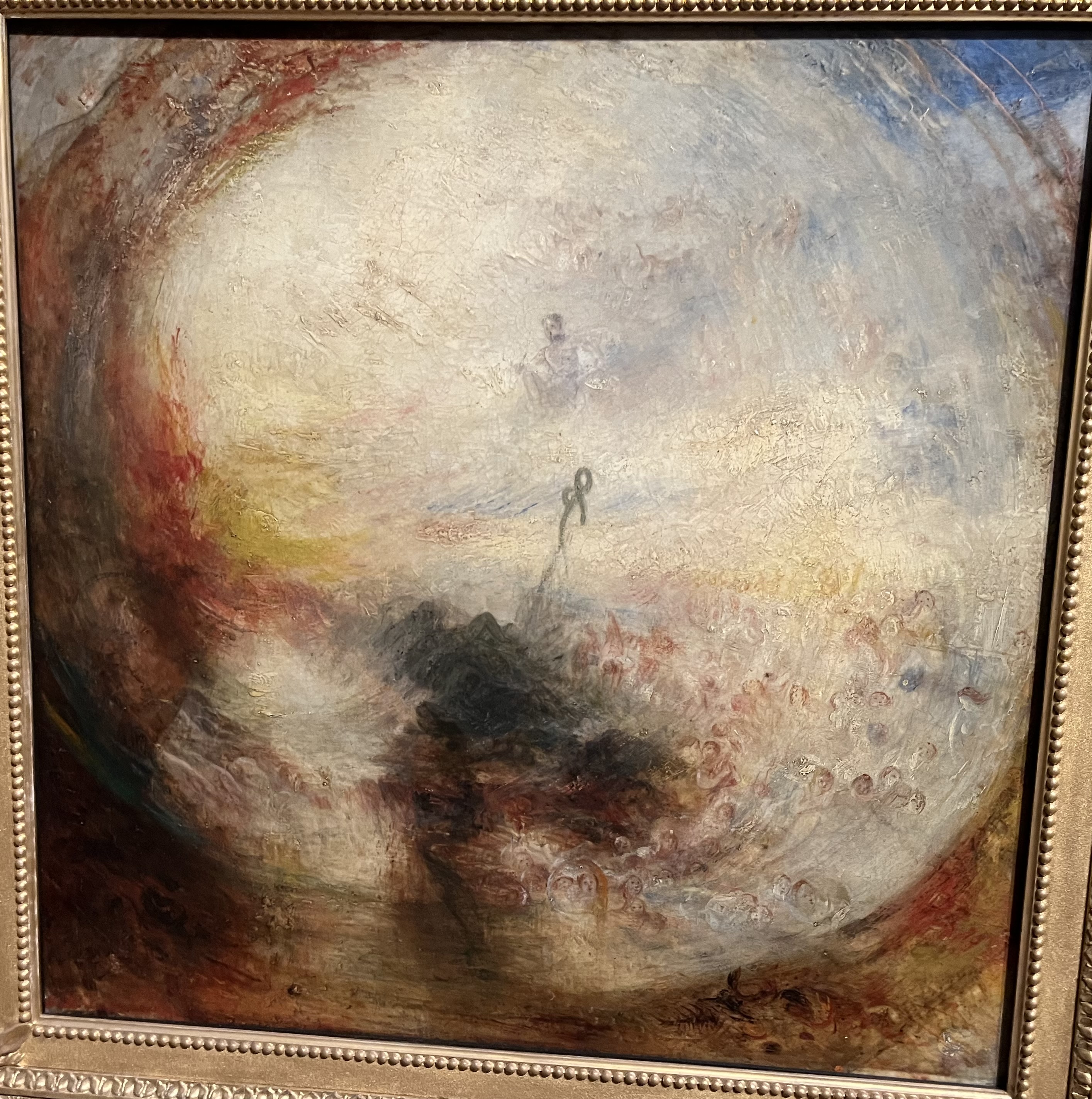
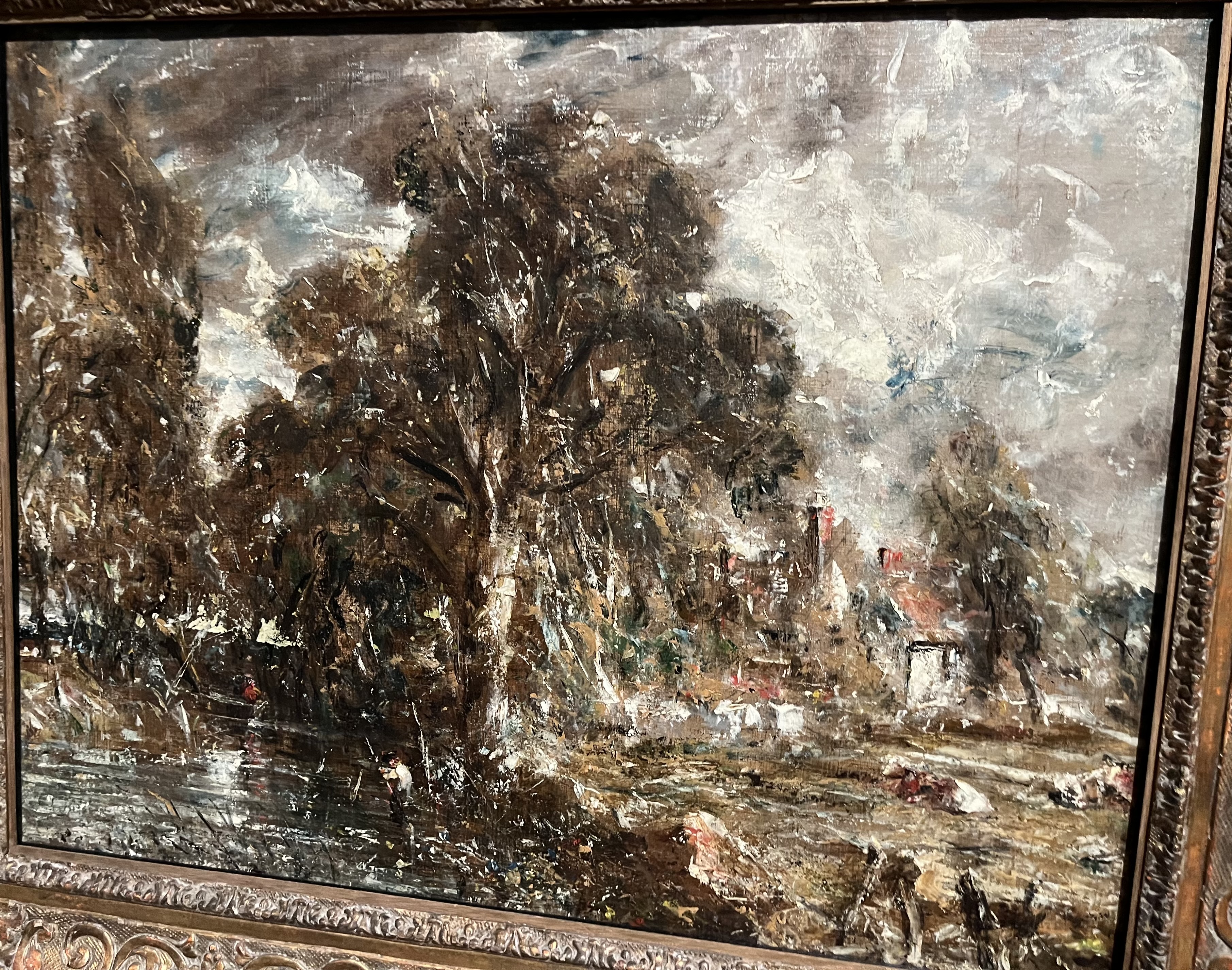
This show at Tate Britain has a fantastic collection of works by both artists (but no Haywain, no Fighting Temeraire). There was a rivalry between the two, who were almost exactly the same age: sometimes friendly, sometimes with an edge. Turner was more radical and achieved recognition much earlier. He travelled more, and was more adventurous both in his range of subjects and in his techniques. Occasionally his love of drama led him to produce paintings that are slightly absurd or virtually incomprehensible (Moses writing Genesis in a weird foggy bubble). Constable’s rural scenes are much safer, but there is an insistence on the real that perhaps veils a hint of darkness. Constable preferred to paint direct from life until he realised that ‘six-footers’, which could only be painted in the studio, were what got him attention.
Turner is often mentioned as a precursor of Impressionism, but here we can see that Constable was also given to a free, loose style, especially later on in his career. When the Pre-Raphaelites came along, all of that was dumped: though they respected the older painters’ attention to Nature, they rejected ‘sloshy’ painting in favour of sharp edges and a realism filled with clear detail. I like the Pre-Raphaelites, but this exhibition makes it seem they took British art down a dead end, diverting it away from what might have been a British school of Impressionism and some memorable art.
 Seen and Done