Author: Peter
I'm a retired civil servant in Surrey, UK. and long-time blogger at Conscious Entities. These days I'm spending more time writing stories and doing other creative stuff
Sloe Progress
Francis Bacon: Human Presence


We went to the current exhibition at the National Portrait Gallery. People sometimes see a problem with the NPG’s remit – are they meant to collect paintings by famous artists or of famous people? But this show is unimpeachable, foregrounding an important aspect of a major artist’s work.
Bacon’s work never stopped being figurative, but he smooshes views in a way that combines and gives a sense of observer motion. It seems he often put one person’s head on a body painted from photographs of someone else. There’s also often a sense of horror, with the screaming heads and internal body parts.
The exhibition tellingly brings out his enthusiasm for certain great painters of the past: Velasquez, Rembrandt, Van Gogh, which helps situate an innovative painter within the great tradition.
The Duchess


The Duchess, starring Jodie Whittaker, is an updated version of Webster’s The Duchess of Malfi. As in the original, the widowed young Duchess secretly marries her steward and has children by him, leading to violent intervention from her brothers, one of whom is a cardinal. A bloody second act leaves pretty much everyone horribly dead (this is John Webster, after all).
Good performances and a suitably stark setting, but the update doesn’t work well. The Duchess’s seduction of her steward is played for laughs, which makes it hard to accept later on that this is a passion people will die for. The characters are given a sweary, casual, 21st century manner, which makes their Jacobean behaviour puzzling, and undercuts the horror of the later scenes. Are they just mucking about? The audience laughs at lines they are meant to take seriously, as if the whole thing were a parody or a historical sitcom.
It may be that the intended message is that our patriarchal attitudes are still all too much like those of the seventeenth century: but the play sort of demonstrates the opposite. These people actually seem pretty weird and keep doing things for no reason a modern, egalitarian mind can grasp. I think Webster needs a kind of claustrophobia and deep passion to achieve his impact, and neither is present here, unfortunately.
Drawing the Italian Renaissance


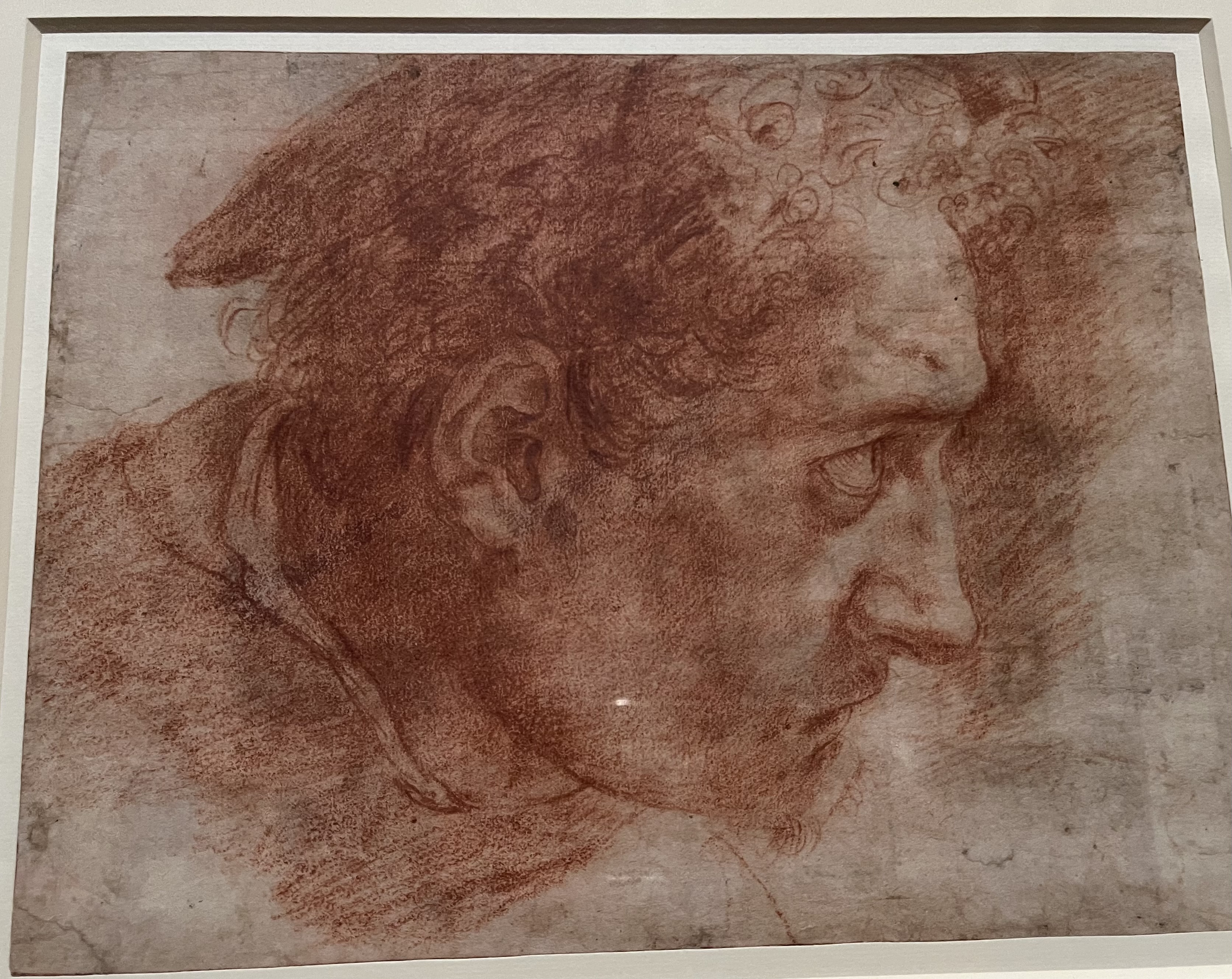
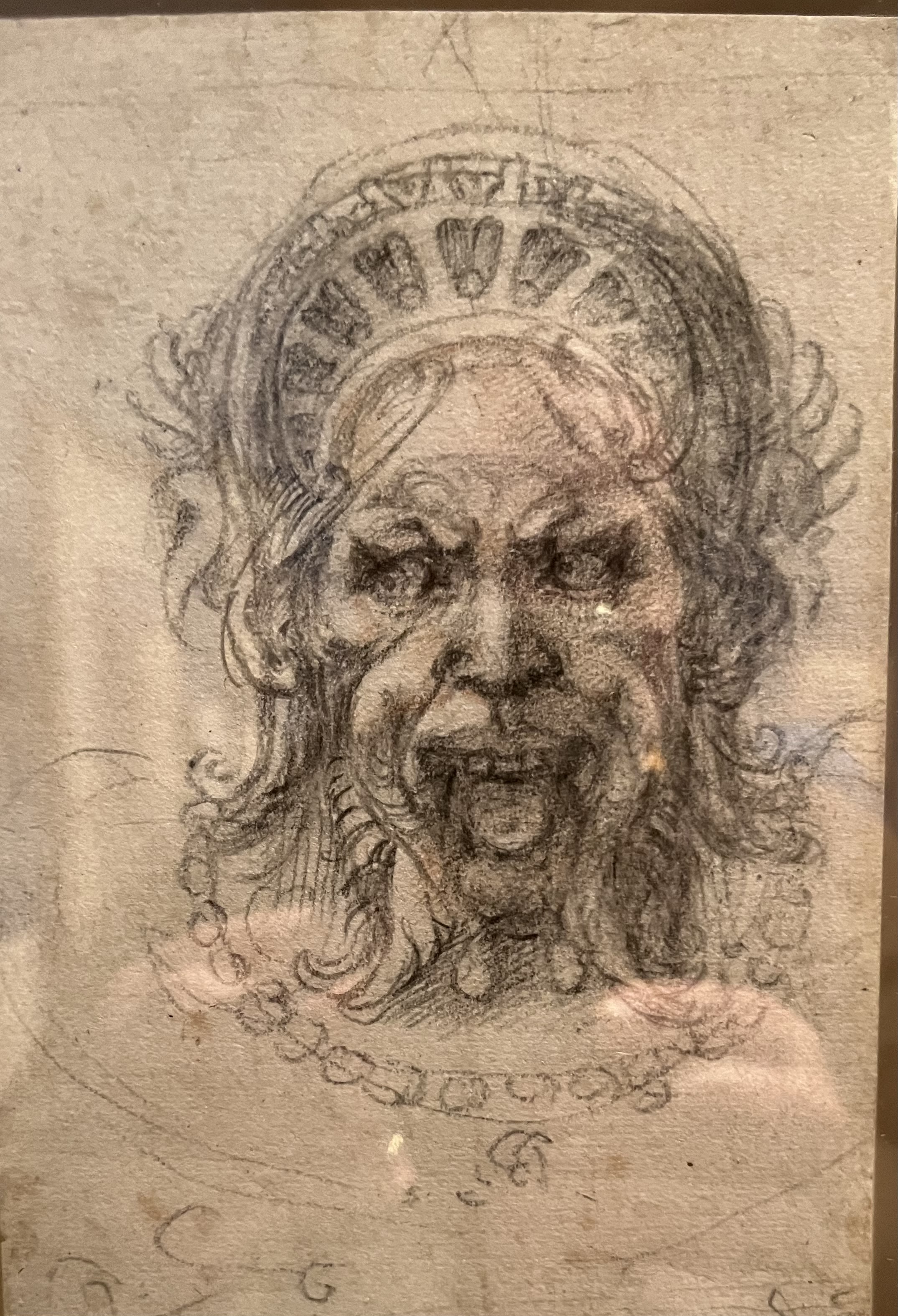
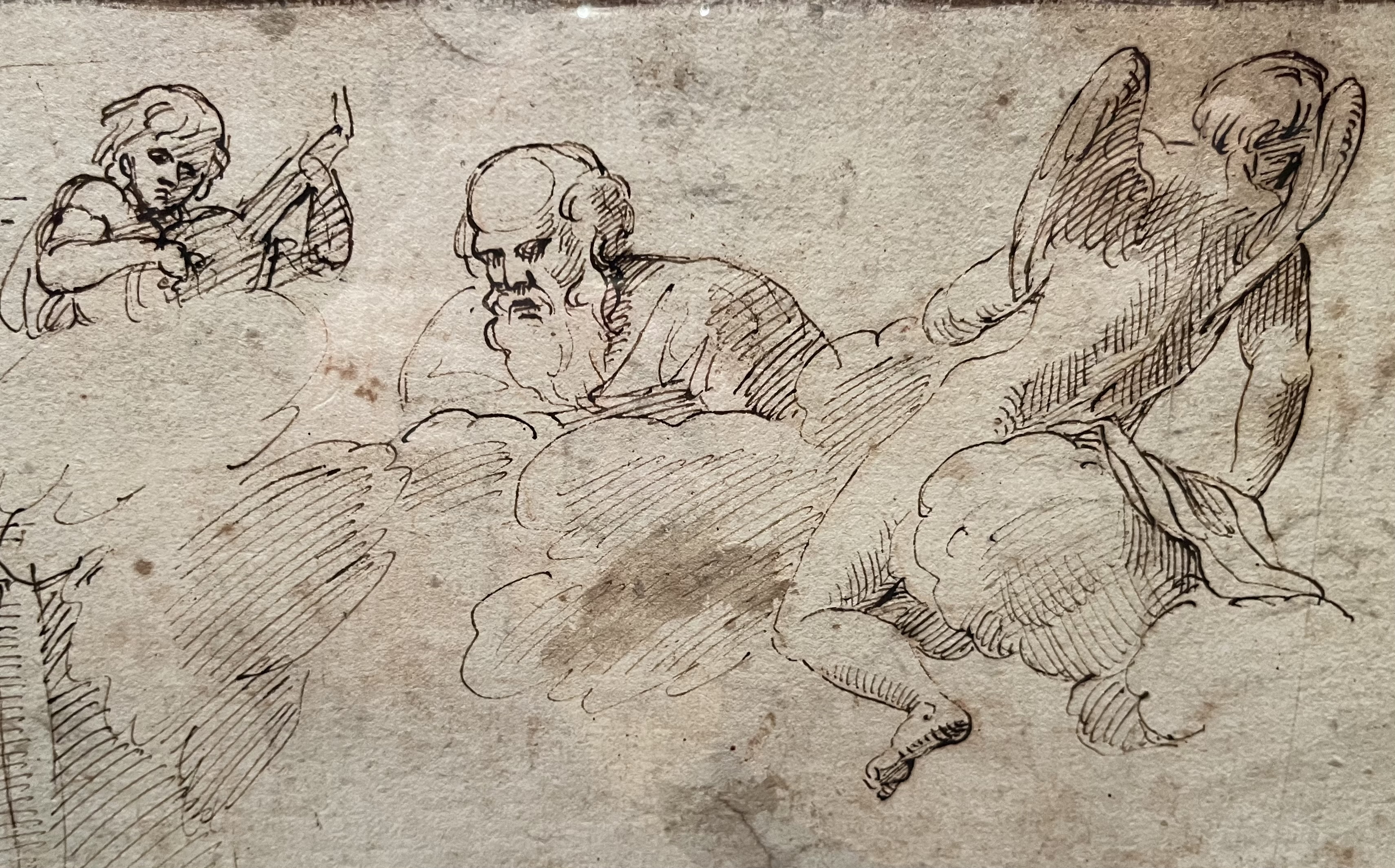
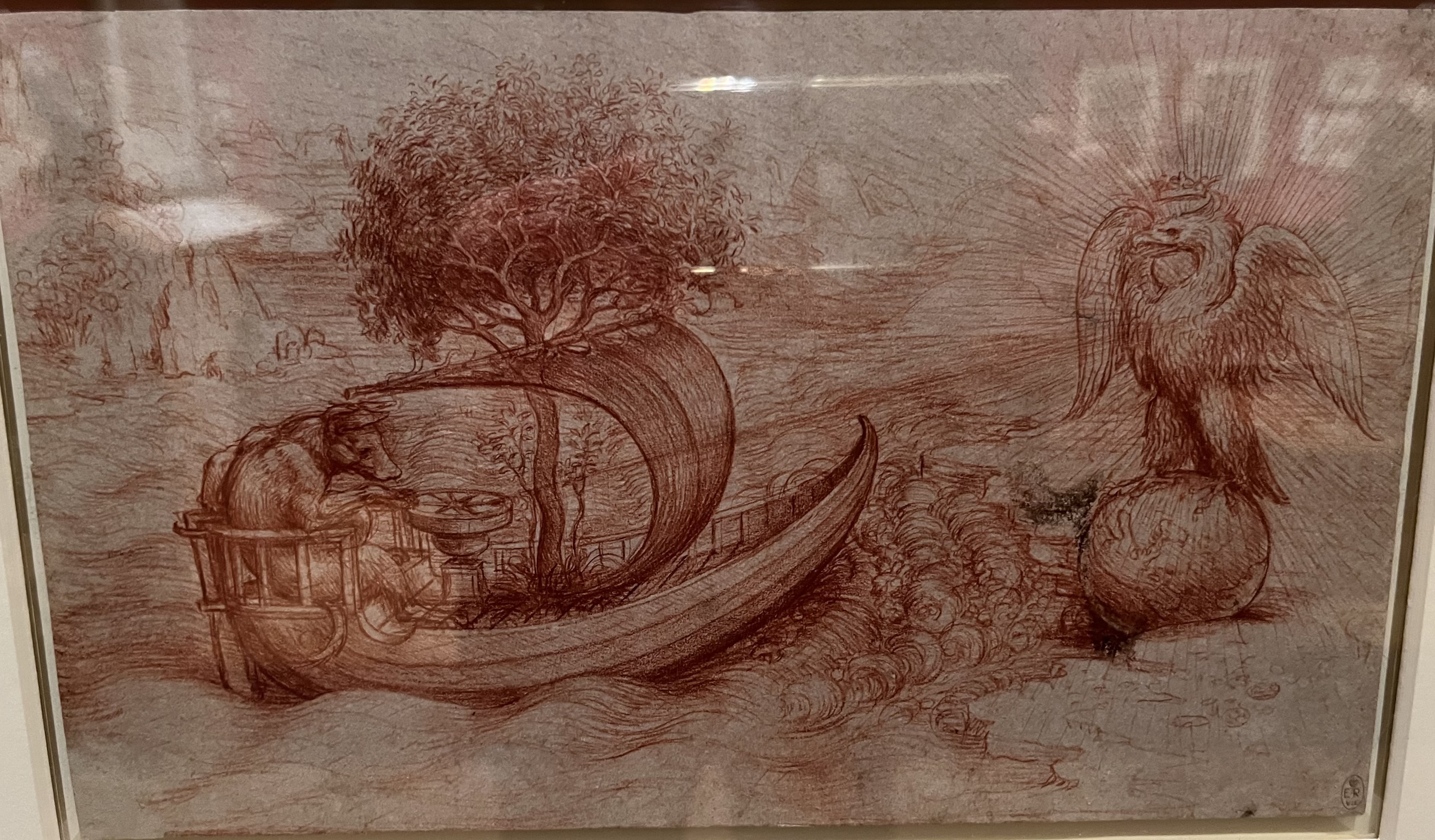
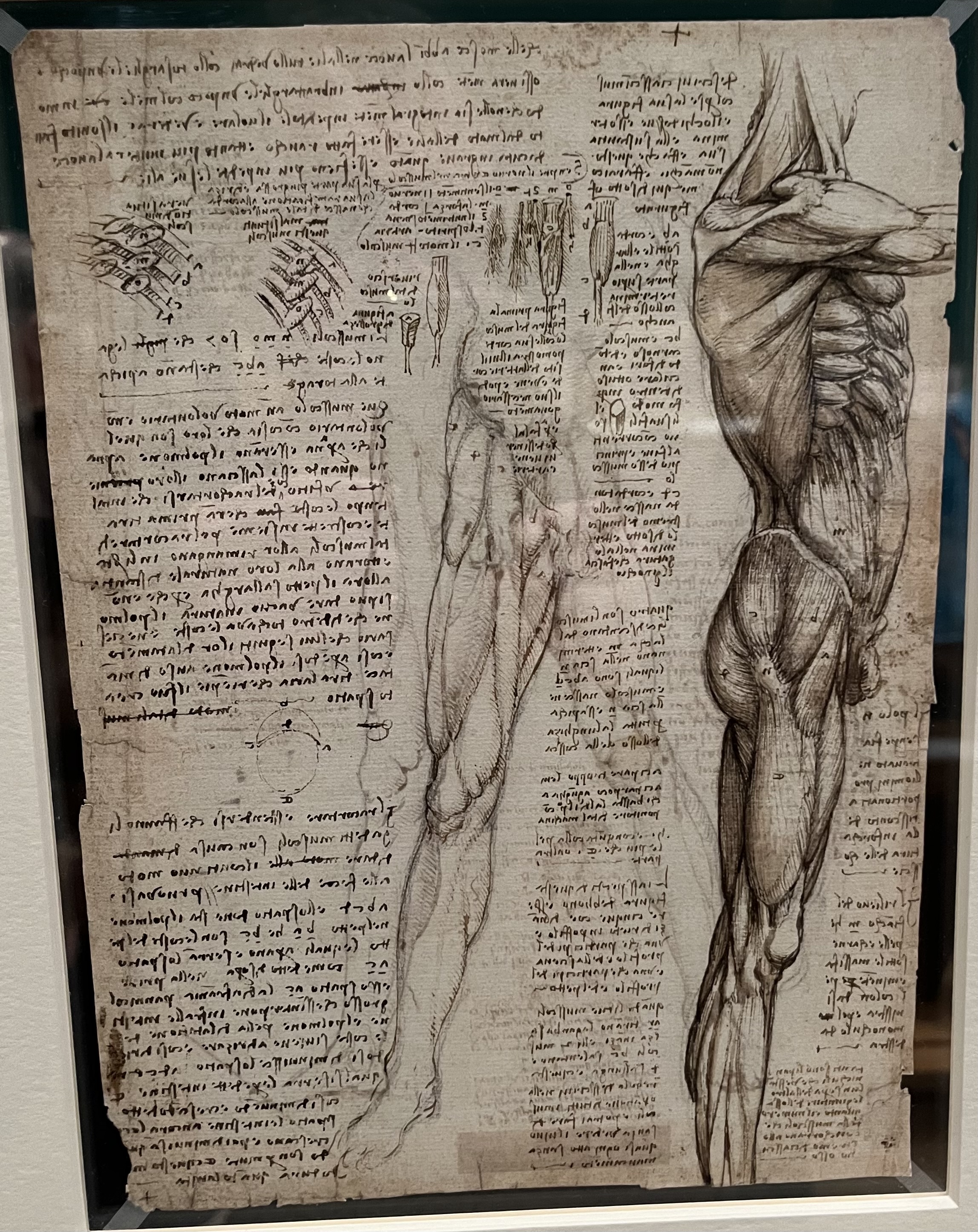
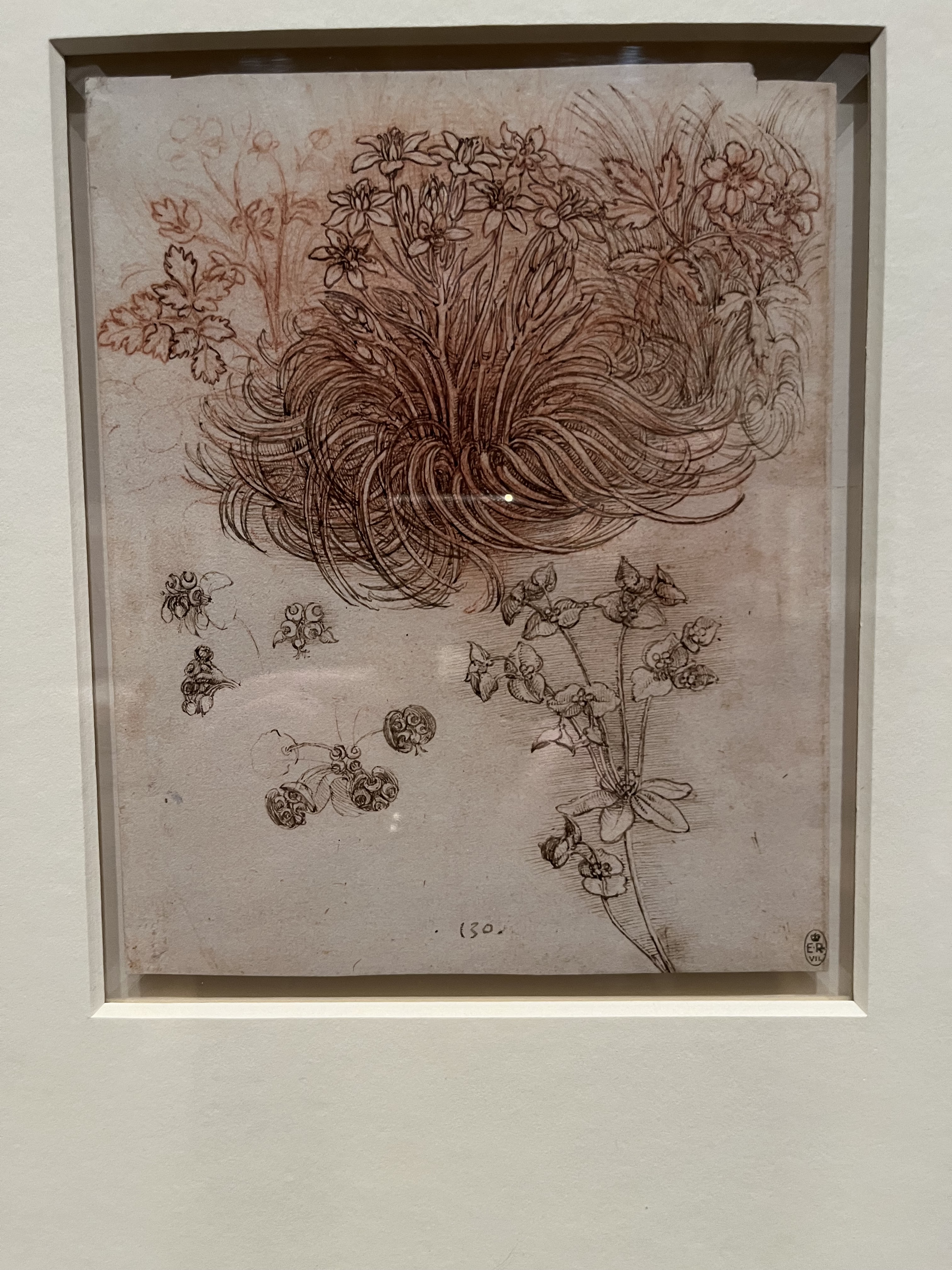
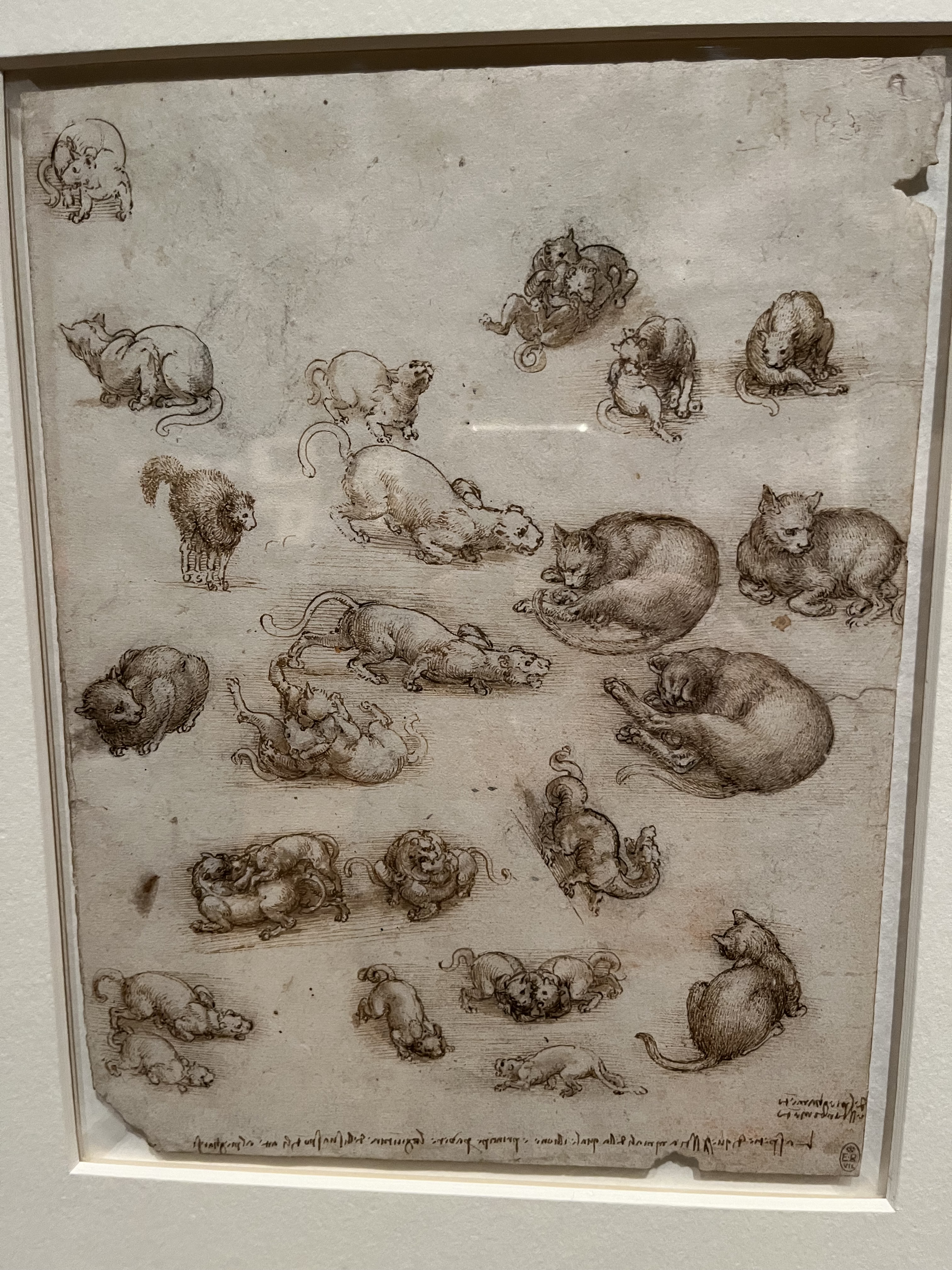
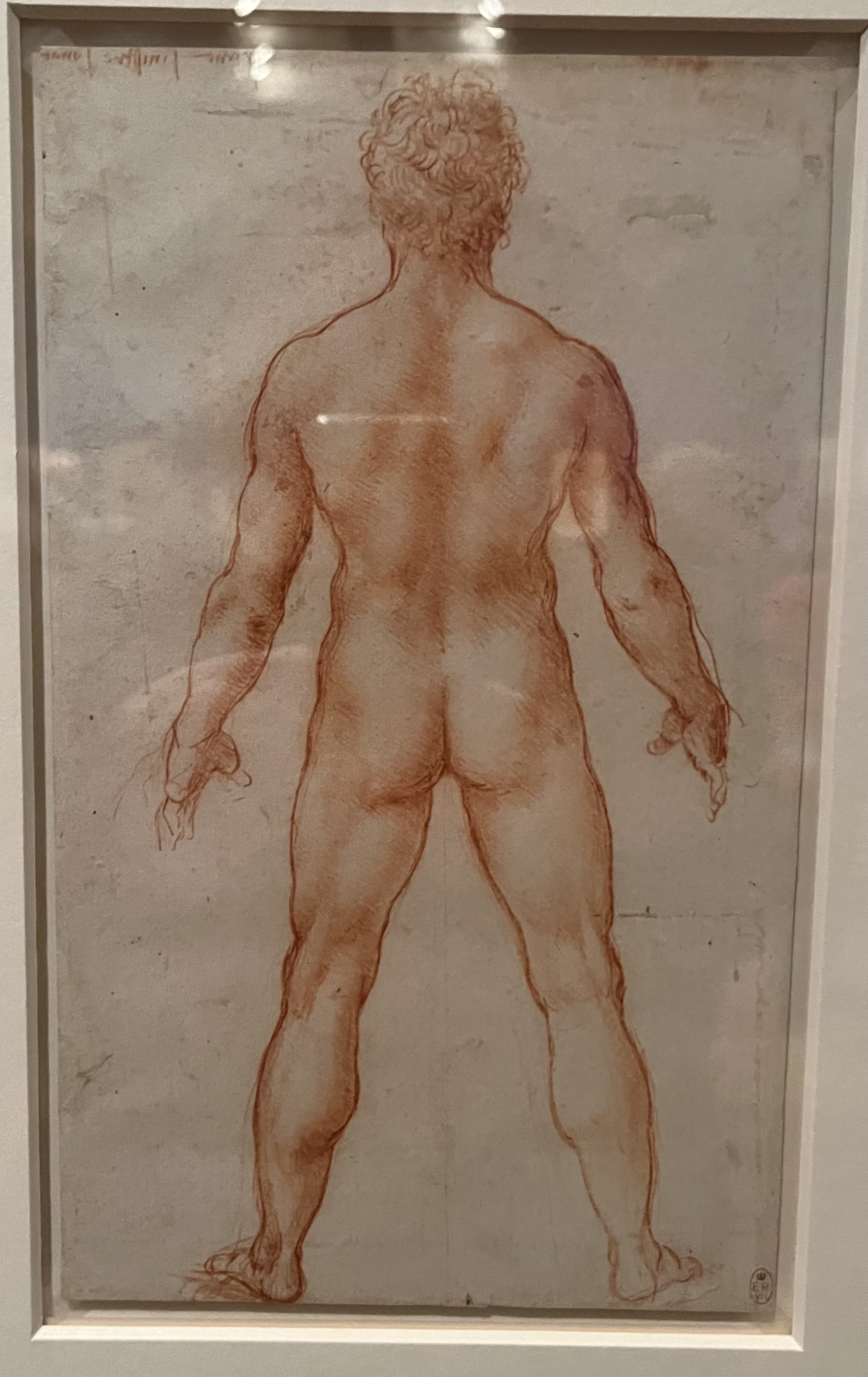
A remarkable exhibition of Renaissance drawings at the King’s Gallery. It features stunning works by Leonardo, Michaelangelo and Raphael as well as many other artists – in fact I thought the most memorable drawing of all was an amazingly vivid head of St Thomas by Caravaggio (not that one, the less well-known Polidori da Caravaggio, no relation).
It is astonishing what fine shading with chalk, ink and charcoal is achieved in some of these drawings, up to a smooth, perfect modulation that verges on photographic: but others are bold sketches which were only working drawings. Quite a few have the pinpricks which were used to guide copies: a few have the tiny black dots which resulted from blowing fine black powder through these holes.
The gallery provides paper and pencils for you to have a go yourself if you’re brave and/or talented enough. Not me!
December 2024 Competitions
Another list of competitions I might consider entering – so no flash, poetry or competitions I’m ineligible for.
- The Breakwater Review contest has a deadline of 1 December, costs $10 to enter and offers a $1000 prize. Stories up to 4,000 words.
- The Black Fox looks for up to 5,000 words on the topic ‘Fragments of Time. It costs $12 to enter and the prize is $325. Submit by 1 December.
- The Leopold Bloom Prize for Innovative Narration, from L’Esprit magazine, wants up to 5,000 words of ‘risk adept narration’ by 2 December. You can pay $10 or $15 for a quick response (within three days)
- The Witness Literary Awards want you to ‘contextualize the American experience, highlight issues of global concern, grapple with the relationship between the personal and the political (however defined), and/or keenly observe interior/exterior landscapes.’ You’ve got a maximum of 7,000 words to do it in, and it will cost you $8, for a possible $600 prize. You’ve got until 5 December.
- JuxtaProse will also take up to 7,000 words, and though they charge $18 their prize is $1,000. The deadline is 6 December.
- You could be recognised as an Anthony Veasna So Scholar in Fiction if your submission, by 11 December, pleases Adroit Journal. You can submit up to three pieces which should total no more than 9,000 words. It costs $15 and the prize is only $200, but still…
- The Columbia Journal Winter Print looks for stories up to 7,000 words – $15 entry, $500 prize, deadline 12 December.
- The Masters Review Chapbook contest wants 25-45 pages. It costs $25 to enter and you could win a decent $3000 plus 50 copies of your chapbook. Last year it was 75 copies, but perhaps they have realised that giving away that many is a bit of a challenge, even around Christmas. Enter by 15 December.
- Fabuly’s competition is refreshingly free. They want 2,000 words on ‘An Unexpected Encounter’, and you could win $500 with online publication of illustrated and audio versions of your work.
- Globe Soup, that splendidly supportive Facebook community for writers, is running its big competition again – 8,000 words max and £8 to enter (once you’ve paid to enter one of their contests you can join the esoteric community where there are regular free competitions and other good stuff) for a prize of £2,000. Get your entry in by 16 December.
The rest all have deadlines of 31 December, possibly so you can use that nice pen/notebook you got for Christmas.
- The Lascaux Review will take up to 10,000 words: entry is $15, top prize $1,000
- Boulevard magazine will take up to 8,000 and charge $18, offering a prize of $1,500.
- The Danahy Fiction Prize from the Tampa Review costs $20 to enter with a prize of $1,000. Stories up to 5,000 words.
- Write Time is for the over-sixties only. Only 1,500 words, in recognition of our tired old fingers, and it’s £5 for one story or £10 for three, winning £100 so you can get a little gift for your grandchildren.
- If you write horror, Killer Shorts want a story up to 6,000 words. It’s $30 to enter and you could win a package of benefits including publication and a mentoring call: but the real draw is a trophy in the form of a skull typewriter – whatever that is.
I hope you find something useful in the list, but please choose your competitions carefully and don’t just enter randomly, as I’m constantly doing. This year I submitted to about half as many as in previous years, but it still amounted to about one entry a week (I don’t write that fast – some stories were entered for multiple contests). Seven of those entries achieved some kind of recognition – one longlisting, four shortlists, one third place and one win. That’s a hit rate of 15%, marginally up on the surprisingly consistent 13% I’ve had in past years.
But the year’s not over yet! Merry Christmas!

November 2024 Competitions
Another selection of writing competitions I might enter during the coming month.
- Reed Magazine’s John Steinbeck Award looks for up to 5,000 words. $20 to enter, first prize $1,000. The deadline is 1 November. Entries need not relate to Steinbeck.
- F(r)iction wants 1,001 to 7,500 words: entry is $15 and first prize $1,000. Again, the deadline is 1 November.
- The Commonwealth Short Story Prize is free to enter for people living in Commonwealth countries. There is a prize of £2,500 for the winner in each region plus £5,000 for the overall winner. Stories must be between 2,000 and 5,000 words. And the deadline is 2 November.
- Curious Curls want stories that embrace curiosity. $2.50 entry for a $250 prize: word limit 10,000. Enter by 15 November.
- Creative Writing Ink looks for pieces up to 3,000 word: entry is £9, through Duosuma. The top prize is £1,000 and the deadline is 15 November.
- Ironclad asks for stories up to 6,000 words on the theme ‘The 14th Day’ – to be published on Valentine’s Day.. £8.99 to enter, with a rather unexciting prize of £100 plus publication. Deadline 18 November
- The Neilma Sidney prize, from Overland, is for stories about about travel. $20 to enter and the prize is $5,000: send up to 3,000 words by 22 November
- Narrative Magazine will take stories of up to 15,000 words, for an entry fee of $27. The prize is $2,500 and the deadline is 26 November.
- The prestigious Fish Prize is with us again: up to 5,000 words, €22 entry and a €3,000 prize. The deadline is 30 November.
- Prairie Fire, from Canada, look for a maximum of 5,000 words. It costs $34 and first prize is $,1250, with a deadline of 30 November.
- I don’t normally do microfiction, but I’ll make an exception for Tadpole Press, who want a mere 100 words: it’s $15 to enter and a more generous $2,000 as top prize. Get your entry in by 30 November.
If you get somewhere with one of these, please let me know!
Oxford Flash
One of my efforts is on the Oxford flash fiction longlist! I don’t do a lot of flash, so this is particularly pleasing. Next week I’ll l know whether it has got any further.
Update – I’m on the shortlist.
October 2024 Competitions
Another list of writing competitions I might enter, with deadlines in October.
- Letter Review want up to 5,000 words and offer a share of a prize pot of $1,000. It’s free to enter, which you must do by 1 October. I’ve linked to their Submittable page because that’s where most of the details seem to be.
- The Jeffrey E. Smith award from the Missouri Review has a maximum word count of 8,500, an entry fee of $25 and a top prize of $5,000: the deadline is again 1 October.
- With the same deadline, Zoetrope want stories up to 5,000 words: entry is $30 and first prize is $1,000.
- The American Literary Review will take up to 8,000 words: an entry fee of $15 brings you the chance of a $1,000 prize. One more with a 1 October deadline.
- Galley Beggar Press want stories up to 6,000 words: an £11.00 entry and you might win a more generous £2,500. Enter by 13 October.
- The annual Calvino Prize looks for up to 25 pages of prose in the style of Italo Calvino. It’s $25 to enter with a prize of $2,000 and the deadline is 15 October.
- With the same deadline, the Caledonia Novel Award requires your first twenty pages plus a synopsis. Entry costs £28 and the top prize is £1,500.
- The Raven, from Pulp Literature, seeks stories up to 2,500 words: $35 entry, $300 prize and again the cut-off is 15 October.
- Last one with that deadline, Marlowe and Christie want the first 3,000 words of your novel. It costs £24 to enter and the top prize is £1,100.
- Our favourite competition from Greece is back. Eyelands is looking for a full-length novel up to a massive 250,000 words. Entry is $35, with a deadline of 20 October. If you win, your work will be translated into Greek and published, and you will receive a specially commissioned ceramic and enjoy a five-day stay in Athens.
- The Bedford competition has a limit of 3,000 words, an entry fee of £8.50 (reduced from £9 last year!) and a prize of £1,500. The deadline is 31 October.
- Last but not least, Southport Writer’s Circle want up to 2,000 words by 31 October, entry just £3, prize just £200
If you get somewhere with any of the contests above, do let me know!