I have a piece about Anne Boleyn in Pond Life, a Carshalton fanzine, available from logofiasco records. This is linked with the current Carshalton Festival featuring CAOS, in which an impressive number of local artists open up to visitors.
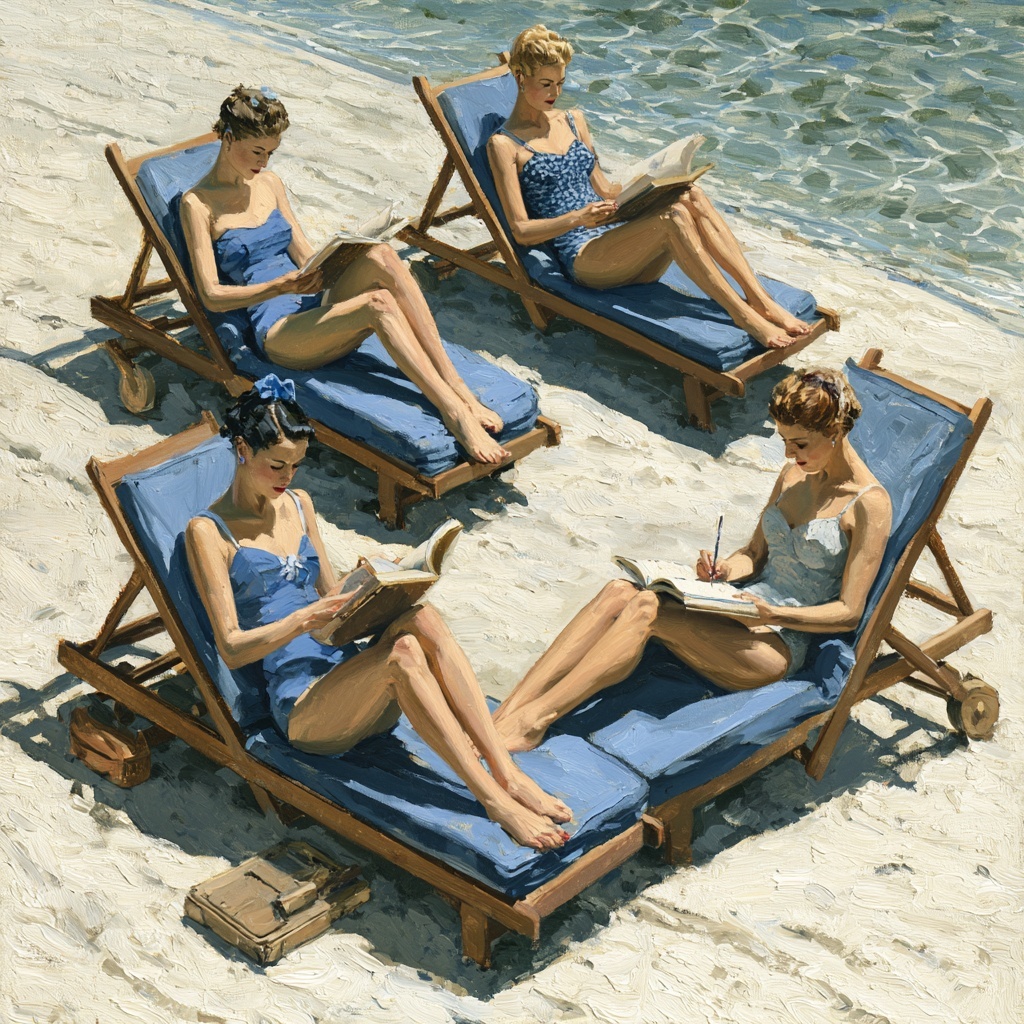
In the zine I’m afraid they got my name slightly wrong, and they changed the title of the piece. But they made up for that by giving it this very nice illustration by Ruth Joyce.
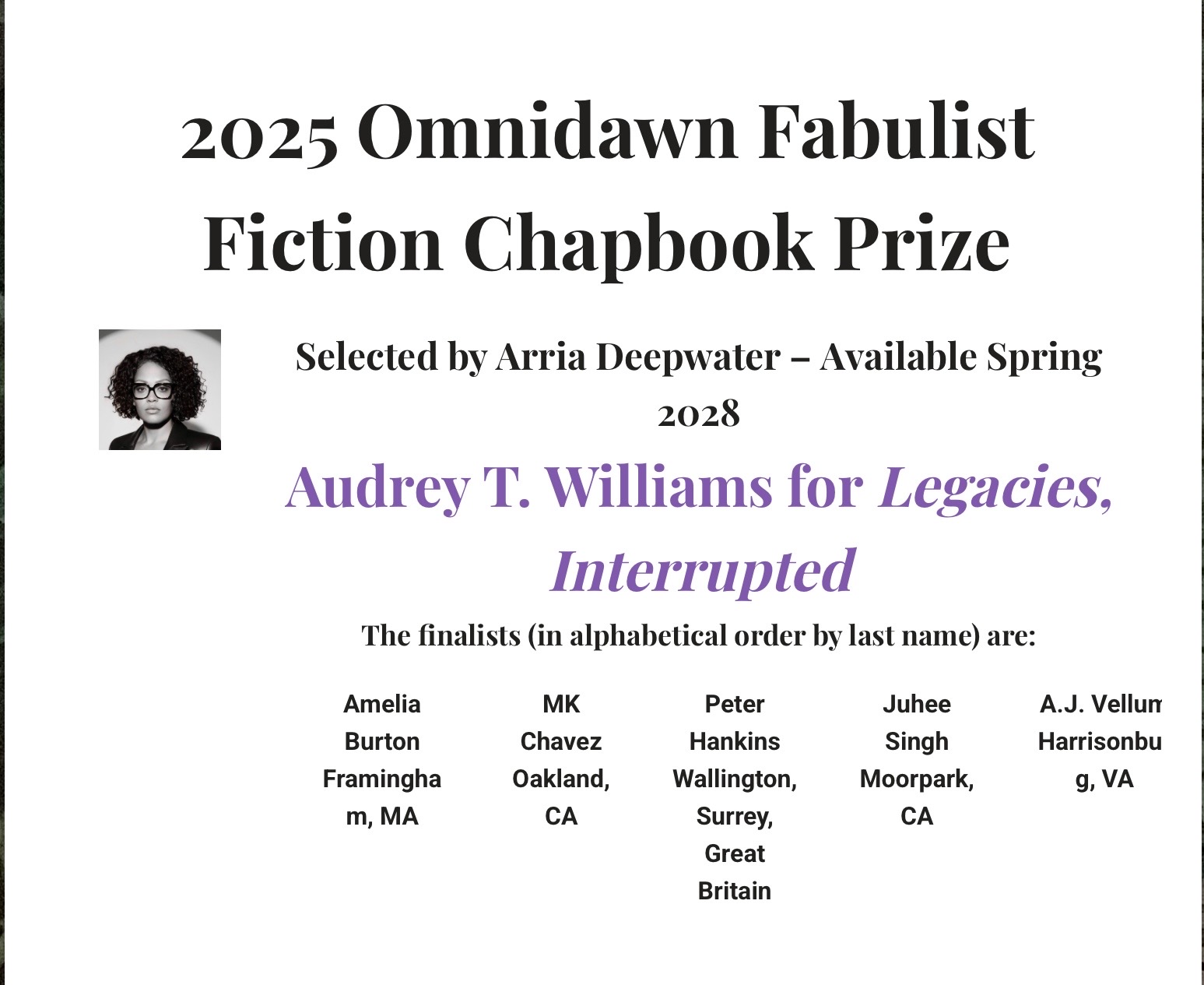
I was one of five finalists in the Omnidawn Fabulist Fiction Chapbook contest, for my collection Folded World. They only publish the winner, but perhaps I’ll self-publish mine? I had a very nice email from the editor in which she singled out for praise the story Romans in Australia, arguably the least fantastic in the collection.
We went to see Cyrano de Bergerac at the Noel Coward Theatre. It was pretty good: the adaptation is lively and Adrian Lester is a really good, convincing Cyrano. The last time I saw this play was 36 years ago with Edward Petherbridge, who definitely emphasised the poet in Cyrano, whereas Lester leans more to the warrior, but he’s balanced and reflects the character well. If I can risk sounding like a old git, I appreciated his delivery: I think some contemporary actors, used to TV and film, don’t really know how to project into a live theatre, but Lester’s voice and diction are exemplary, crystal clear to the back of the auditorium.
The play, to be honest, is a bit old-fashioned. The first scenes are unnecessarily confusing: the last act could be cut almost entirely. There are some creaking old dramatic devices at work: the people who are always interrupted just before they speak the words that would change everything: a character who gets a fatal wound and then walks and talks for another forty minutes before suddenly doing an elaborate, prolonged death. The big problem is with the credibility of the character’s motives. Roxane knows Cyrano all her life, but never suspects she might fancy him until she discovers he wrote all those words, when she instantly realises she loves him. She declares explicitly that she loves the man who wrote those words ‘in spite of his face’ even while she still thinks it was handsome Christian, sounding more as if she were a character in a logic puzzle than a real person.
And what about Cyrano? His refusal to declare his love, his committed support of Christian? Roxane is allowed here to briefly suggest his behaviour is manipulative, but a modern audience, with darker and more sophisticated ideas than the Victorians, can’t help wondering whether Cyrano’s behaviour is perverse in a deeper sense, with him getting a certain secret pleasure out of the idea of his beloved in the arms of another. Still, the number of times the story has been borrowed and updated shows it is an appealing archetype.
I have finally got around to sorting through some of the photos we inherited from my mother and constructing a family tree. This is an interesting process.
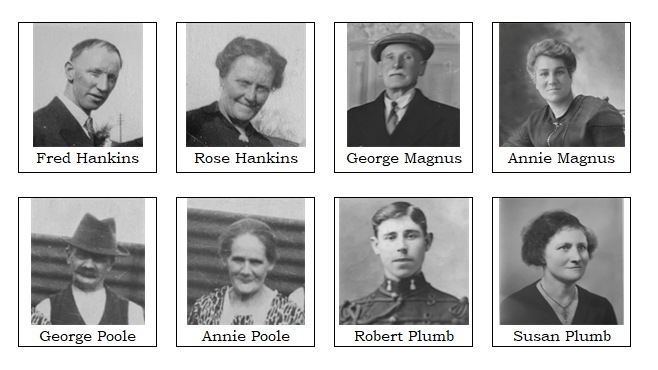
Here we have my eight great-grandparents. These people, therefore, represent the set of genes from which mine are a random selection. Two of them lived long enough for me to have known them when I was a child – Fred Hankins, my father’s father’s father, and Susan Plumb, my mother’s mother’s mother.
I wish I knew more about these people, but there are already too many bits of information to mention here. I’ll just say that Annie Magnus looks like a robust lady, and my word she must have been. Starting when she was seventeen, she gave birth in 1899, 1900, 1903, 1905, 1907, 1909 (my grandfather), 1910, 1911, 1913, 1915 and 1918.
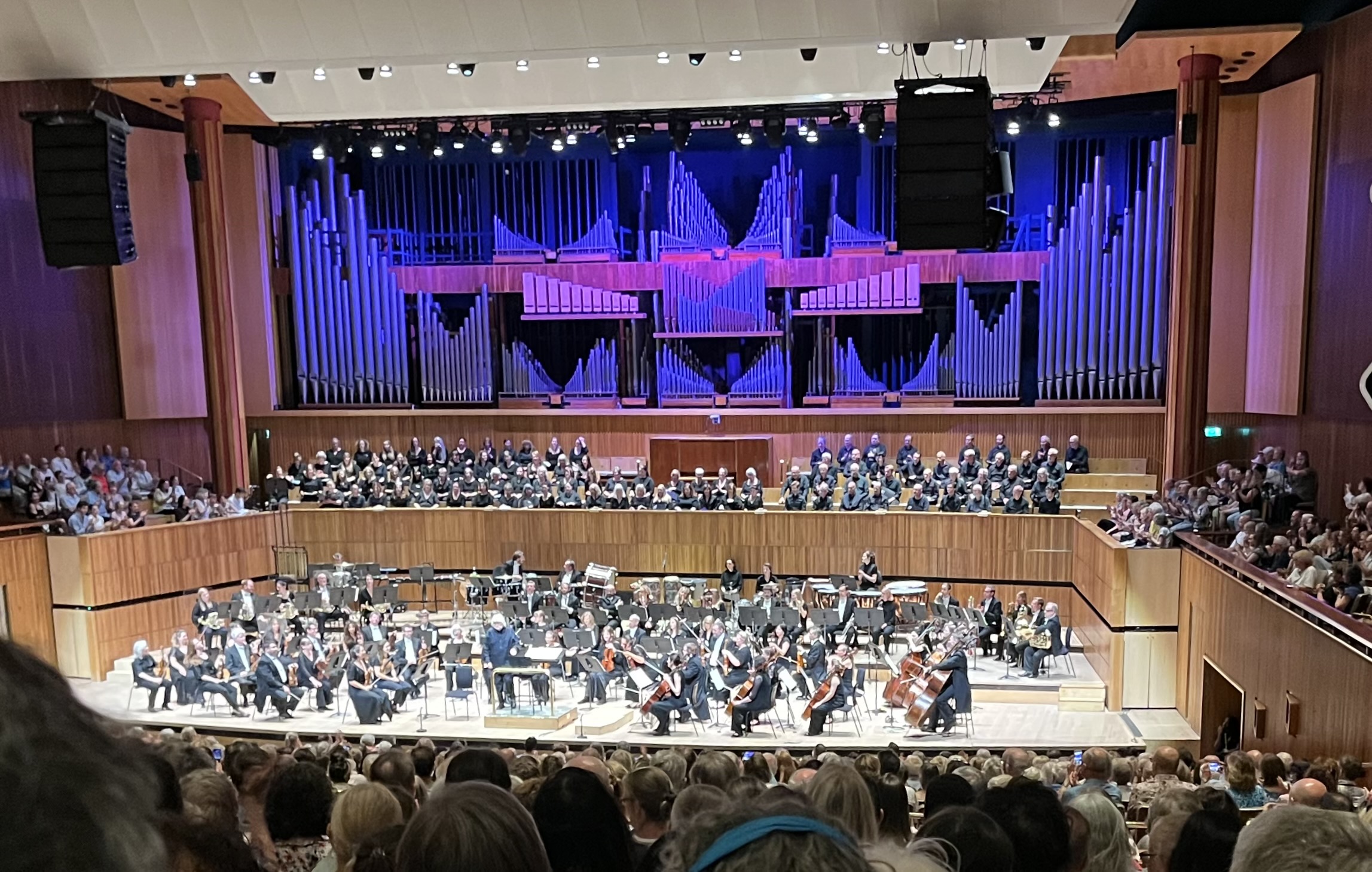
Last Saturday we went to hear Karl Jenkins conduct The Armed Man at the Royal Festival Hall – he also played some extracts from Palladio and Adiemus. Good stuff: to me Jenkins, along with others such as Michael Nyman, stands for the welcome return of serious orchestral music that is melodic, not austerely intellectual, and not film music (though I suppose most of Nyman’s stuff is for films.
It’s true that Jenkins relies a lot on bright, uptempo stuff and there tends to be relatively little dramatic development within pieces: they set a mood and stick with it (maybe a bit like film music after all). He has also been a little brave in taking inspiration from other cultures – you don’t have to be extremely woke to wonder whether there’s something a bit off in people singing in a fake African language. We also had muezzin singing (why not, I suppose). On the whole I think Jenkins is just respectful enough to his sources to get away with it.