Mother Goose

It’s a lot of fun.

Mother Goose, starring Ian McKellen with John Bishop, is essentially a traditional pantomime, complete with absurd storyline, corny jokes, audience participation and of course, a dame.

In a pretty negative review, the Guardian said that if you were just going to see McKellen do his dame, you wouldn’t be disappointed, but that the rest of the show is underpowered. It is true that McKellen is really what the show is about: he is brilliant and it’s astonishing that at his age, he can take on a run of this length (touring till April). I think the Guardian is also right that when he briefly does a bit of Shakespeare straight, you kind of wish he would forget the panto and carry on. It is at least a welcome acknowledgement that he has played other parts besides Gandalf, a rôle we are reminded of perhaps a little too often here.

Yes, it’s true the jokes are not very sharp, especially the handful of political ones, but then this is panto, not satire. Granted, there is a sort of uneasiness about a pantomime with no children in the audience (a point they make a joke of). And I really wish they hadn’t decided to wrap things up with a rousing singalong of Sweet Caroline.

But… it’s a lot of fun.
February 2023 Competitions

Here are the writing competitions I might enter with deadlines in February.

  • The Jim Baen prize is for positive stories about space exploration in the near future. Up to 8,000 words are required, it’s free and the winner gets an award, publication, and 8 cents per word on publication. The deadline is 1 February
  • Chiplitfest is back: entry is £8 for stories up to 2,500 words, or you can go as high as 5000 words if you pay £10. Enter by 5 February.
  • Stringybark needs stories with a link to Australia (but it could be as little as a jar of Vegemite on the counter). Up to 1.500 words: A$15 to enter and a prize of A$500. The deadline is 12 February.
  • The Writers and Artists Yearbook want up to 2.000 words and it’s free to enter! You could win a place on an Arvon course. Stories must be on the theme ‘Love’ Enter by 14 February (see where the theme comes from?).
  • Brink literary journal wants hybrid (or cross-genre) stories – but not avant garde experimental writing. Check the site for more explanation. It’s $22 to enter and the winner will be published in October. The deadline is 15 February.
  • The Mary McCarthy prize from Sarabande Press wants 150-200 pages. The entry fee is $29, with the top prize being $2,000 plus publication. Again, the deadline is 15 February.
  • The Elmbridge Literary Competition has a theme of ‘The Road’ and a word limit of a mere 1.000. £5 to enter, with a £250 prize.
  • NOWW (the Northern Ontario Writers’ Workshop) wants 2,000-3,500 words. It’s CA$10 to enter and top prize is CA$150. The deadline is 28 February.
  • Bridge House want up to 5,000 words on the theme ‘Gifted’: it’s free to enter, and the winner will be published and paid royalties. The deadline is 28 February.
  • The AWP awards cover competitions for four different forms: for me the most interesting are the short story collection and novel ones. Entries need to be book length, which for short stories means 150-300 pages and for novels at least 60,000 words. It costs $30 to enter each contest ($20 for members): the top prize appears to be $5,500 for short stories but a mere $2,500 for novels (?). The deadline is 28 February.
  • Finally with the same deadline Letter Review is looking for 1.000 to 3.000 words for a top prize of $600 ($20 entry fee)

Good luck – if you get anywhere with these, do let me know!

Strange Clay

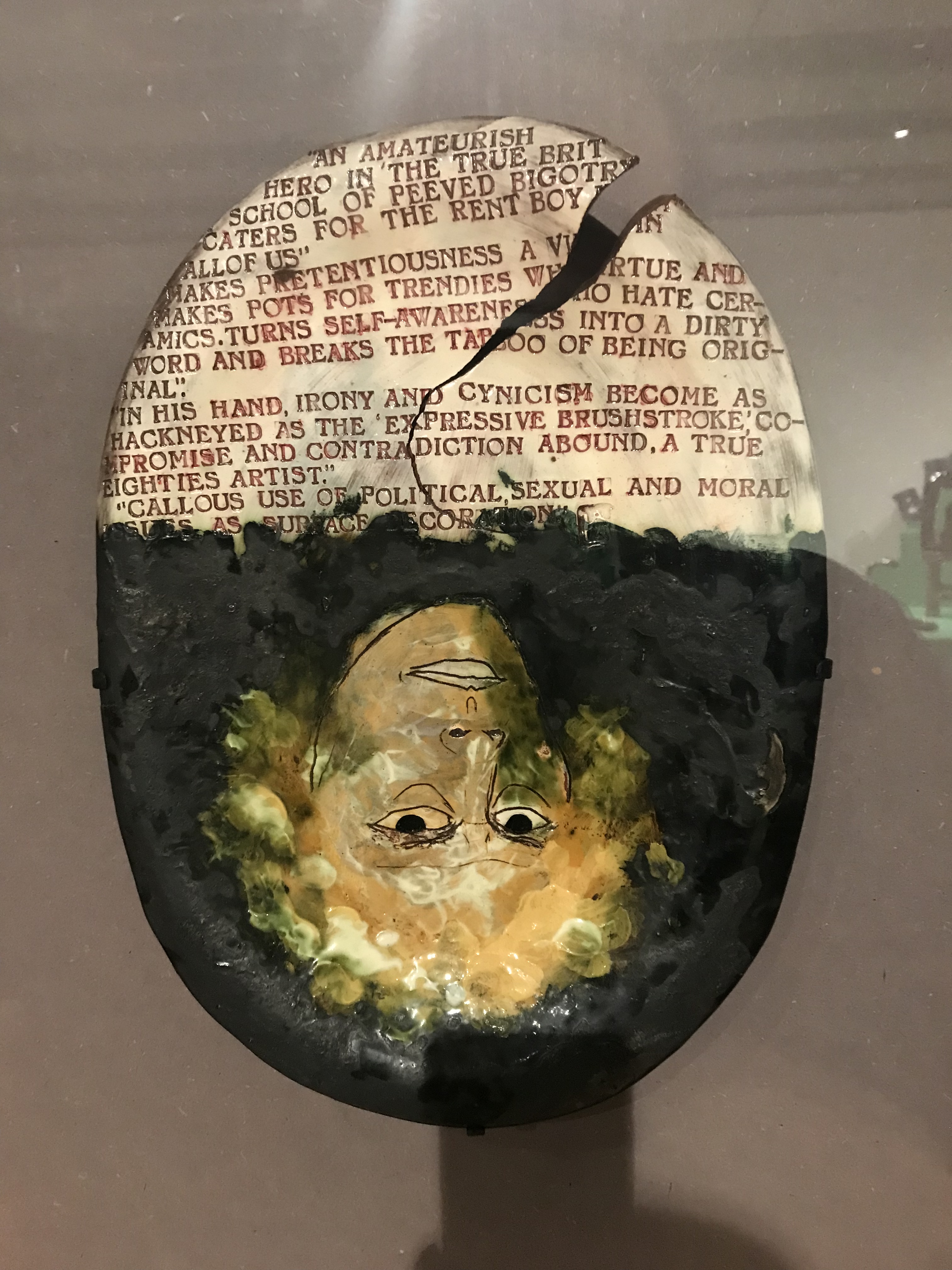
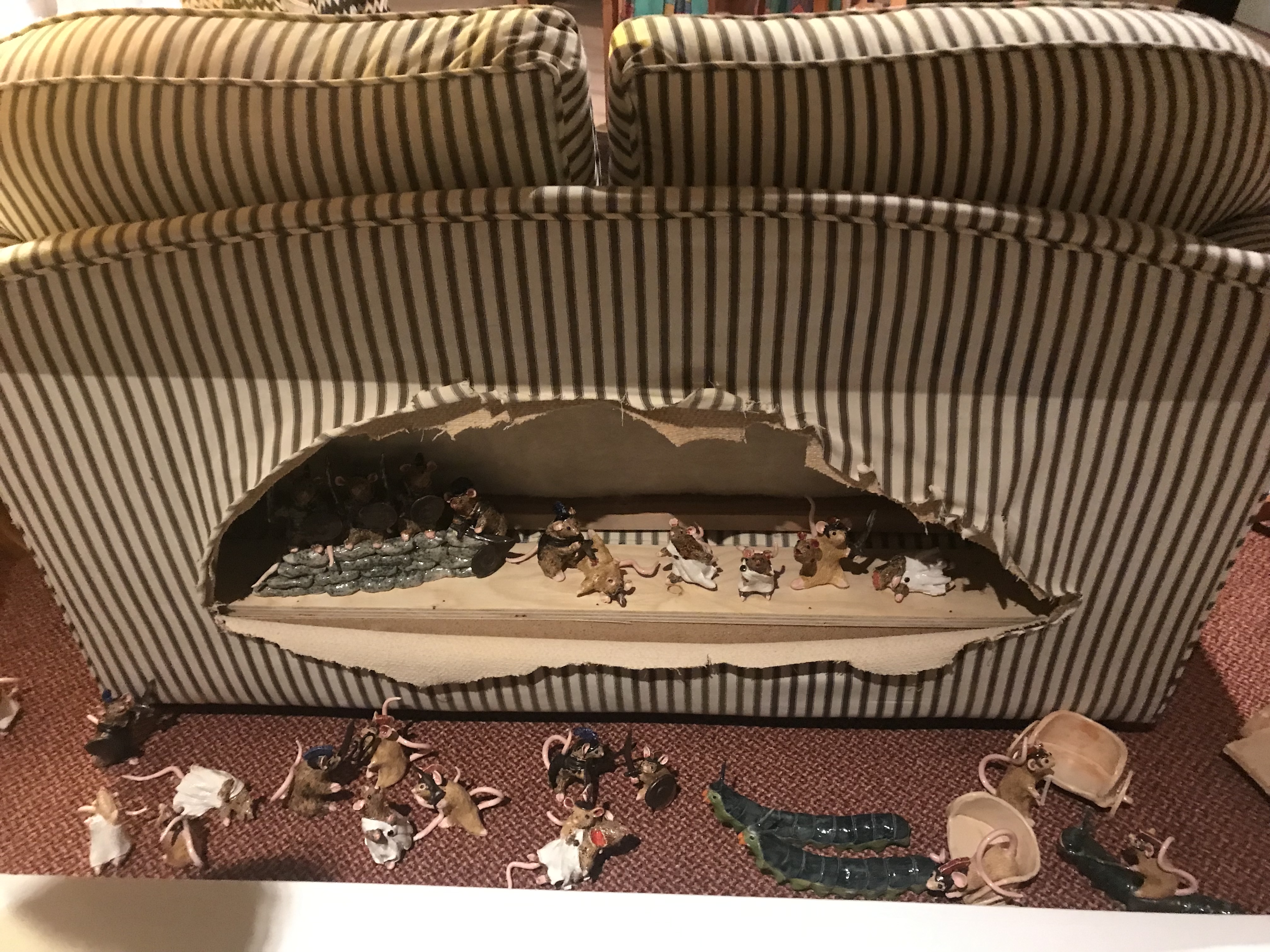
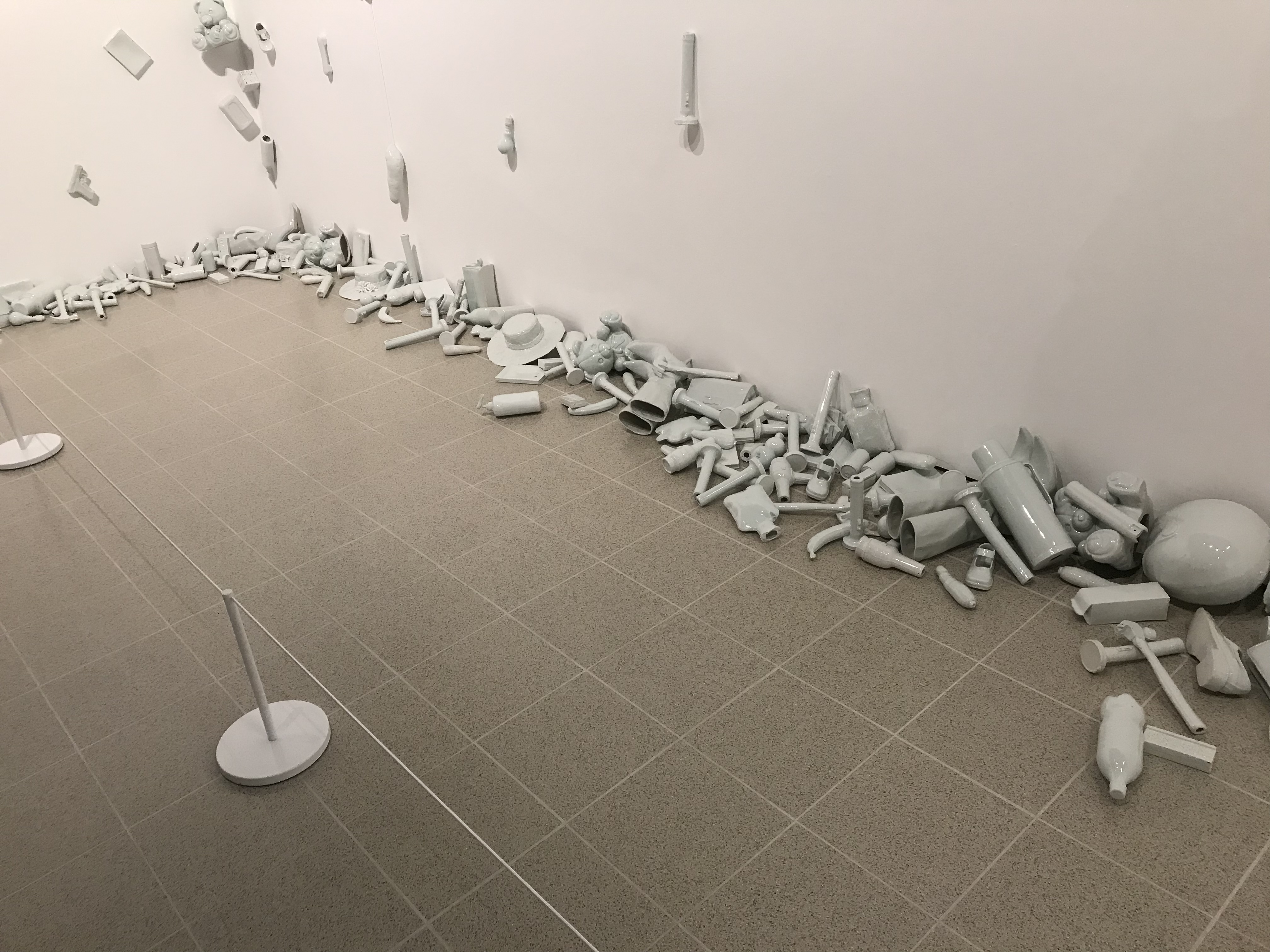
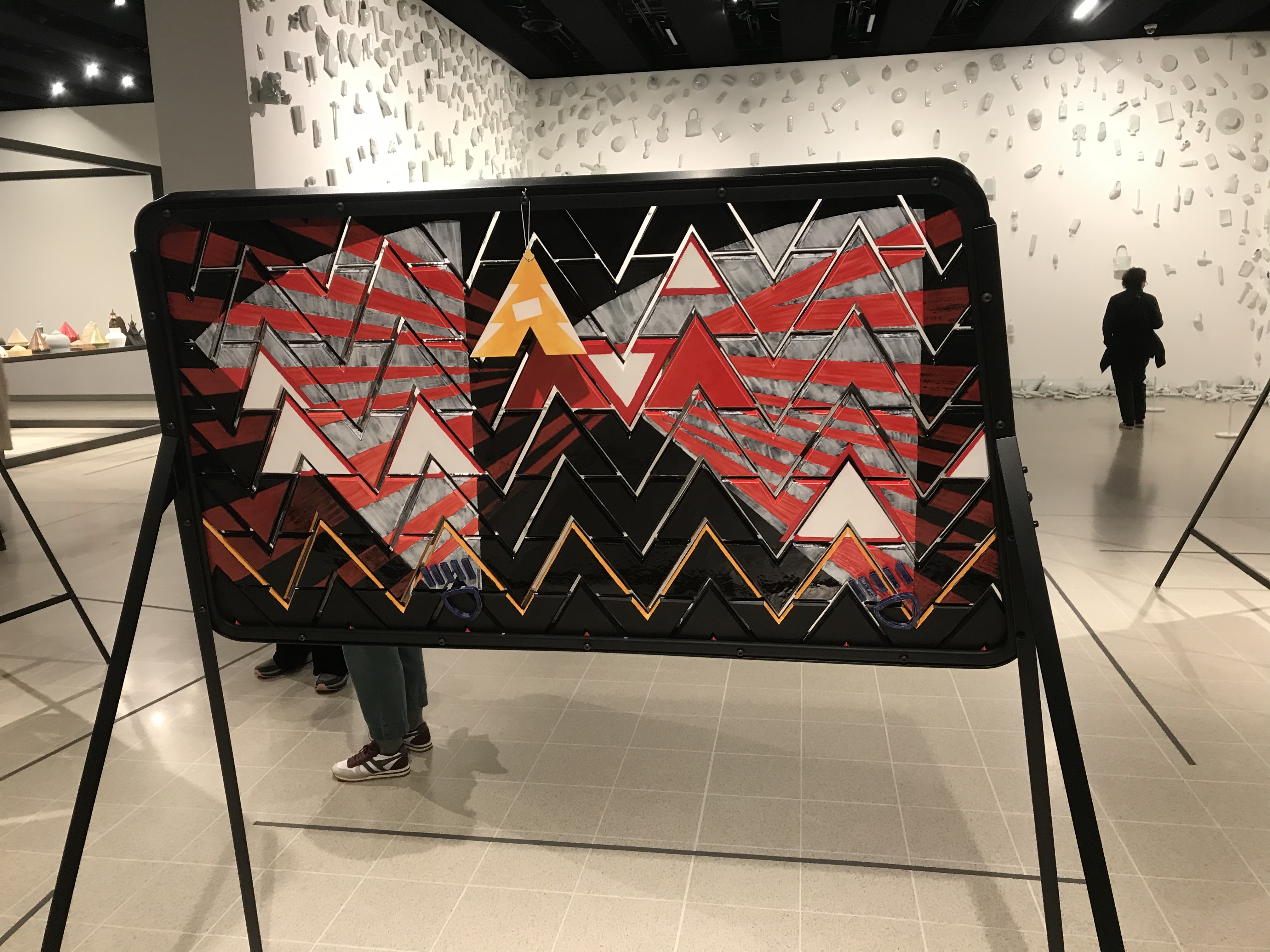
Went to Strange Clay at the Hayward Gallery. I feared this might be a bit austerely intellectual, but in fact most exhibits are attractive as well as interesting, and several are humorous to varying degrees. There is a self-portrait with critique by (Sir) Grayson Perry and a piece by Edmund de Waal, better known to me as the author of The Hare with Amber Eyes. I’m afraid the latter is the least enjoyable thing in the show: small white pots in vitrines hoisted above your head. Katharine rightly said it looked like additional light fittings… Generally though, the show is a lot of fun.

January 2023 Competitions

A selection of writing competitions I might enter during the coming month, with no pretence of being a comprehensive list.

  • The Exeter Novel Prize requires your first 10,000 words and a synopsis: £20 to enter, with a prize of £1,000. The deadline is 1 January (though I’d be surprised if anyone is reading your excerpt on 2 January).
  • The European Society of Literature is running the European Writing Prize. Brits can still enter in spite of Brexit (in fact anyone  from anywhere). Entry is free, and the prize is €50 plus life membership (and think of the prestige!) They want between 1,500 and 3,500 words on the theme of ‘Anxiety’. To help with getting into the mood, the deadline is 1 January. They say results will be out by the end of the month, which is a bit hard to believe.
  • If you’ve got an excess of anxiety after that, you could try the Disquiet Literary Prize. 25 pages max, entry $15, prize $1,000, and for this one you’ve got until 2 January.
  • Cheering up, we have the regular Henshaw competition: as ever, it’s for 2,000 words, entry £6, prize £200. The deadline is 6 January.
  • What about trying non-fiction? The Nine Dots prize is for an essay on ‘Why the Rule of Law has become so fragile’. Really they are looking for something that will be developed into a full-length book. You need to provide 3,000 words, a structure, and a justification statement, but you’ve got until 23 January. Entry is free. Why are you thinking of non-fiction all of a sudden, you ask: well, it just seems attractive. The prize is $100,000.
  • The Bournemouth (Fresher) Writing Prize wants 3,000 words. It’s £7 to enter and you could win £500 plus feedback and a professional recording of your work. The deadline is 27 January.
  • The Face Project only wants 1,000 words and entry is free, but the only prize is publication, albeit in a unique new production. Your story must be inspired by one of the 28 pictures of faces on their site. Deadline is 29th (not 28th?)
  • The Thomas Wolfe Fiction Prize has a limit of 3000 words: entry is $25, top prize $1,000 and the deadline is 30 January.

The rest all have a deadline of 31 January.

  • The Masters Review is back with its winter award. Up to 6,000 words, $20 to enter, and top prize is $3,000.
  • .The Parracombe prize has come back with a higher word limit – 2023 instead of last year’s 2022 (yes, I see what you did, Parracombe!) Entry is £5, the prize £150.
  • Askew’s Word on the Lake festival offers a prize of $200 (Canadian) for stories up to 1,500 words: entry is $15.
  • Finally the swamp pink prize from Crazy Horse wants up to 25 pages: entry is $20 and the prize $2,000.

If you get somewhere with one of these, do let me know

December 2022 Competitions

Here are the writing competitions I might enter with deadlines in December. I haven’t found all that many this month, especially British competitions. Most of these are American ones, but I believe they are all open to international entries.

  • Chimera are looking for fantasy novels (at least 50,000 words) submit the first 10,000 words with a one-page synopsis. Entry is £6 and the prize is a whacking £2,500 It’s.probably  too late to start writing, though: the deadline is 1 December
  • The St Louis Writers’ Guild has been running its annual competition for over a hundred years: previous winners include Tennessee Williams. However, first prize is a mere $50. Honourable Mentions get $10, which is actually less than the $15 entry fee. The word limit is 3,000 and again the deadline is 1 December.
  • Crazy Cats Theatre want a chaotic and/or violent story about the twelve days of Christmas, of up to 2,500 words. Entry is £10, the prize £100, and twelve stories will be published online. The deadline is 6 December. 
  • Omnidawn is back, again looking for fabulist stories between 7,500 and 17,500 words. $18 to enter, and a respectable prize of $1,000. Deadline 6 December.
  • Third Coast want stories up to 9,000 words long: entry is $15 and top prize is again $1,000. The deadline is 15 December.
  • Writers Digest has a ‘Short short story’ contest, for pieces up to 1,500 words (hey, I’ve read shorter). $35 entry, and a decent prize of $3,000. Get your entry in by 15 December.
  • Sunspot Lit are running a ‘Goldilocks Zone’ competition for stories that have the balance between fine literary writing and popular appeal just right. Up to 2,500 words, entry is $9.50 and the prize is $200. The deadline is 19 December..
  • The Kind Writers are looking for like-minded folk. They want stories up to 3,500 words (though they are open to a range of creative works), with an entry fee of $10 and a prize of $150. You must provide a short biography setting out the acts of kindness which qualify you to compete. The deadline is 30 December.

The last three all have a deadline of 31 December.

  • Write Time is for over-sixties (why yes, I really am that old). 1,500 words, entry £3, prize £50.
  • The Lascaux Review offers $1,000 for stories up to 10,000 words: entry is $15.
  • Boulevard magazine’s Emerging Writers competition allows up to 8,000 words and their entry fee is $16: the prize is $1,500

Let me know if you succeed with any of these, and Merry Christmas!

Dillydoun 2022

My story ‘A Voice Across the Coughing Brine’ has reached the Dillydoun Review long list!

The title is a quote from a Mervyn Peake poem…

A voice across the coughing brine
Has sewn your spirit into mine!
O love it is for me to die
Upon your bosom noisily,
Ah pity me, ah pity me,
What is it all about?

Crucible in the Rain

We went to see The Crucible at the Olivier. It’s a great production, with strong performances from all the cast. The stage was surrounded by a sheet of artificial rain which was used like a curtain – I’m not really sure why. Very effective use was made of the deeper part of the stage, which would occasionally be lit to show a little scene, someone approaching, or the accusing girls in niches like saints.

What did strike me was that although it is unquestionably deserving of its place as a classic drama, the play would get some criticism if presented to a modern writer’s workshop. It opens with a big slab of straightforward exposition, just spoken direct to the audience: all of that would probably be deleted by a current editor. One of the best episodes in the story is how Giles Corey refuses to plead and chooses to be crushed to death, knowing that this way his estate will pass to his sons, whereas if he were convicted of witchcraft it would be confiscated. Miller throws that away, having it merely described in brief. (He wishes, of course, to focus on John Proctor’s agonising over whether to provide a false confession that will save his life.)

Some of the force of the play is arguably lost because on Miller’s account there really was some witch stuff going on: some of the girls did dance naked, help conjure the dead, and drink (chicken) blood. At the close Tituba and Sarah Good are shown eagerly waiting for the Devil to come and take them. So it seems the authorities are sort of right about the crime, merely pinning the blame on the wrong people.

Finally, things are wrapped up with another slice of exposition – what happened afterwards? It dissipates some of the impact of the deaths, especially Proctor’s, if we go on to hear about remarriages and compensation.

Whatever you think of that, it’s a great play with many memorable passages, and this is a great production.