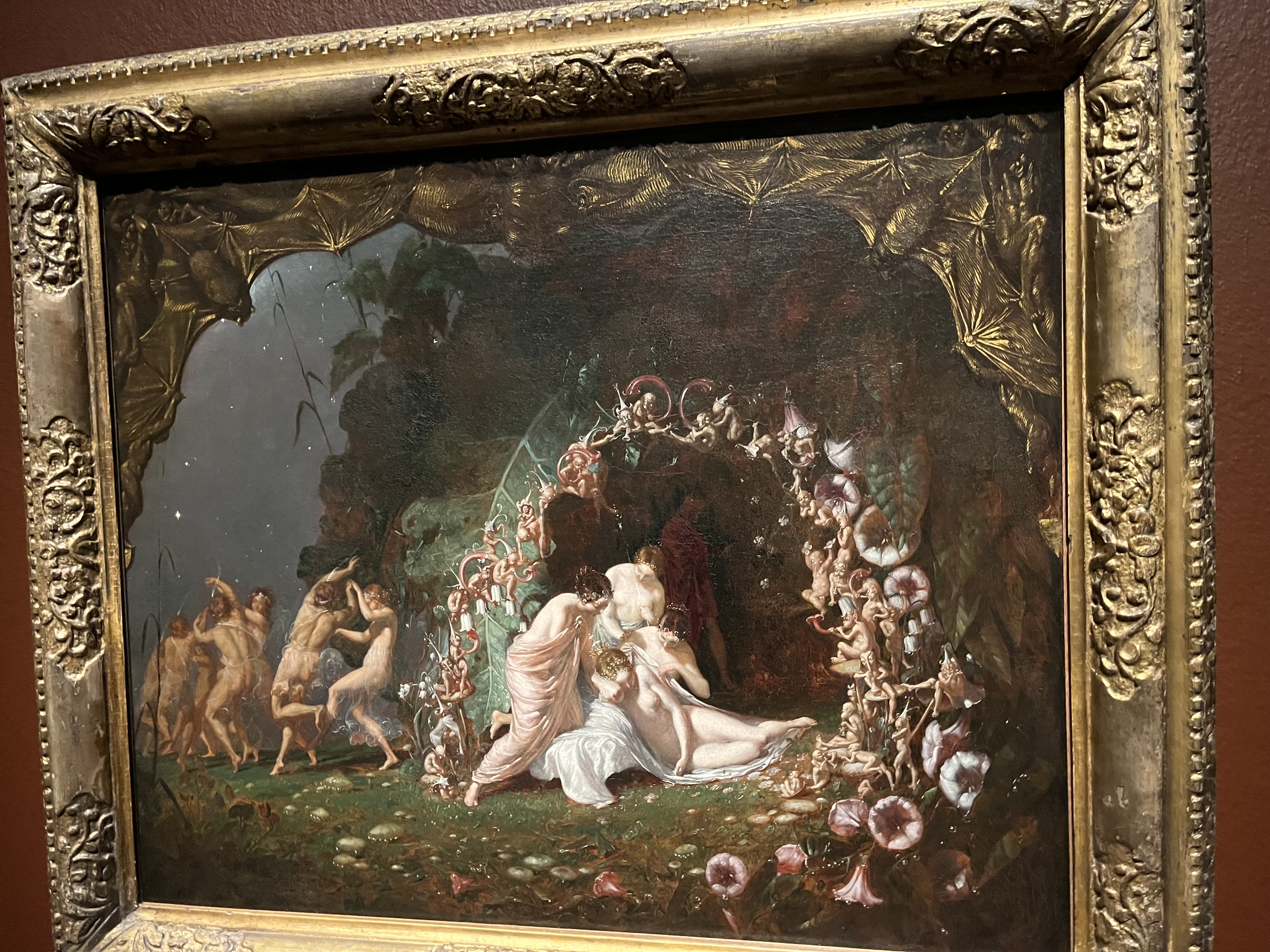
Richard Dadd

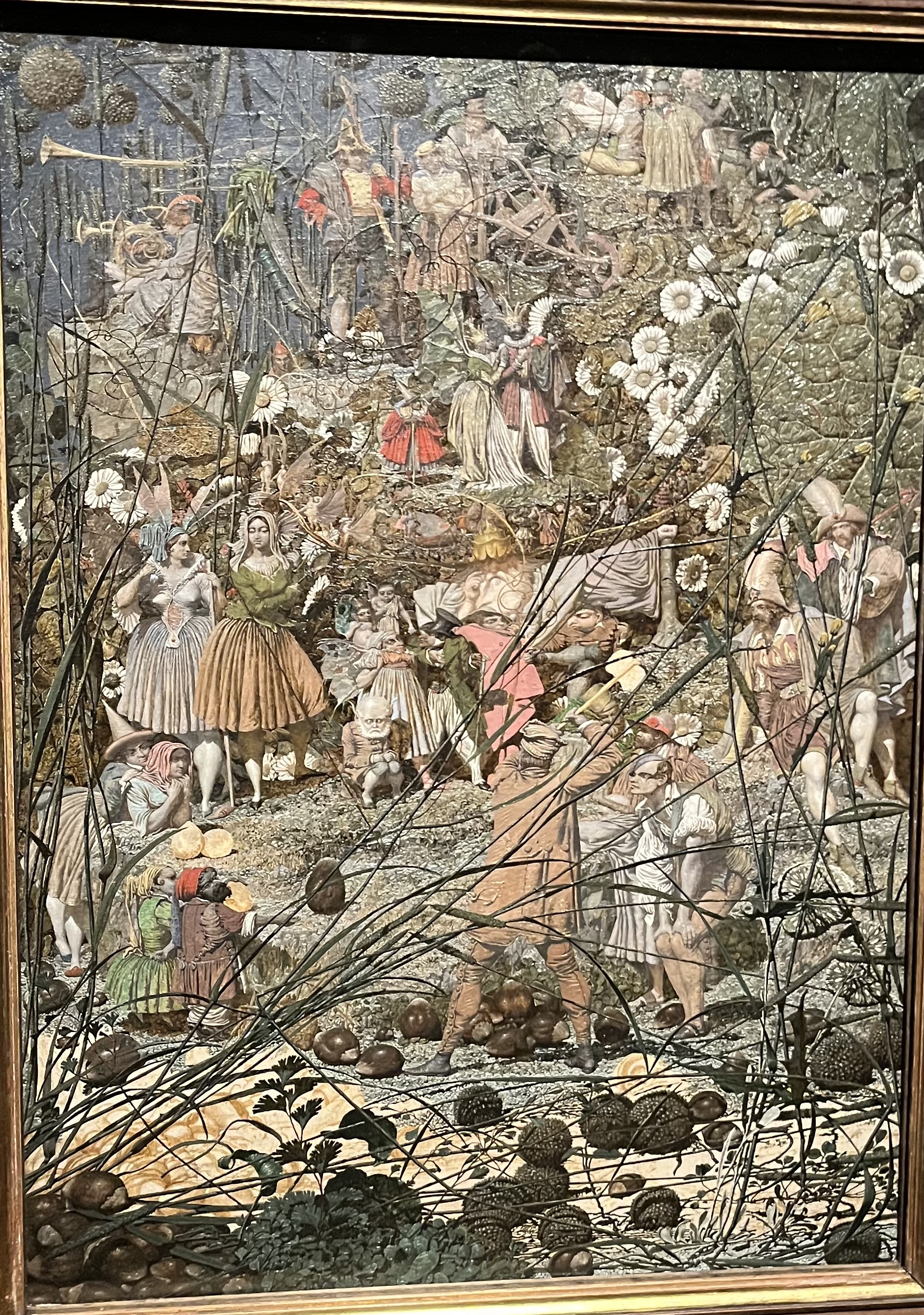
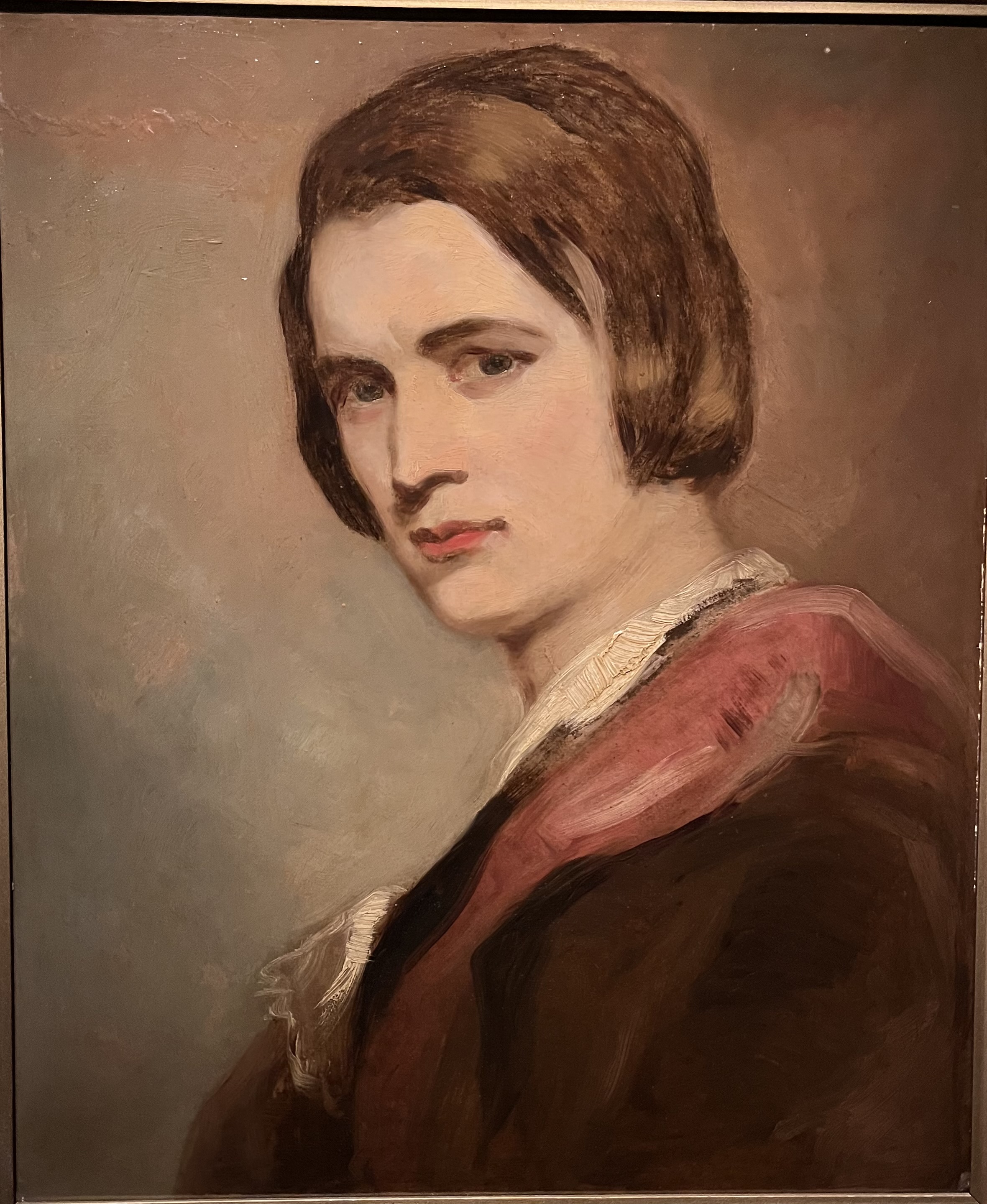
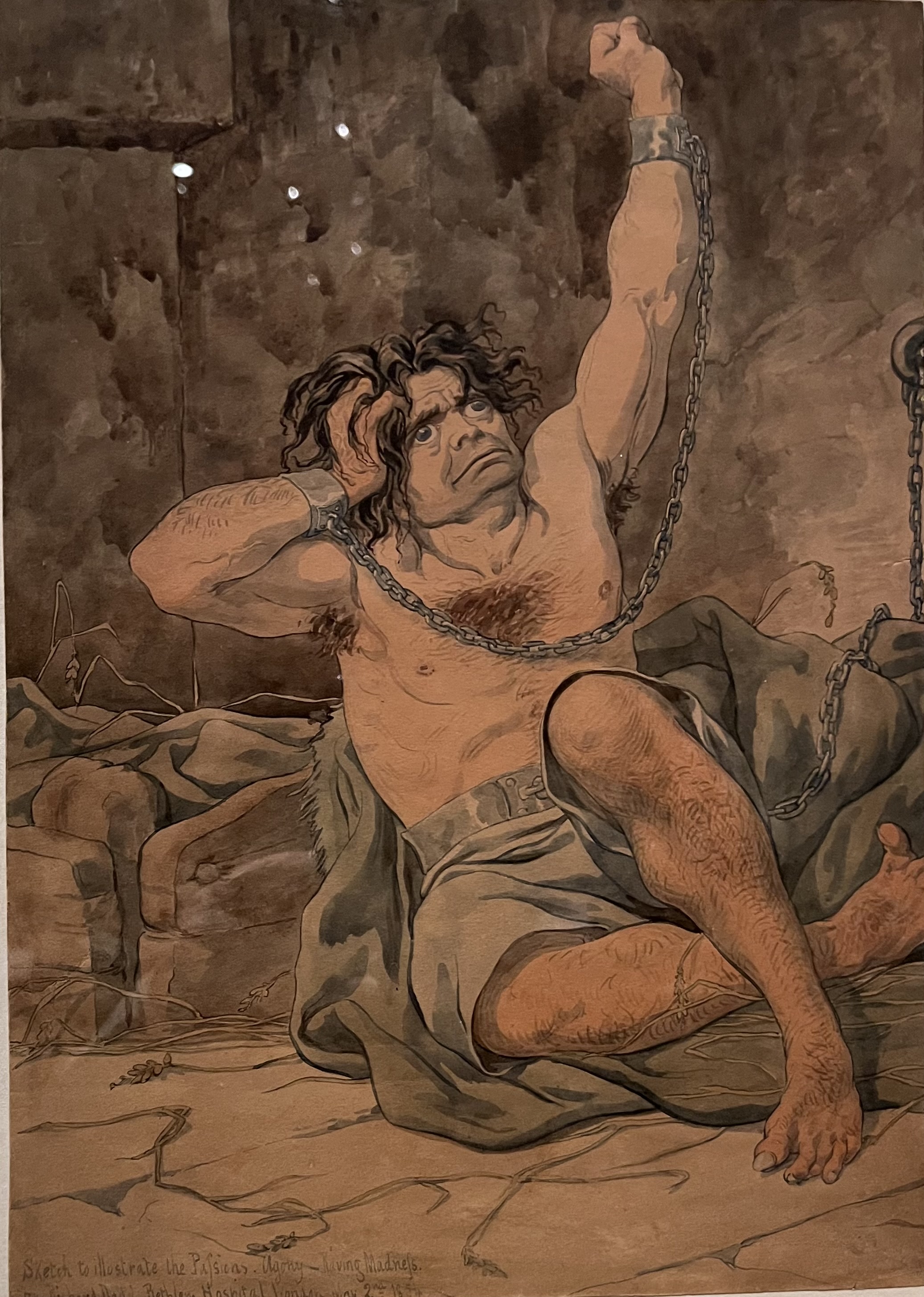
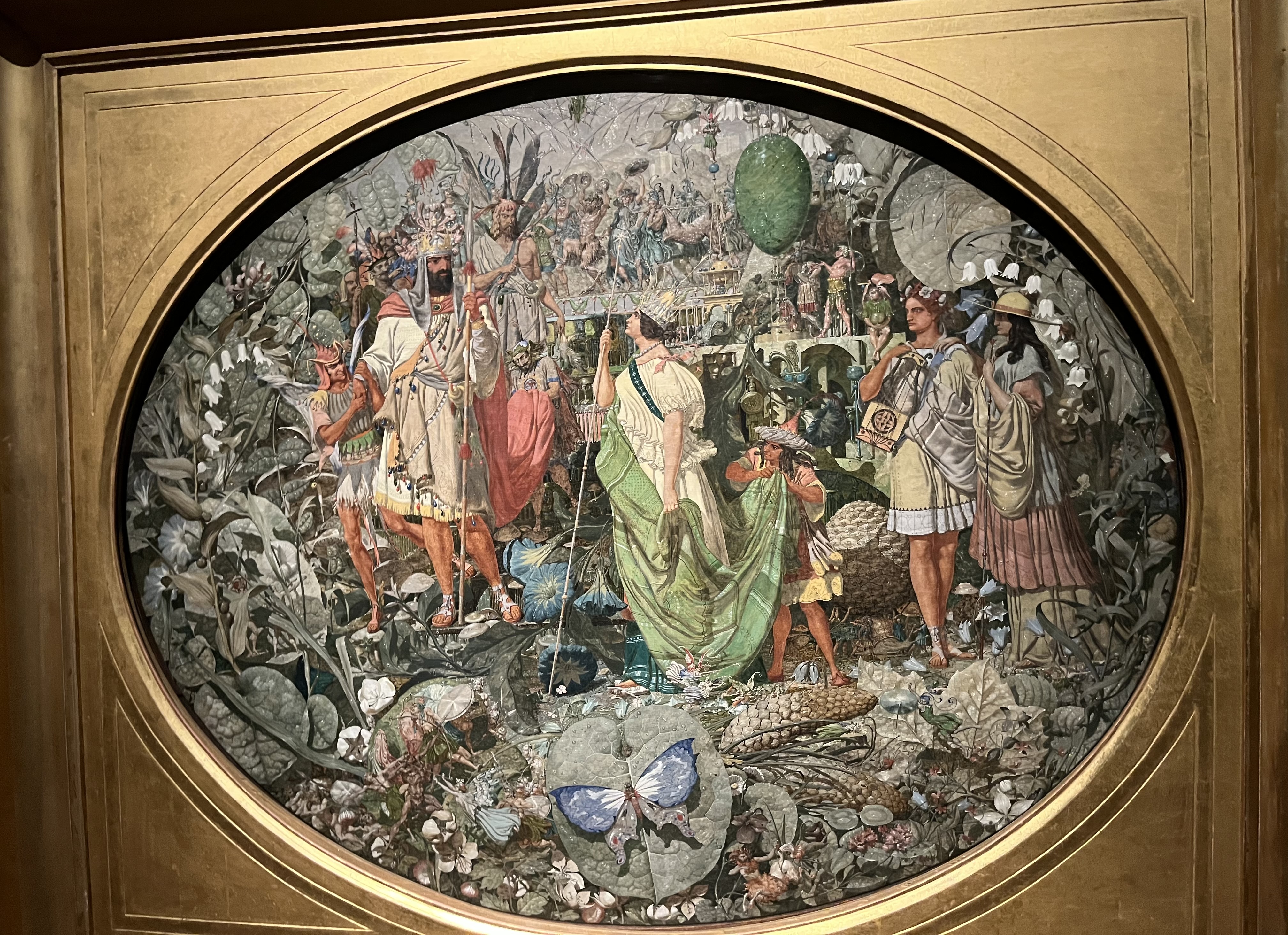
Richard Dadd murdered his father in a psychotic episode and spent the rest of his life locked up in Bedlam and Broadmoor. In spite of the (slightly Blakean?) picture here of a madman in chains, Bedlam had become a more enlightened place by then, and Dadd, already an established artist, was able to continue painting, sometimes doing portraits or commissions for the staff. One of these was to prove by far his most celebrated work, namely The Fairy Feller’s Master-Stroke. Although some of his other paintings are a little strange, this one is in a league of its own, and I don’t think the poem Dadd wrote about it helps explain all that much. He considered the painting unfinished, and you can see that an area at the bottom left is only sketched in.

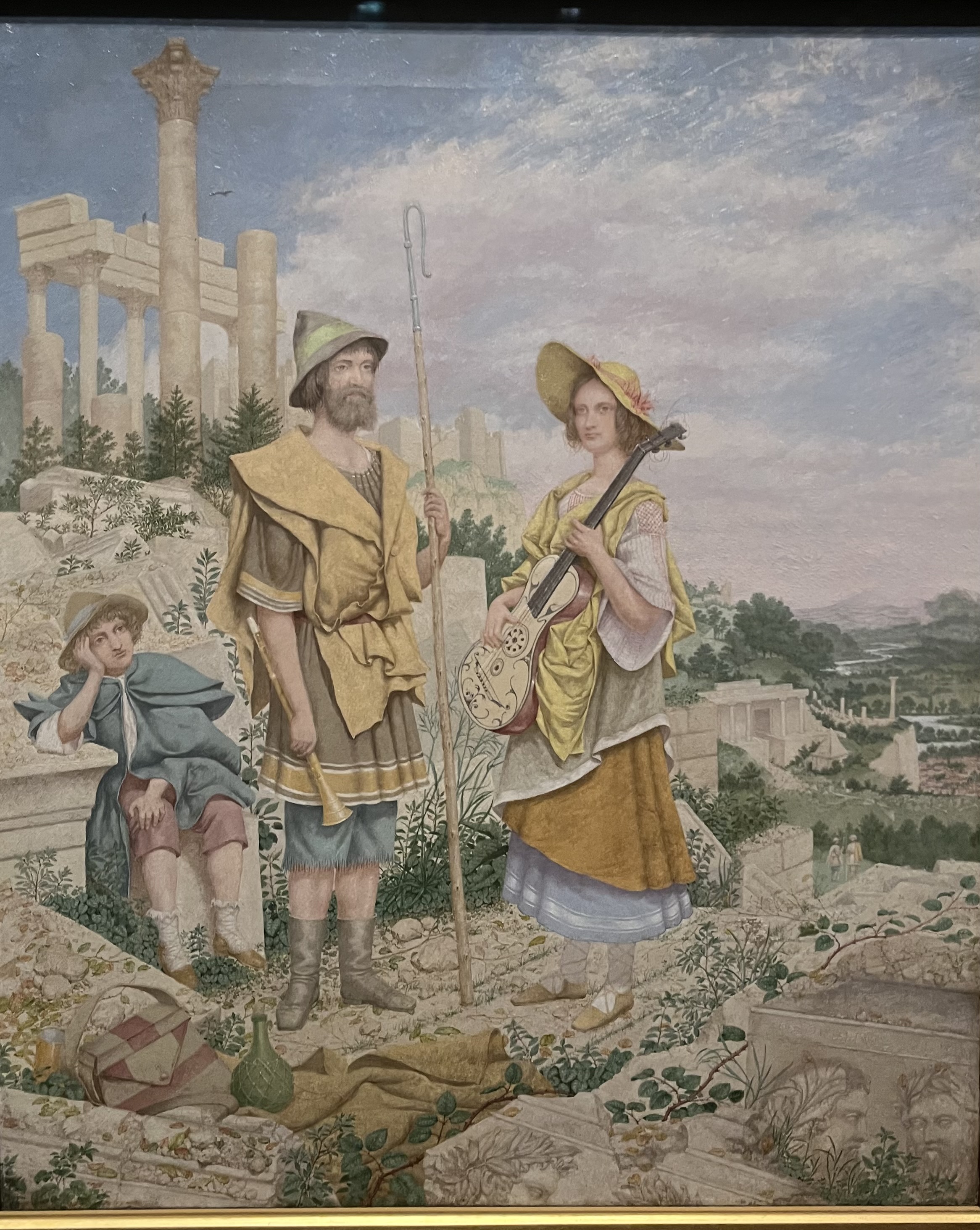
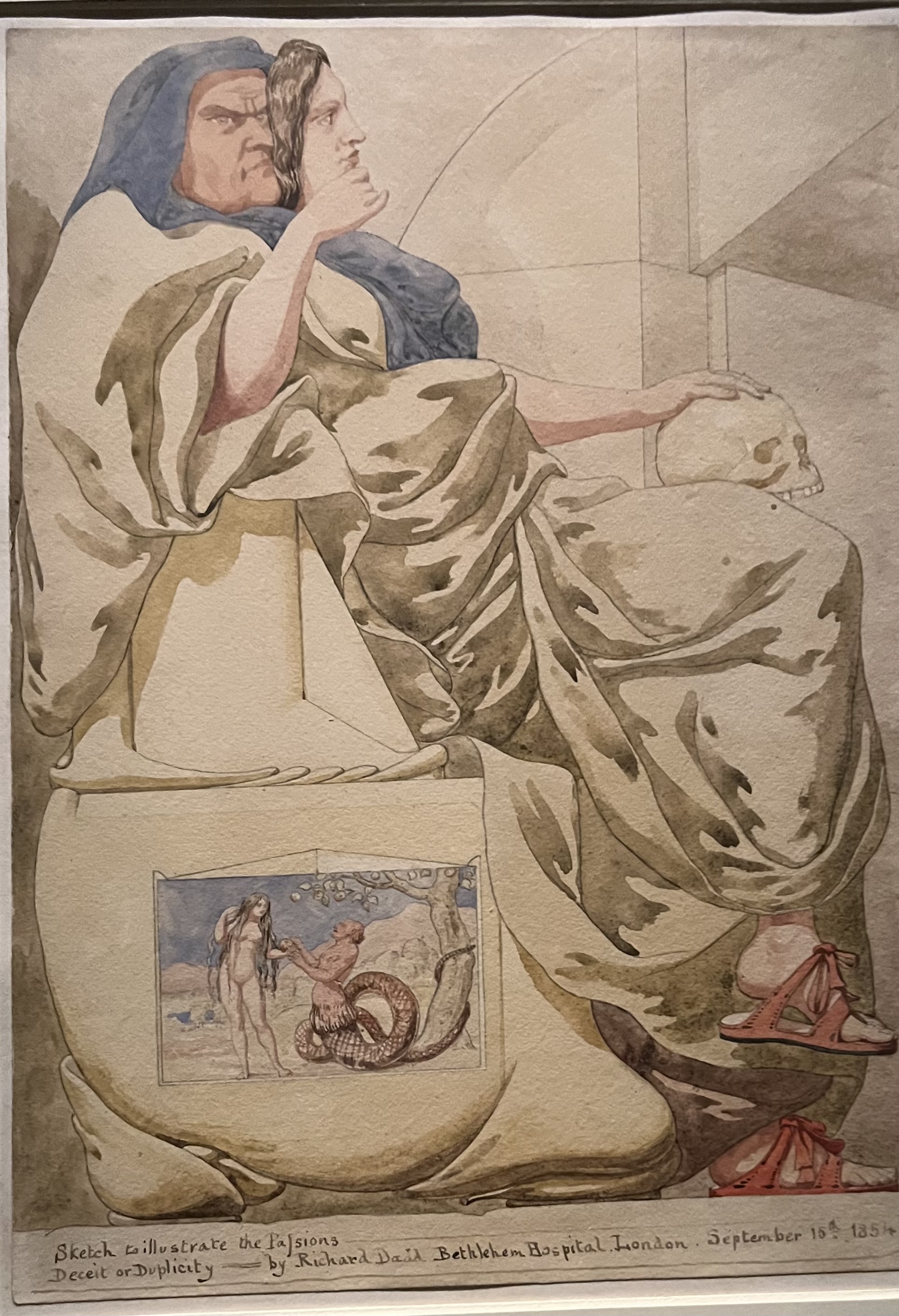
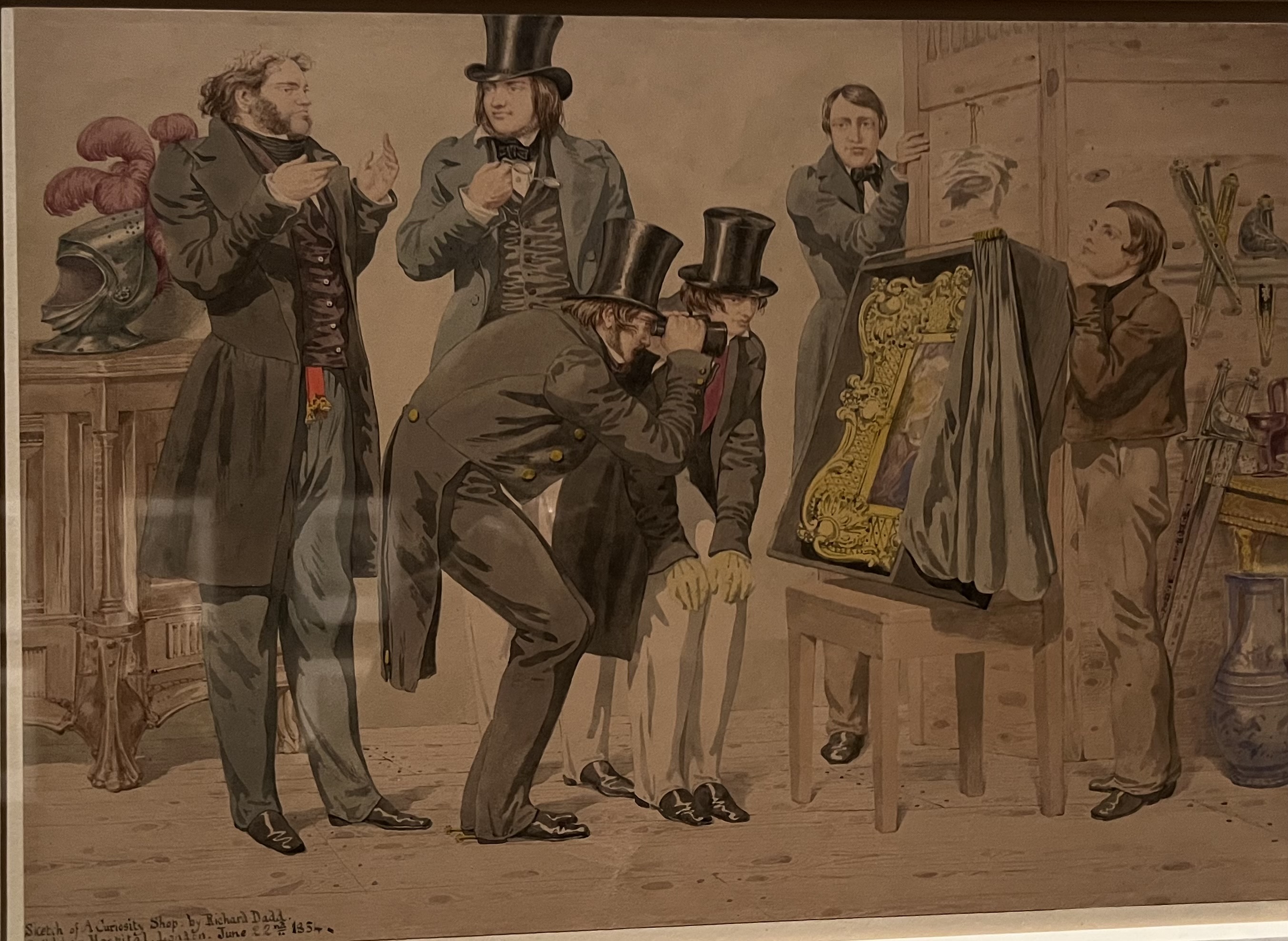
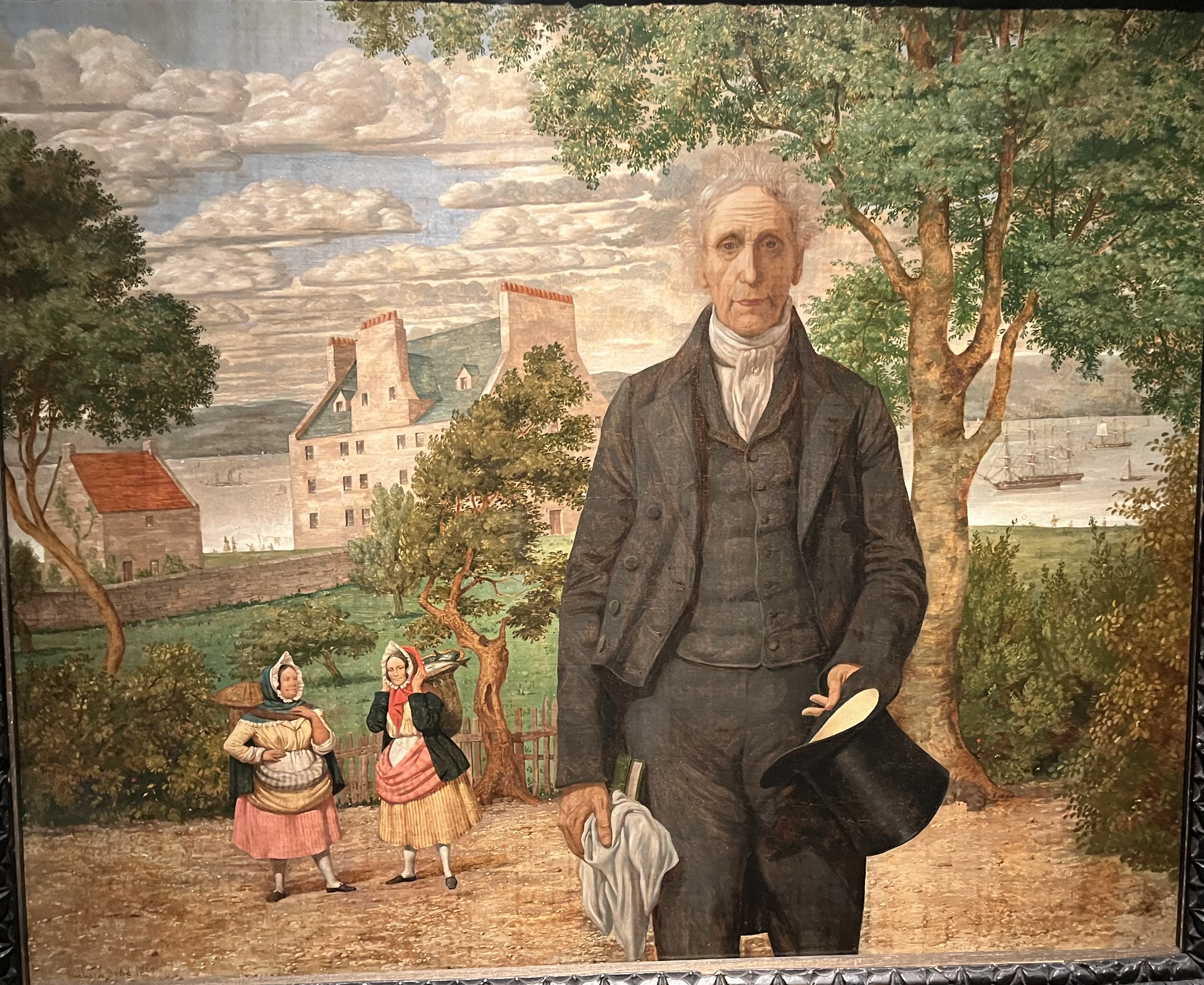
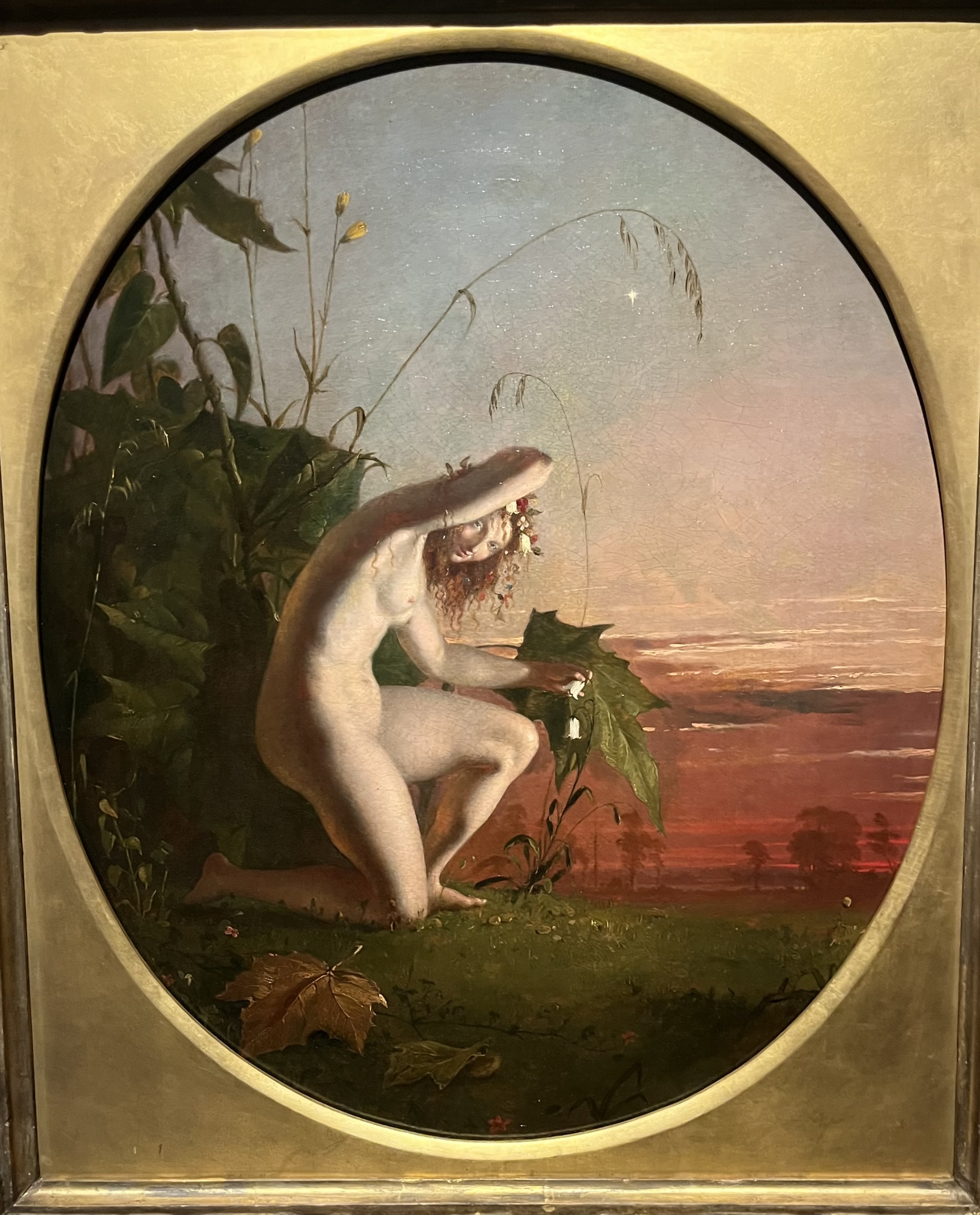
The current exhibition at the Royal Academy shows that Dadd was a real master in terms of technical skill. I don’t think I have ever seen watercolours so crisp, precise and confident. He was known for painting fairies and he liked a bit of Shakespeare, but generally his realism is impeccable and the weirdness in Fairy Feller is much less extreme in other works. Most of them are interesting but Fairy Feller is the one you could spend all day looking at.

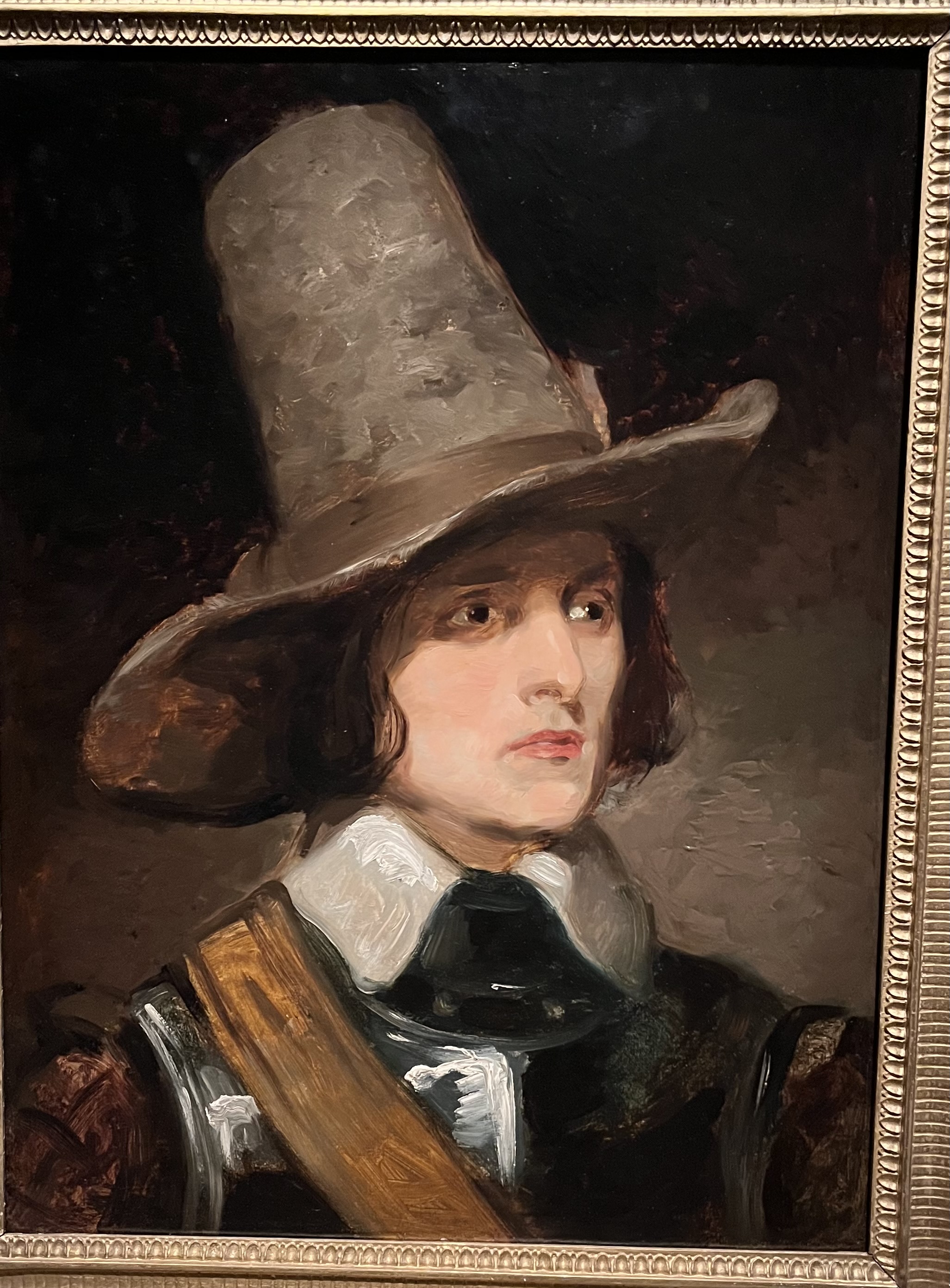
(The chap in the big hat is another artist and friend of Dadd’s who rejoiced in the name of Augustus Leopold Egg. The fellow in the adjacent picture with the strange longish hairstyle is a self-portrait of Dadd.)
Escher

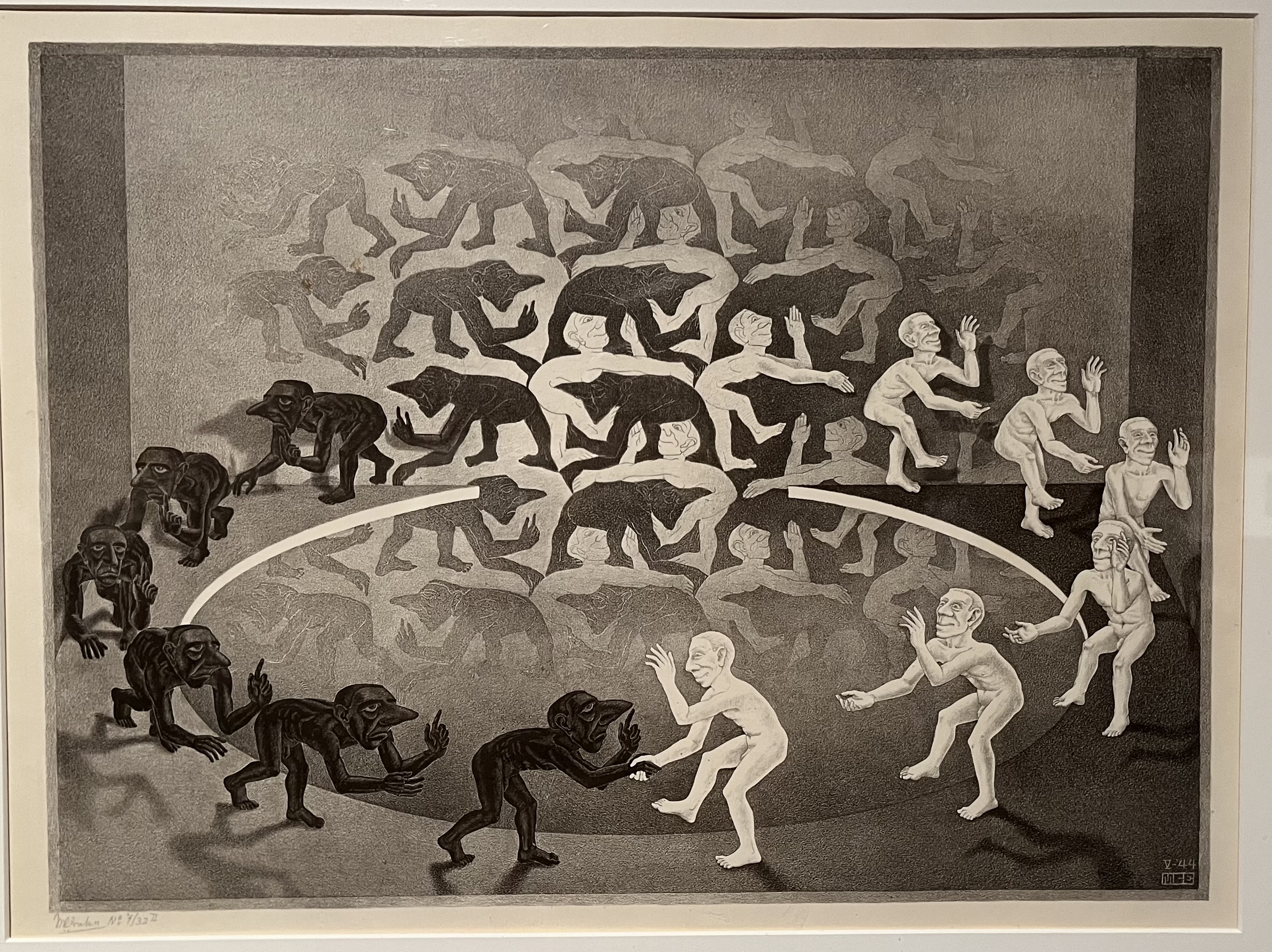
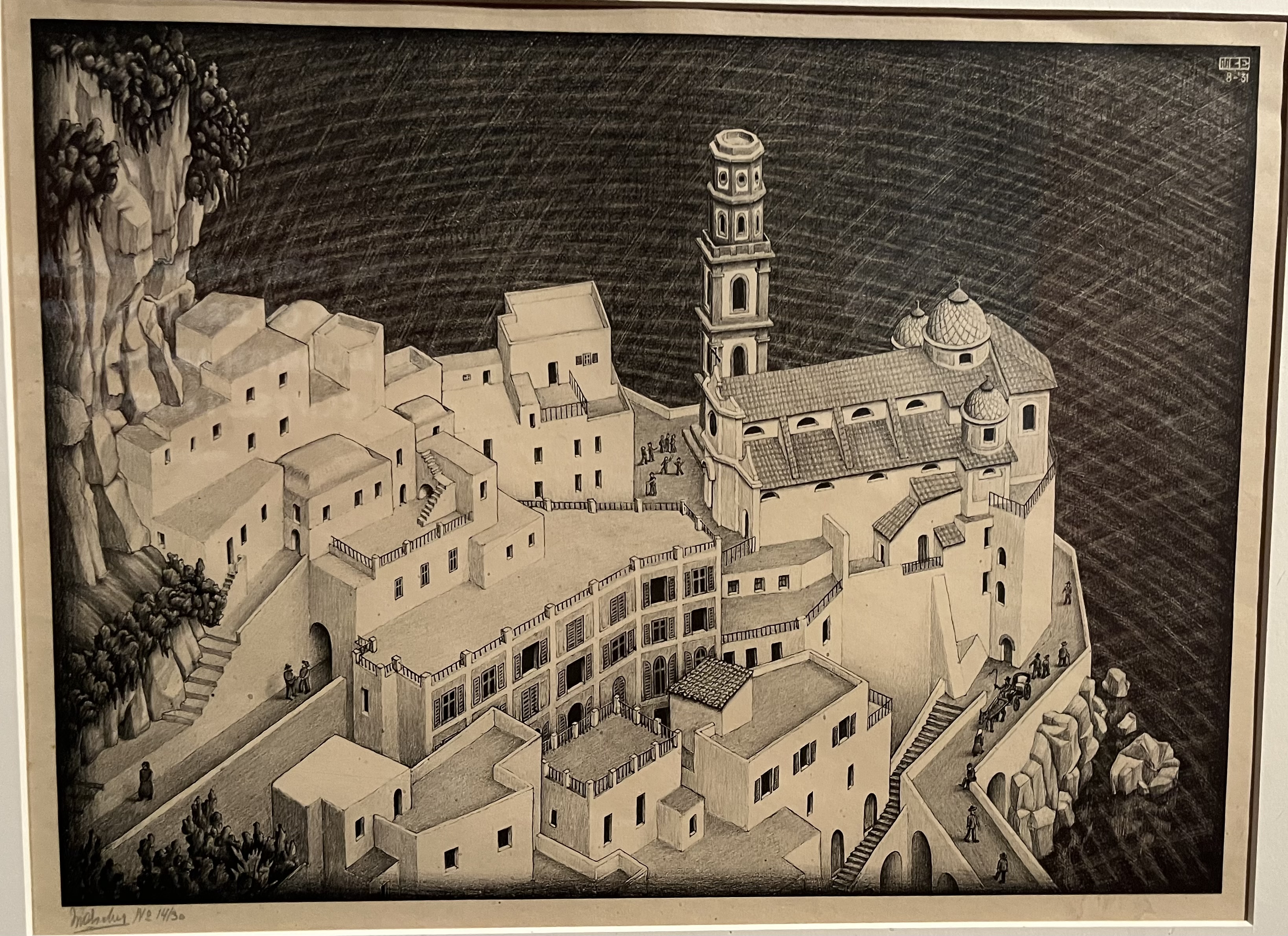
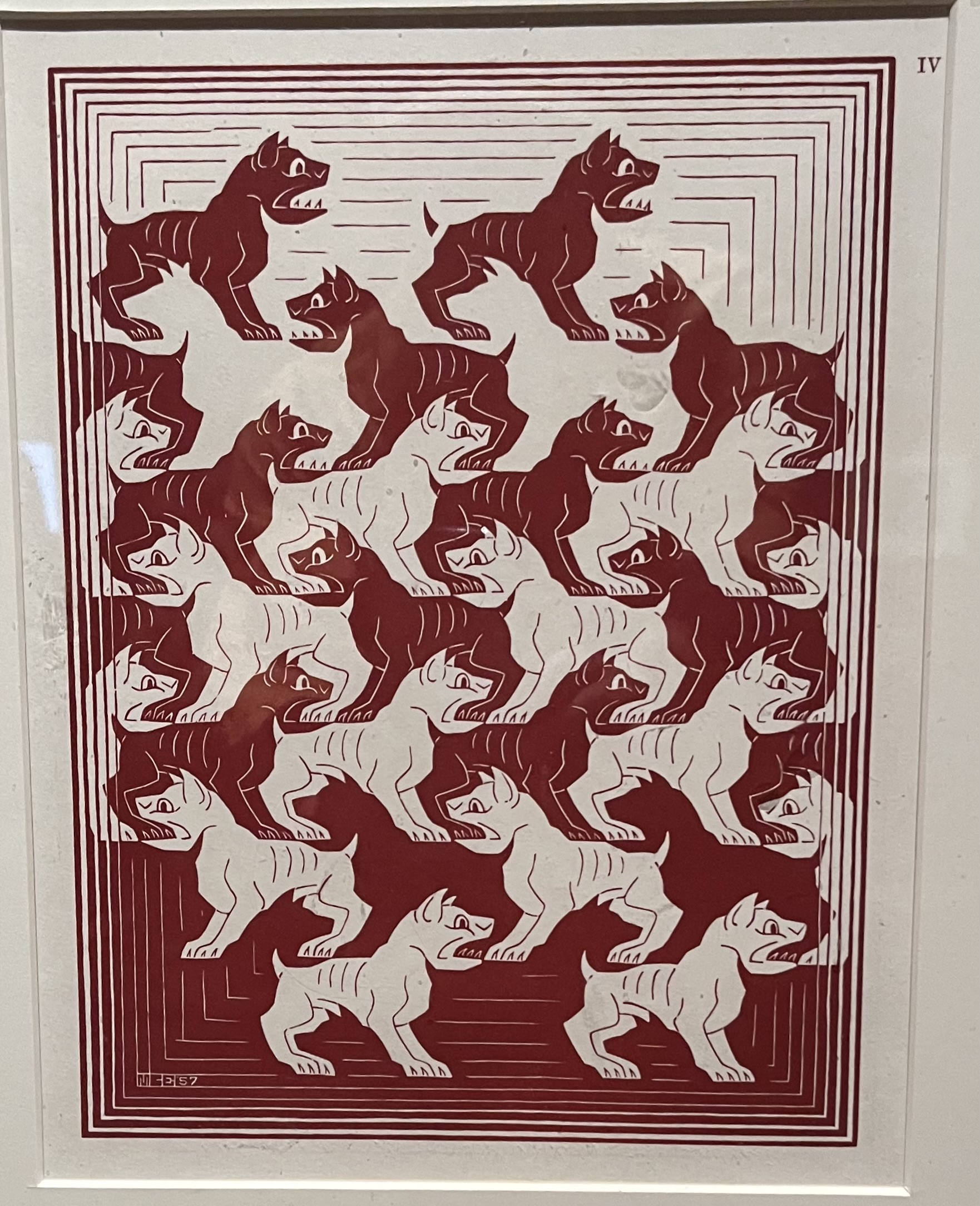
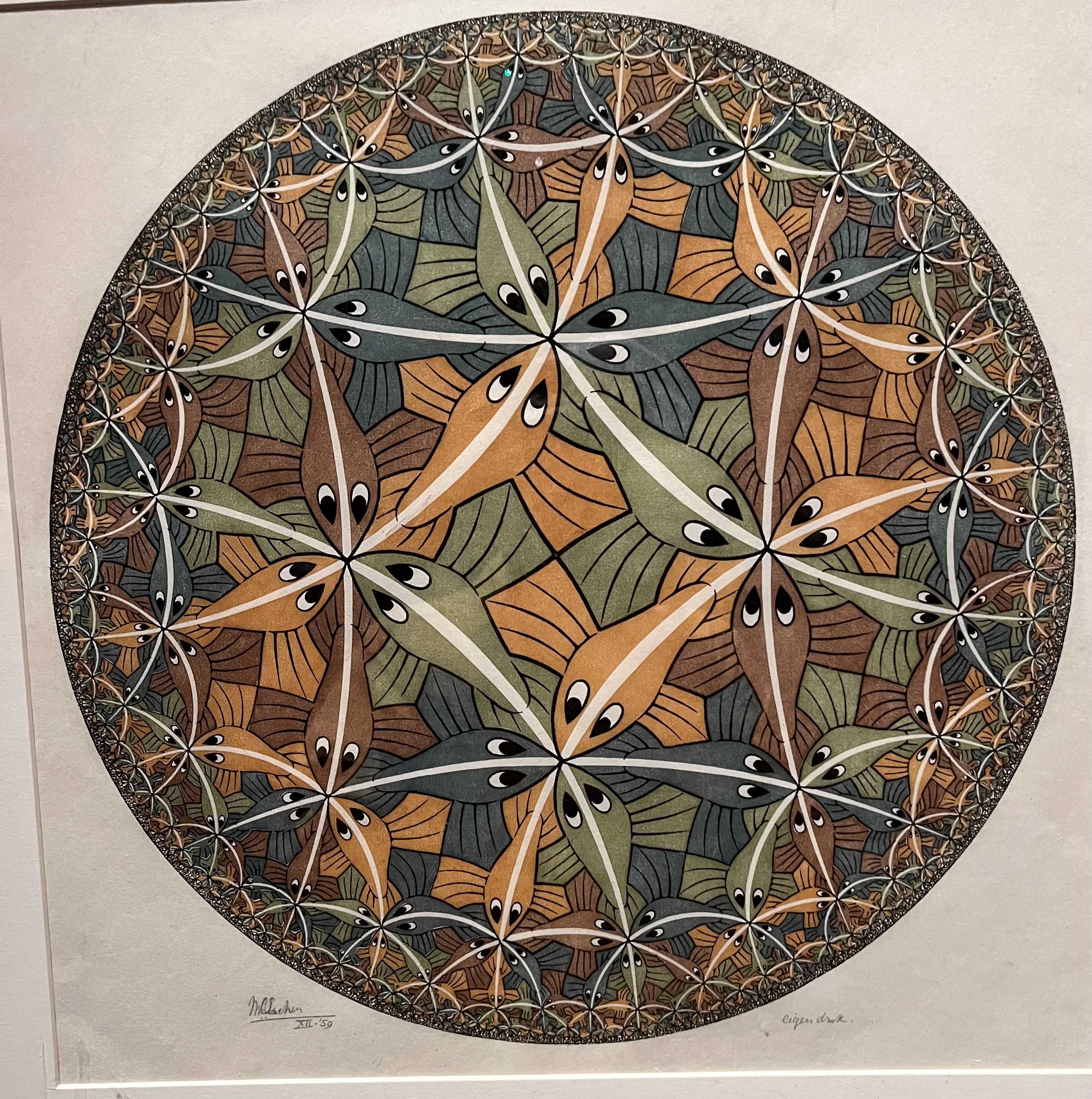
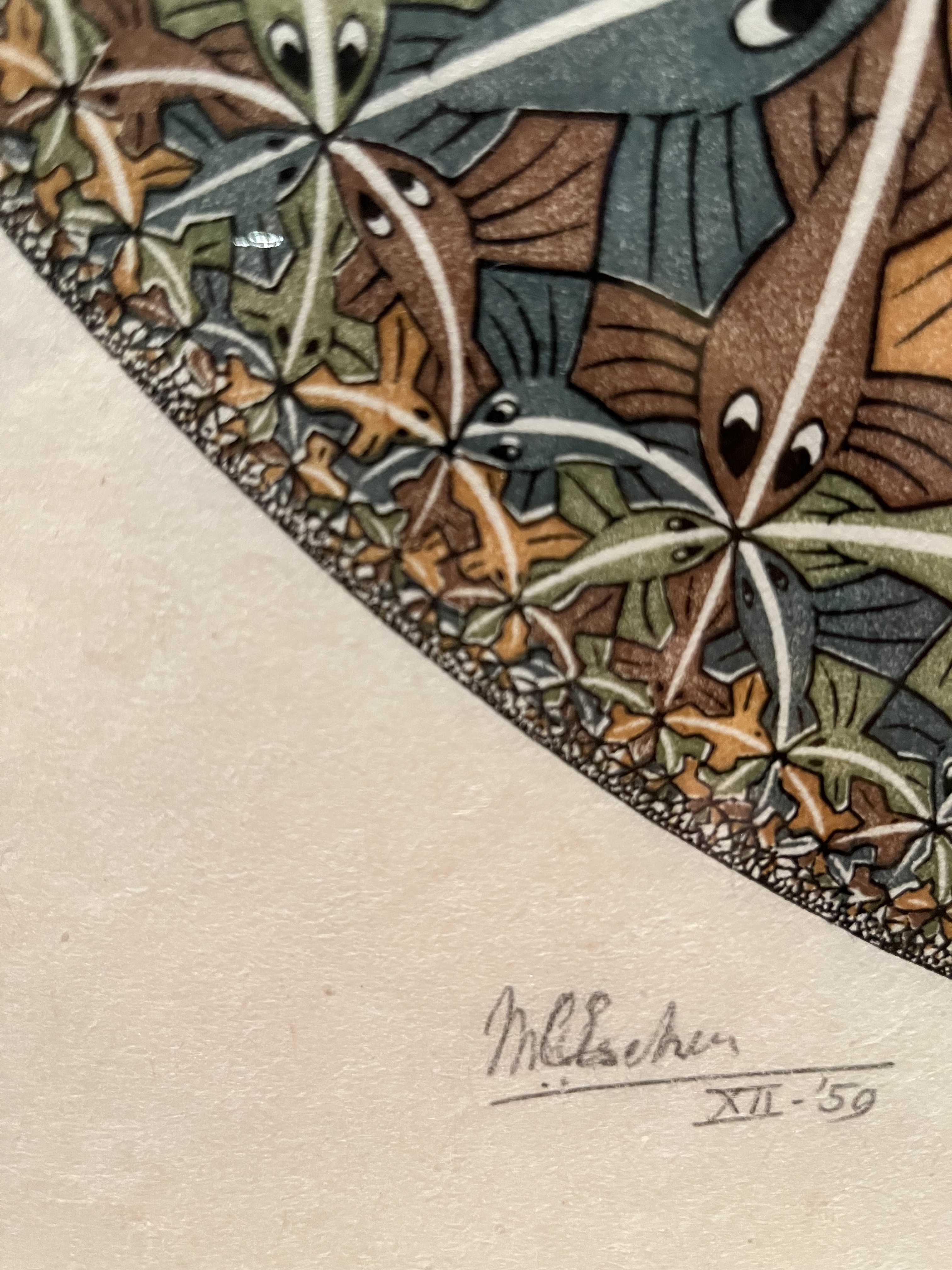
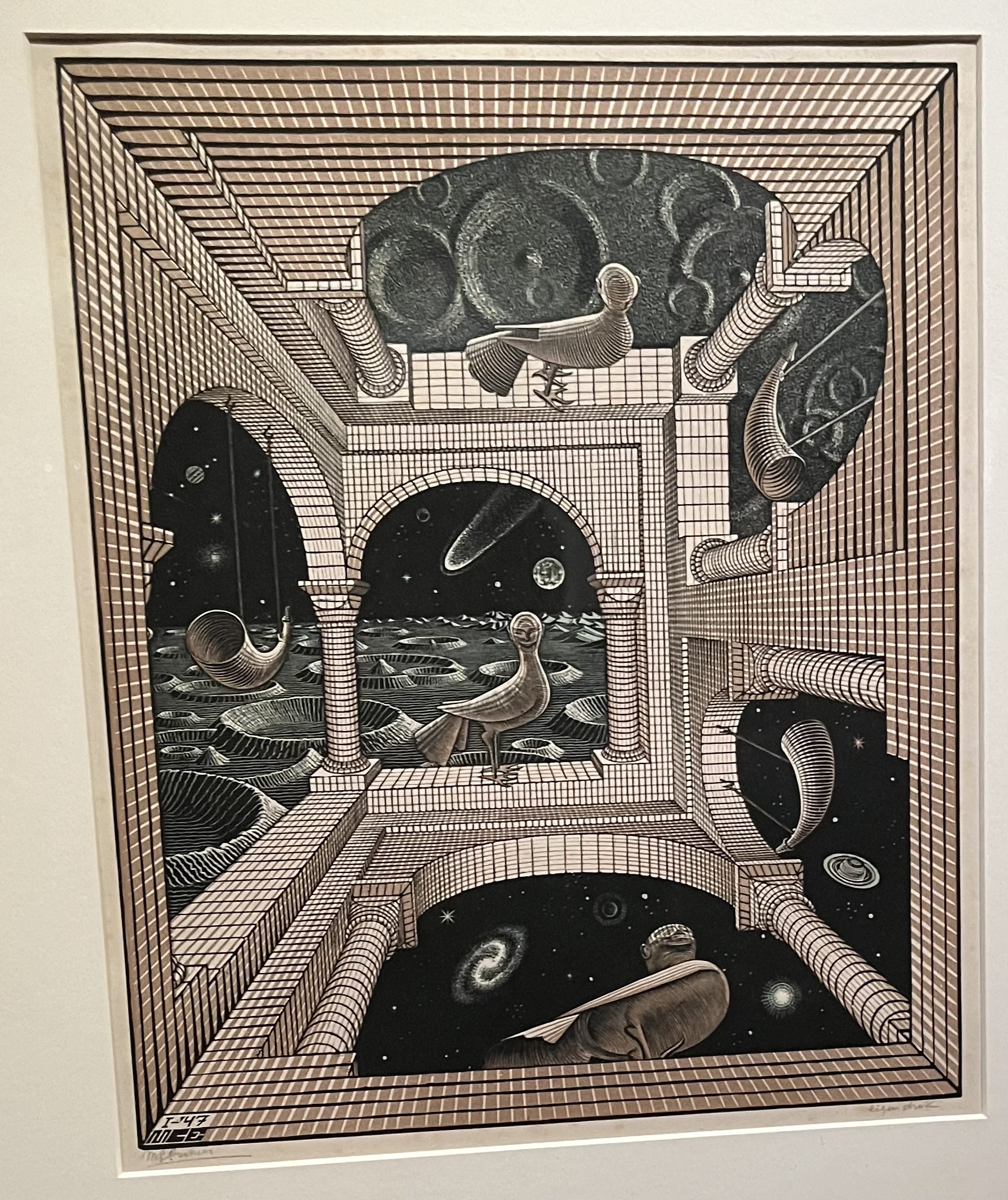
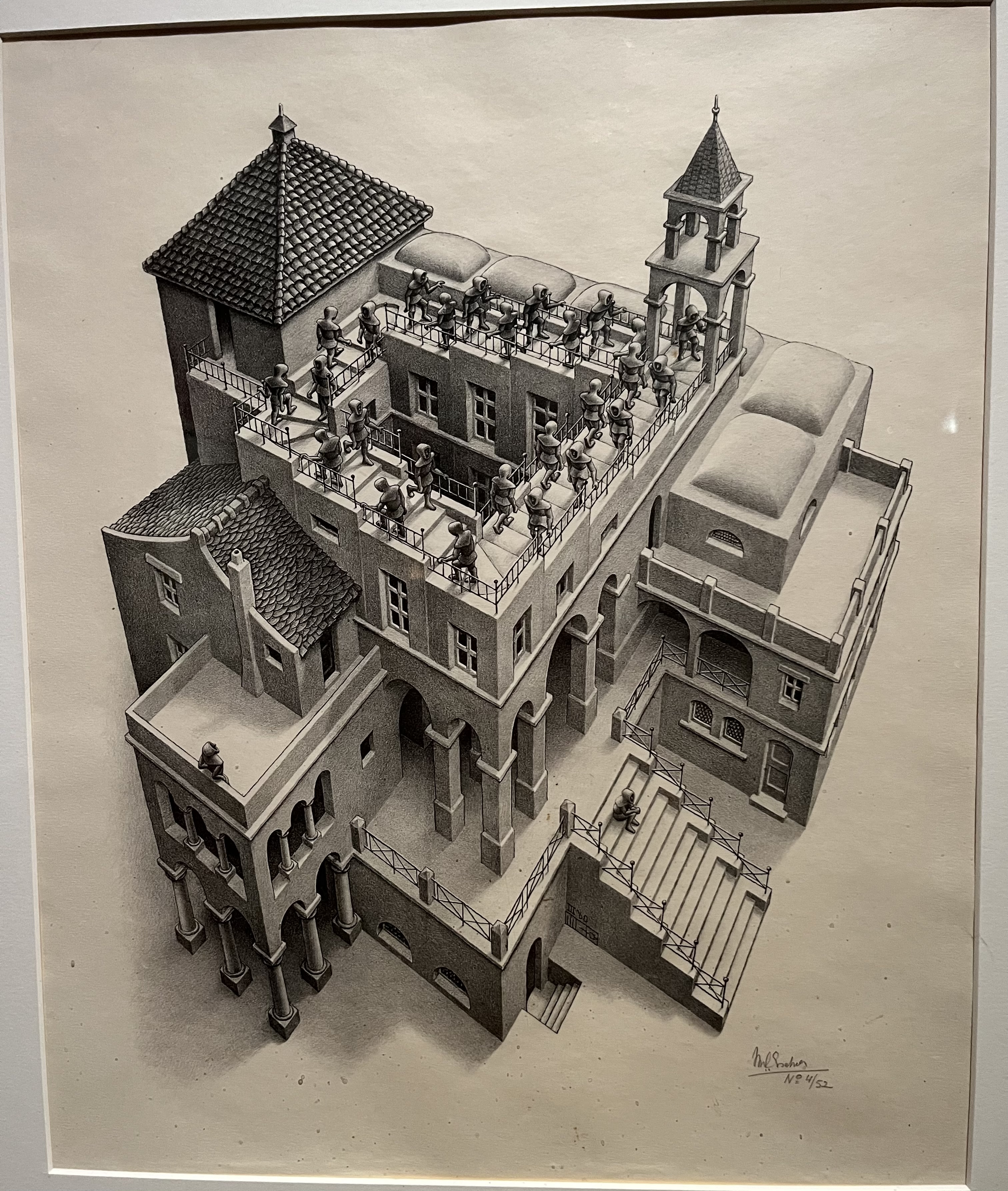
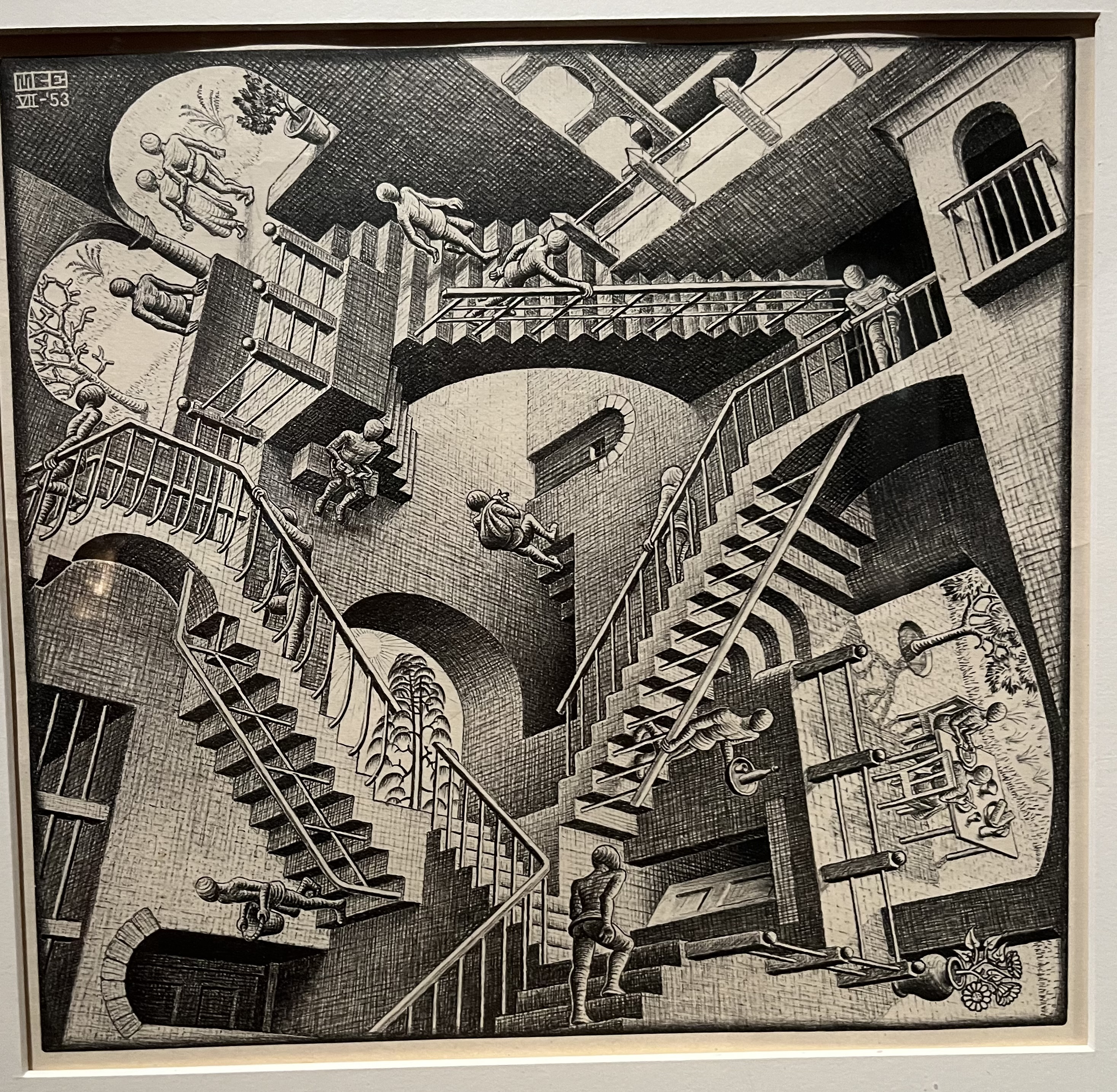
I went to the exhibition in Somerset House. It’s really a show of two halves. First, they have an extensive collection of original lithographs, including all the greatest hits. If you have a favourite Escher picture it’s here. I found myself tempted to take pictures of every one, thereby producing a poor copy of the Escher book I’ve owned for fifty years.

Although Escher made his own lithographs, and typically only about 20-30 copies of each work, you don’t get here the strong sense of the artist’s own hand that you would with a Rembrandt painting or a Goya print. It’s almost as if Escher was striving for pure objectivity. There are some pictures, especially early ones, where he seems to be aiming for a sense of romance or sentiment, but it is entirely absent from these almost spookily clean and empty buildings.

In the end, or perhaps always, he went for mathematical rather than emotional depth, and brilliantly achieved it. The exhibition notes rightly say his work is highly esteemed by scientists who see it as a bridge between maths and art. I’m not sure how strongly artists share this feeling.

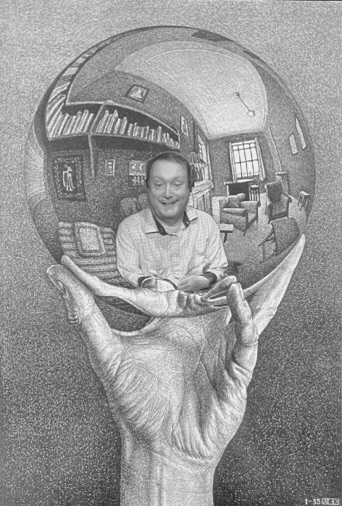
The other half of the show is some gimmicky fun stuff: a hall of mirrors, a size illusion room, and a couple of ‘insert yourself into the picture’ things. I did succumb to one of those. Escher was rather serious, though, and I don’t think he would have liked this. The exhibition includes some Escher-influenced album covers, but not the incredibly rude and curt response he sent in answer to a flattering personal letter from Mick Jagger. The exhibition mentions that the hippy movement appropriated Escher images, creating day-glo versions with new trippy titles, and says that Escher hated them. But the exhibition still includes a small room full of them.

So you could say there’s something here for serious Escher fans and for those who want something the kids can enjoy. I’m glad I went but have a slight feeling I would have done nearly as well by spending an hour with that old book.

Grayson Perry Delusions

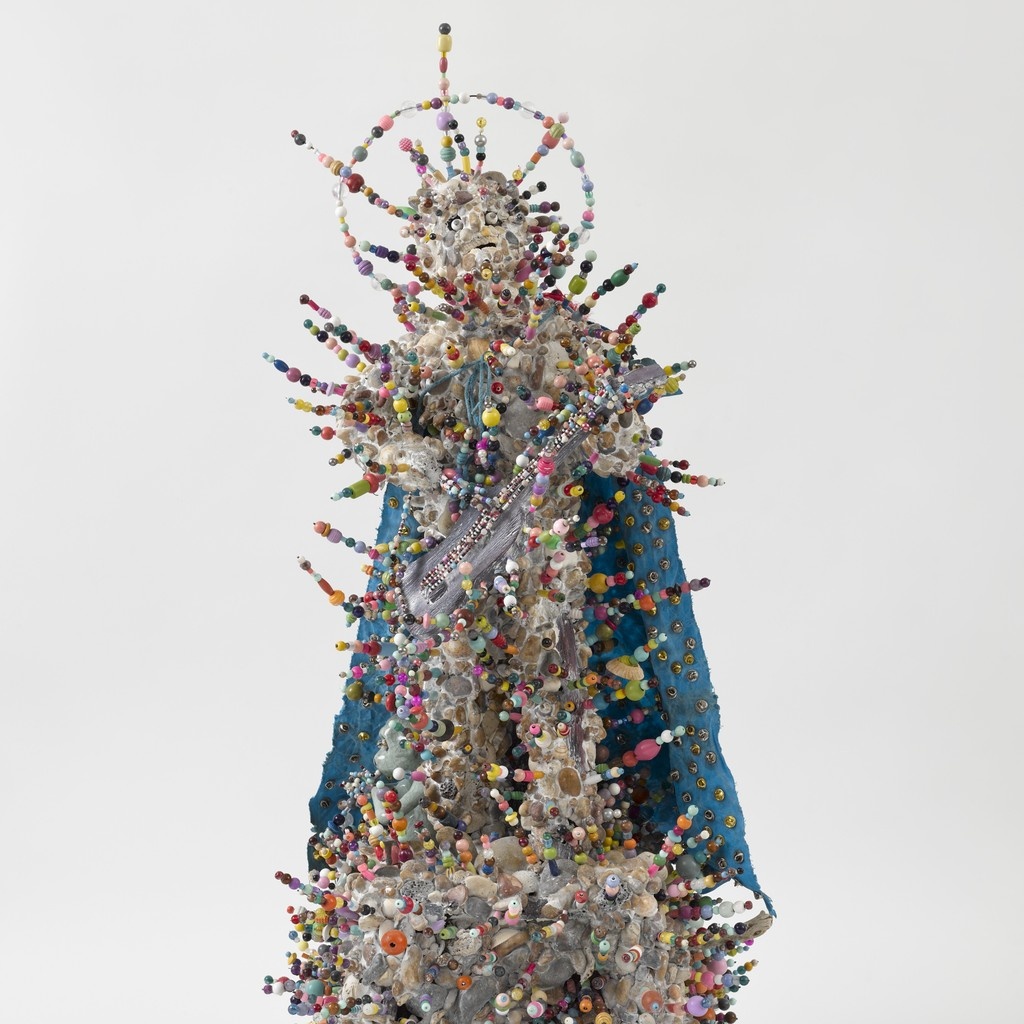
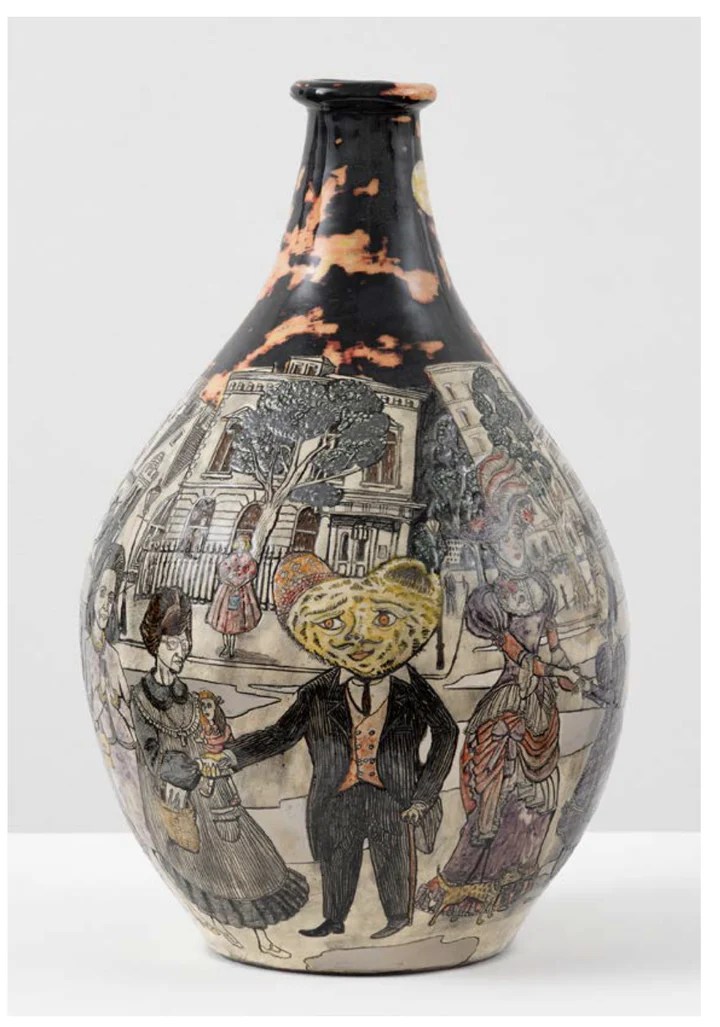
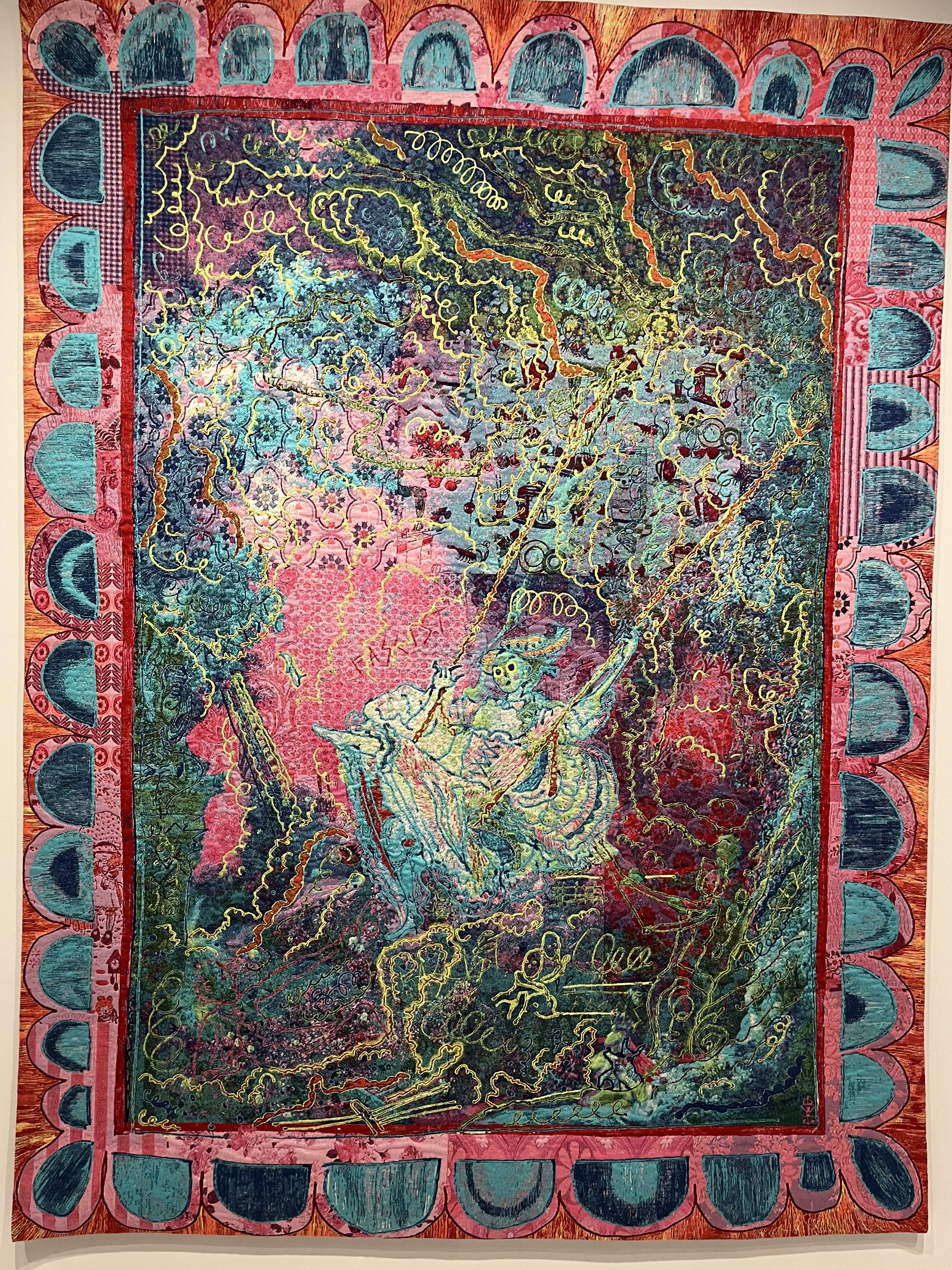
Delusions of Grandeur at the Wallace Collection is an exhibition in which Grayson Perry reacts to the items in the museum. It got lukewarm reviews when it opened, perhaps because of a lack of coherence. Certainly Perry makes things complicated. We know that context changes the significance and even the value of art, and he likes to control that context by inventing new artists to be the ‘creators’ of some of his work – arguably even ‘Grayson Perry’ is one. Here apart from personas we have seen before he introduces the artist Shirley Smith, also the deluded Honourable Millicent Wallace who believes herself to be the true heir to the Wallace Collection. This opens the way to many reflections on the palatial and the ladylike. He complicates things further by bringing in the work of two real outsider artists, Madge Gill (whose stuff was exhibited here in its own right when the galleries had been emptied in WWII) and Alois Corbaz. So there is no simple story to the exhibition: but how could there be? The collection is complex and so is Perry, and this is the shadow thrown by the former on the latter (or vice versa, or both). This unmanageable complexity is acknowledged right at the beginning by a figure of a Man of Stories who has narrative threads literally bursting out of him.

Coherent or not, Perry is never uninteresting, and there are some nice things here, notably a helmet and figure in armour that are a tribute to the Wallace’s formidable collection of arms and armour, but also great objects in themselves. The ‘tapestries’ Perry goes in for these days are less successful in my eyes. Whisper it quietly, but perhaps the best stuff is the pots.

Not for everyone – you probably know already whether you like Perry’s stuff or not – but I enjoyed it.