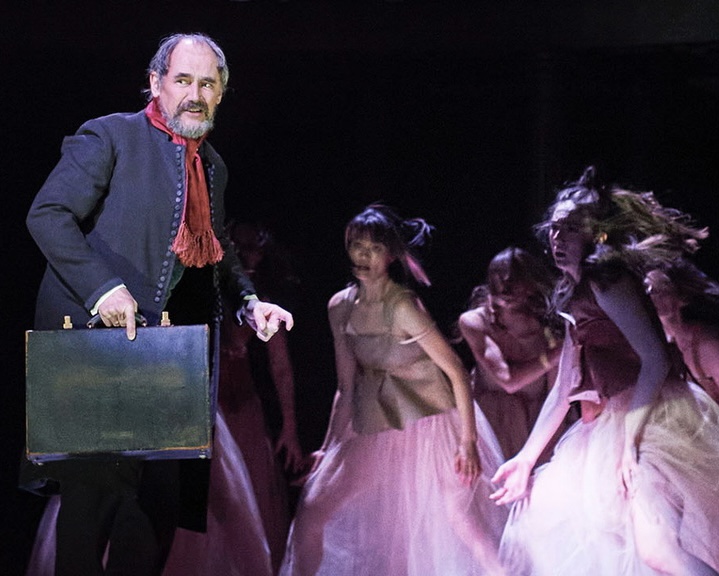
Tartuffe Remixed
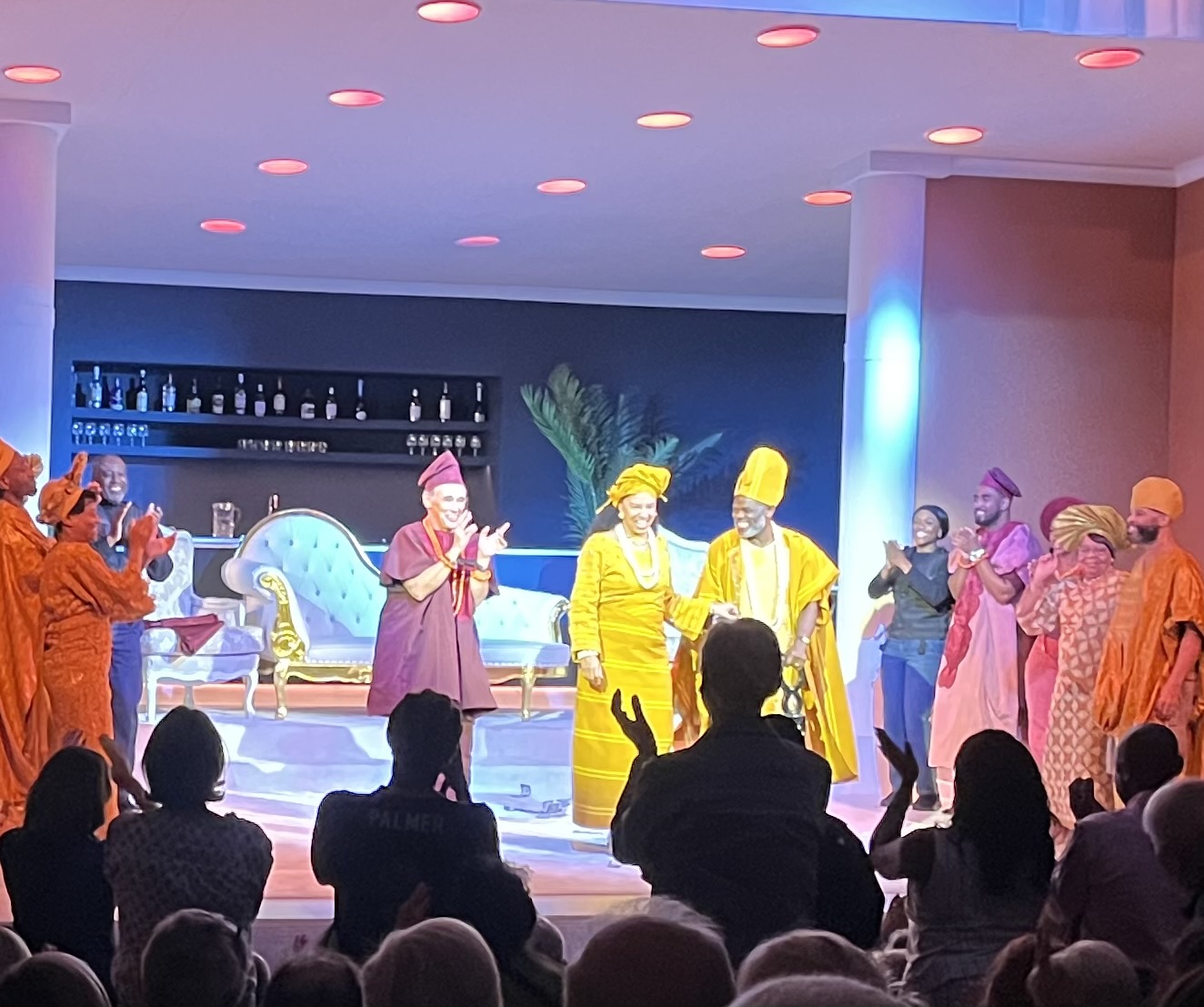
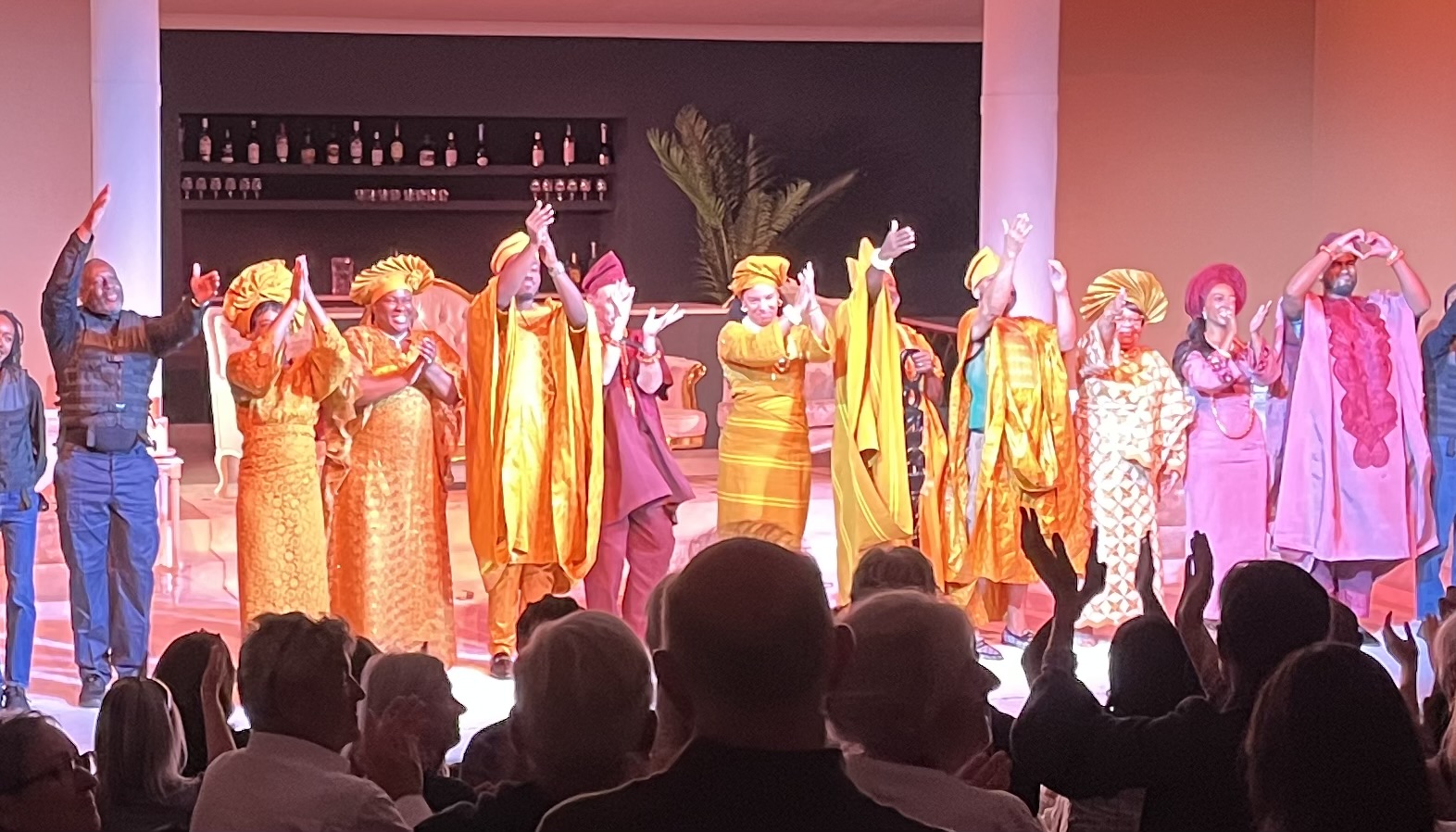
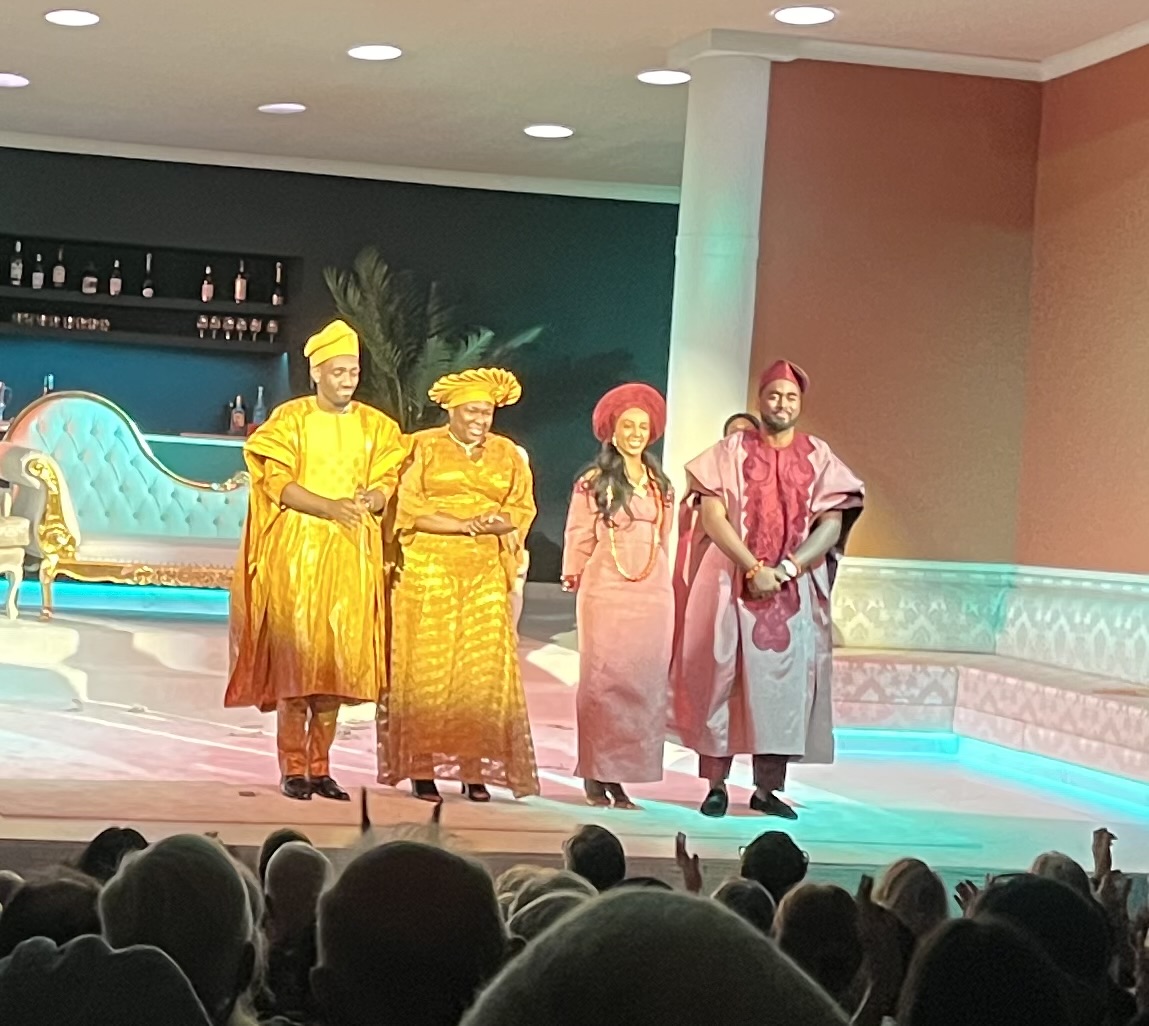
I played the part of Tartuffe myself in 1974 (it was of course a school production). At the smallish Marylebone Theatre they have a new version starring Mark Rylance as ‘Pastor Blake’.
The action is transferred to the eve of a wedding between a West Indian boy and a Nigerian girl. Just as in the original, a dodgy cleric wins over the father to such an extent that he hands over his entire property and even attempts to make his daughter marry the Pastor instead of his beloved. Darren Raymond’s script is clever and funny (in rhyming couplets, too!) and the cast deliver it with gusto. Lots of laughs, though a Jamaican would no doubt pick up a few cultural references I missed. So an entertaining production, and the obvious point of two black families being exploited by the only white member of the cast is not laboured too much.
Both of the slight flaws are inherited from the original. It’s hard to believe in the Molière that Tartuffe could really talk the father round so completely in the teeth of all common sense. Here Rylance plays Blake as a wonderfully seedy priest, hugely entertaining but surely even less appealing? The other problem is the ending. The French version is perhaps the most shameless case of a deus ex machina: the King just turns up and annuls Tartuffe’s triumph with a wave of his hand. How does a modern version deal with this? Raymond hasn’t really got an answer. But it’s a lot of fun.