Cyrano
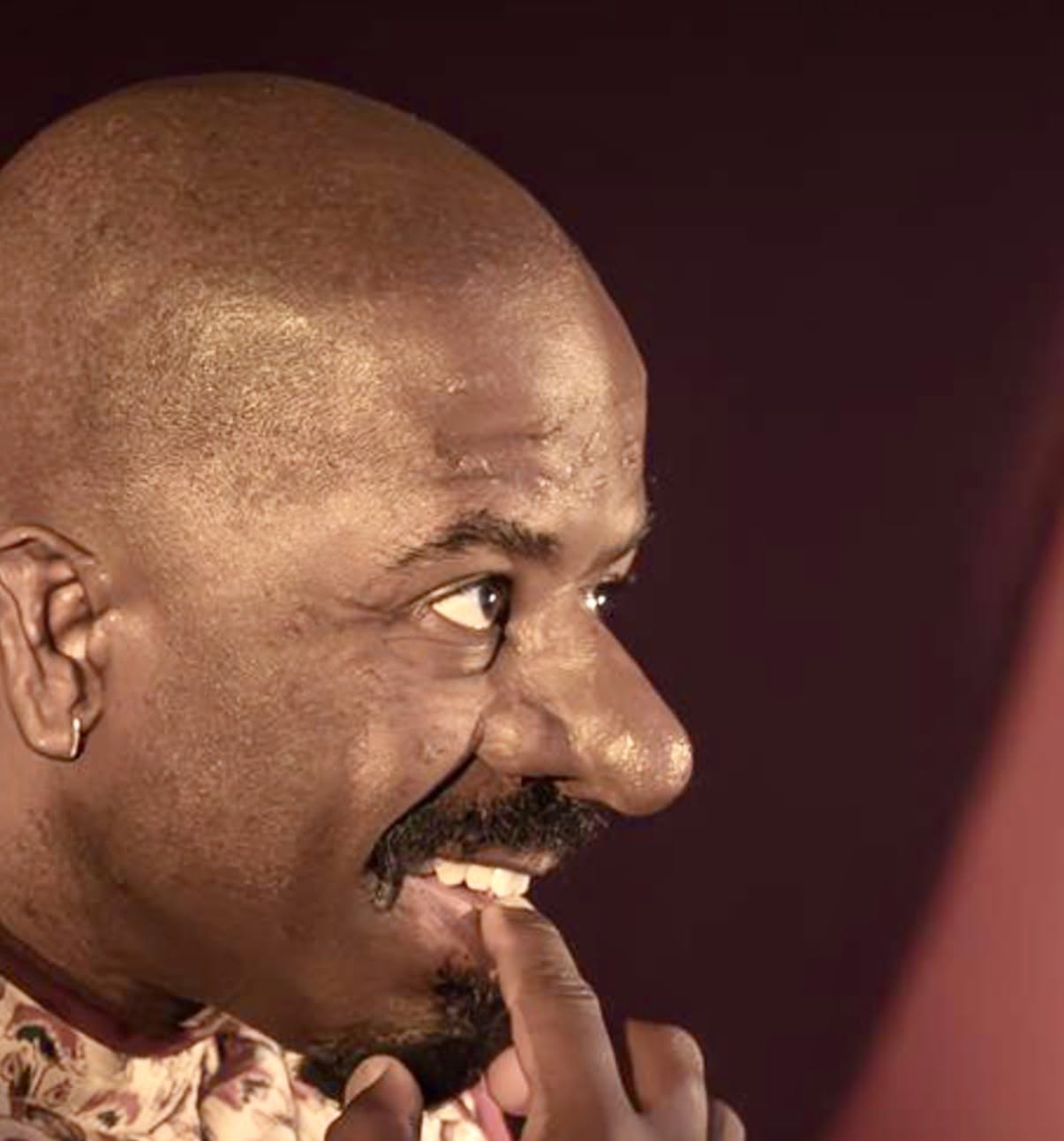
We went to see Cyrano de Bergerac at the Noel Coward Theatre. It was pretty good: the adaptation is lively and Adrian Lester is a really good, convincing Cyrano. The last time I saw this play was 36 years ago with Edward Petherbridge, who definitely emphasised the poet in Cyrano, whereas Lester leans more to the warrior, but he’s balanced and reflects the character well. If I can risk sounding like a old git, I appreciated his delivery: I think some contemporary actors, used to TV and film, don’t really know how to project into a live theatre, but Lester’s voice and diction are exemplary, crystal clear to the back of the auditorium.
The play, to be honest, is a bit old-fashioned. The first scenes are unnecessarily confusing: the last act could be cut almost entirely. There are some creaking old dramatic devices at work: the people who are always interrupted just before they speak the words that would change everything: a character who gets a fatal wound and then walks and talks for another forty minutes before suddenly doing an elaborate, prolonged death. The big problem is with the credibility of the character’s motives. Roxane knows Cyrano all her life, but never suspects she might fancy him until she discovers he wrote all those words, when she instantly realises she loves him. She declares explicitly that she loves the man who wrote those words ‘in spite of his face’ even while she still thinks it was handsome Christian, sounding more as if she were a character in a logic puzzle than a real person.
And what about Cyrano? His refusal to declare his love, his committed support of Christian? Roxane is allowed here to briefly suggest his behaviour is manipulative, but a modern audience, with darker and more sophisticated ideas than the Victorians, can’t help wondering whether Cyrano’s behaviour is perverse in a deeper sense, with him getting a certain secret pleasure out of the idea of his beloved in the arms of another. Still, the number of times the story has been borrowed and updated shows it is an appealing archetype.
Anyway, I recommend this production.


 Seen and Done