The Armed Man and more
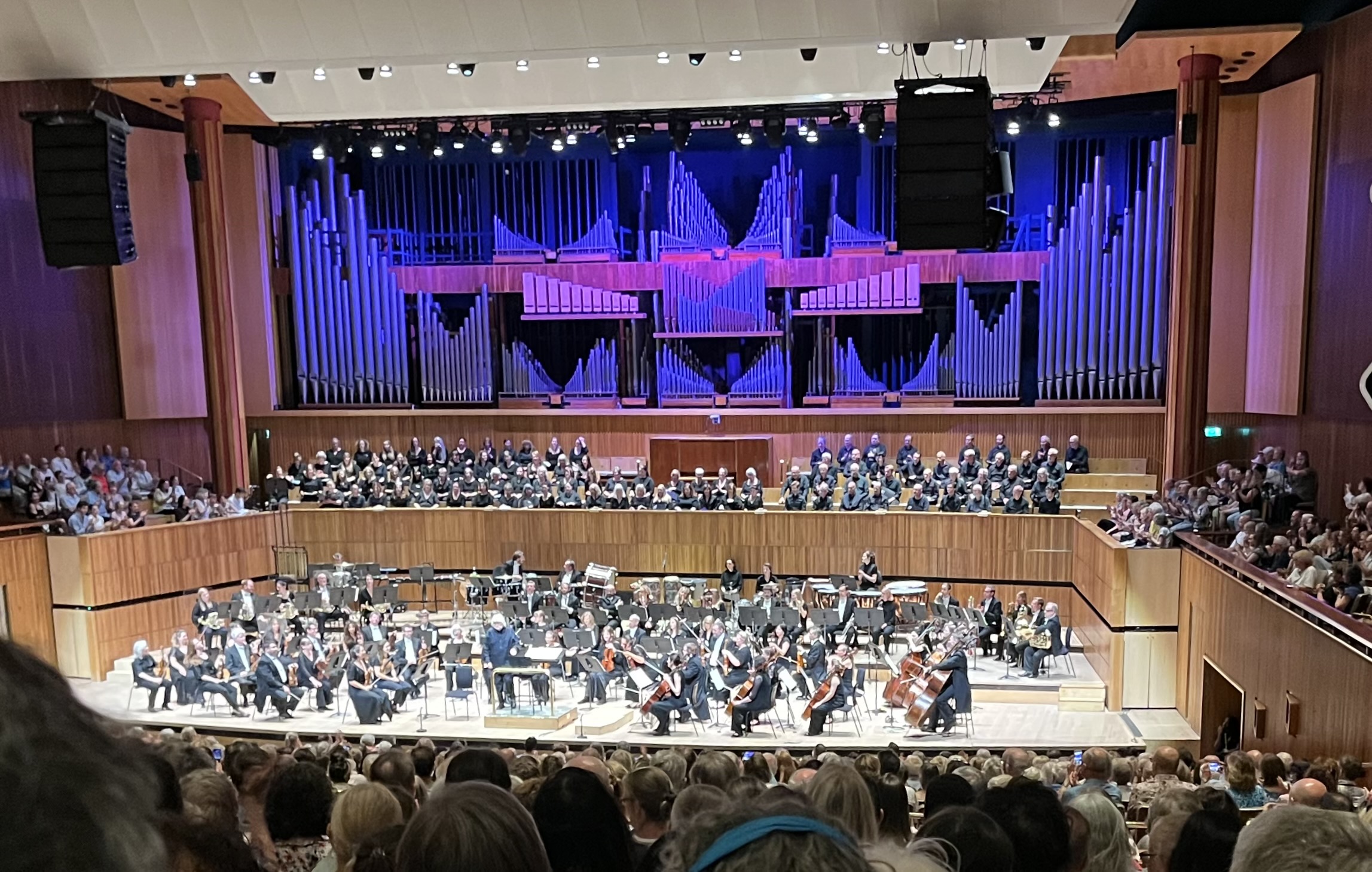
Last Saturday we went to hear Karl Jenkins conduct The Armed Man at the Royal Festival Hall – he also played some extracts from Palladio and Adiemus. Good stuff: to me Jenkins, along with others such as Michael Nyman, stands for the welcome return of serious orchestral music that is melodic, not austerely intellectual, and not film music (though I suppose most of Nyman’s stuff is for films.

It’s true that Jenkins relies a lot on bright, uptempo stuff and there tends to be relatively little dramatic development within pieces: they set a mood and stick with it (maybe a bit like film music after all). He has also been a little brave in taking inspiration from other cultures – you don’t have to be extremely woke to wonder whether there’s something a bit off in people singing in a fake African language. We also had muezzin singing (why not, I suppose). On the whole I think Jenkins is just respectful enough to his sources to get away with it.

A very enjoyable afternoon, anyway.

Not Ian McKellen

We had booked to see Ian McKellen as Falstaff in Player Kings, an abbreviated merging of Shakespeare’s Henry IV parts one and two. Then he fell off the stage and was hurt. At first he hoped to be back on Wednesday, then they said one more day cancelled and he’ll be back on Thursday (our day). On Thursday, they said the performance was going ahead – but with the understudy. Nobody would want Sir Ian to take any chances, but of course it was disappointing.

The understudy was David Semark, and he did a very good job (perhaps being physically a better match for Falstaff). The production was very good. Modernish dress, and for some reason the characters smoked cigarettes. The sword fights, here performed with knives, sat oddly in a battle where guns and high explosive were being used.

The cuts needed to bring two plays down to a manageable single evening had some impact – Hotspur here, deprived of scenes with his wife, lacked charm and seemed merely belligerent: on the other hand for some reason he was depicted as easily defeating Hal, who had to resort to abusing the sporting chances he was given and stabbing his opponent in the back.

Toheeb Jimoh’s reading of Hal gave us an uncertain Prince rather than the steely, cold manipulator which is another reading. This perhaps sat well with the merging of the plays. Shakespeare had to depict Hal’s transformation twice for two audiences, and when you put both together he seems less decisive than he does in either play alone. I thought (and I know you can’t criticise Shakespeare) that the merger also highlighted the redundancy of some minor characters

Some wonderful passages, of course, and an enjoyable evening still.